
Aquilegia jonesii
Also known as: Information to be completed
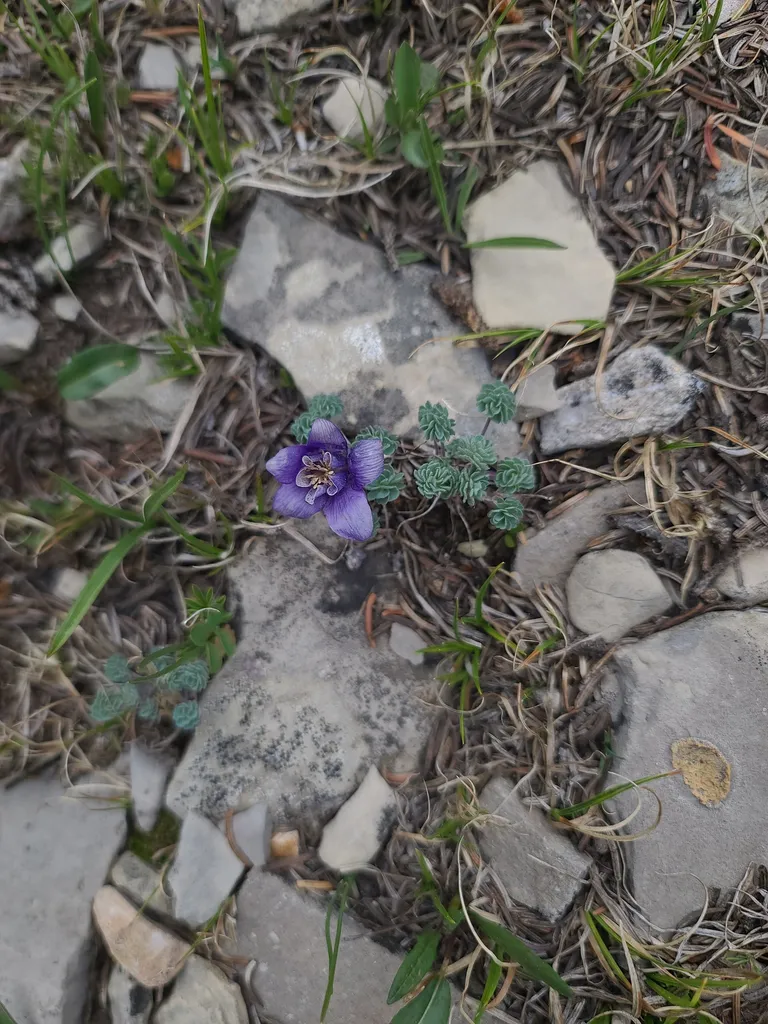
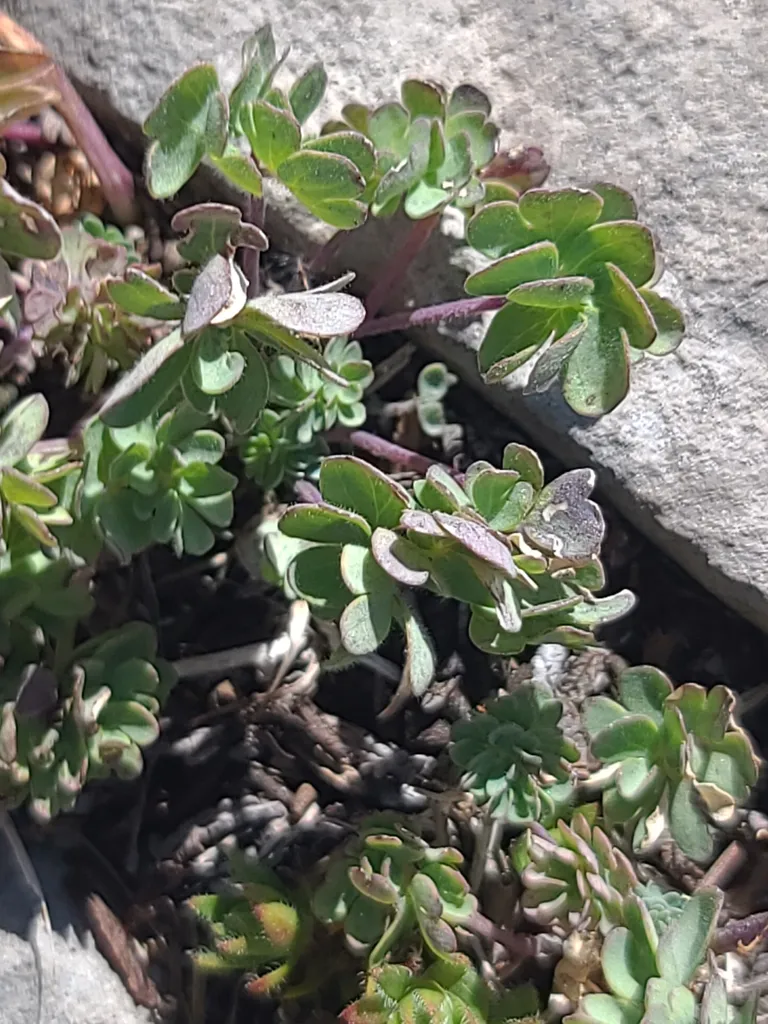
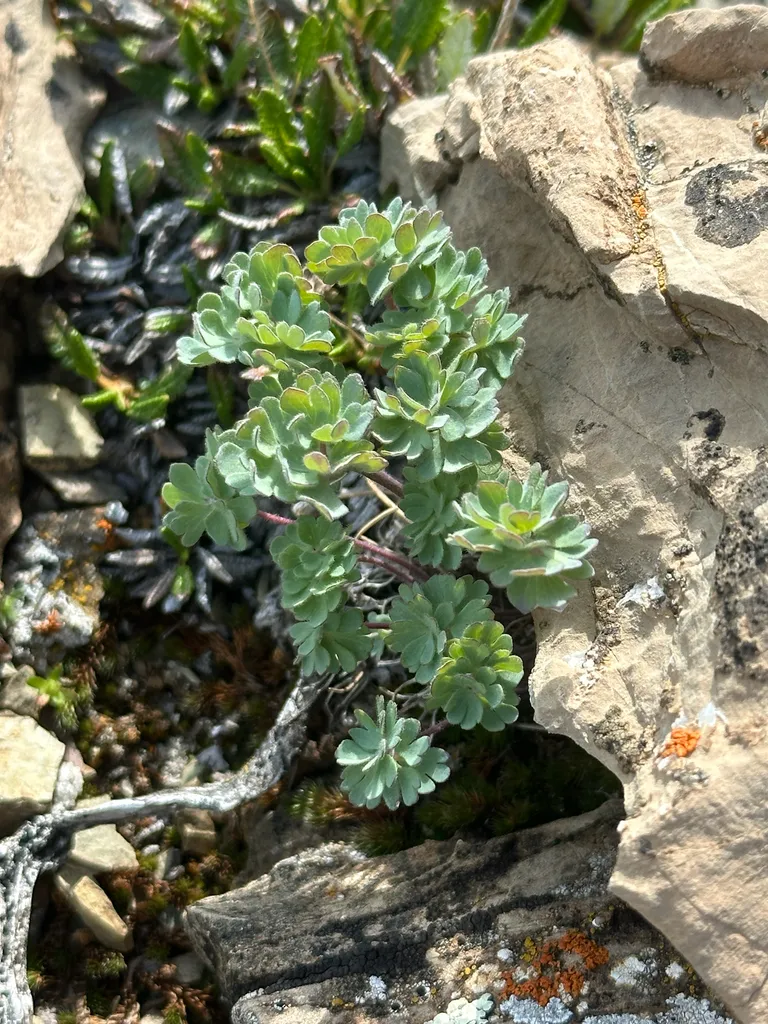
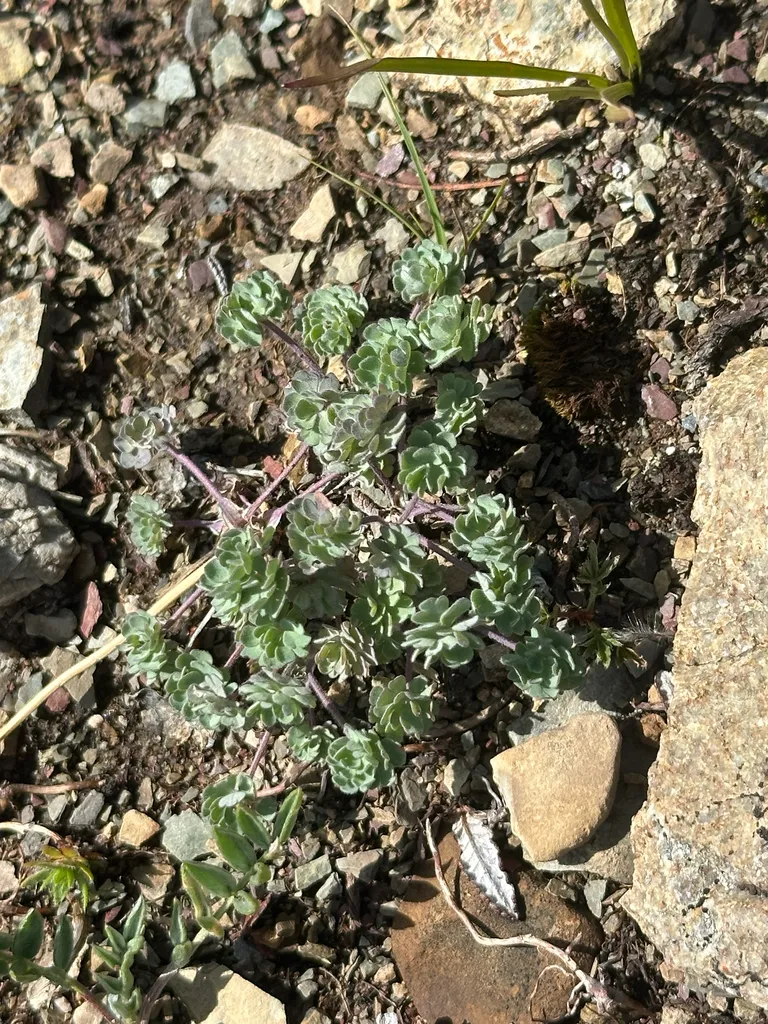
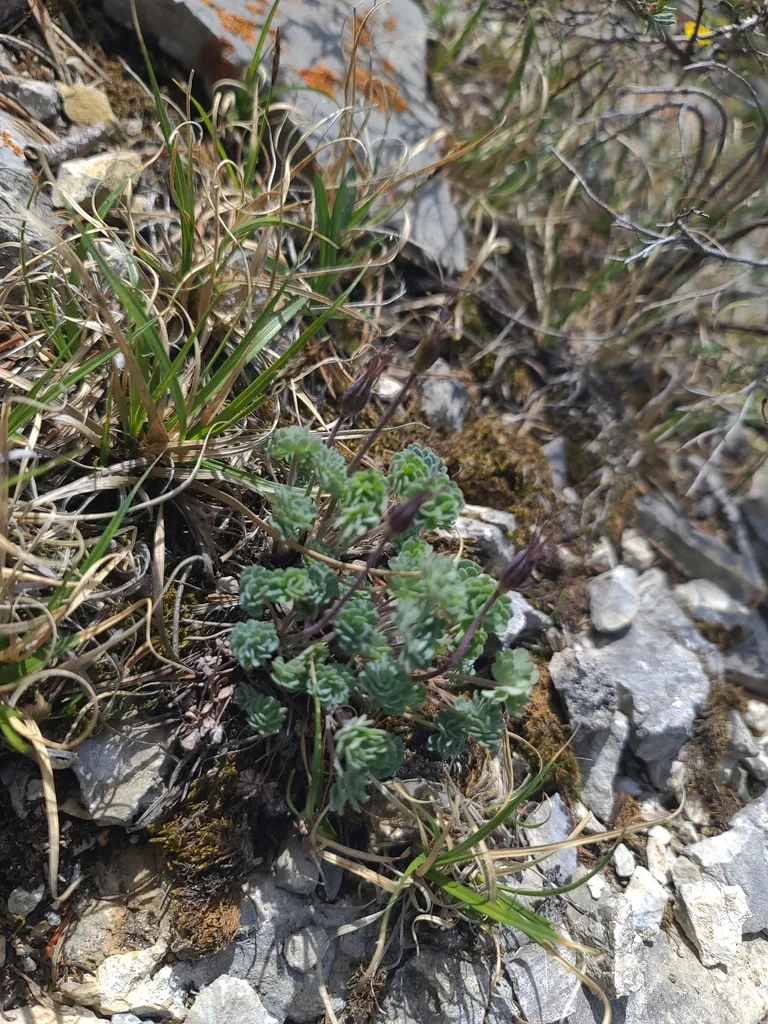
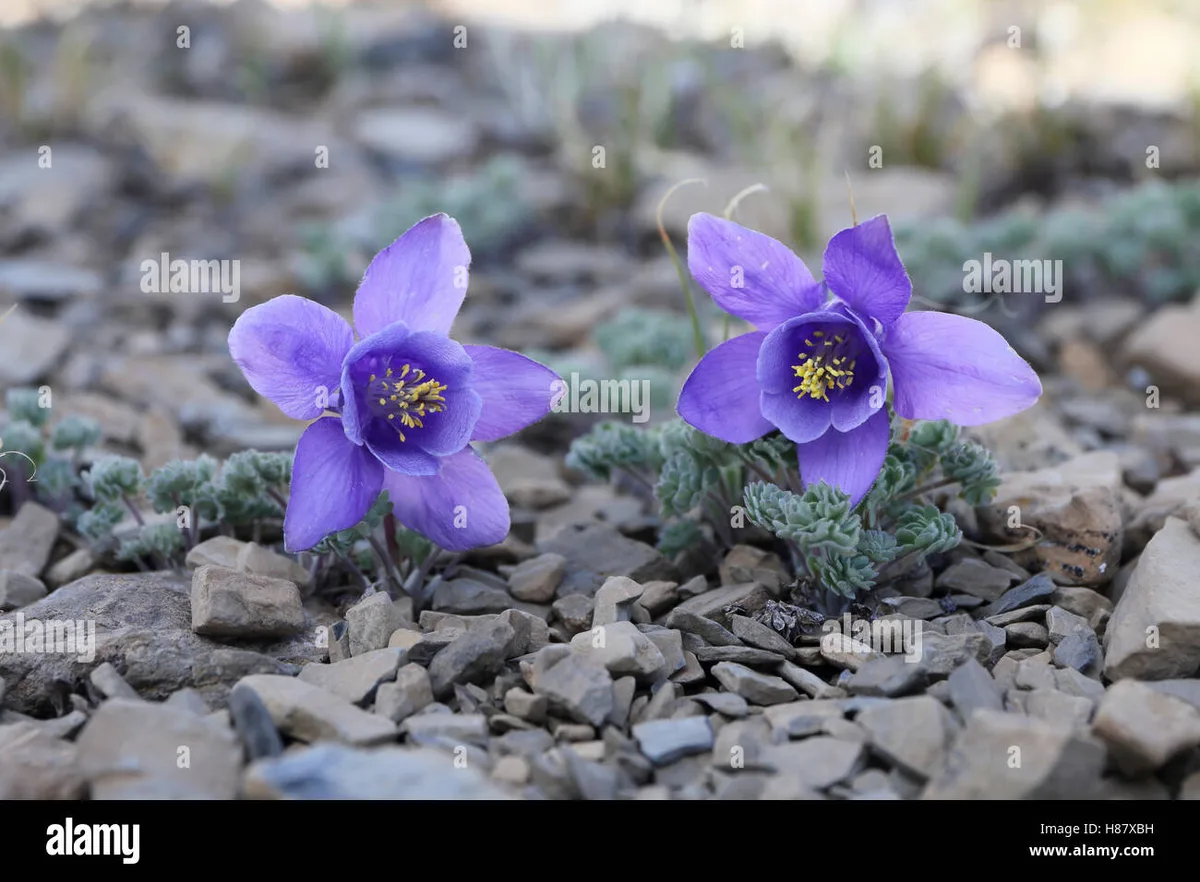
A dwarf alpine, around 10-15cm high, forming a low mound of small, densely packed, lobed and slightly hairy blue-green leaves. Upturned violet-coloured flowers with short spurs, which appear large in comparison to the small leaves, are produced in early summer
Scientific classification
- Species
- Aquilegia jonesii (Aquilegia jonesii)
- Genus
- Aquilegia
- Family
- Ranunculaceae
- Order
- Ranunculales
- Class
- Magnoliopsida
- Phylum
- Magnoliophyta
- Information to be completed
- Toxicity
- Alpine Rockery · Herbaceous Perennial
- Plant type
- 0.1-0.5 metres
- Height
- 0.1-0.5 metres
- Spread
- Deciduous
- Foliage
- Clump forming
- Habit
- Spring · Summer
- Season of interest
- Full sun
- Sunlight
- Information to be completed
- Ideal temperature









Aquilegia jonesii pictures
Distribution of Aquilegia jonesii
Distribution map
- Native
- Introduced
- Cultivated
Source:WCVP v16 · Royal Botanic Gardens, Kew · CC BY 3.0 · Boundaries:WGSRPD / TDWG
Aquilegia jonesii care guide
- Light infrequent watering, fast drainage required for substrate
- Watering
- Full sun
- Sunlight

Watering
Light infrequent watering, fast drainage required for substrate
Fertilizing
 Fertilizing
Very diluted alpine nutrient mix once monthly spring to summer
Pruning
 Pruning
No pruning required
Propagation
 Propagation
Propagate by seed sown in situ, plants cannot be transplanted
Growing
 Growing
Grow in humus-rich, gritty soil with excellent drainage; not suitable for clay soils. Thrives in areas with cooler conditions in summer. Ideal for containers, scree beds or growing in an alpine house. This species can be shortlived for a perennial. See aquilegia cultivation for more detailed advice
Common pests and diseases
Diseases
Generally disease-free
Pests
Generally pest-free
Explore the plant health library →




