
red pasqueflower
Also known as: Information to be completed
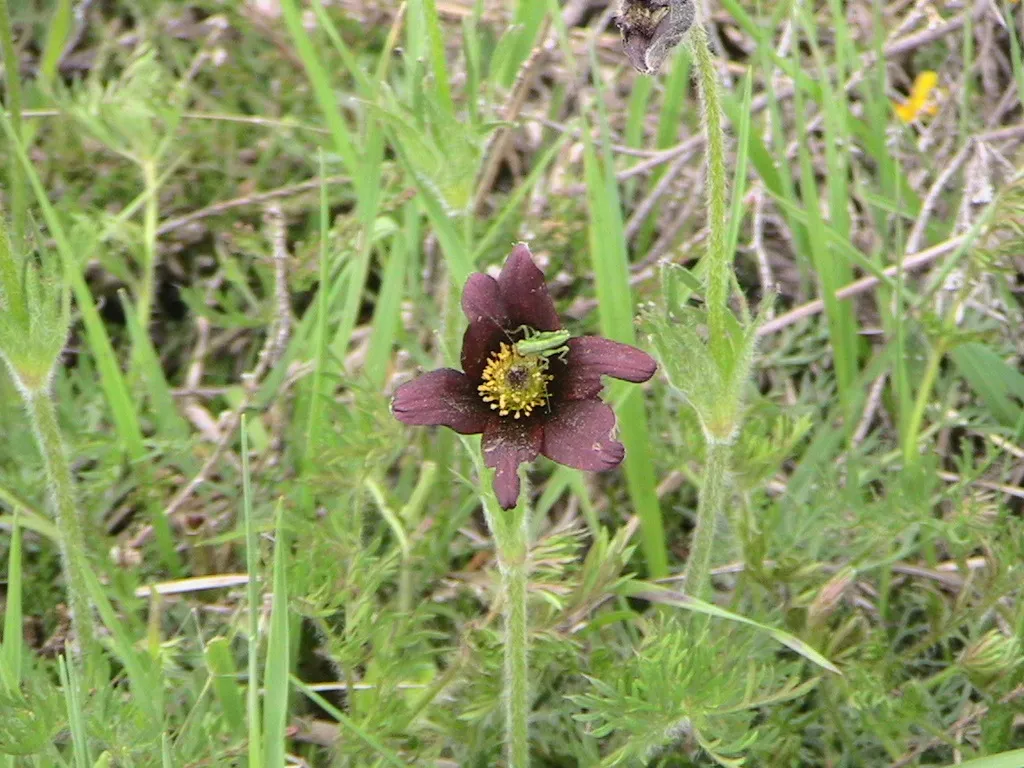
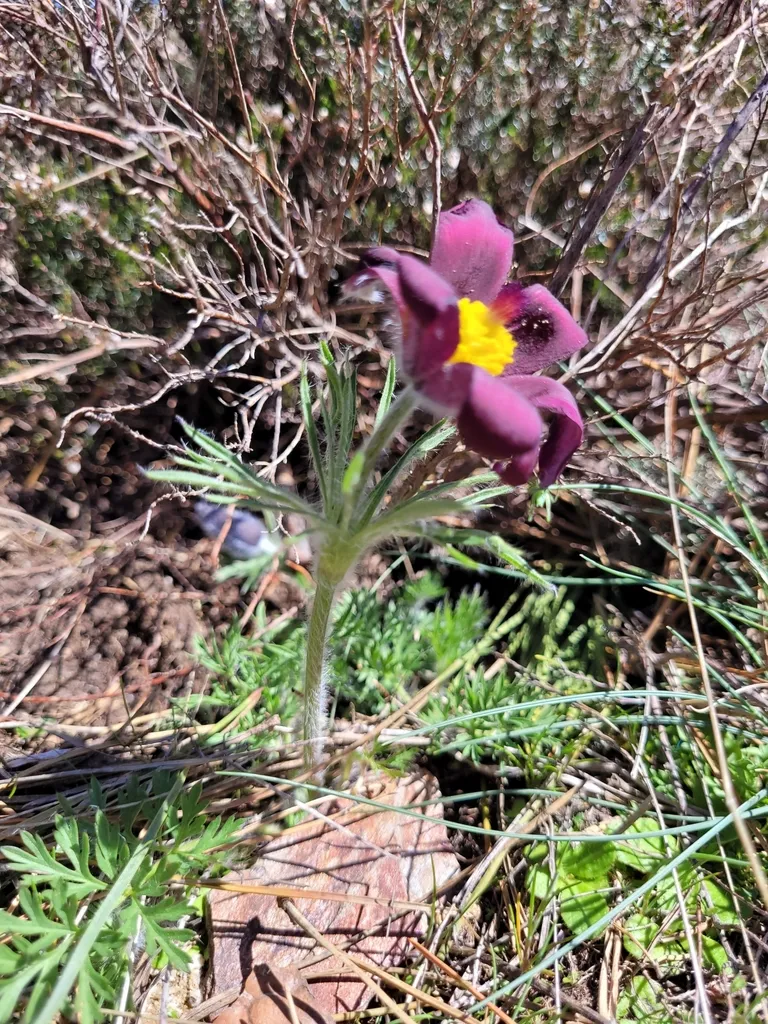
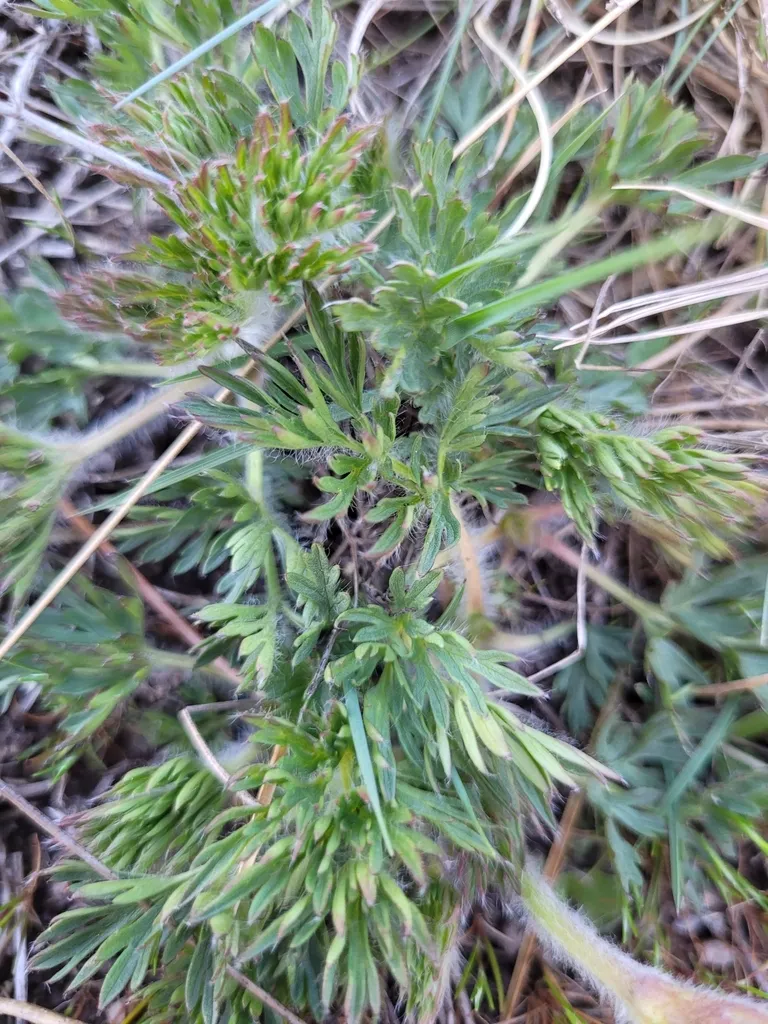
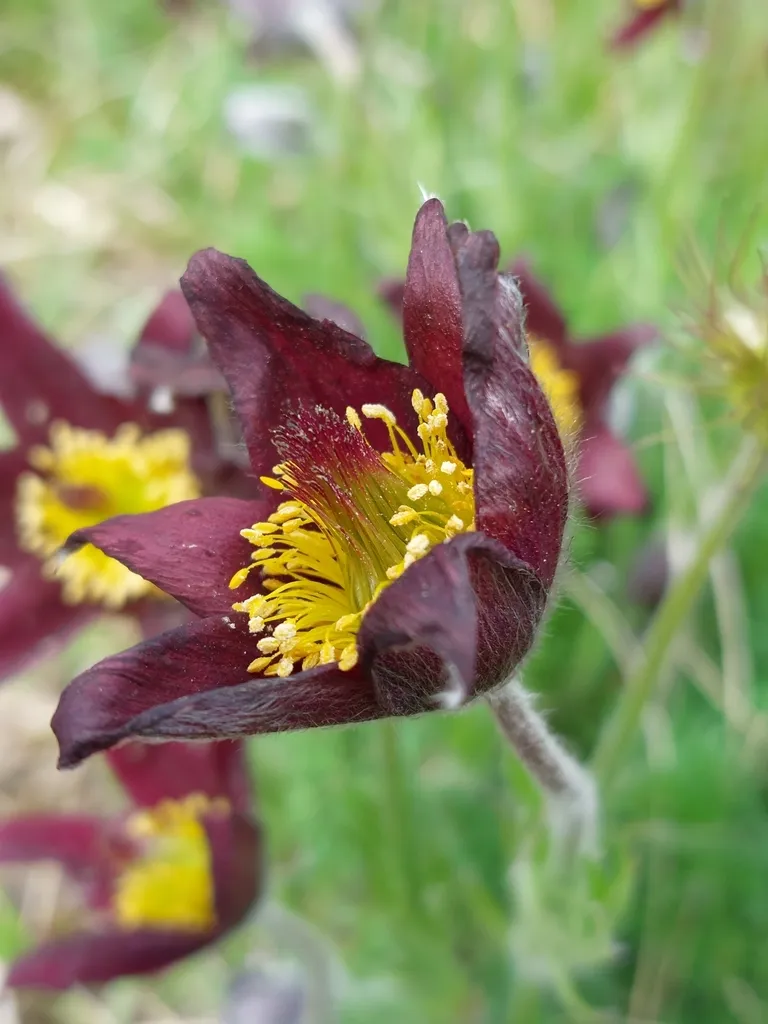
P. rubra is a clump-forming perennial to 20cm tall, with silky-hairy leaves much divided into linear lobes, and solitary, nodding bell-shaped dusky red flowers 6-8cm wide opening in spring
Scientific classification
- Species
- red pasqueflower (Pulsatilla rubra)
- Genus
- Pulsatilla
- Family
- Ranunculaceae
- Information to be completed
- Toxicity
- Herbaceous Perennial
- Plant type
- 0.1-0.5 metres
- Height
- 0.1-0.5 metres
- Spread
- Deciduous
- Foliage
- Bushy
- Habit
- Spring
- Season of interest
- Full sun
- Sunlight
- Information to be completed
- Ideal temperature









red pasqueflower pictures
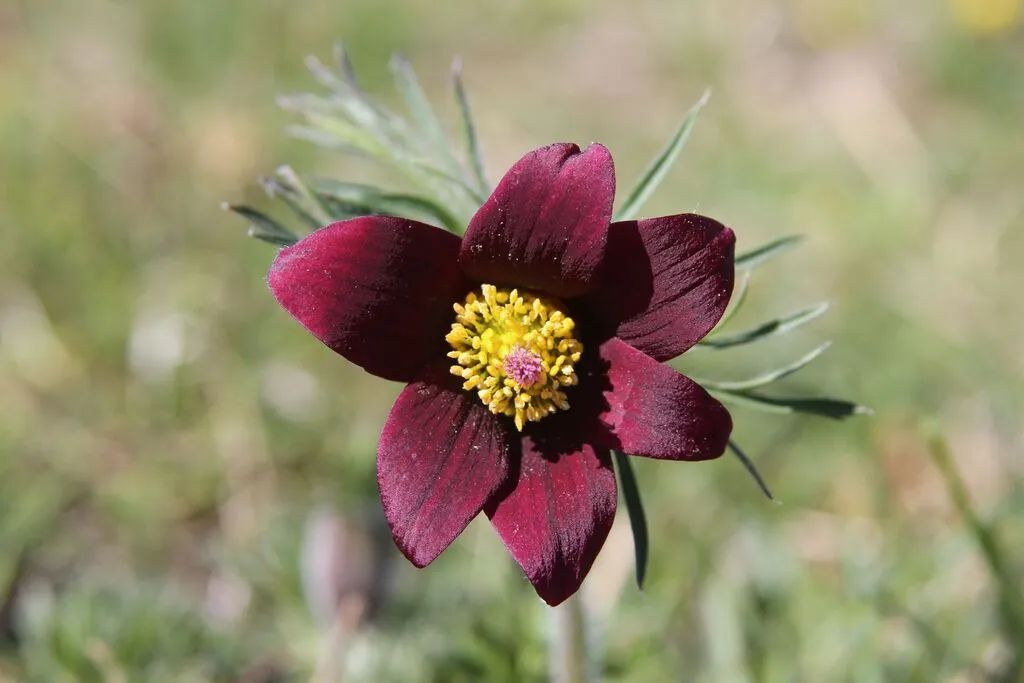
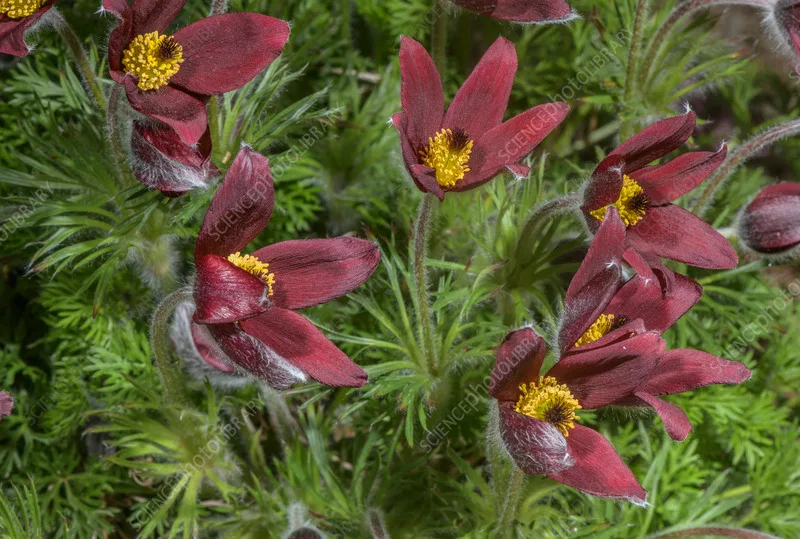
Distribution of red pasqueflower
Distribution map
- Native
- Introduced
- Cultivated
Source:WCVP v16 · Royal Botanic Gardens, Kew · CC BY 3.0 · Boundaries:WGSRPD / TDWG
Culture
Information to be completed
Toxicity
Information to be completed
Quick identification of red pasqueflower
Information to be completed
red pasqueflower care guide
- Moderate regular watering, allowing slight drying between waterings
- Watering
- Full sun
- Sunlight
- Information to be completed
- Ideal temperature

Watering
Moderate regular watering, allowing slight drying between waterings
Fertilizing
 Fertilizing
Balanced feed monthly during active growth season
Pruning
 Pruning
None required
Propagation
 Propagation
Propagate by seed sown as soon as ripe. Basal or root cuttings may be possible, but are challenging
Growing
 Growing
Pulsatillas thrive in a well-drained, fertile soil in full sun. Winter wet is to be avoided. Once established they dislike being moved
People also ask
Information to be completed
Common pests and diseases
Diseases
Usually trouble free
Pests
Usually trouble free
Explore the plant health library →




