
pomegranate
Also known as: Carthaginian apple; granada
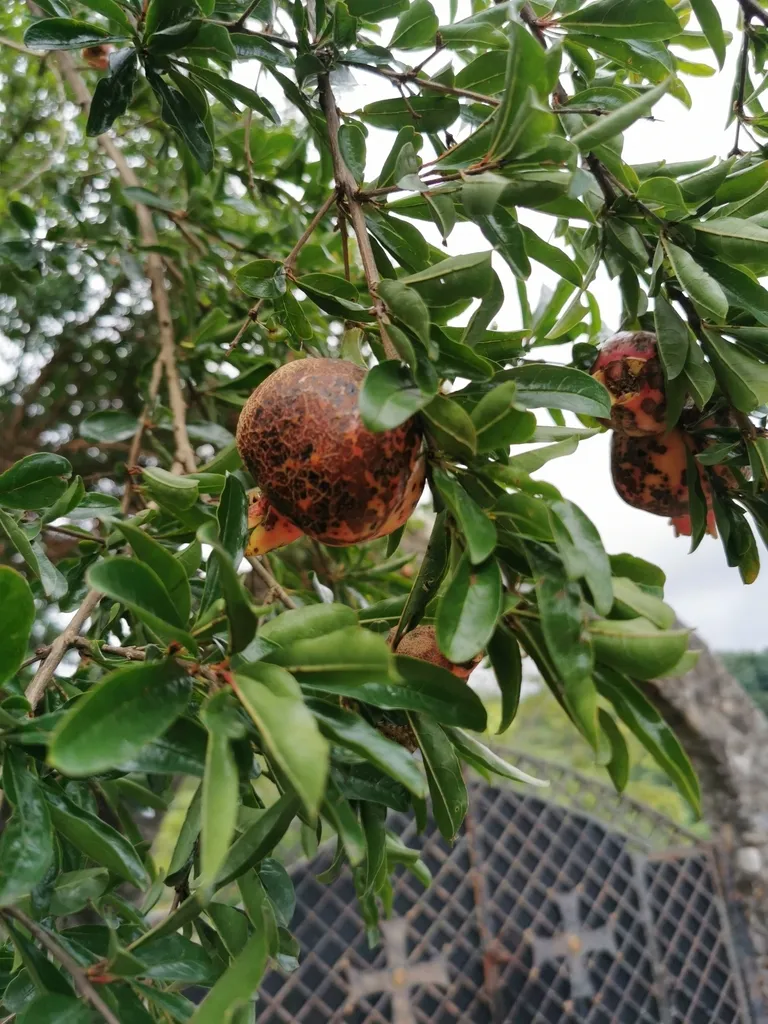
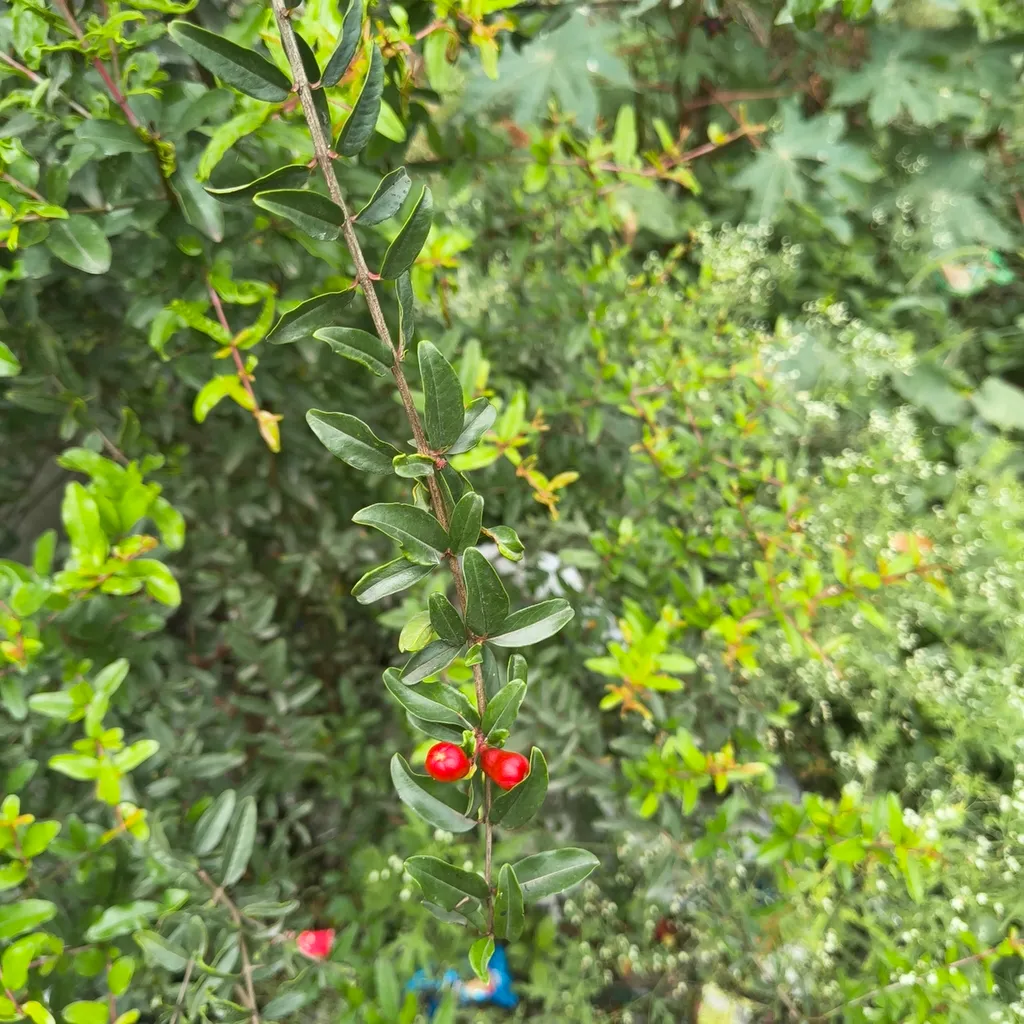
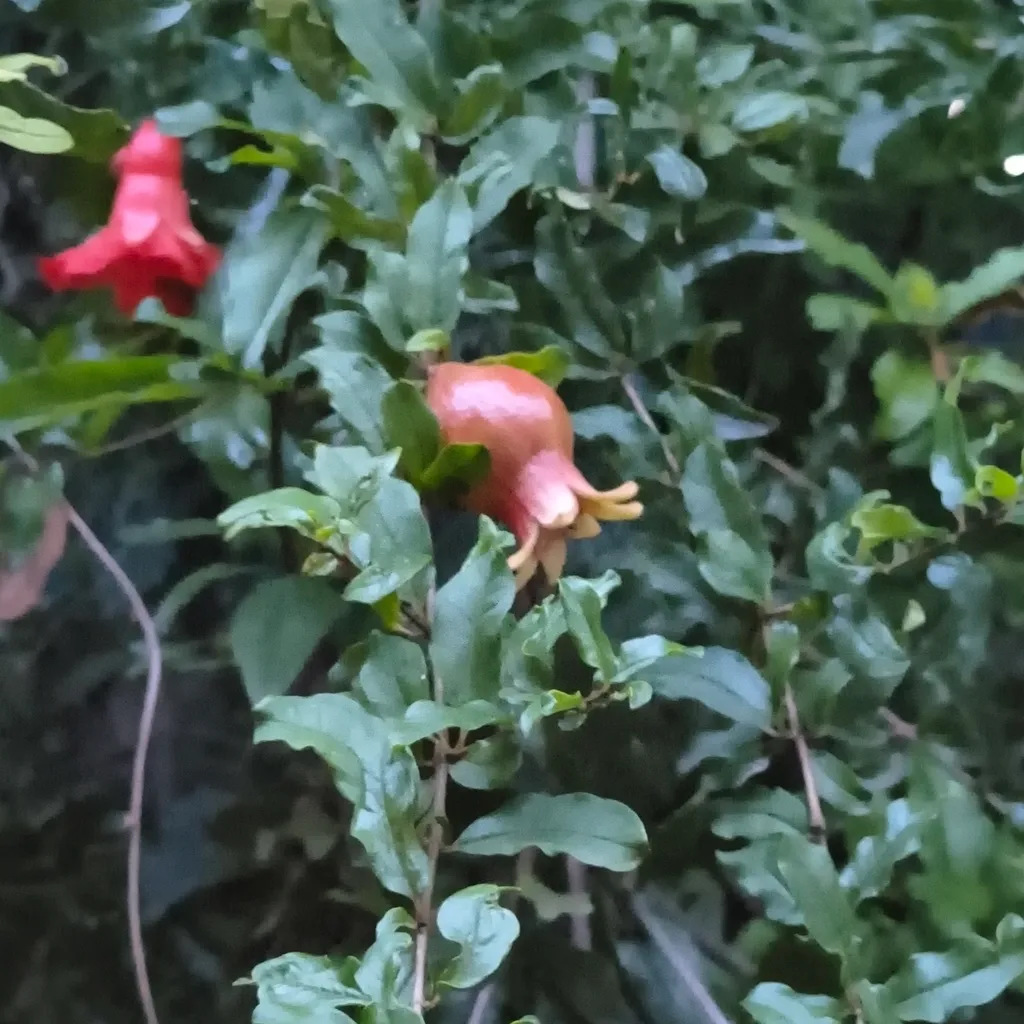
P. granatum is a rounded shrub with glossy, narrowly oblong leaves, bronze in spring, and funnel-shaped bright scarlet flowers 3-4cm across in summer, sometimes followed by spherical, reddish-brown fruits up to 12cm across
Scientific classification
- Species
- pomegranate (Punica granatum)
- Genus
- Punica
- Family
- Lythraceae
- Order
- Myrtales
- Class
- Magnoliopsida
- Phylum
- Magnoliophyta
- Information to be completed
- Toxicity
- Shrubs · Conservatory Greenhouse
- Plant type
- 1.5-2.5 metres
- Height
- 1.5-2.5 metres
- Spread
- Deciduous
- Foliage
- Bushy
- Habit
- Spring · Summer · Autumn
- Season of interest
- Full sun
- Sunlight
- Information to be completed
- Ideal temperature









pomegranate pictures
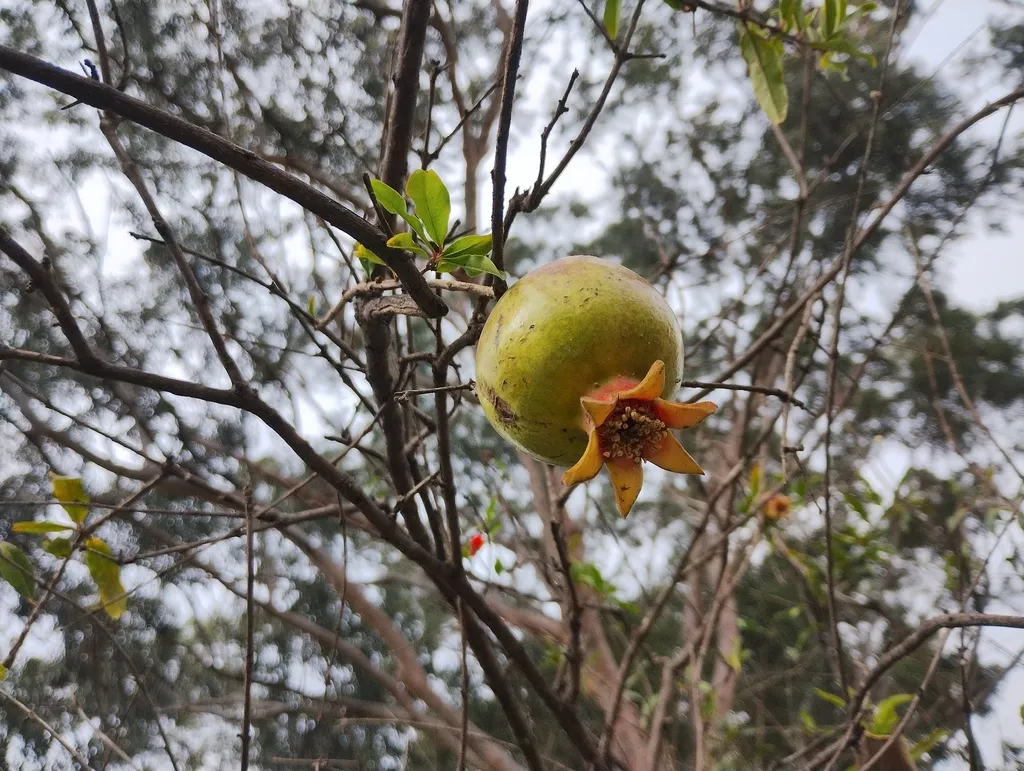
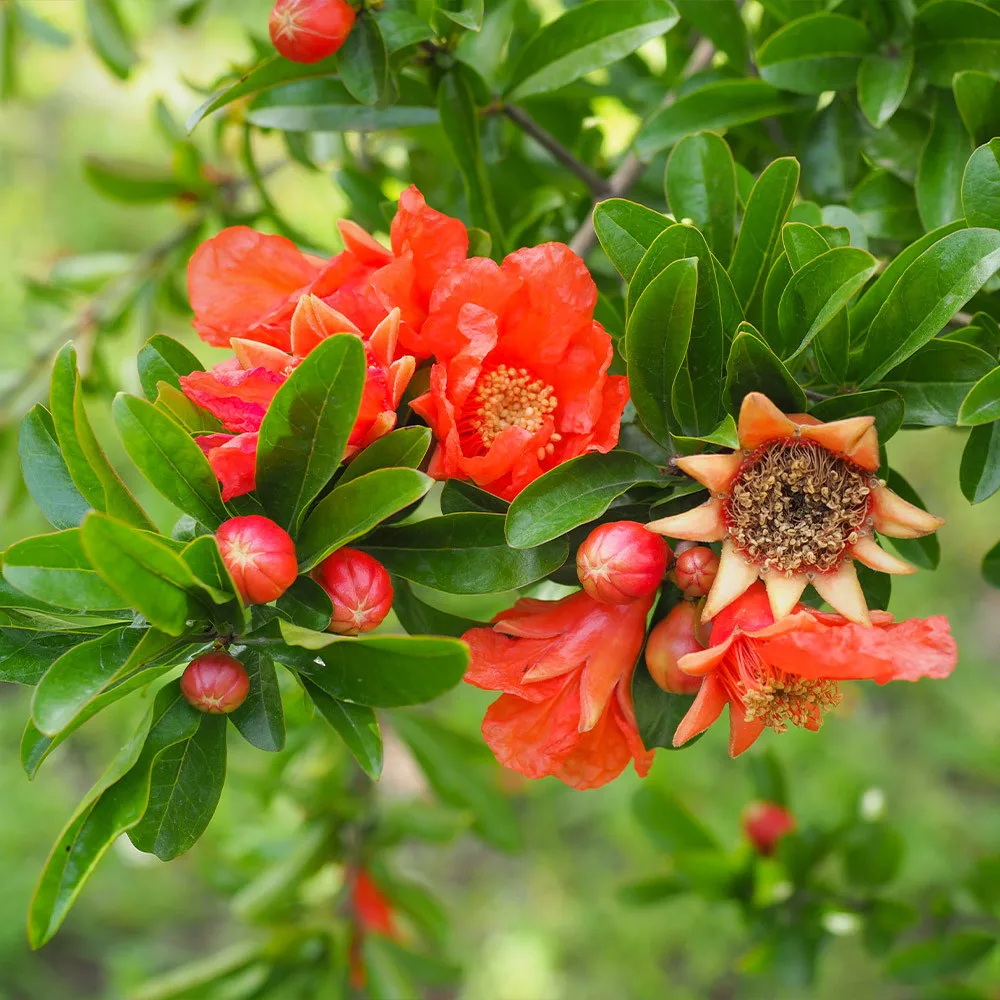
Distribution of pomegranate
Distribution map
- Native
- Introduced
- Cultivated
Source:WCVP v16 · Royal Botanic Gardens, Kew · CC BY 3.0 · Boundaries:WGSRPD / TDWG
pomegranate care guide
- Moderate regular watering, avoid prolonged drought or waterlogging
- Watering
- Full sun
- Sunlight

Watering
Moderate regular watering, avoid prolonged drought or waterlogging
Fertilizing
 Fertilizing
Balanced feed in spring and light repeat in growth season
Pruning
 Pruning
Little pruning is needed. Remove diseased, damaged, crowded or crossing shoots and unwanted growth. Timing depends on the plant: generally late winter or early spring; plants prone to bleeding and deciduous magnolias need different timing, and deciduous azaleas and lilacs are pruned after flowering.
Propagation
 Propagation
Propagate by seed sown at 13-18°C in spring or root semi-hardwood cuttings with bottom heat in summer
Growing
 Growing
Under glass grow in loam-based compost, in a large container or greenhouse bed, in full light with shade from hot sun. During growth, water freely and apply a balanced liquid fertiliser monthly. Water sparingly in winter. Can be grown outdoors in a well-drained, fertile soil in full sun. Requires high autumn temperatures (13-16°C) for fruit to ripen
Common pests and diseases
Diseases
May be susceptible to honey fungus (rarely)
Pests
Generally pest-free
Explore the plant health library →




