
striped squill
Also known as: Lebanon squill; starch hyacinth
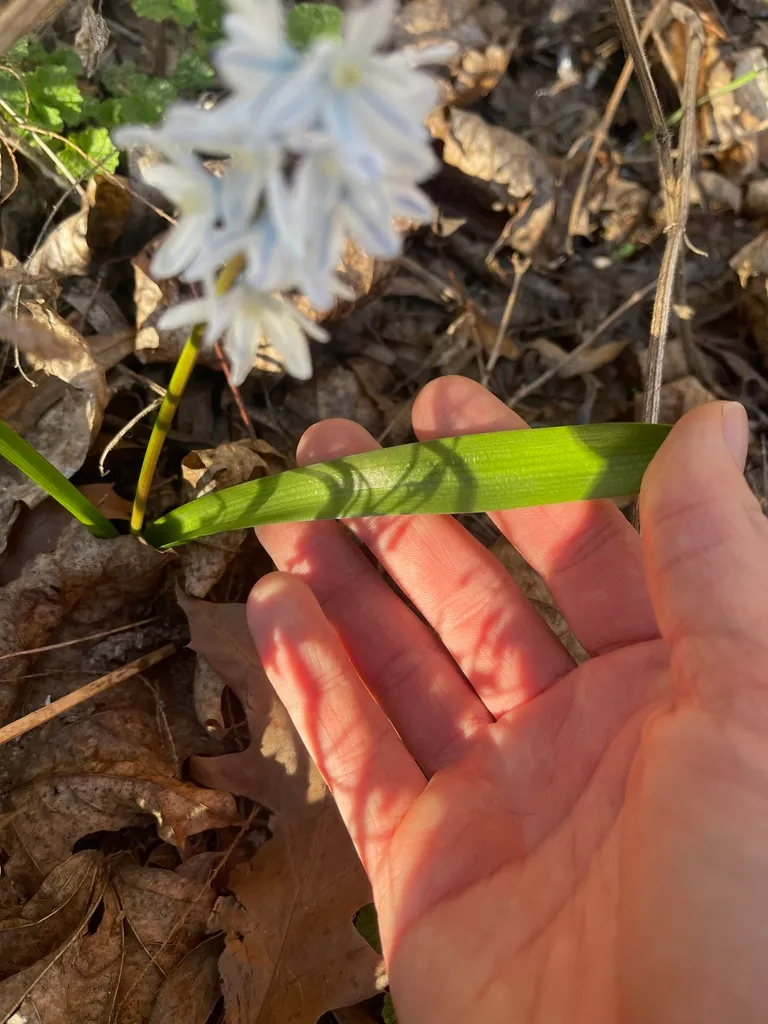
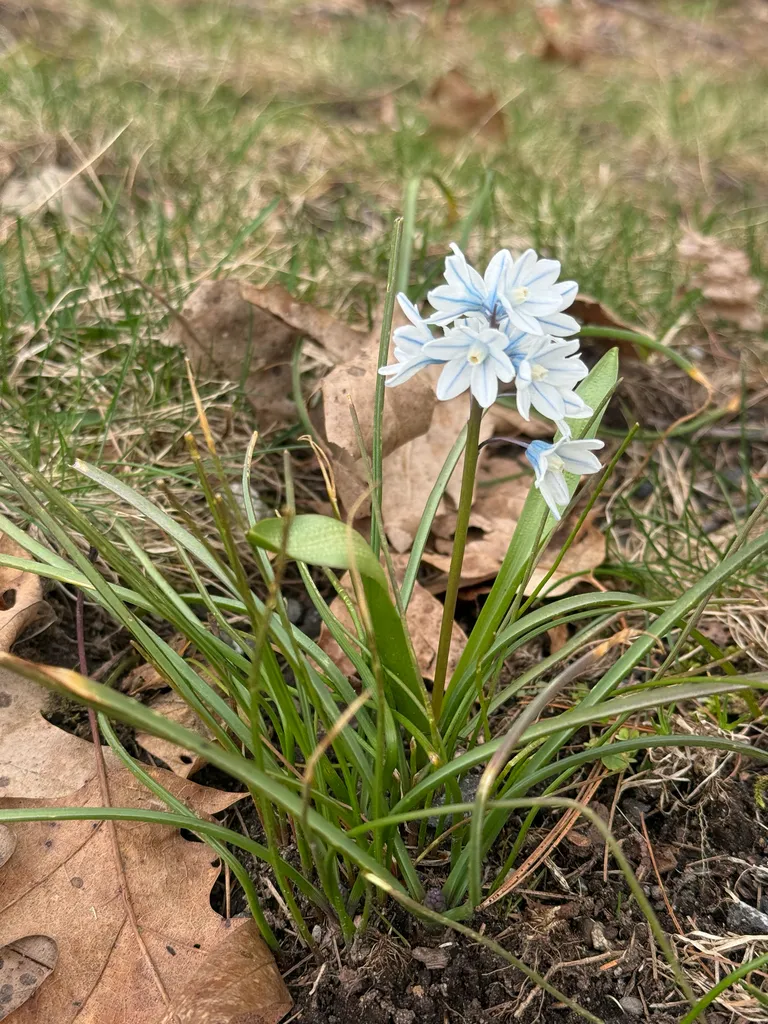
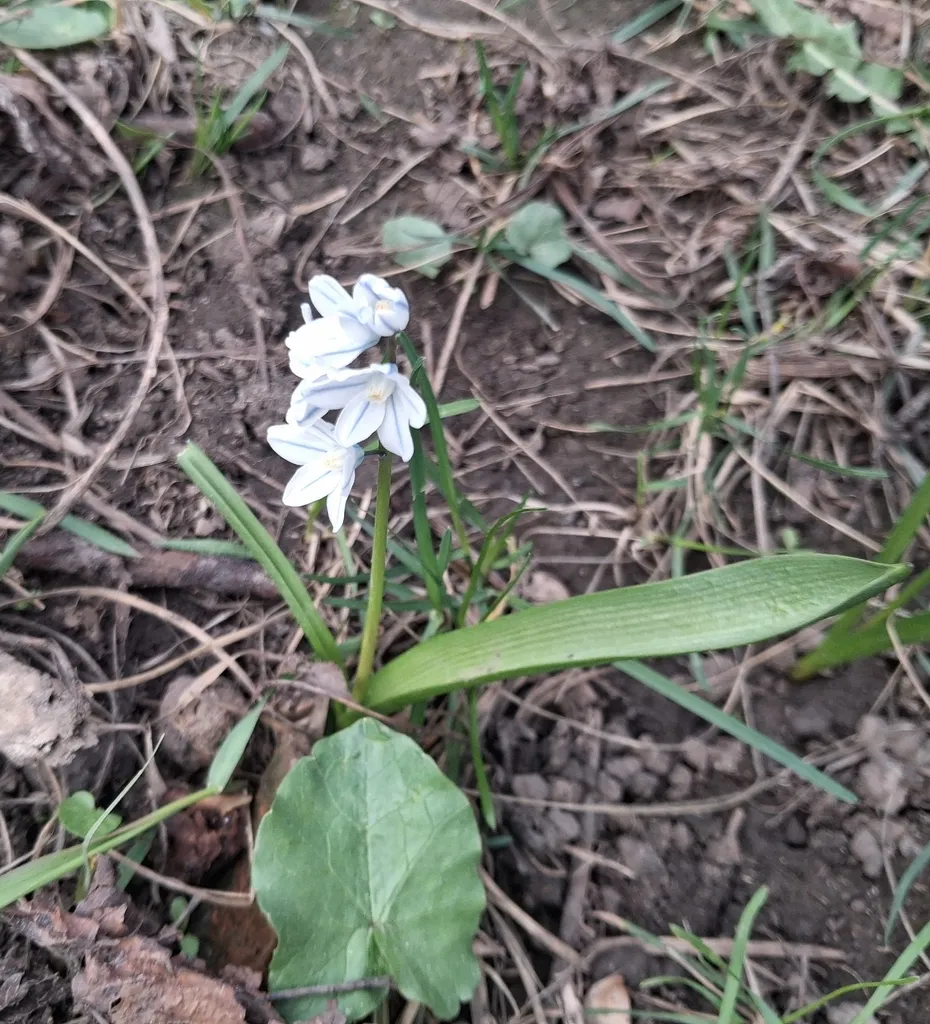
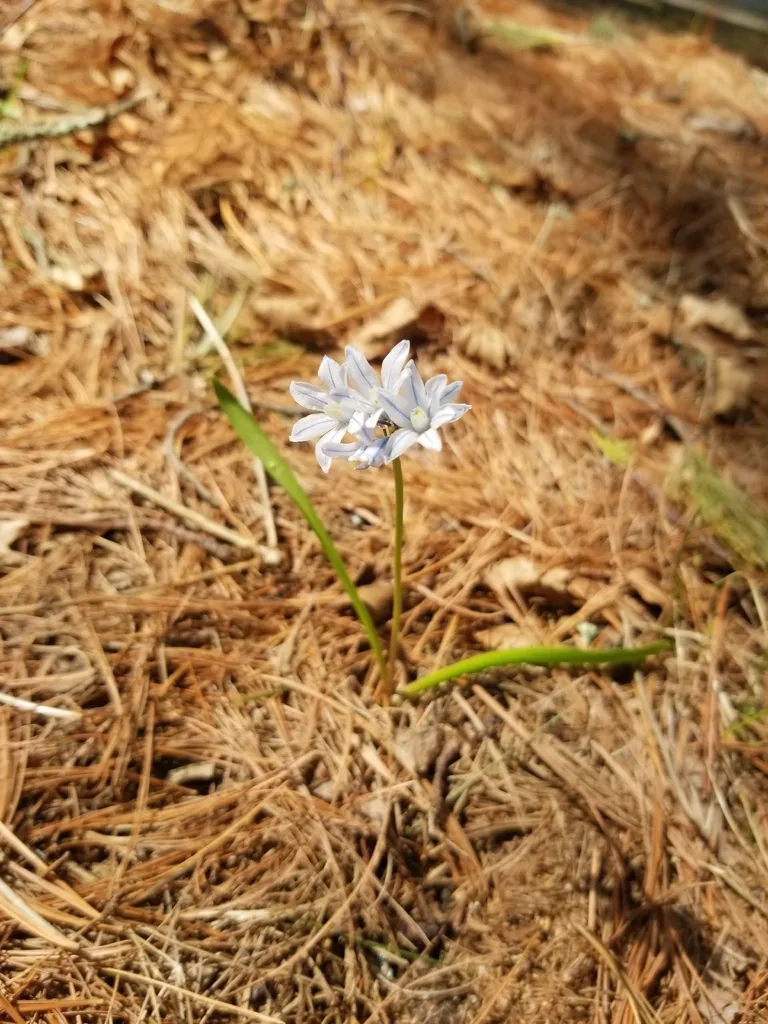
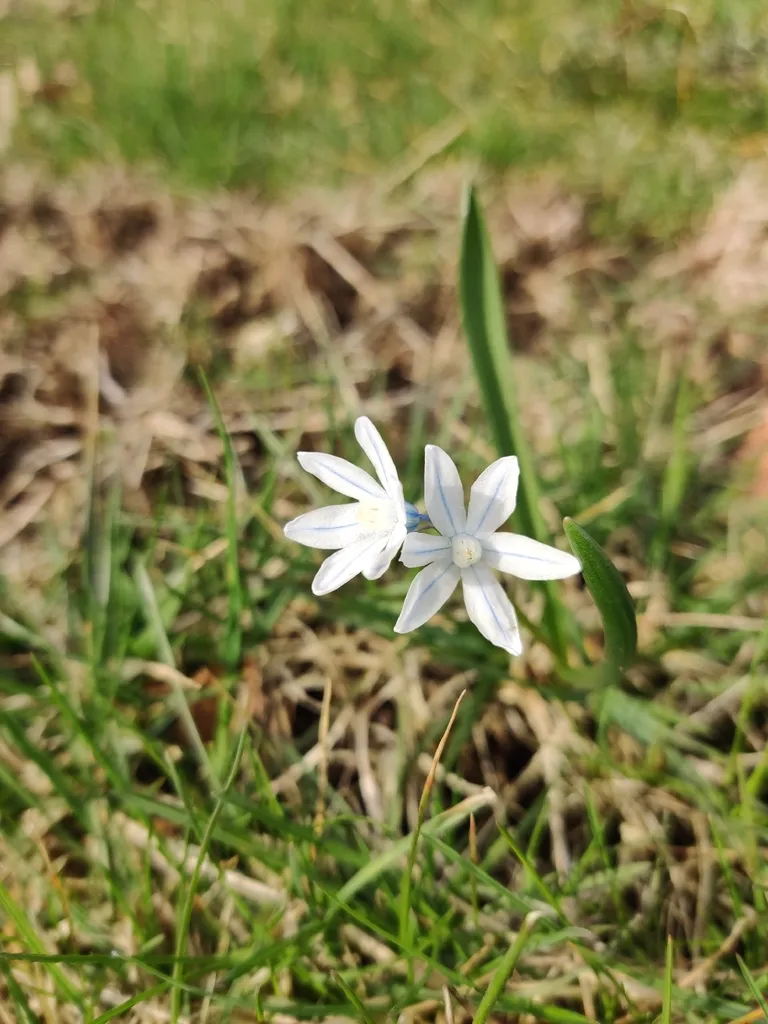
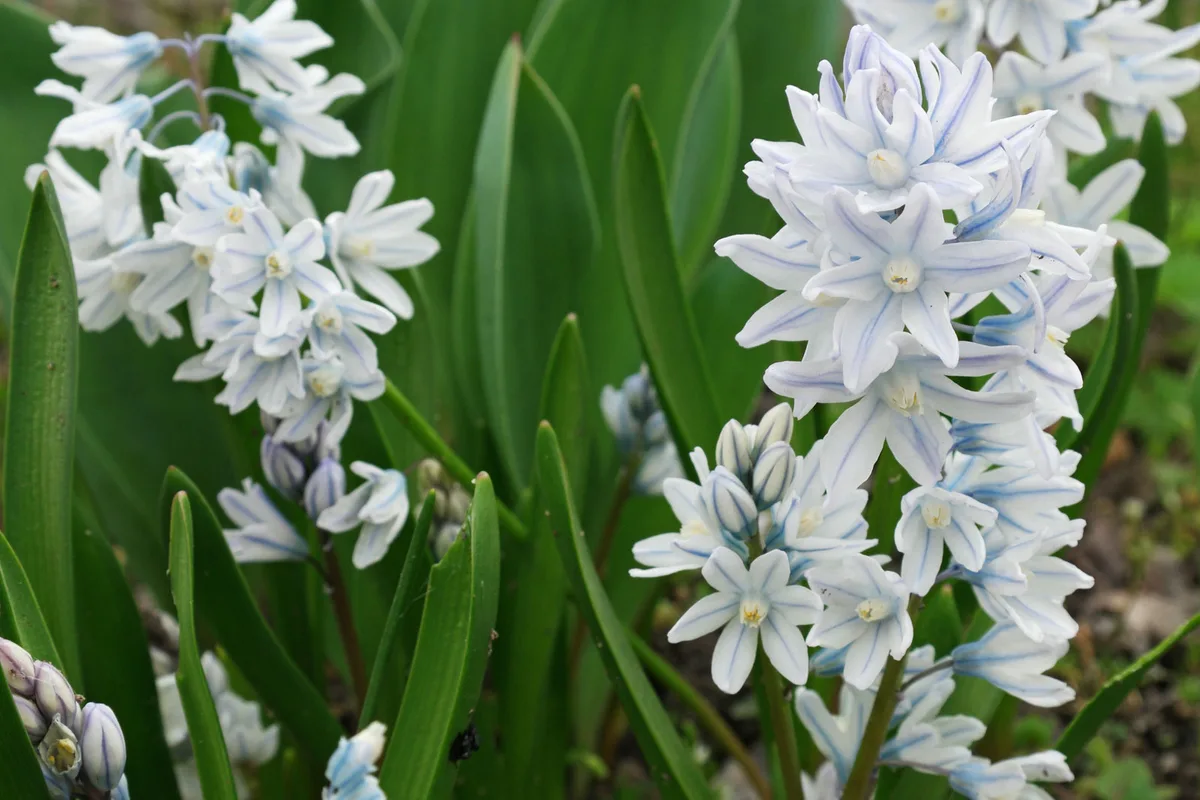
P. scilloides has narrowly strap-shaped leaves and very pale blue flowers, each tepal with a darker blue central stripe, 12mm across, in spring
Scientific classification
- Species
- striped squill (Puschkinia scilloides)
- Genus
- Puschkinia
- Family
- Asparagaceae
- Information to be completed
- Toxicity
- Bulbs
- Plant type
- Up to 10 cm
- Height
- 0-0.1 metre
- Spread
- Deciduous
- Foliage
- Tufted
- Habit
- Spring
- Season of interest
- Full sun · Partial shade
- Sunlight
- Information to be completed
- Ideal temperature









striped squill pictures
Distribution of striped squill
Distribution map
Southwestern Asia
Information to be completed
Culture
Information to be completed
Toxicity
Information to be completed
Quick identification of striped squill
Information to be completed
striped squill care guide
- Moderate regular watering, allowing brief slight drying between soakings
- Watering
- Full sun · Partial shade
- Sunlight
- Information to be completed
- Ideal temperature

Watering
Moderate regular watering, allowing brief slight drying between soakings
Fertilizing
 Fertilizing
Balanced perennial feed every four weeks from spring through summer
Pruning
 Pruning
No pruning required
Propagation
 Propagation
Propagate by seed, sown in summer or autumn, in containers in a cold frame or separate offsets as the leaves die down
Growing
 Growing
Grows well in any moderately fertile, well-drained soil in full sun or partial shade
People also ask
Information to be completed
Common pests and diseases
Diseases
May be subject to a virus
Pests
Generally pest-free
Explore the plant health library →




