
Chilean puya
Also known as: Information to be completed
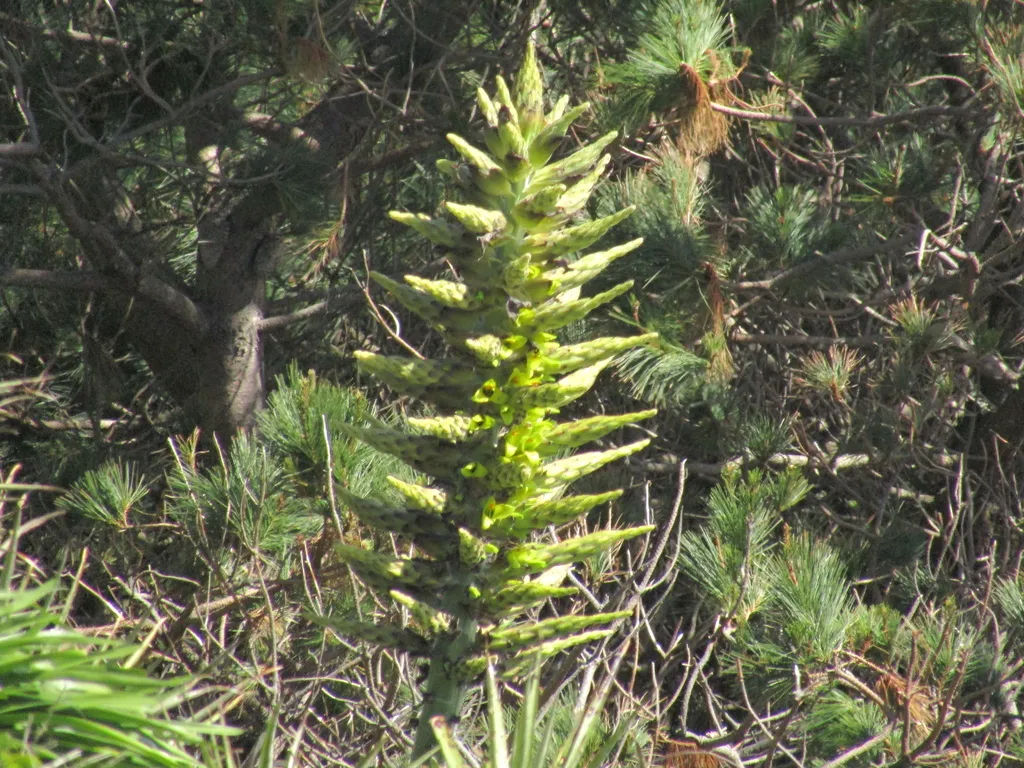
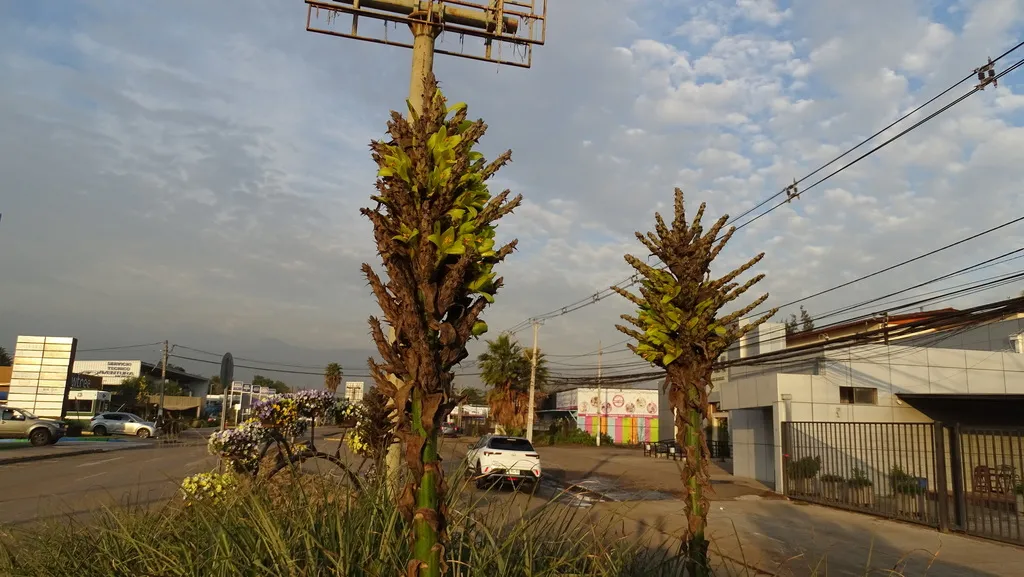
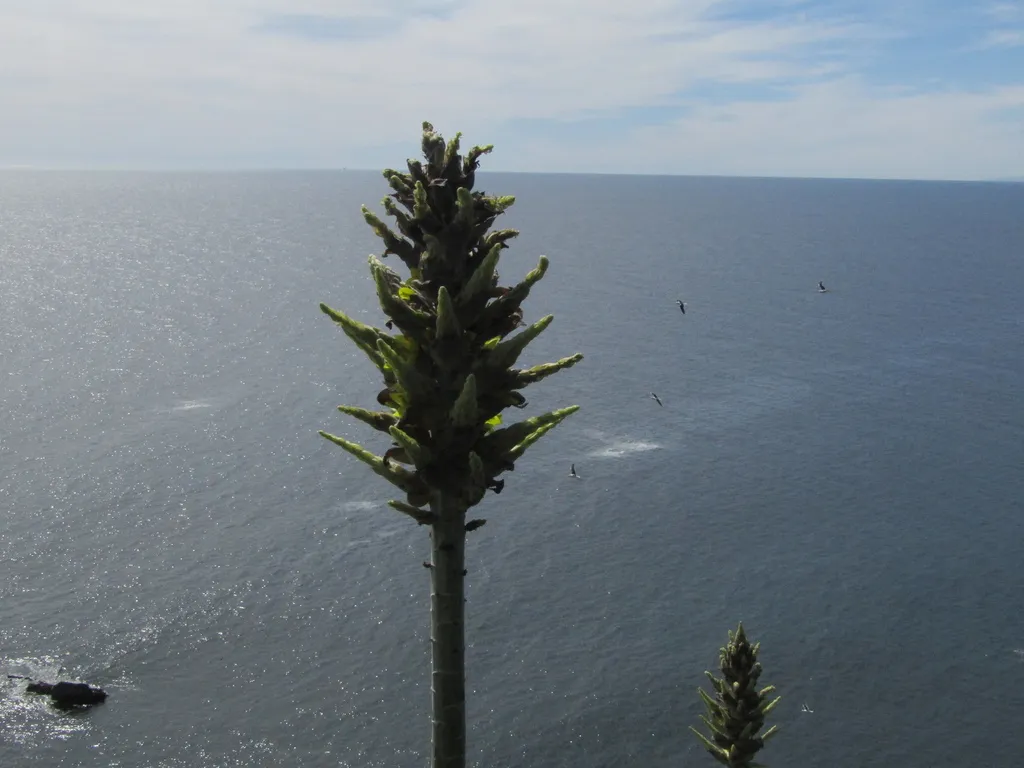
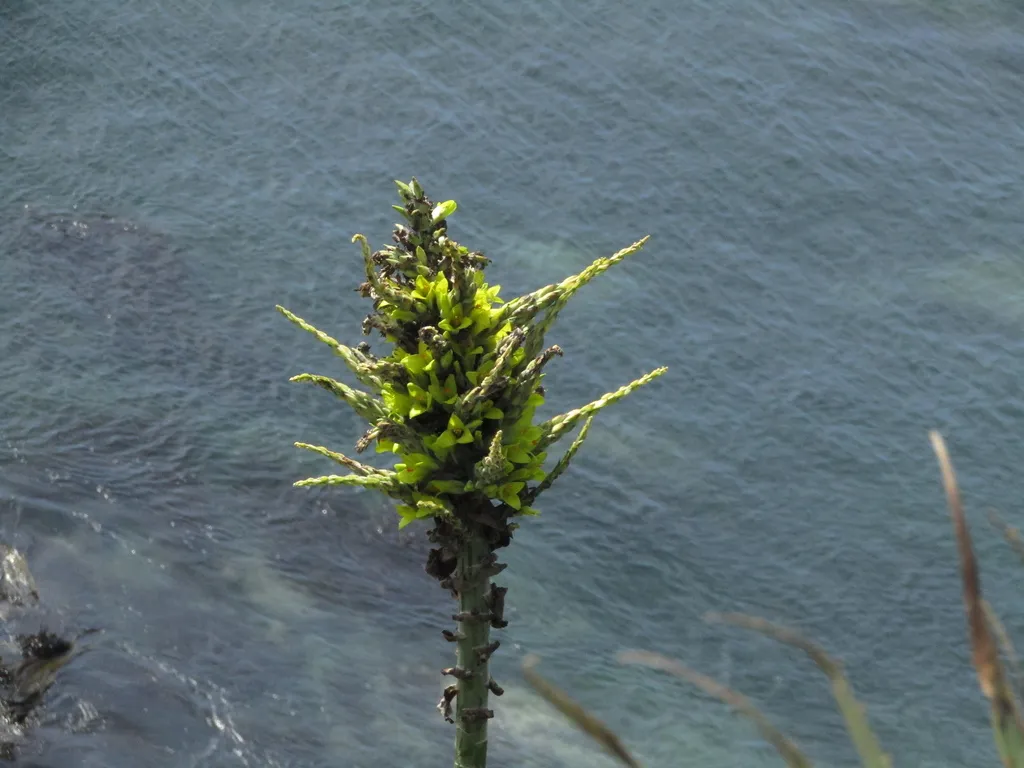
An evergreen, clumping, perennial, with dense rosettes of lance-shaped, stiff, leathery mid-green leaves with coarse, marginal spines pointing in to the rosette. A mature rosette produces a stout flower stem, to 1.5m high, with yellow-green, bell-shaped flowers interspersed with bird perches, before it dies (monocarpic). Flowers are followed by green fruit containing winged seeds
Scientific classification
- Species
- Chilean puya (Puya chilensis)
- Genus
- Puya
- Family
- Bromeliaceae
- Information to be completed
- Toxicity
- Herbaceous Perennial
- Plant type
- 1.5-2.5 metres
- Height
- 1-1.5 metres
- Spread
- Evergreen
- Foliage
- Bushy
- Habit
- Spring · Summer · Autumn · Winter
- Season of interest
- Full sun
- Sunlight
- Information to be completed
- Ideal temperature









Chilean puya pictures
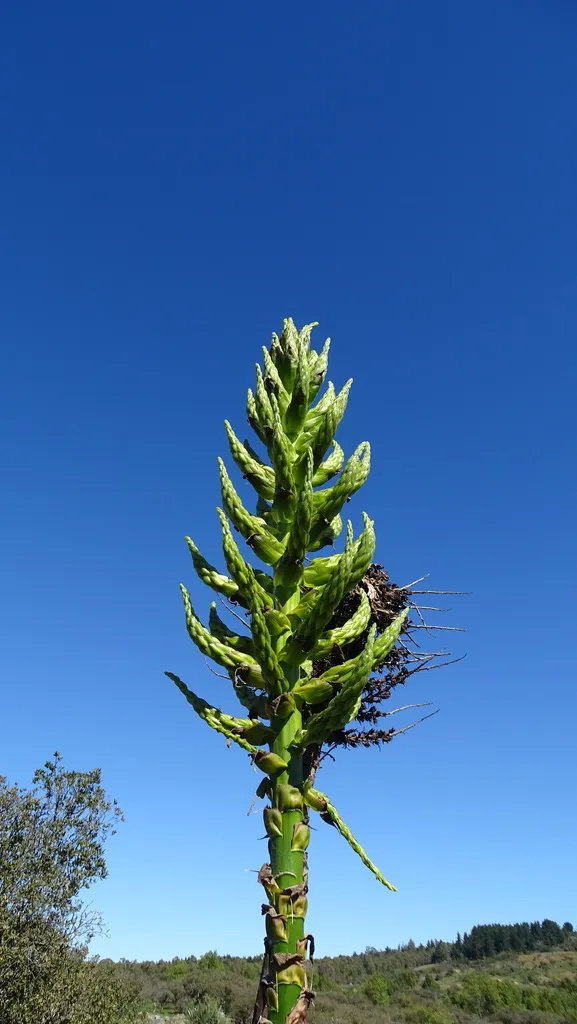
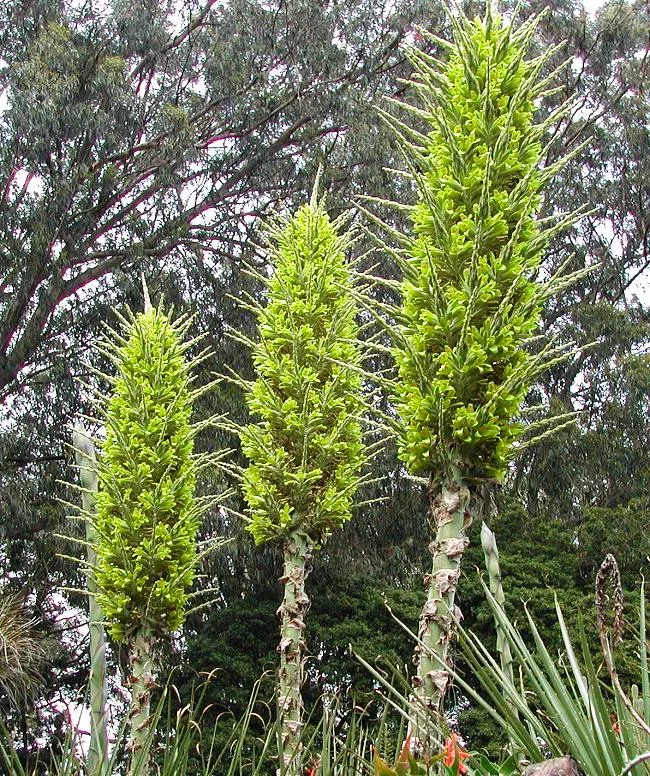
Distribution of Chilean puya
Distribution map
Central Chile
Information to be completed
Culture
Information to be completed
Toxicity
Information to be completed
Quick identification of Chilean puya
Information to be completed
Chilean puya care guide
- Moderate regular watering, avoid prolonged drought and stagnant waterlogging
- Watering
- Full sun
- Sunlight
- Information to be completed
- Ideal temperature

Watering
Moderate regular watering, avoid prolonged drought and stagnant waterlogging
Fertilizing
 Fertilizing
Balanced perennial feed every four weeks spring through summer growth
Pruning
 Pruning
No pruning required
Propagation
 Propagation
Propagate by seed at 19-24°C as soon as ripe
Growing
 Growing
Under glass grow in terrestrial bromeliad compost in full light. Water moderately when in active growth in mid-spring to late summer and apply a low nitrogen fertiliser every 6-8 weeks. Plants will tolerate temperatures below 0°C for brief periods if acclimatised to cool winter conditions. In warm, sheltered gardens grow plants outdoors in a sunny spot in sharply draining soil and protect from winter wet
People also ask
Information to be completed
Common pests and diseases
Diseases
Susceptible to root rots in wet soils
Pests
New growth is susceptible to scale insects
Explore the plant health library →




