
trailing lobelia
Also known as: blue lobelia; dwarf spreading lobelia; edging lobelia; garden lobelia
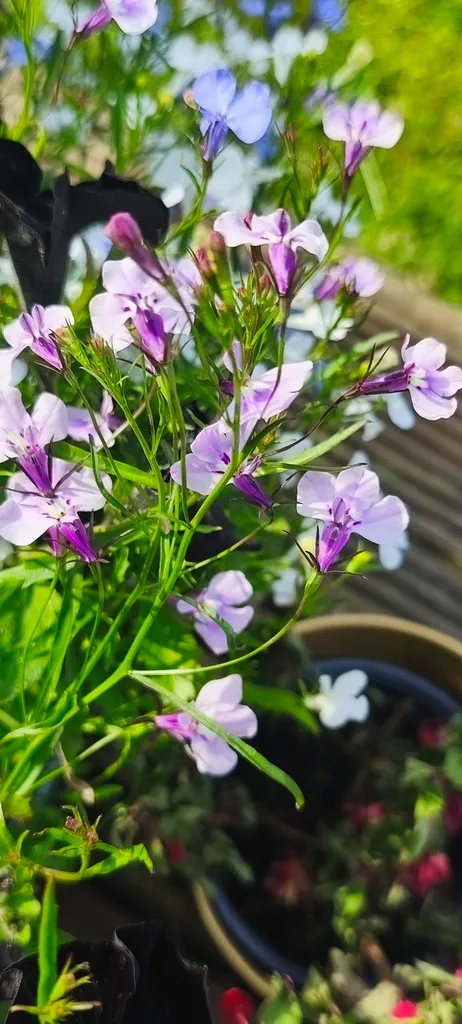
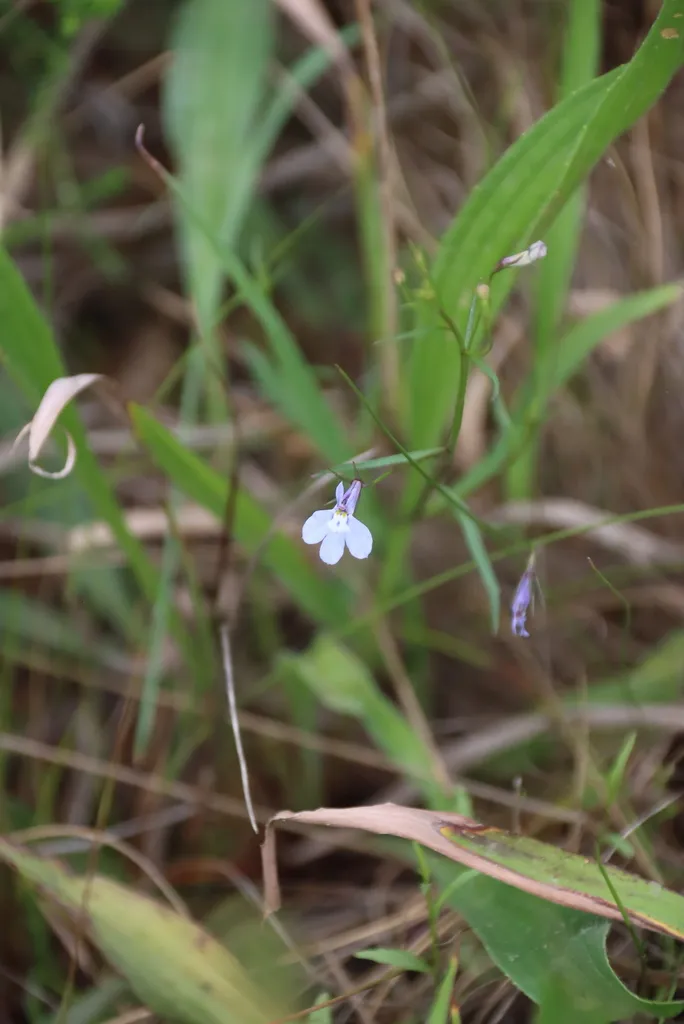
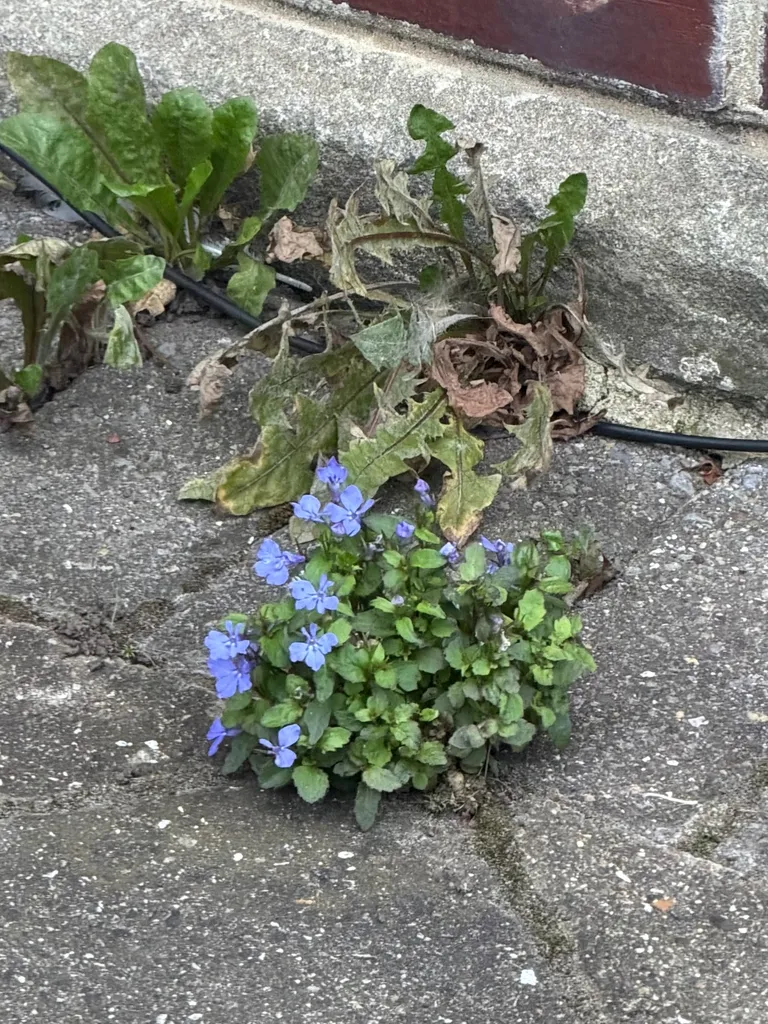
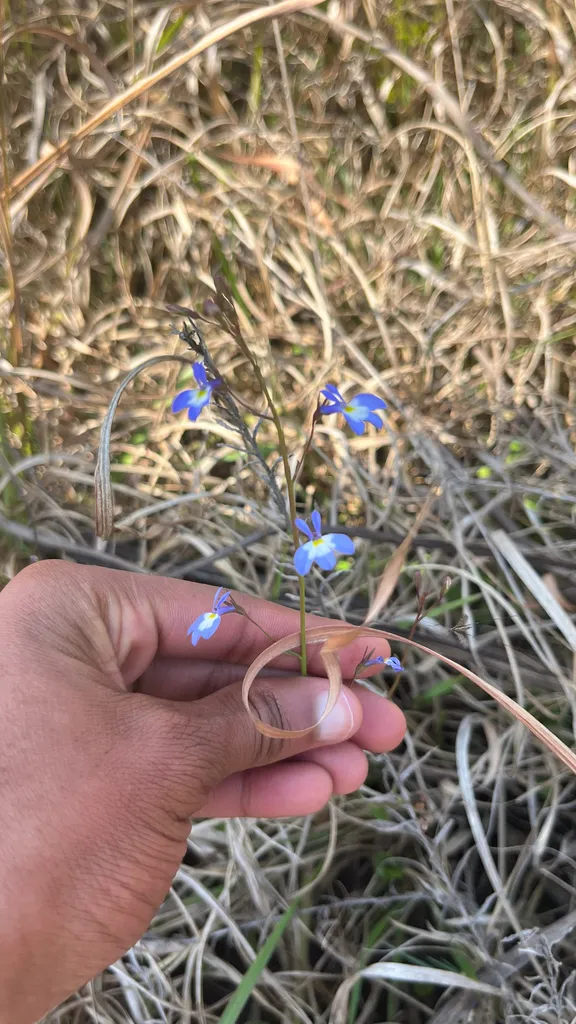
A trailing, tender perennial grown as an annual, with fine, spreading stems, tiny leaves and masses of small flowers from late spring until autumn. In the wild, the species has blue to violet flowers and dark green leaves; in gardens, cultivars may be trailing or bushy, have pale, mid- or dark green leaves, sometimes flushed with bronze, with white, pale, mid- or dark blue, or purple flowers
Scientific classification
- Species
- trailing lobelia (Lobelia erinus)
- Genus
- Lobelia
- Family
- Campanulaceae
- Information to be completed
- Toxicity
- Annual Biennial · Bedding
- Plant type
- 0.1-0.5 metres
- Height
- 0.1-0.5 metres
- Spread
- Deciduous
- Foliage
- Trailing
- Habit
- Spring · Summer · Autumn
- Season of interest
- Full sun · Partial shade
- Sunlight
- Information to be completed
- Ideal temperature









trailing lobelia pictures
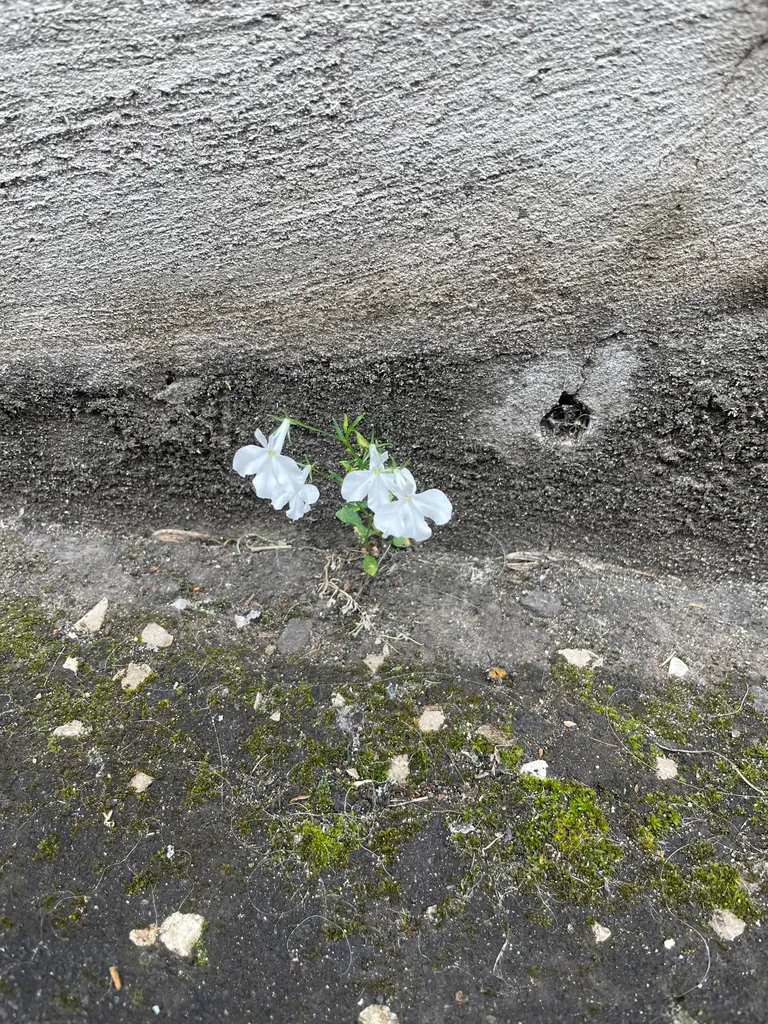
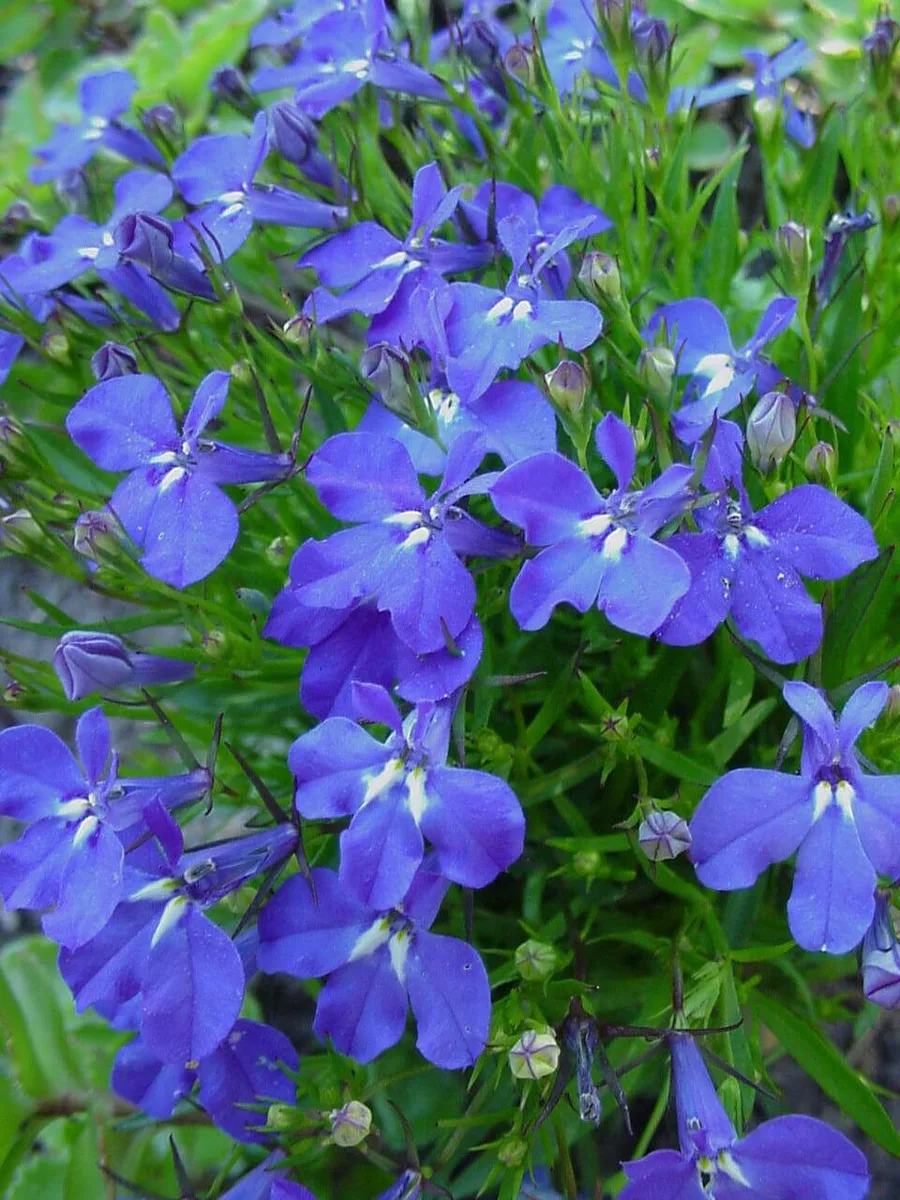
Distribution of trailing lobelia
Distribution map
- Native
- Introduced
- Cultivated
Source:WCVP v16 · Royal Botanic Gardens, Kew · CC BY 3.0 · Boundaries:WGSRPD / TDWG
Culture
Information to be completed
Toxicity
Information to be completed
Quick identification of trailing lobelia
Information to be completed
trailing lobelia care guide
- Keep soil evenly moist with free drainage
- Watering
- Full sun · Partial shade
- Sunlight
- Information to be completed
- Ideal temperature

Watering
Keep soil evenly moist with free drainage
Fertilizing
 Fertilizing
Light balanced feed during active growth season
Pruning
 Pruning
No pruning required
Propagation
 Propagation
Propagate by seed sown at 13-18ºC in late winter
Growing
 Growing
Grow in deep, fertile, reliably moist soil in full sun or partial shade. For best results apply a balanced fertiliser every two weeks during spring and early summer and a nitrogen-free fertiliser every two weeks from mid-summer onwards
People also ask
Information to be completed
Common pests and diseases
Diseases
Generally disease-free
Pests
May be susceptible to slugs and snails
Explore the plant health library →




