
common oak
Also known as: aac; black oak; English oak; French oak; pedunculate oak; Polish oak; Slavonian oak
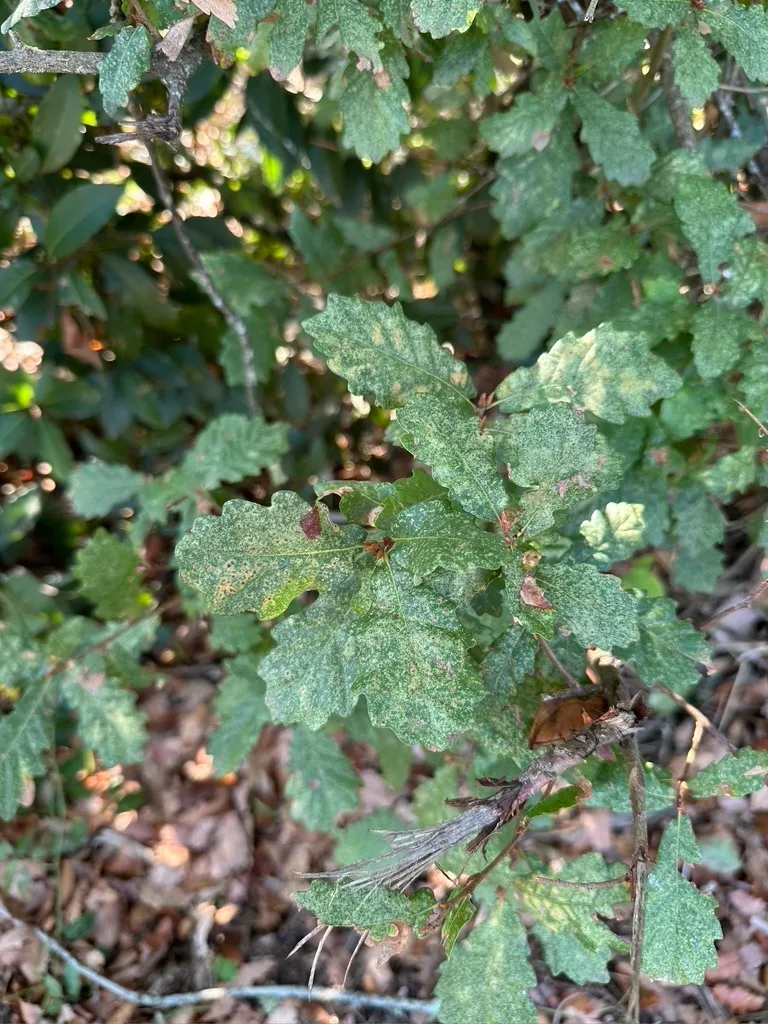
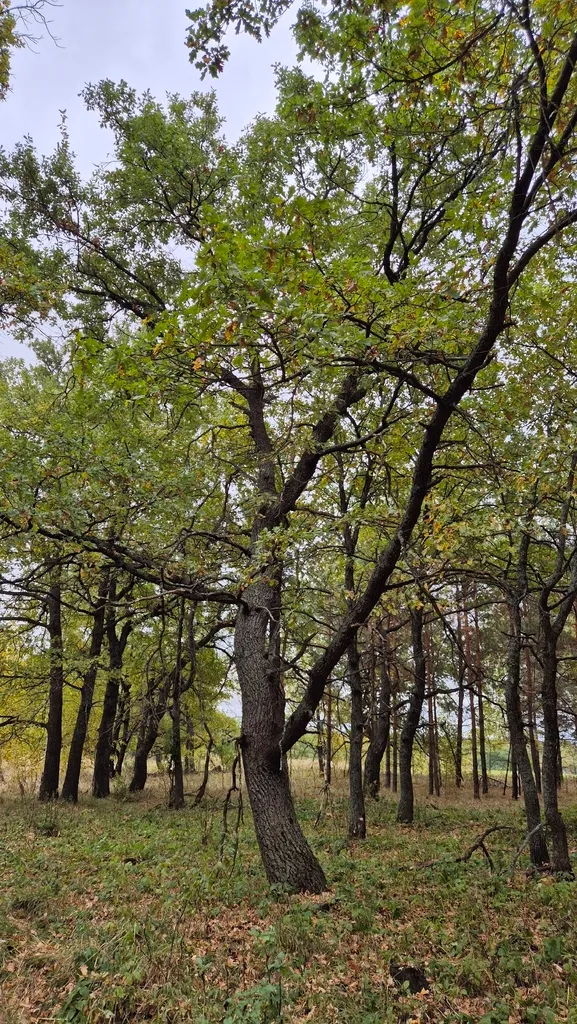
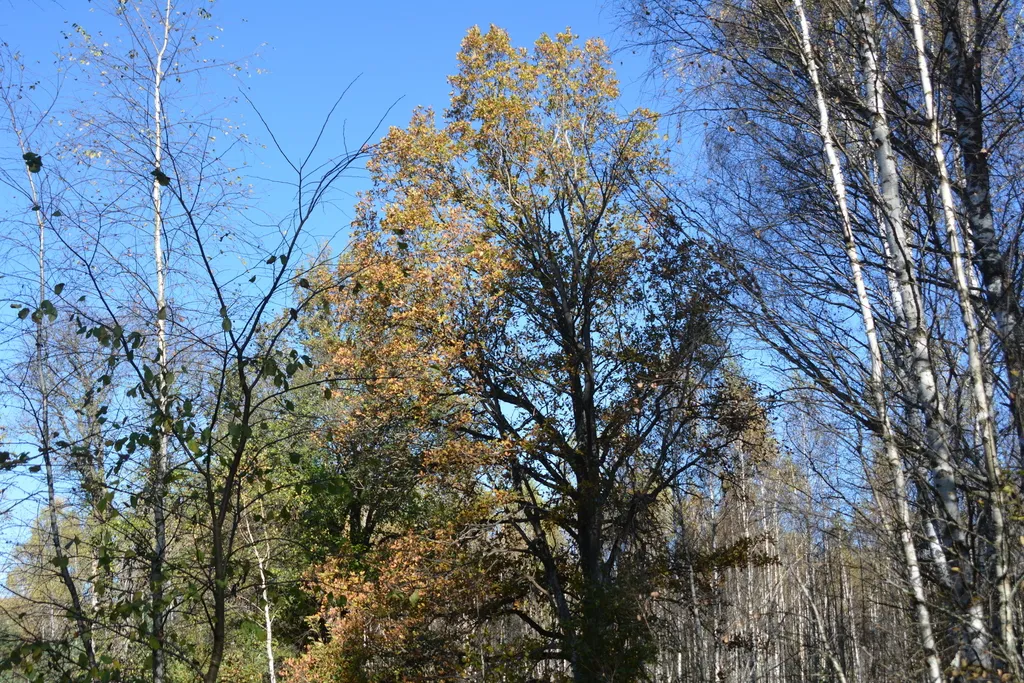
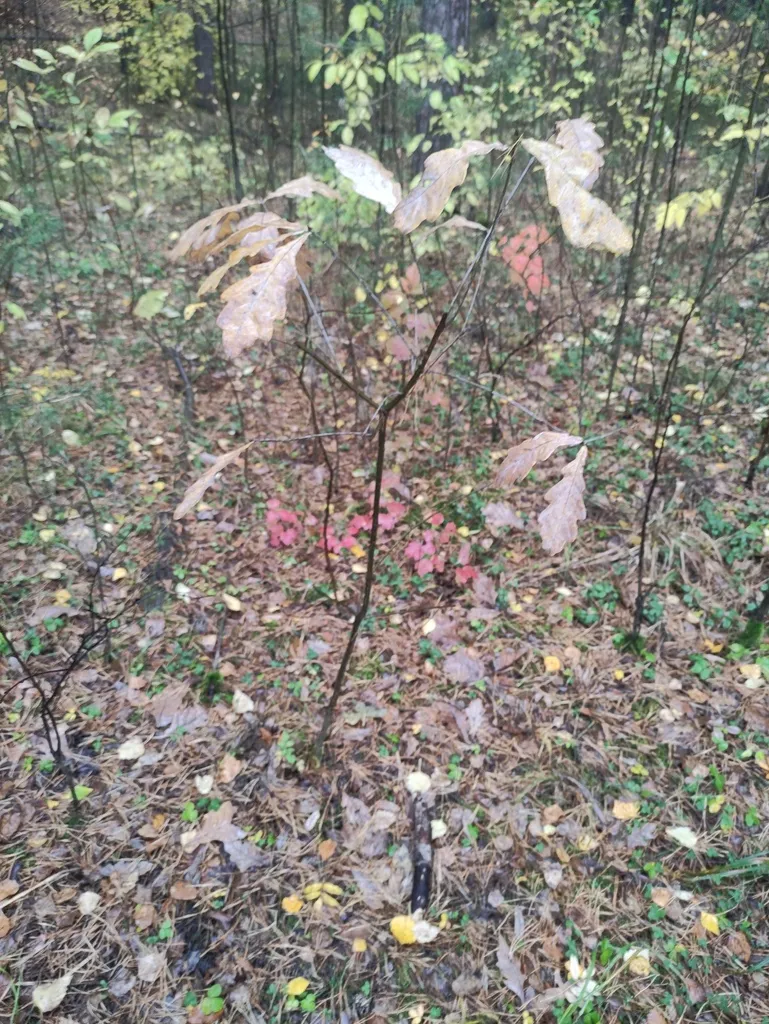
A large, deciduous tree potentially reaching a mature height of between 20 to 40m in height, with a magnificent broad crown and strong branches beneath. Dark green, rounded and lobed foliage, smooth at the edges, turns reddish-brown in autumn. Inconspicuous, long, yellow-green catkins appear in spring, followed by green acorns, ripening to brown, around 2-2.5 cm long. Sadly the oak is in decline, but still commonly found across the United Kingdom, especially in Southern and Central areas, and an important food source and shelter for a whole range of small mammals, birds and insects
Scientific classification
- Species
- common oak (Quercus robur)
- Genus
- Quercus
- Family
- Fagaceae
- Information to be completed
- Toxicity
- Trees
- Plant type
- Higher than 12 metres
- Height
- wider than 8 metres
- Spread
- Deciduous
- Foliage
- Information to be completed
- Habit
- Autumn · Spring · Summer
- Season of interest
- Full sun · Partial shade
- Sunlight
- Information to be completed
- Ideal temperature









common oak pictures
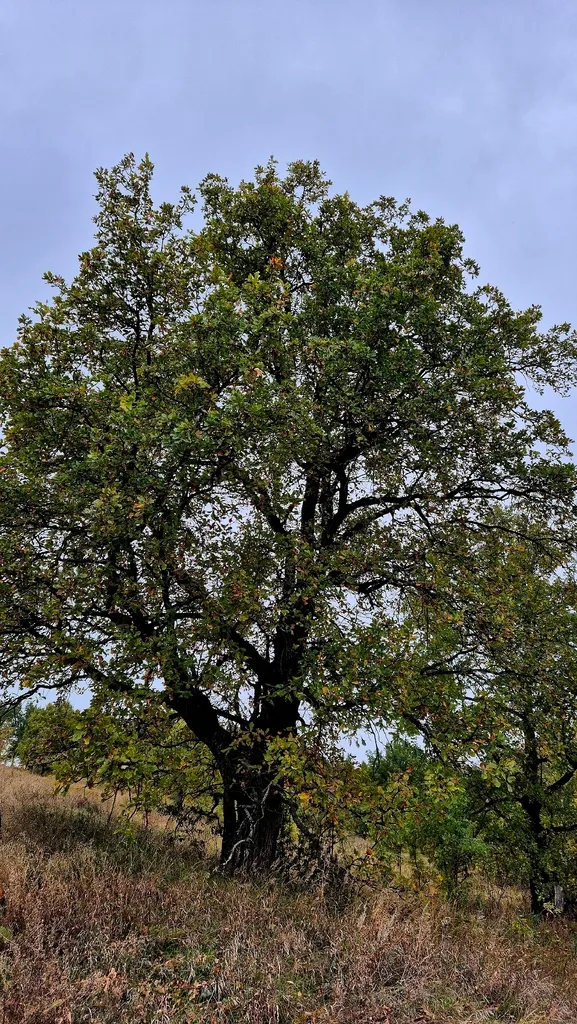
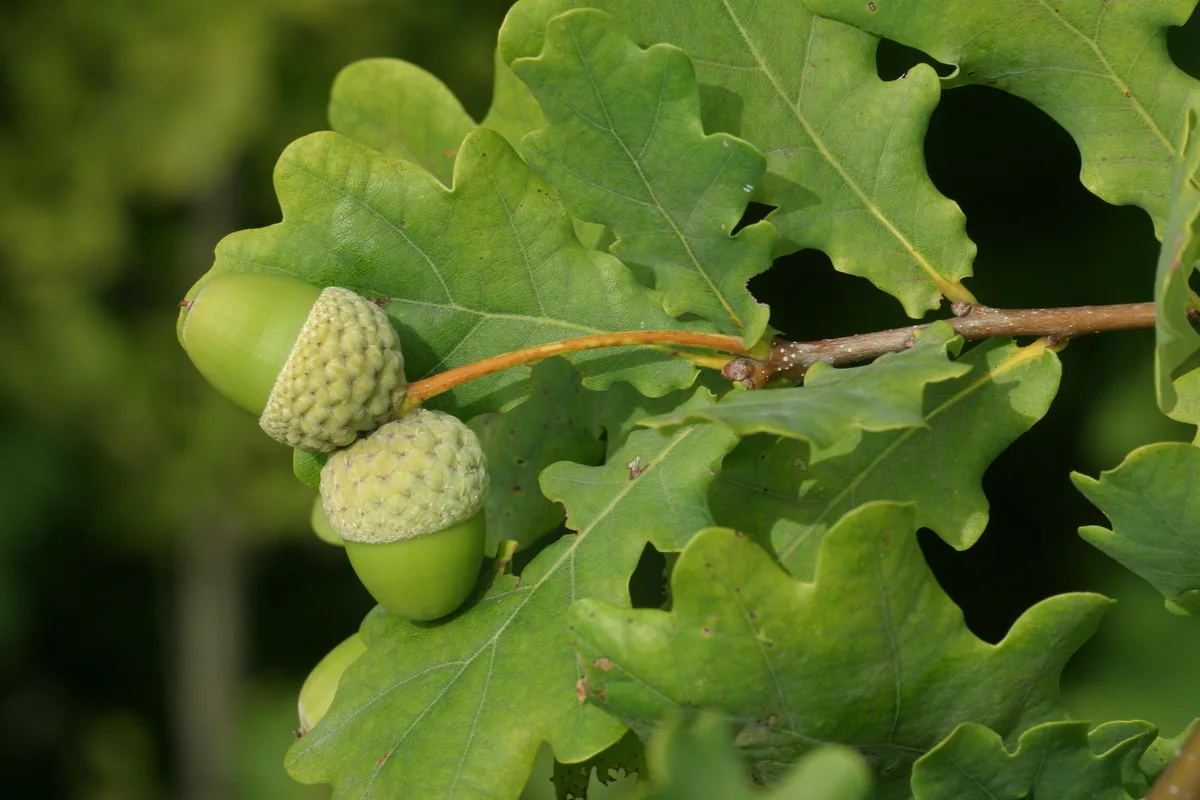
Distribution of common oak
Distribution map
Europe, Southwestern Asia
Information to be completed
Culture
Information to be completed
Toxicity
Information to be completed
Quick identification of common oak
Information to be completed
common oak care guide
- Deep root watering biweekly, tolerate mild seasonal drought
- Watering
- Full sun · Partial shade
- Sunlight
- Information to be completed
- Ideal temperature

Watering
Deep root watering biweekly, tolerate mild seasonal drought
Fertilizing
 Fertilizing
Slow release tree fertilizer top dressed at the start of spring
Pruning
 Pruning
Little pruning is needed. Remove diseased, damaged, crowded or crossing shoots and unwanted growth. Timing depends on the plant: generally late winter or early spring; plants prone to bleeding and deciduous magnolias need different timing, and deciduous azaleas and lilacs are pruned after flowering.
Propagation
 Propagation
Propagate by seed, sown as soon as ripe, in a cold frame
Growing
 Growing
Grows well in most deep, moist but well-drained fertile soils and is lime tolerant. Many acorns are eaten by wildlife before they are able to germinate. See tree cultivation and oak decline for further information
People also ask
Information to be completed
Common pests and diseases
Diseases
May be susceptible to powdery mildews and honey fungus
Pests
May be susceptible to oak processionary moth, aphids, caterpillars, leaf-mining moths and oak gall wasps
Explore the plant health library →




