
love-lies-bleeding
Also known as: careless; chenile plant; flamor; Inca wheat; lady's riding whip; teasel flower; thrumwort; velvet flower; cat tail; tassel flower; tumbleweed
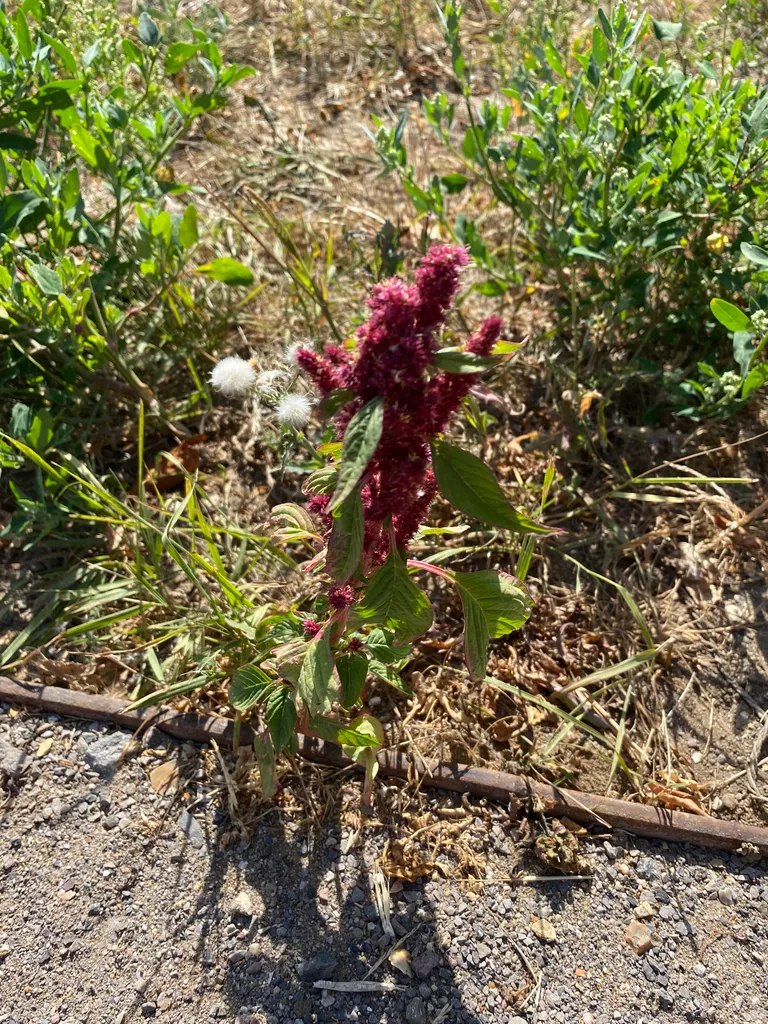
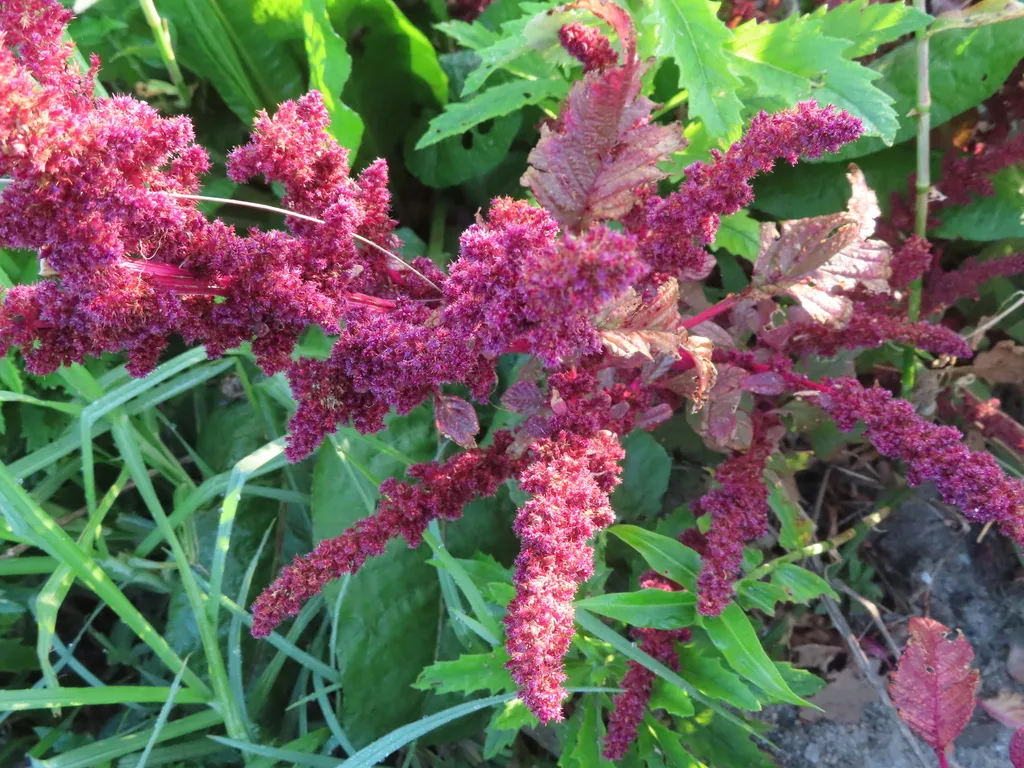
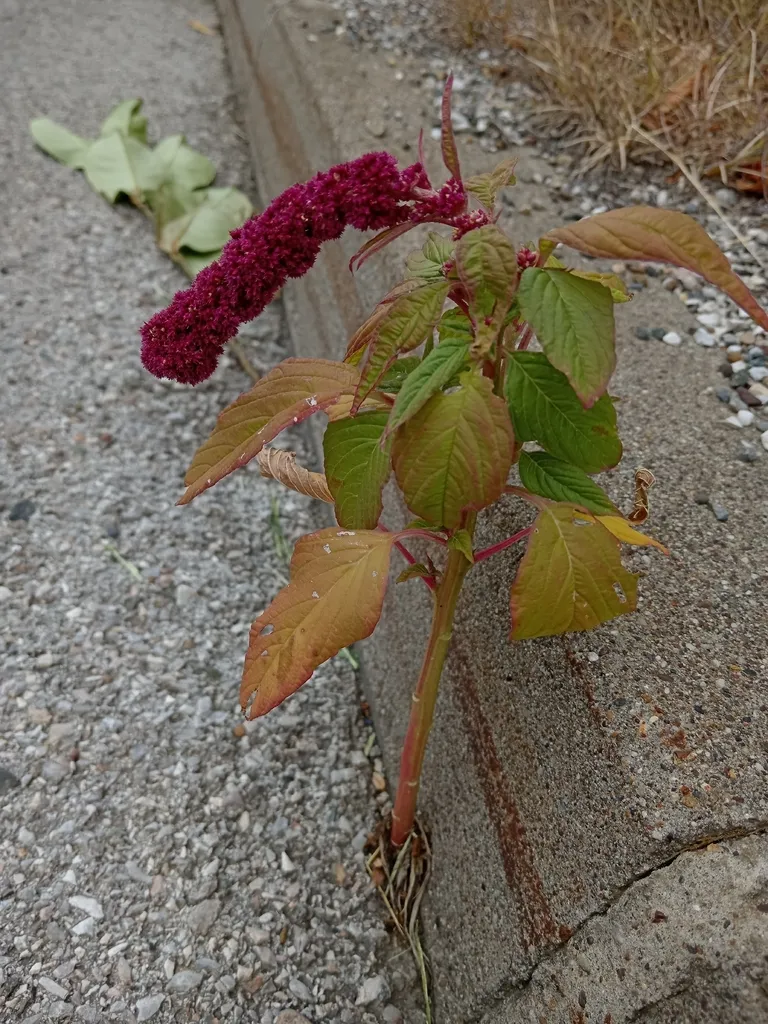
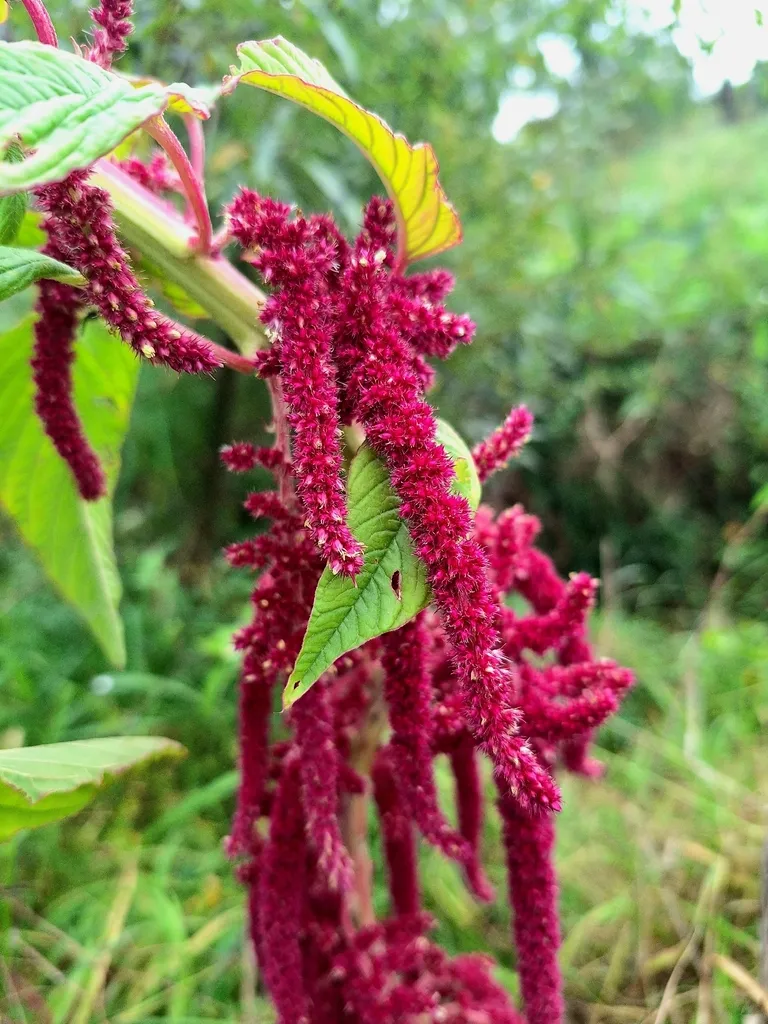
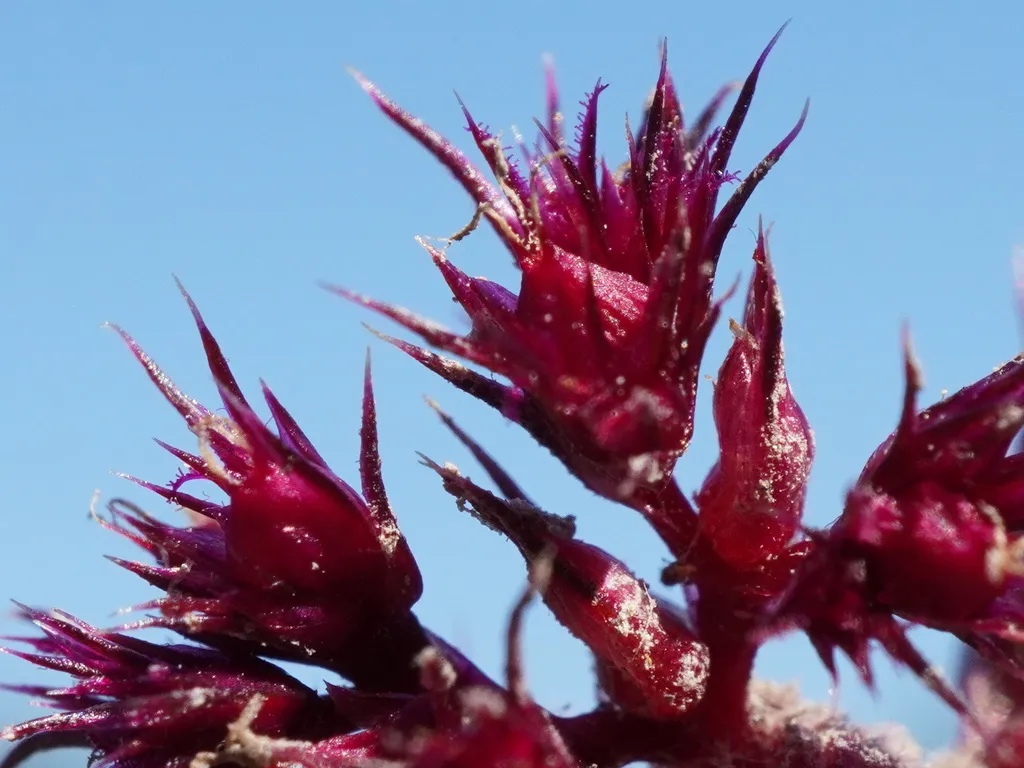
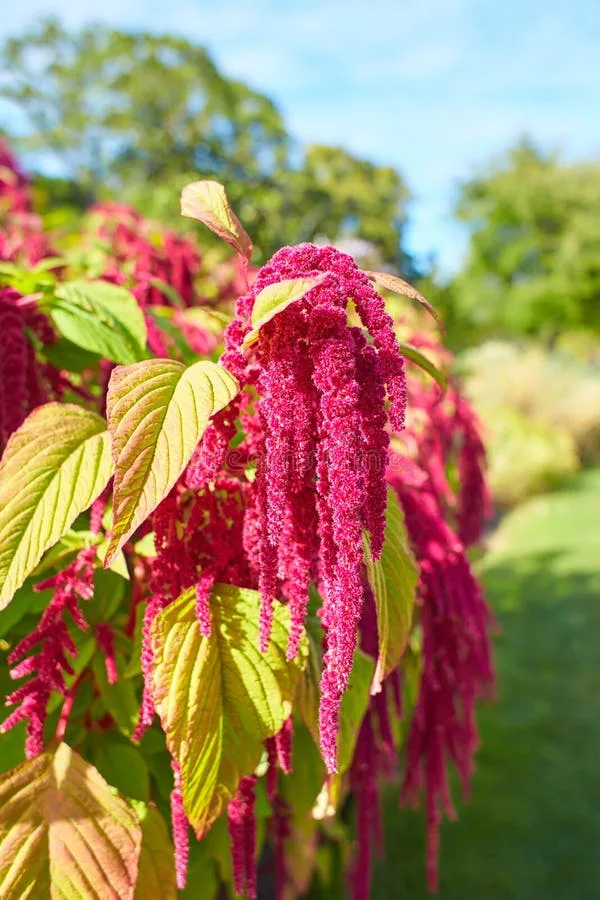
A bushy, erect annual or biennial, with large ovate leaves and drooping, crimson tassel-like racemes of tiny flowers in summer and autumn
Scientific classification
- Species
- love-lies-bleeding (Amaranthus caudatus)
- Genus
- Amaranthus
- Family
- Amaranthaceae
- Order
- Caryophyllales
- Class
- Magnoliopsida
- Phylum
- Magnoliophyta
- Information to be completed
- Toxicity
- Annual Biennial · Bedding
- Plant type
- 1-1.5 metres
- Height
- 0.5-1 metres
- Spread
- Deciduous
- Foliage
- Bushy
- Habit
- Spring · Summer · Autumn
- Season of interest
- Full sun
- Sunlight
- Information to be completed
- Ideal temperature









love-lies-bleeding pictures
Distribution of love-lies-bleeding
Distribution map
- Native
- Introduced
- Cultivated
Source:WCVP v16 · Royal Botanic Gardens, Kew · CC BY 3.0 · Boundaries:WGSRPD / TDWG
love-lies-bleeding care guide
- Keep soil evenly moist in warm growth, never letting roots bake dry
- Watering
- Full sun
- Sunlight

Watering
Keep soil evenly moist in warm growth, never letting roots bake dry
Fertilizing
 Fertilizing
Balanced feed every two to three weeks during vigorous summer growth
Pruning
 Pruning
Cut back after flowering
Propagation
 Propagation
Propagate by seed sown in-situ in mid-spring , thin to 60cm apart
Growing
 Growing
Grow in moist, fertile, humus-rich soil in full sun, in a sheltered site. Will tolerate poor soil, but then requires watering freely during dry periods in summer. Large enough to make an architectural feature, the flowers can be used for fresh or dried arrangements and birds love the seedheads
Common pests and diseases
Diseases
May be susceptible to a virus
Pests
May be susceptible to aphids
Explore the plant health library →




