
lavender 'Fathead'
Also known as: Information to be completed
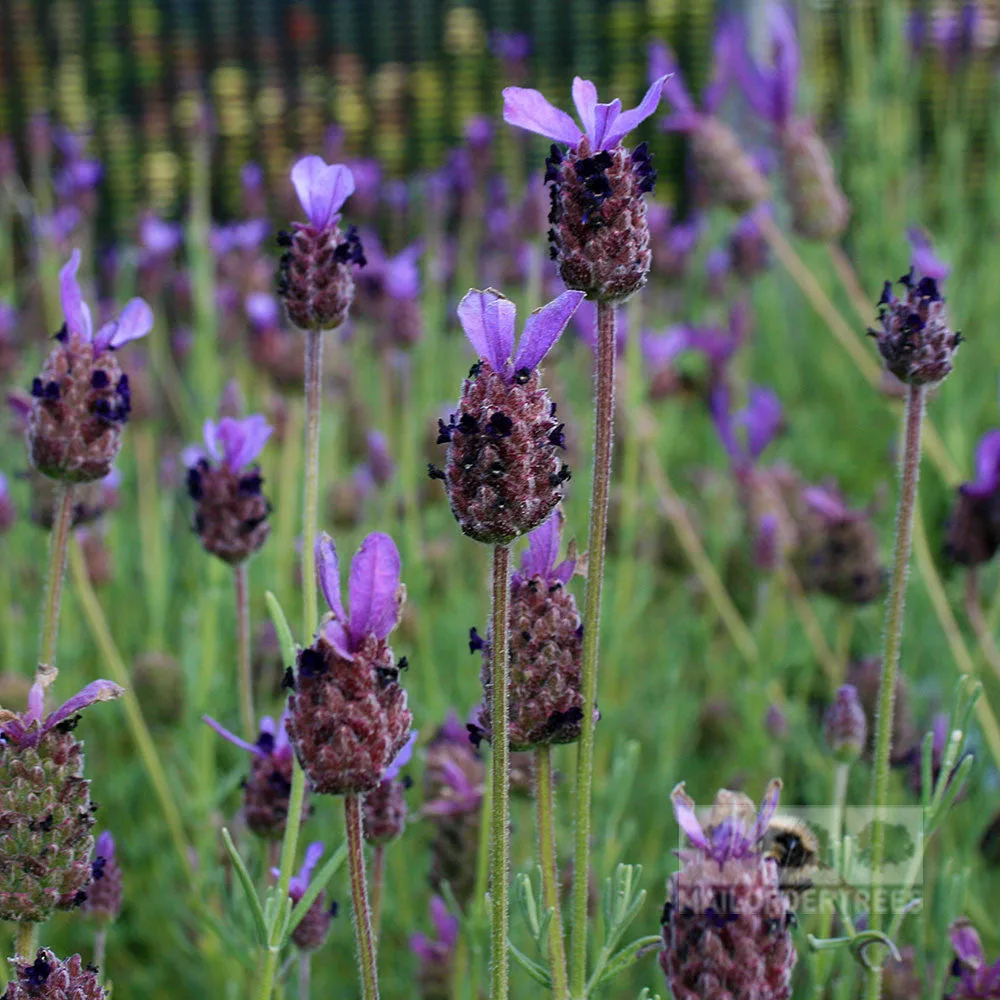
A compact cultivar with silvery-green foliage that bears chubby, purple flowerheads topped with paler purple "ears" or bracts over a long period
Scientific classification
- Species
- lavender 'Fathead' (Lavandula 'Fathead')
- Genus
- Lavandula
- Family
- Lamiaceae
- Information to be completed
- Toxicity
- Shrubs
- Plant type
- 0.1-0.5 metres
- Height
- 0.5-1 metres
- Spread
- Evergreen
- Foliage
- Bushy
- Habit
- Spring · Summer · Autumn · Winter
- Season of interest
- Full sun
- Sunlight
- Information to be completed
- Ideal temperature









lavender 'Fathead' pictures
Distribution of lavender 'Fathead'
Distribution map
Information to be completed
Information to be completed
Culture
Information to be completed
Toxicity
Information to be completed
Quick identification of lavender 'Fathead'
Information to be completed
lavender 'Fathead' care guide
- Moderate regular watering, allowing brief slight drying between soakings
- Watering
- Full sun
- Sunlight
- Information to be completed
- Ideal temperature

Watering
Moderate regular watering, allowing brief slight drying between soakings
Fertilizing
 Fertilizing
Balanced perennial feed every four weeks from spring through summer
Pruning
 Pruning
Shorten flowered shoots to about 1.5–2.5 cm from the previous year's growth. If flowering is on last year's growth, prune after flowering; if on current-year growth, prune the following early to mid-spring.
Propagation
 Propagation
Propagate by semi-ripe cuttings in summer
Growing
 Growing
Grow in sharply-drained soil in full sun. See lavender cultivation for further advice
People also ask
Information to be completed
Common pests and diseases
Diseases
May be susceptible to grey moulds (Botrytis) and honey fungus (rarely)
Pests
May be susceptible to rosemary beetle and cuckoo spit (froghoppers)
Explore the plant health library →




