
Natalie's ramonda
Also known as: Information to be completed
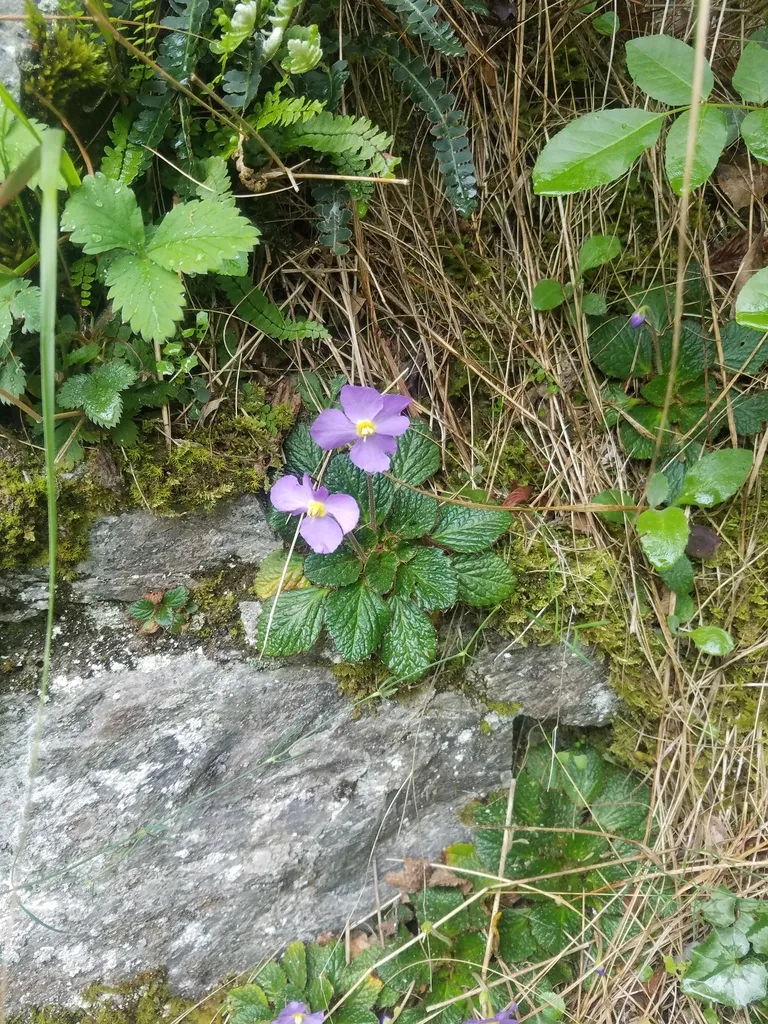
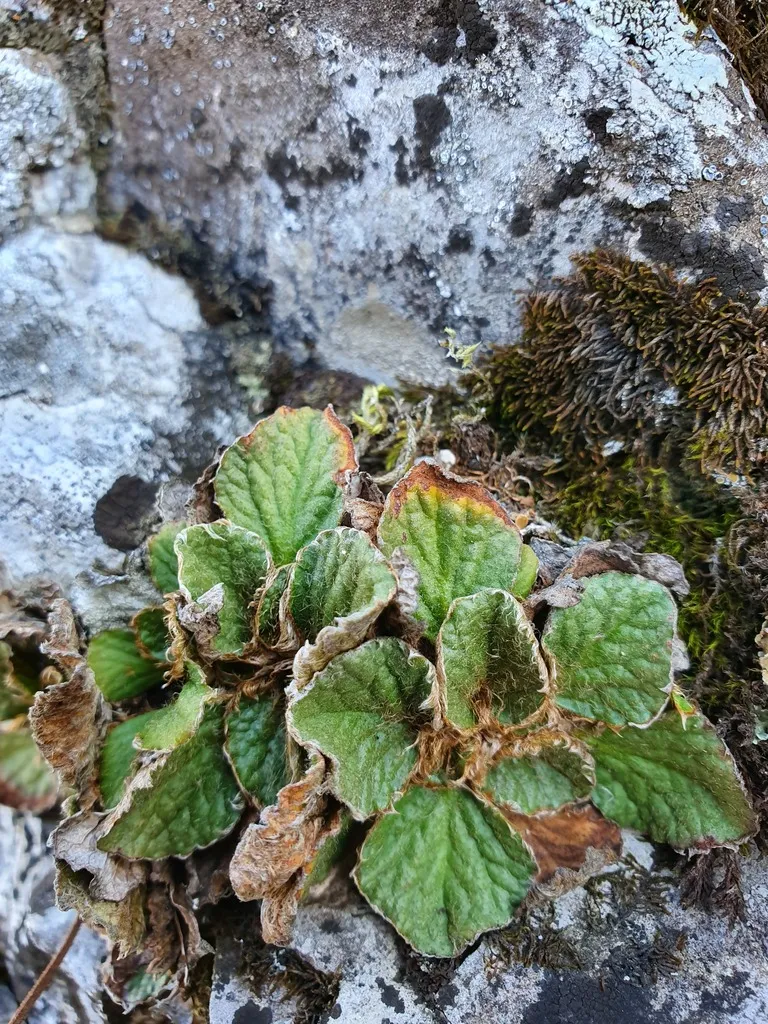
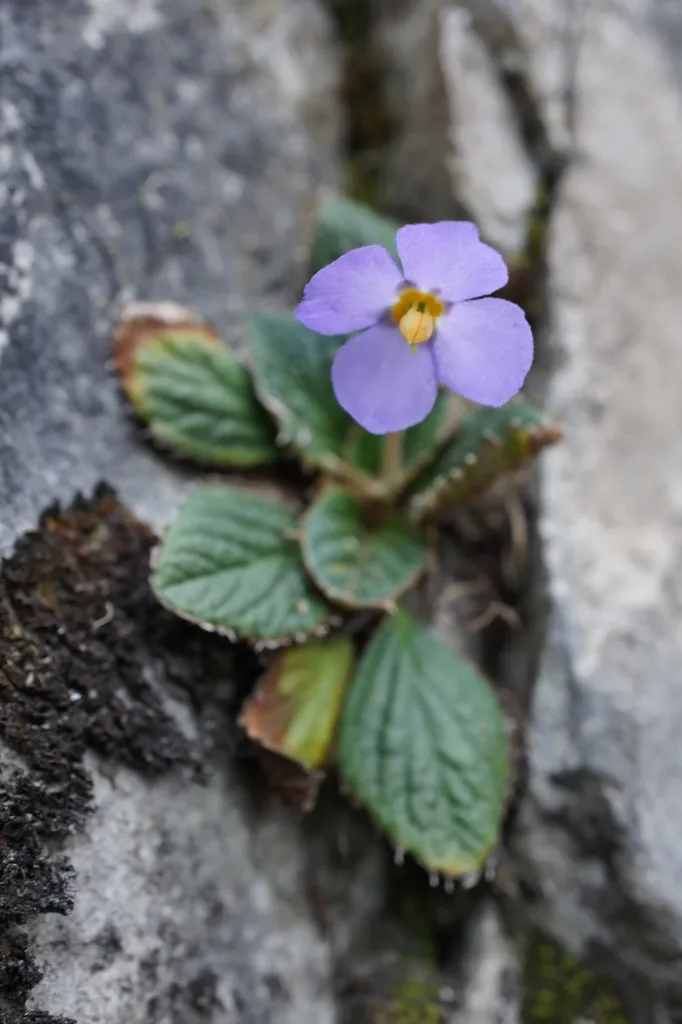
R. nathaliae is a low-growing perennial producing rosettes of pale, evergreen leaves about 5cm long. The small clusters of saucer-shaped, deep mauve-blue flowers are produced in late spring and early summer
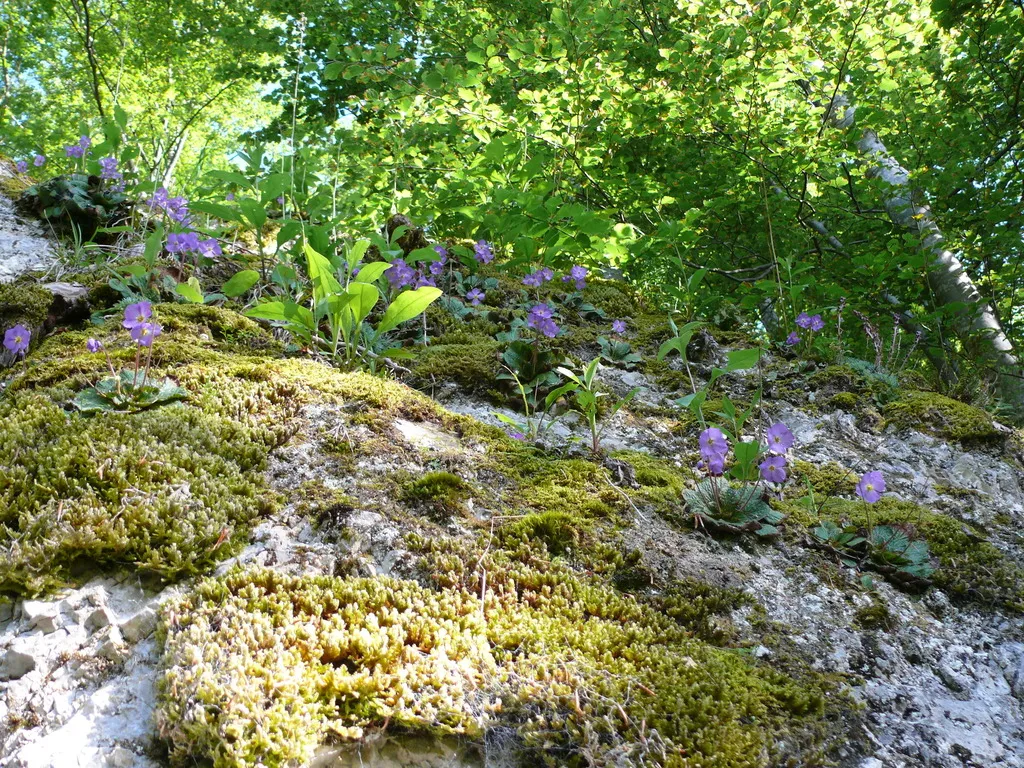
Scientific classification
- Species
- Natalie's ramonda (Ramonda nathaliae)
- Genus
- Ramonda
- Family
- Gesneriaceae
- Order
- Lamiales
- Class
- Magnoliopsida
- Phylum
- Magnoliophyta
- Information to be completed
- Toxicity
- Alpine Rockery
- Plant type
- Up to 10 cm
- Height
- 0-0.1 metre
- Spread
- Evergreen
- Foliage
- Clump forming
- Habit
- Spring · Summer · Autumn · Winter
- Season of interest
- Partial shade
- Sunlight
- Information to be completed
- Ideal temperature









Natalie's ramonda pictures
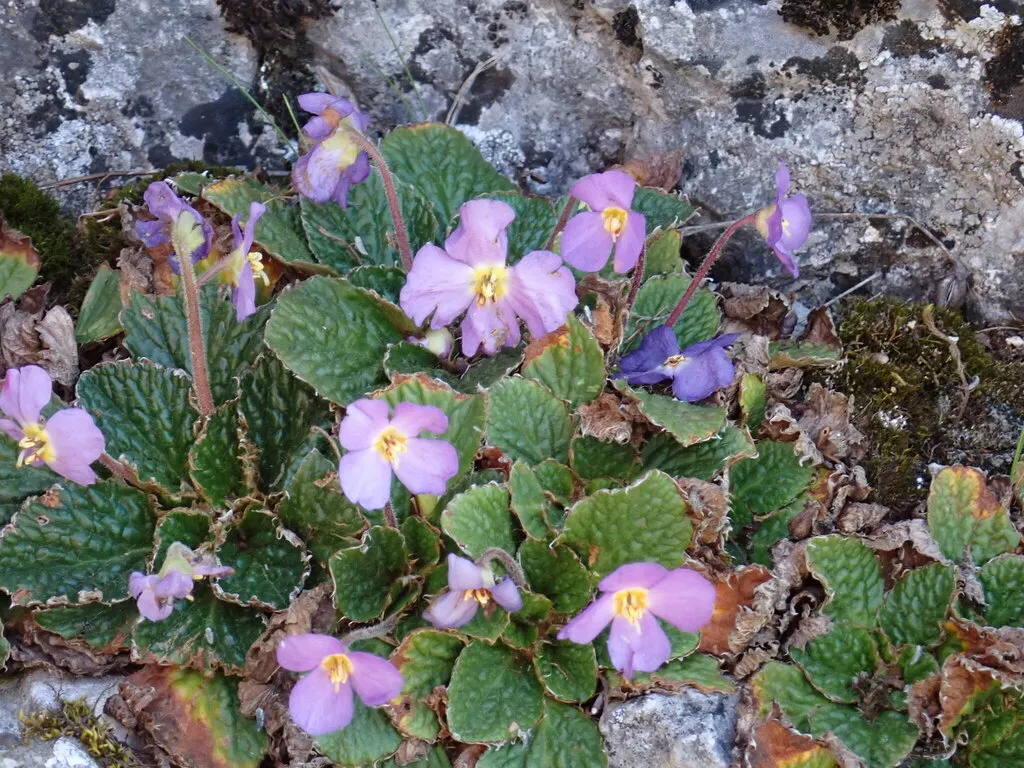
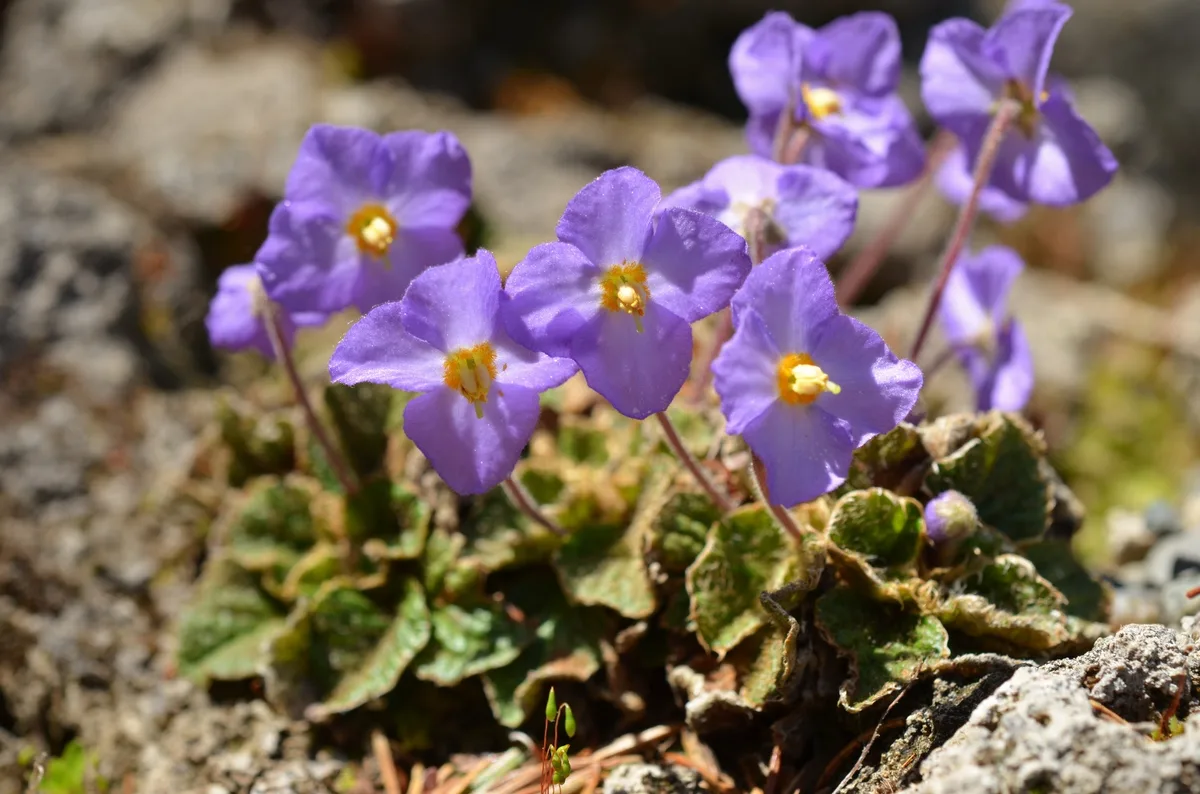
Distribution of Natalie's ramonda
Distribution map
- Native
- Introduced
- Cultivated
Source:WCVP v16 · Royal Botanic Gardens, Kew · CC BY 3.0 · Boundaries:WGSRPD / TDWG
Natalie's ramonda care guide
- Moderate regular watering, allowing brief slight drying between soakings
- Watering
- Partial shade
- Sunlight

Watering
Moderate regular watering, allowing brief slight drying between soakings
Fertilizing
 Fertilizing
Balanced perennial feed every four weeks from spring through summer
Pruning
 Pruning
No pruning required
Propagation
 Propagation
Propagate by seed or root leaf cuttings in early autumn
Growing
 Growing
Grow in moderately fertile, humus-rich, moist but well-drained soil in partial shade. Plants grow best on their sides to avoid accumulations of moisture in the rosettes, which may cause rotting in winter
Common pests and diseases
Diseases
Generally disease free
Pests
Slugs and snails may be a problem
Explore the plant health library →




