
bean (runner) 'White Lady'
Also known as: Information to be completed
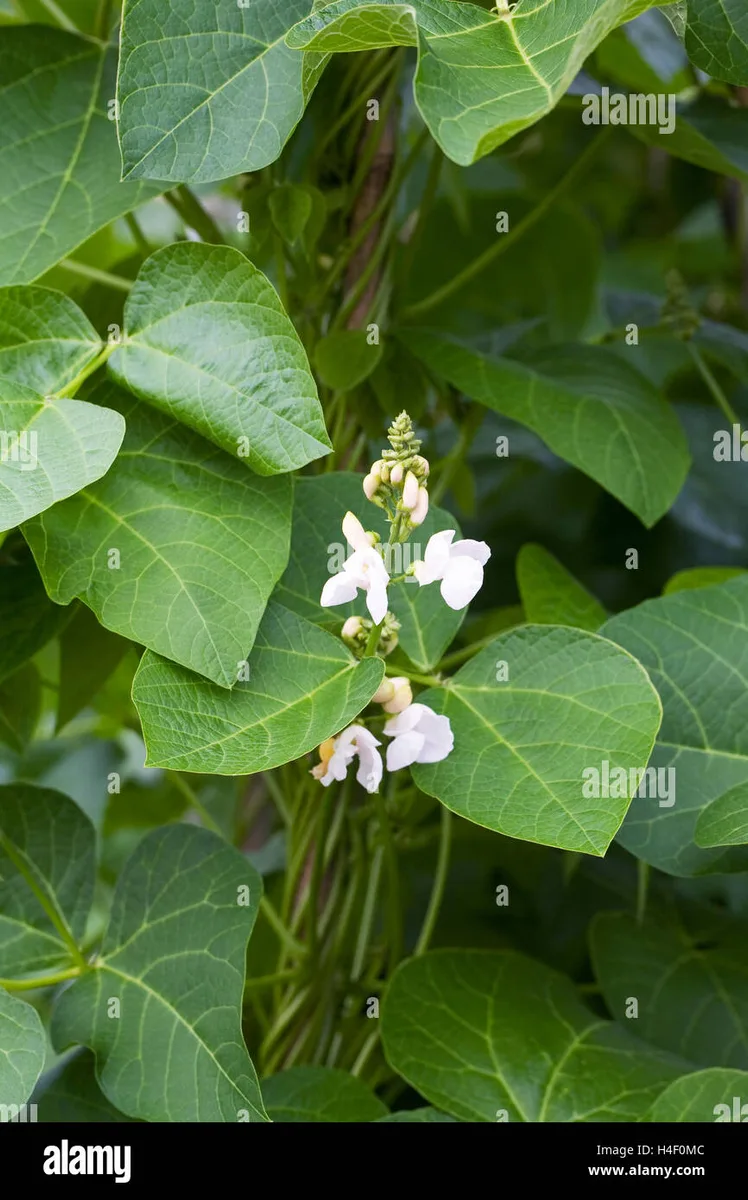
A climbing perennial, often grown as an annual. White flowers appear throughout the summer and early autumn which turn into thick, green, juicy pods
Scientific classification
- Species
- bean (runner) 'White Lady' (Phaseolus coccineus 'White Lady')
- Genus
- Phaseolus
- Family
- Fabaceae
- Order
- Fabales
- Class
- Magnoliopsida
- Phylum
- Magnoliophyta
- Raw pods/beans harmful if eaten. Wear gloves and other protective equipment when handling
- Toxicity
- Herbaceous Perennial
- Plant type
- 1.5-2.5 metres
- Height
- 0.5-1 metres
- Spread
- Deciduous
- Foliage
- Climbing
- Habit
- Spring · Summer · Autumn
- Season of interest
- Full sun · Partial shade
- Sunlight
- Information to be completed
- Ideal temperature









bean (runner) 'White Lady' pictures
Distribution of bean (runner) 'White Lady'
Distribution map
- Native
- Introduced
- Cultivated
Source:WCVP v16 · Royal Botanic Gardens, Kew · CC BY 3.0 · Boundaries:WGSRPD / TDWG
Toxicity
Raw pods/beans harmful if eaten. Wear gloves and other protective equipment when handling
bean (runner) 'White Lady' care guide
- Even soil moisture supply, keep roots hydrated during pod development stage
- Watering
- Full sun · Partial shade
- Sunlight

Watering
Even soil moisture supply, keep roots hydrated during pod development stage
Fertilizing
 Fertilizing
Low-nitrogen vegetable feed every three weeks before pod formation
Pruning
 Pruning
None required
Propagation
 Propagation
Propagate by seed
Growing
 Growing
Start from seed in a heated greenhouse or on a warm windowsill. Plant outside once all risk of frost has passed in a warm, sunny, sheltered site; incorporate well-rotted manure into soil before planting and keep the soil moist when plants are flowering to ensure good fruit set. See runner-bean cultivation for further advice
Common pests and diseases
Diseases
May be affected by chocolate spot, downy mildew, foot and root rot and powdery mildews
Pests
May be susceptible to black bean aphids. Young plants also need protection from slugs and snails
Explore the plant health library →




