
Persian buttercup
Also known as: garden ranunculus
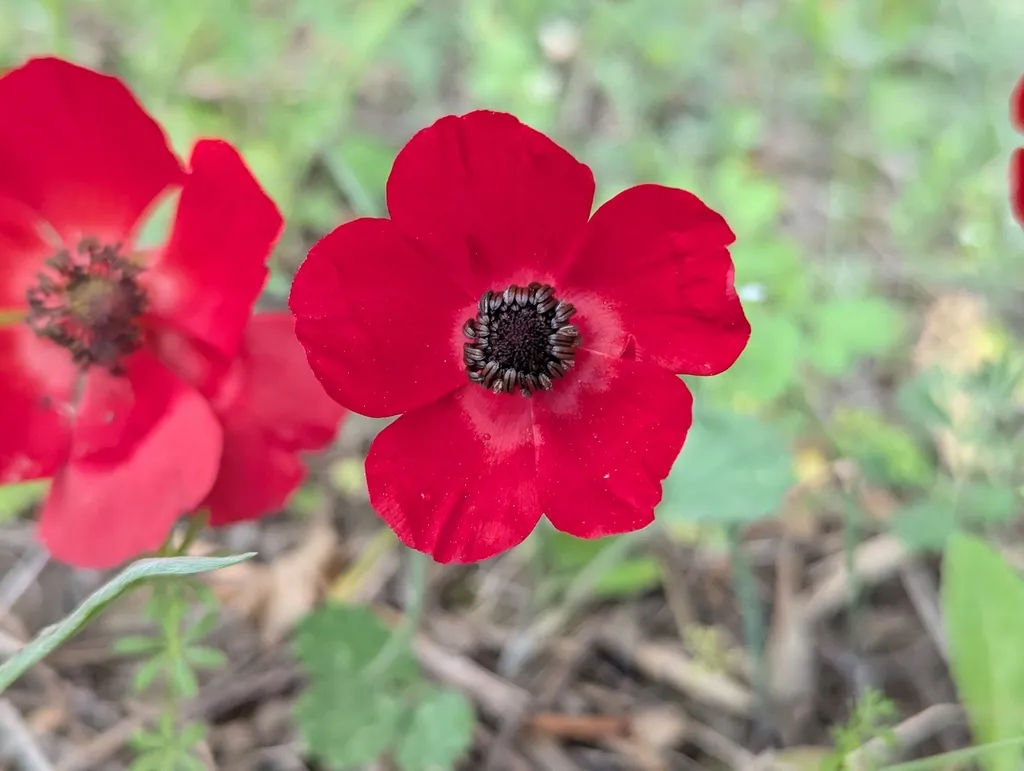
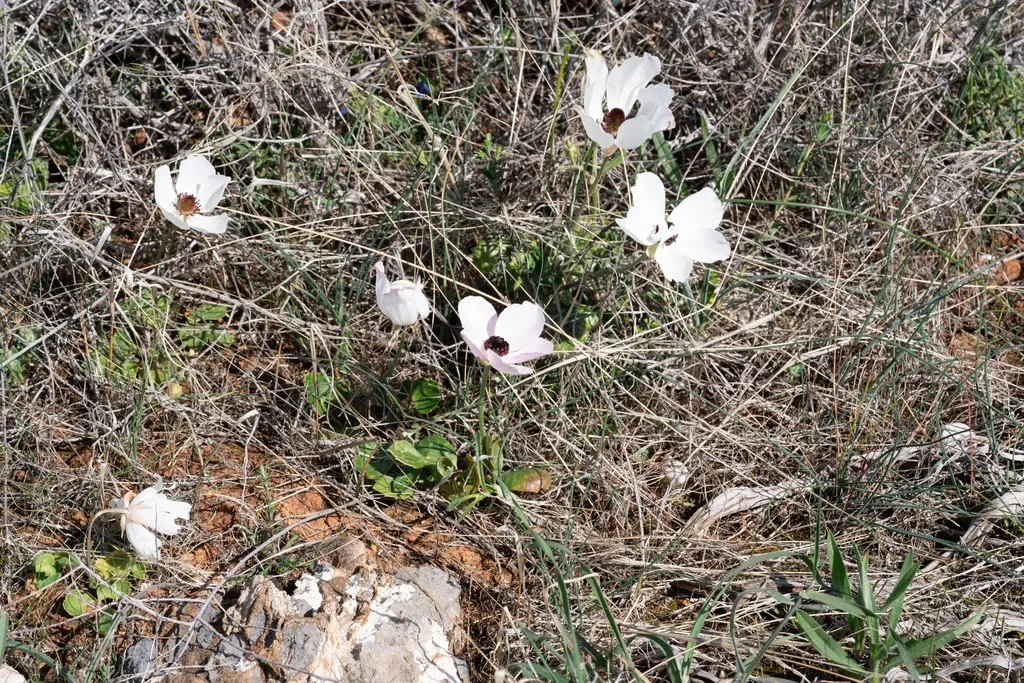
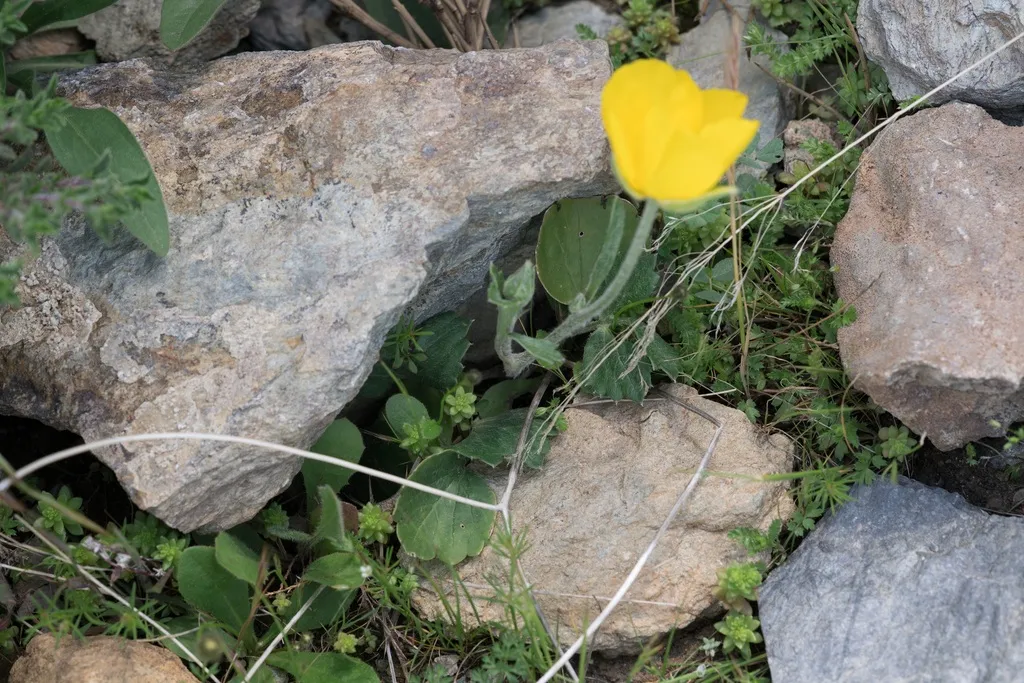
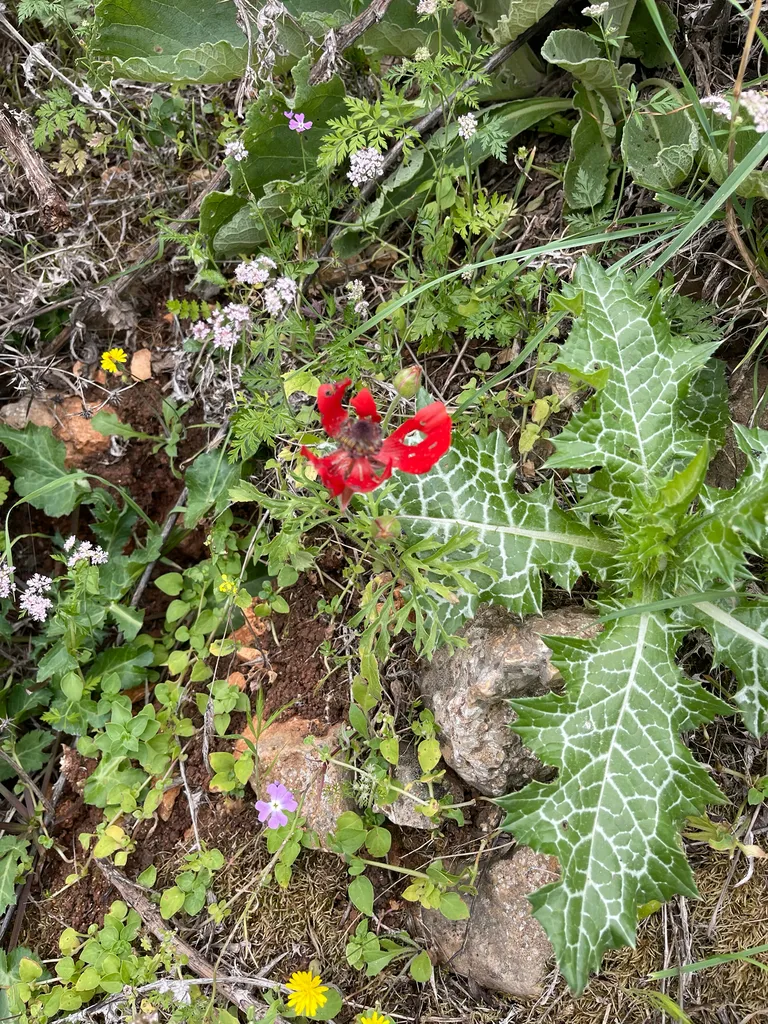
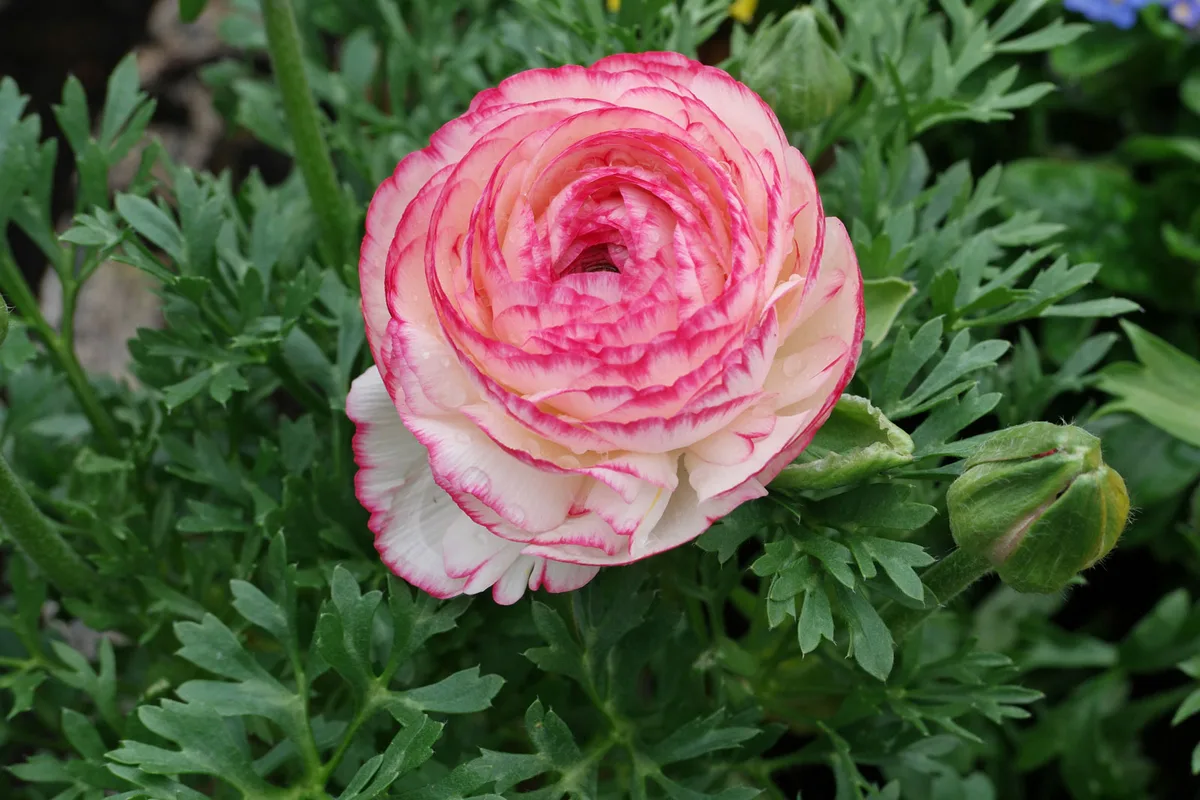
R. asiaticus is a tuberous perennial with long-stalked, deeply lobed leaves. Branched flowering stems bear one to four single, cup-shaped, red, pink, yellow or white flowers with black centres in late spring and early summer
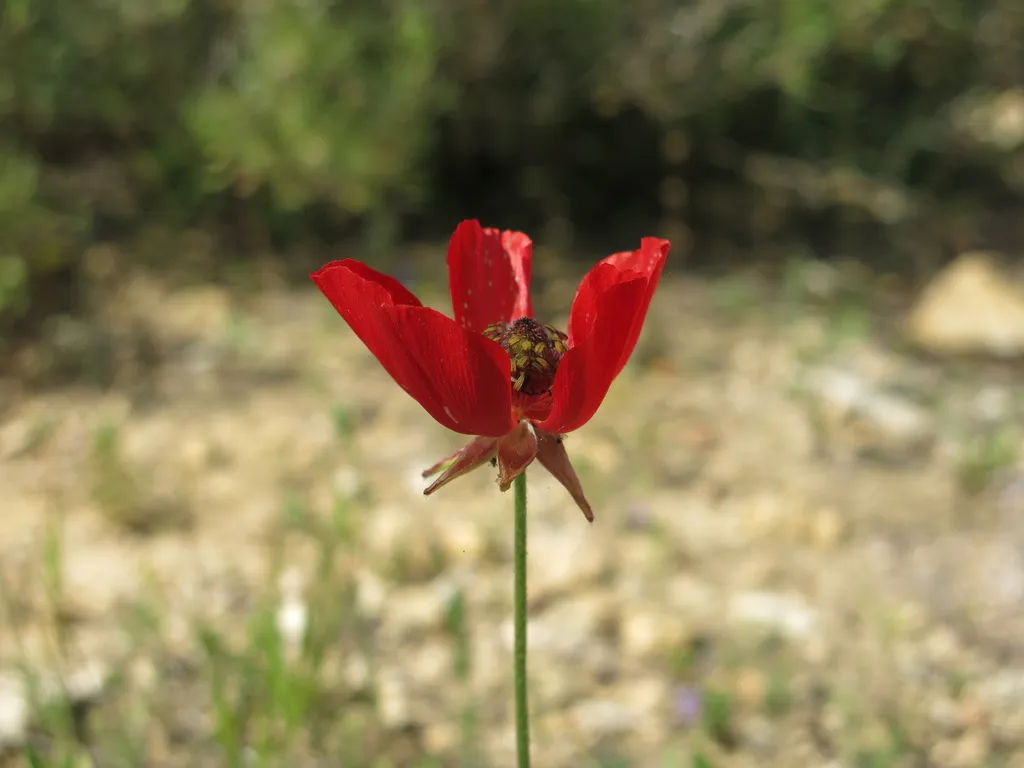
Scientific classification
- Species
- Persian buttercup (Ranunculus asiaticus)
- Genus
- Ranunculus
- Family
- Ranunculaceae
- Harmful if eaten, skin irritant. Wear gloves and other protective equipment when handling]
- Toxicity
- Herbaceous Perennial
- Plant type
- 0.1-0.5 metres
- Height
- 0.1-0.5 metres
- Spread
- Deciduous
- Foliage
- Bushy
- Habit
- Spring · Summer
- Season of interest
- Full sun
- Sunlight
- Information to be completed
- Ideal temperature









Persian buttercup pictures
Distribution of Persian buttercup
Distribution map
Southern Europe, Southwestern Asia
Information to be completed
Culture
Information to be completed
Toxicity
Harmful if eaten, skin irritant. Wear gloves and other protective equipment when handling]
Quick identification of Persian buttercup
Information to be completed
Persian buttercup care guide
- Keep soil evenly moist
- Watering
- Full sun
- Sunlight
- Information to be completed
- Ideal temperature

Watering
Keep soil evenly moist
Fertilizing
 Fertilizing
Every two weeks during growing season
Pruning
 Pruning
No pruning needed
Propagation
 Propagation
Propagate by seed sown in containers in a cold frame as soon as ripe, or divide in spring or autumn
Growing
 Growing
Requires a dry, dormant period in summer; grows best in containers with a mix of equal parts loam, leaf mould and grit under unheated glass with good light and ventilation
People also ask
Information to be completed
Common pests and diseases
Diseases
May be susceptible to powdery mildews
Pests
May be susceptible to aphids, slugs and snails
Explore the plant health library →




