
bulbous buttercup
Also known as: butter daisy; crowflower; St Andrew's turnip; St Anthony's turnip
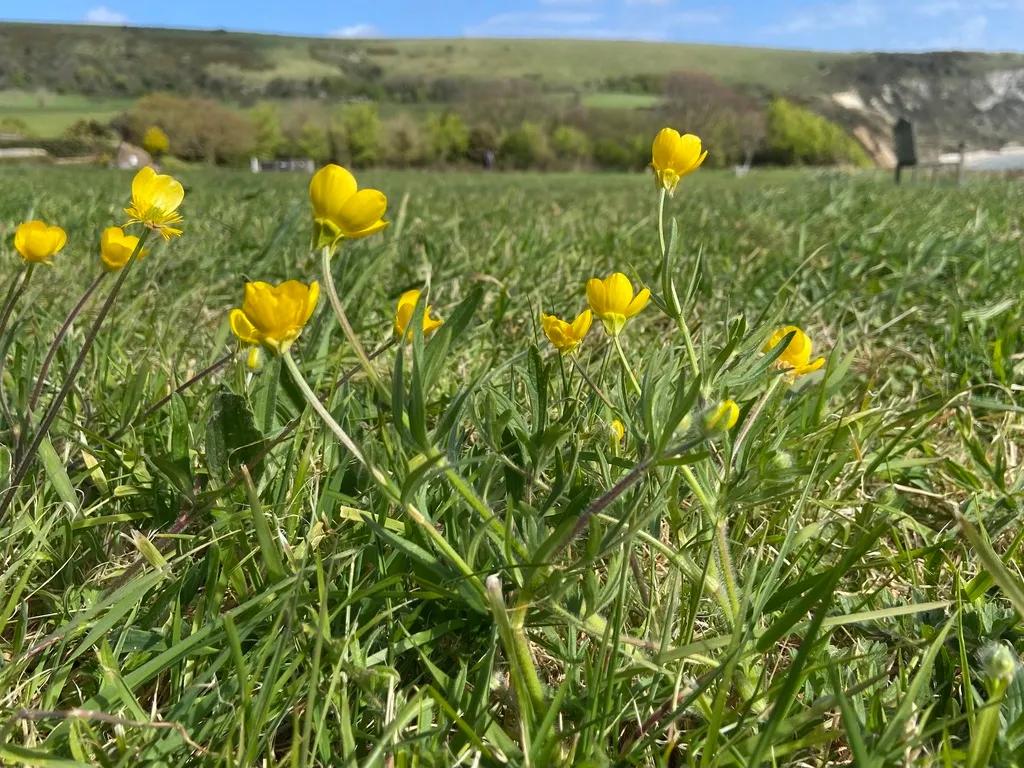
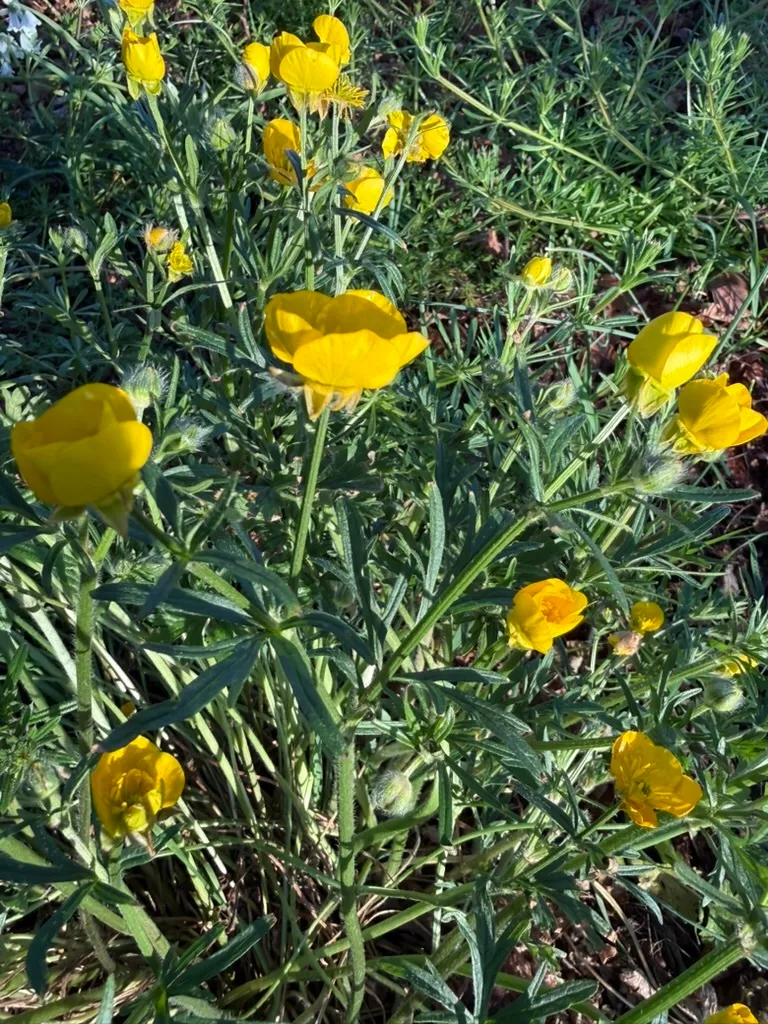
A clump-forming perennial to 50cm with three-lobed, dark green leaves. In late spring to early summer produces finely branched stems with saucer-shaped, shiny, yellow flowers
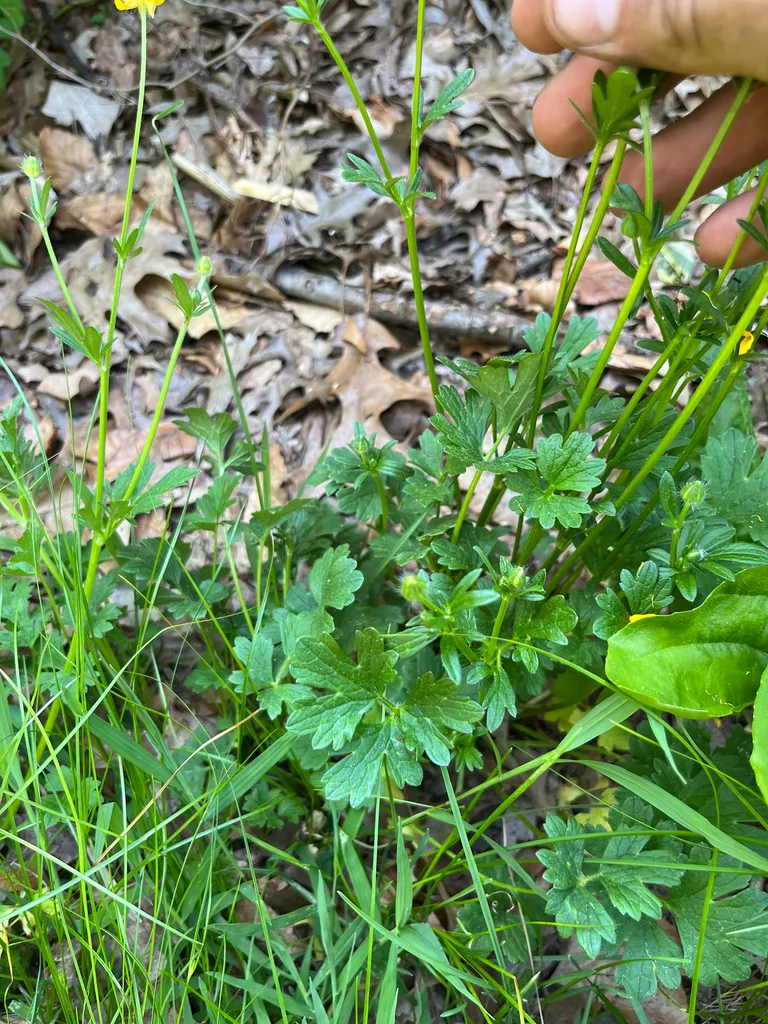
Scientific classification
- Species
- bulbous buttercup (Ranunculus bulbosus)
- Genus
- Ranunculus
- Family
- Ranunculaceae
- Harmful if eaten, skin irritant. Wear gloves and other protective equipment when handling]
- Toxicity
- Herbaceous Perennial
- Plant type
- 0.1-0.5 metres
- Height
- 0.1-0.5 metres
- Spread
- Deciduous
- Foliage
- Clump forming
- Habit
- Spring · Summer · Autumn
- Season of interest
- Full sun · Partial shade
- Sunlight
- Information to be completed
- Ideal temperature









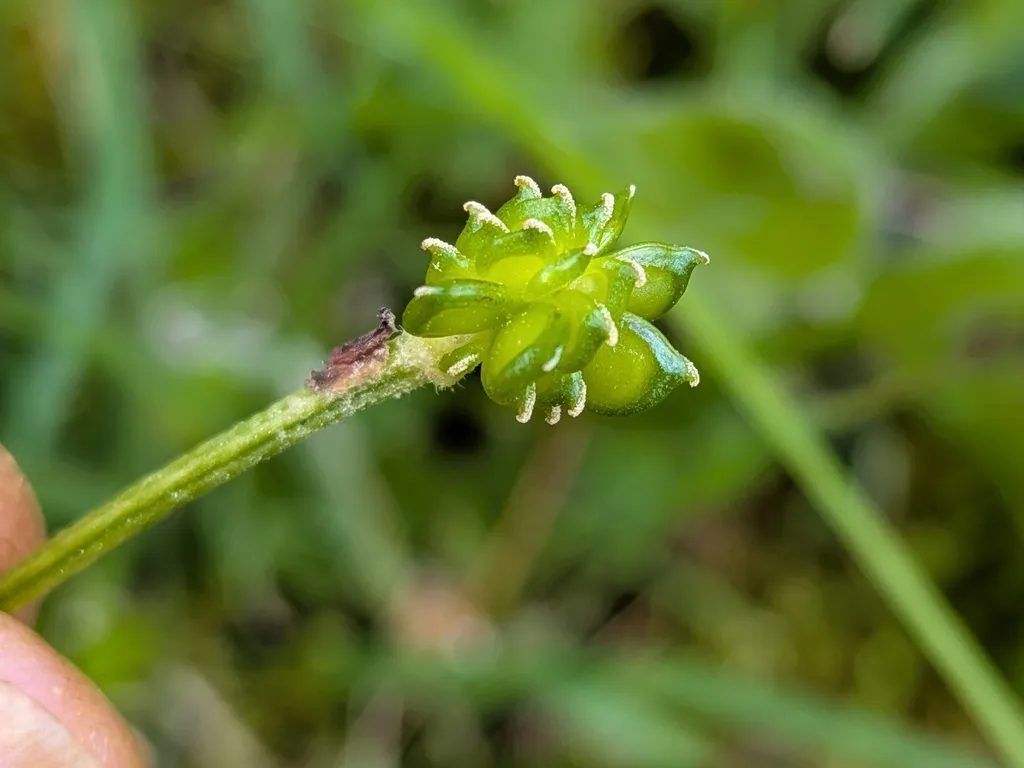
bulbous buttercup pictures
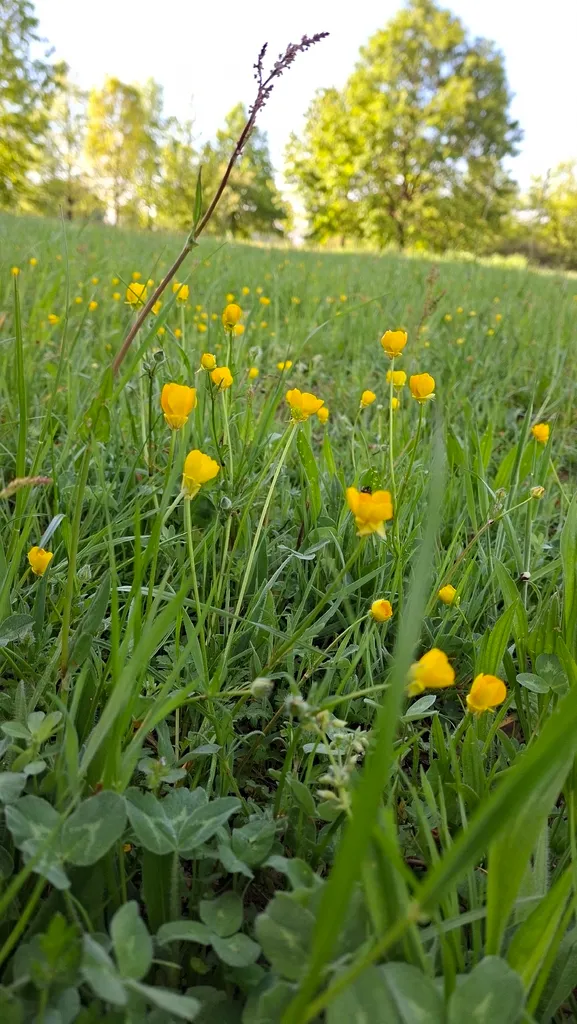
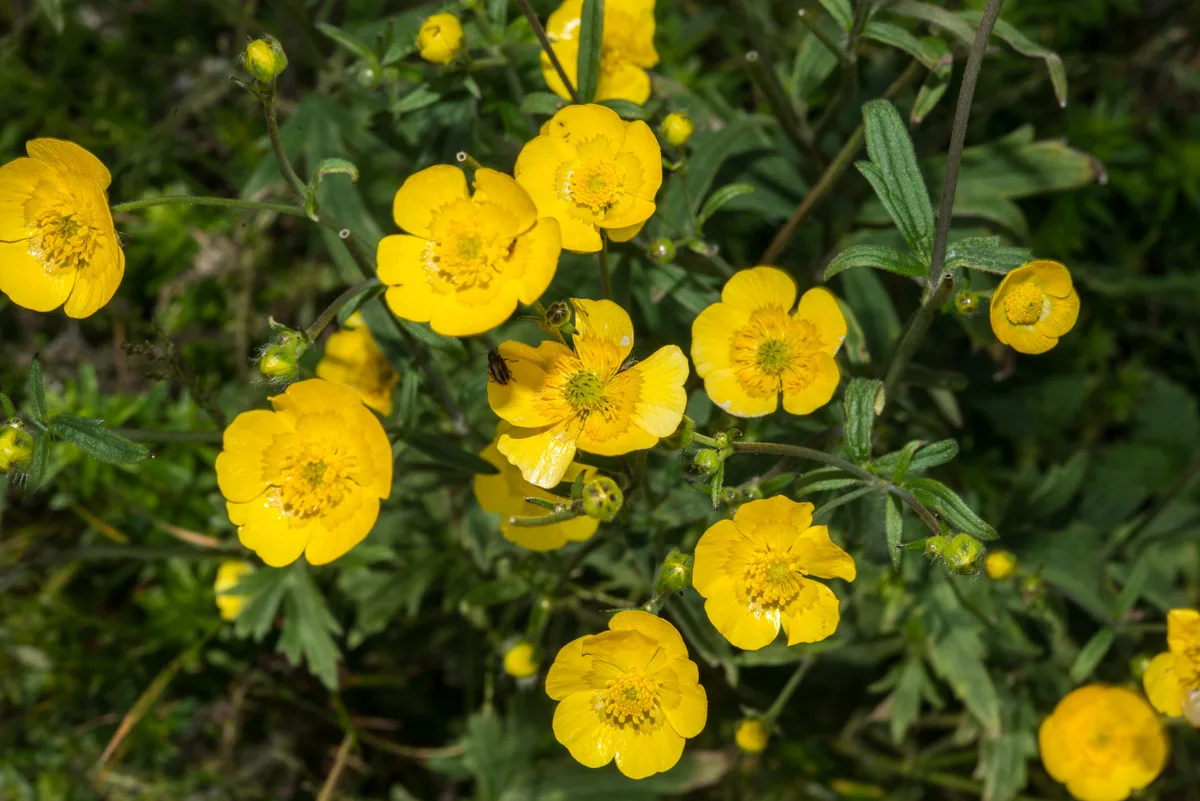
Distribution of bulbous buttercup
Distribution map
Information to be completed
Information to be completed
Culture
Information to be completed
Toxicity
Harmful if eaten, skin irritant. Wear gloves and other protective equipment when handling]
Quick identification of bulbous buttercup
Information to be completed
bulbous buttercup care guide
- Moderate regular watering, avoid prolonged drought or waterlogging
- Watering
- Full sun · Partial shade
- Sunlight
- Information to be completed
- Ideal temperature

Watering
Moderate regular watering, avoid prolonged drought or waterlogging
Fertilizing
 Fertilizing
Balanced feed in spring and light repeat in growth season
Pruning
 Pruning
No pruning required
Propagation
 Propagation
Propagate by seed or division
Growing
 Growing
Grow in humus-rich, fertile, moist but well-drained soil in full sun or partial shade
People also ask
Information to be completed
Common pests and diseases
Diseases
May be susceptible to powdery mildews, a rust and grey moulds
Pests
Generally pest-free
Explore the plant health library →




