
high alpine buttercup
Also known as: Information to be completed
R. calandrinioides is a tufted perennial to 20cm, with broadly lance-shaped, grey-green basal leaves 5-8cm in length which die down in summer, and 1-3 pink-flushed white flowers 5cm across on erect stems
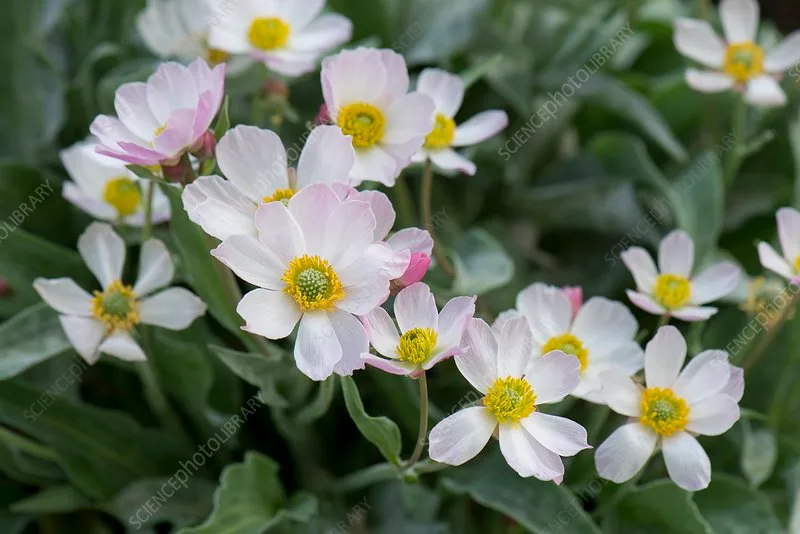
Scientific classification
- Species
- high alpine buttercup (Ranunculus calandrinioides)
- Genus
- Ranunculus
- Family
- Ranunculaceae
- Harmful if eaten, skin irritant. Wear gloves and other protective equipment when handling]
- Toxicity
- Alpine Rockery · Herbaceous Perennial
- Plant type
- 0.1-0.5 metres
- Height
- 0-0.1 metre
- Spread
- Deciduous
- Foliage
- Tufted
- Habit
- Winter
- Season of interest
- Full sun
- Sunlight
- Information to be completed
- Ideal temperature









high alpine buttercup pictures
Distribution of high alpine buttercup
Distribution map
Morocco
Information to be completed
Culture
Information to be completed
Toxicity
Harmful if eaten, skin irritant. Wear gloves and other protective equipment when handling]
Quick identification of high alpine buttercup
Information to be completed
high alpine buttercup care guide
- Moderate regular watering, avoid prolonged drought or waterlogging
- Watering
- Full sun
- Sunlight
- Information to be completed
- Ideal temperature

Watering
Moderate regular watering, avoid prolonged drought or waterlogging
Fertilizing
 Fertilizing
Balanced feed in spring and light repeat in growth season
Pruning
 Pruning
No pruning required
Propagation
 Propagation
Propagate by division in spring or autumn
Growing
 Growing
Grow in gritty, humus-rich, sharply drained soil in full sun. Or grow in a pot in an alpine house. It dies down in summer, keep dry while dormant. Long-lived but slow growing
People also ask
Information to be completed
Common pests and diseases
Diseases
May be susceptible to powdery mildews, a rust and grey moulds
Pests
May be susceptible to aphids, slugs and snails
Explore the plant health library →




