
sea bindweed
Also known as: Scotch scurvy grass; sea bells; sea coal; sea foal-foot
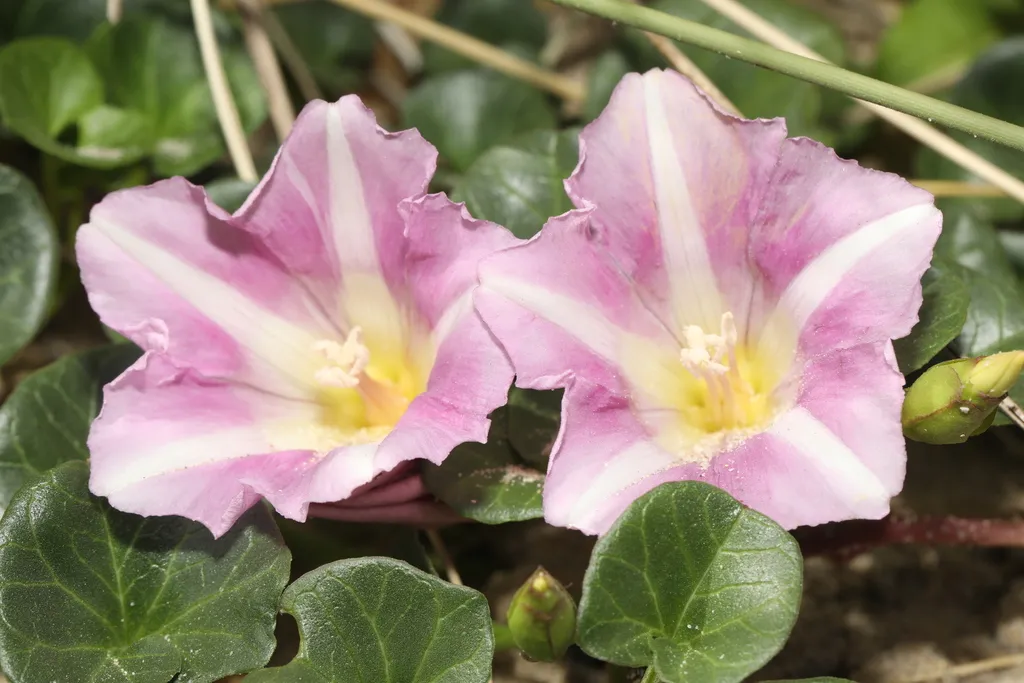
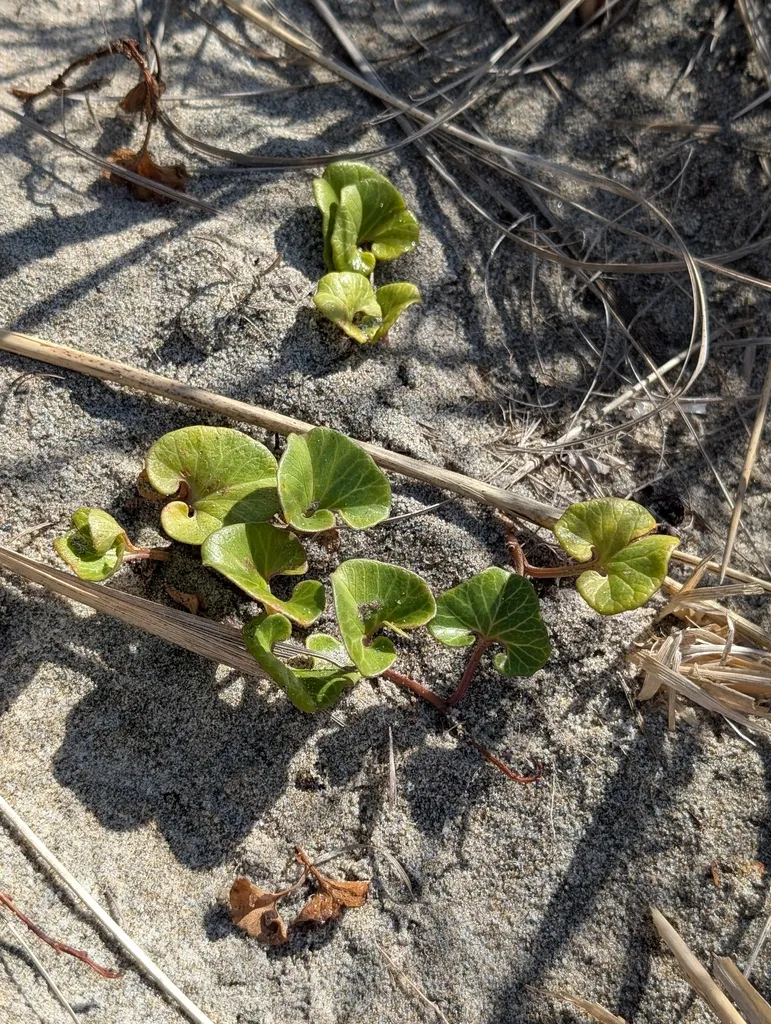
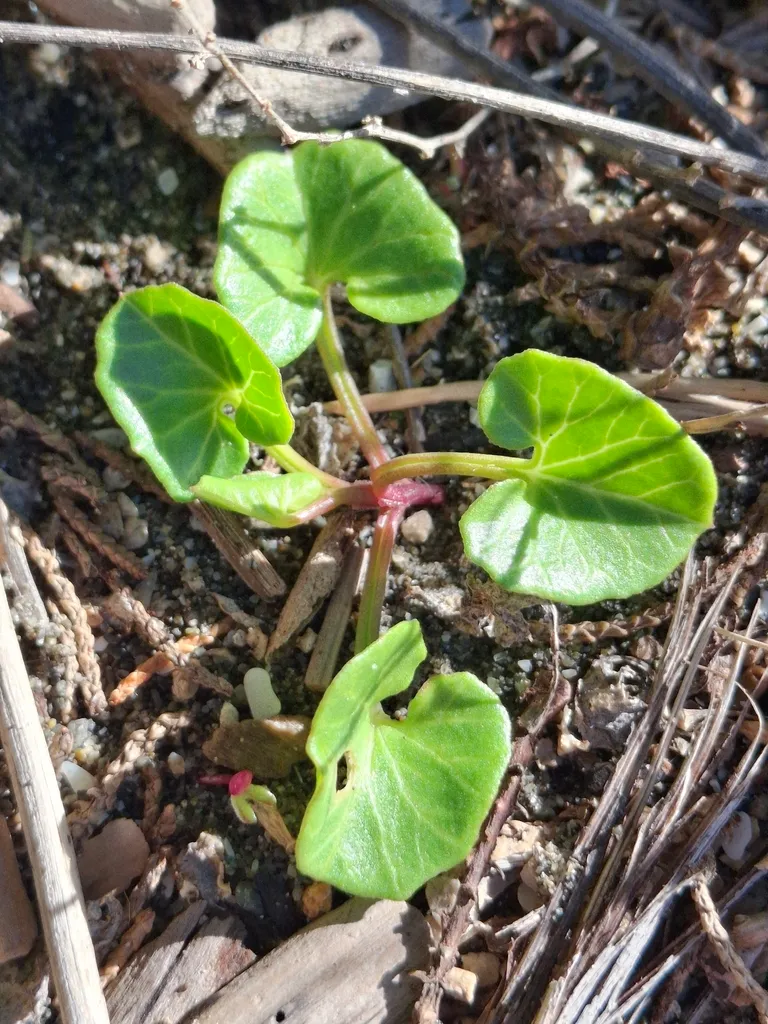
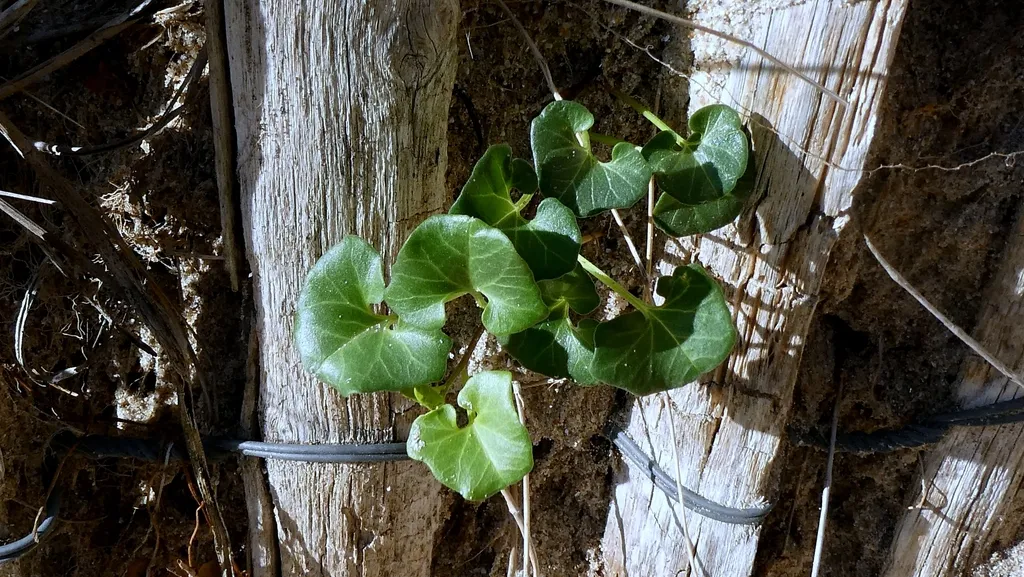
A trailing, rhizomatous perennial up to 1m across but only 10cm tall, with succulent stems and kidney-shaped leaves. Upward-facing, trumpet-shaped flowers, pink with five white stripes, are produced in summer
Scientific classification
- Species
- sea bindweed (Calystegia soldanella)
- Genus
- Calystegia
- Family
- Convolvulaceae
- Order
- Solanales
- Class
- Magnoliopsida
- Phylum
- Magnoliophyta
- Information to be completed
- Toxicity
- Herbaceous Perennial
- Plant type
- Up to 10 cm
- Height
- 0.5-1 metres
- Spread
- Deciduous
- Foliage
- Trailing
- Habit
- Spring · Summer · Autumn
- Season of interest
- Full sun
- Sunlight
- Information to be completed
- Ideal temperature









sea bindweed pictures
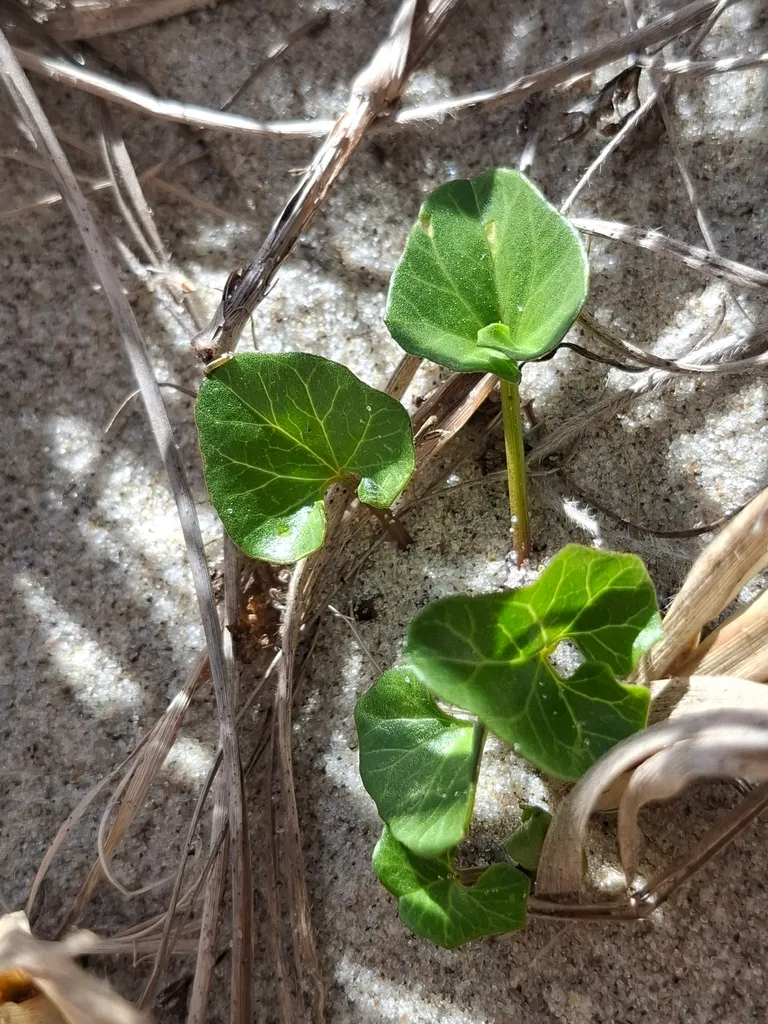
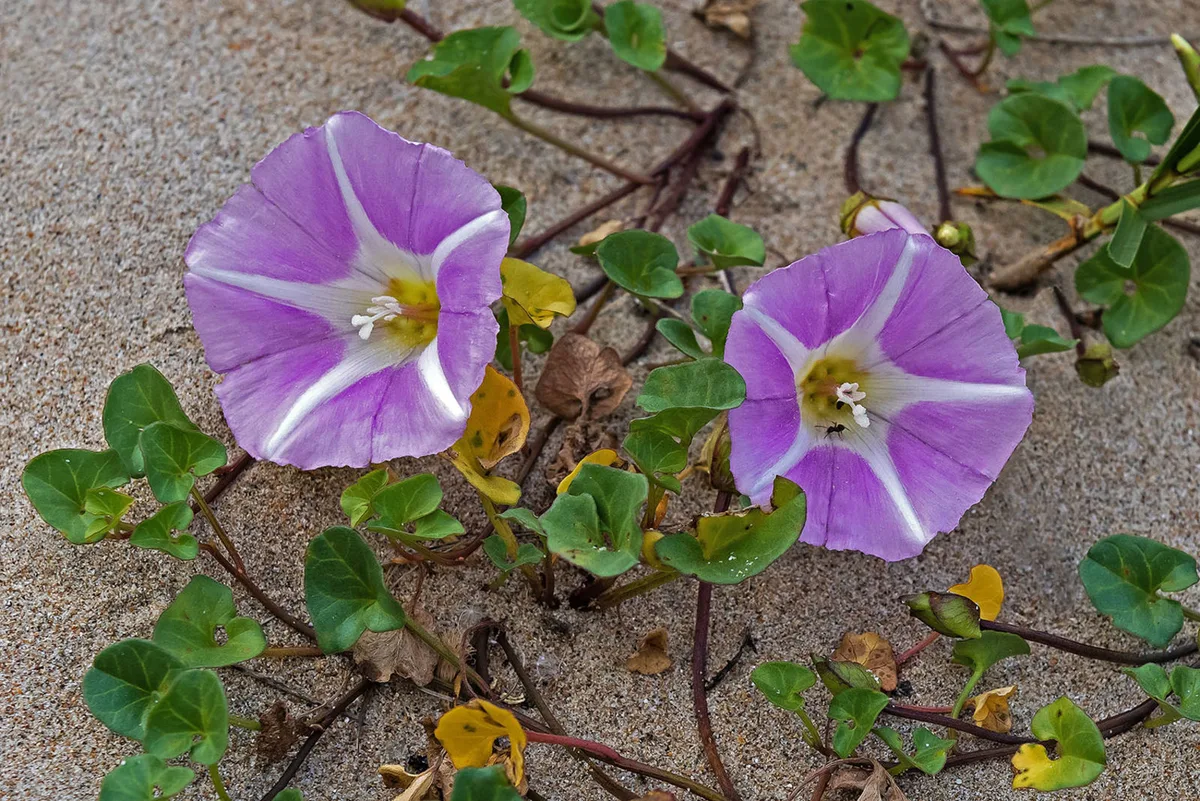
Distribution of sea bindweed
Distribution map
- Native
- Introduced
- Cultivated
Source:WCVP v16 · Royal Botanic Gardens, Kew · CC BY 3.0 · Boundaries:WGSRPD / TDWG
sea bindweed care guide
- Moderate regular watering, allowing brief slight drying between soakings
- Watering
- Full sun
- Sunlight

Watering
Moderate regular watering, allowing brief slight drying between soakings
Fertilizing
 Fertilizing
Balanced perennial feed every four weeks from spring through summer
Pruning
 Pruning
No pruning needed
Propagation
 Propagation
Propagate by seed or by division of rhizomes
Growing
 Growing
A native plant found only on the coast, needing open, sunny conditions and very sharp drainage. Closely related to bindweed, but unlikely to become a garden weed
Common pests and diseases
Diseases
Generally trouble free
Pests
May attract slugs and snails
Explore the plant health library →




