
grass-leaved buttercup
Also known as: grass-leaved crowfoot
R. gramineus is an herbaceous perennial to 30cm, forming a clump of linear grey-green basal leaves. Up to 3 bright light yellow, cup-shaped flowers 2cm wide are borne on branched stems from mid spring to early summer
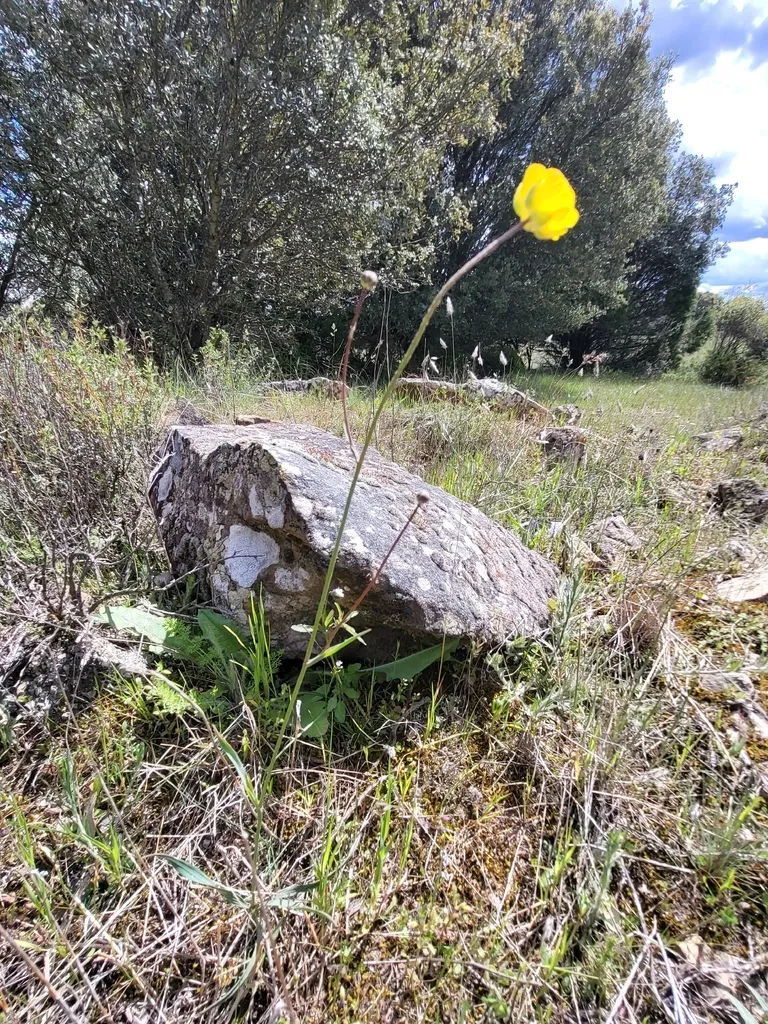
Scientific classification
- Species
- grass-leaved buttercup (Ranunculus gramineus)
- Genus
- Ranunculus
- Family
- Ranunculaceae
- Harmful if eaten, skin irritant. Wear gloves and other protective equipment when handling]
- Toxicity
- Herbaceous Perennial
- Plant type
- 0.1-0.5 metres
- Height
- 0.1-0.5 metres
- Spread
- Deciduous
- Foliage
- Bushy
- Habit
- Spring · Summer
- Season of interest
- Full sun · Partial shade
- Sunlight
- Information to be completed
- Ideal temperature









grass-leaved buttercup pictures
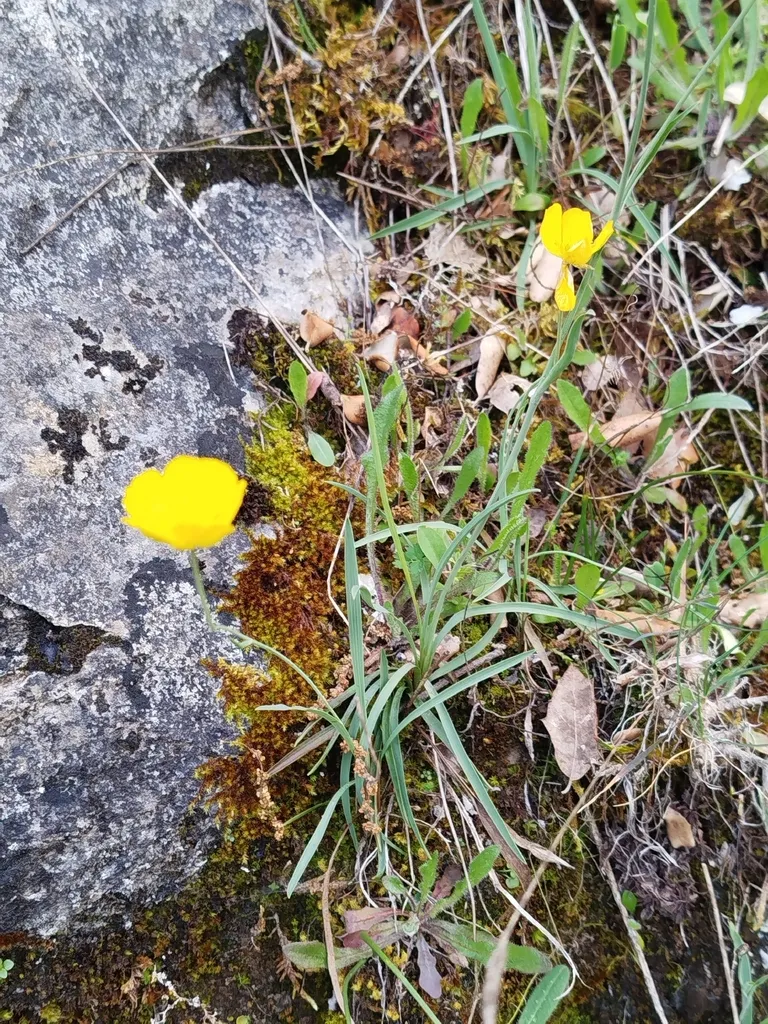
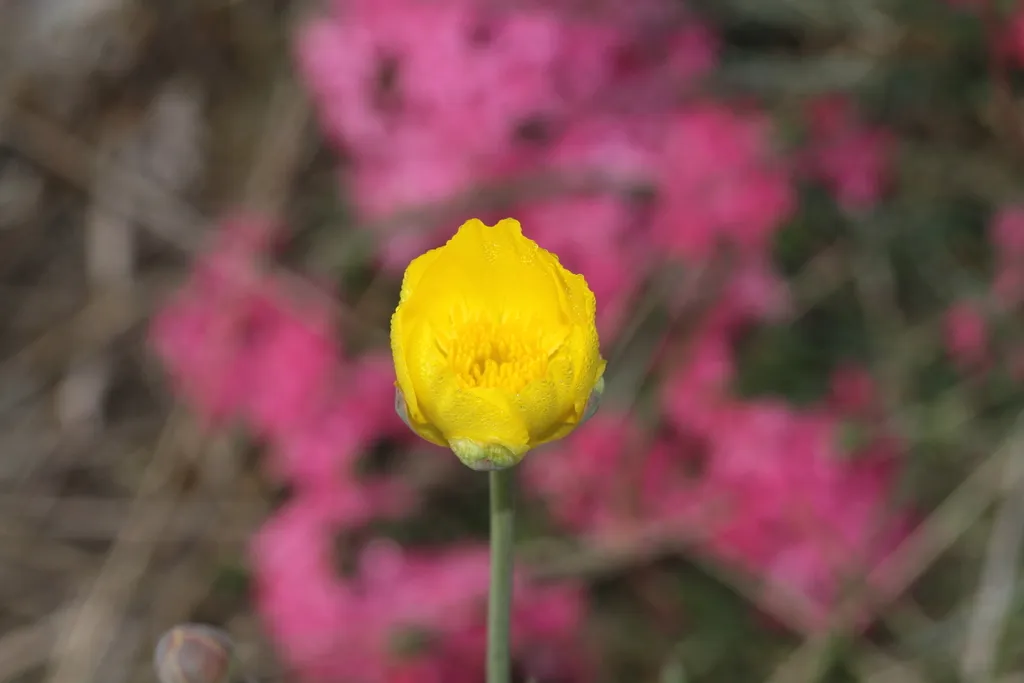
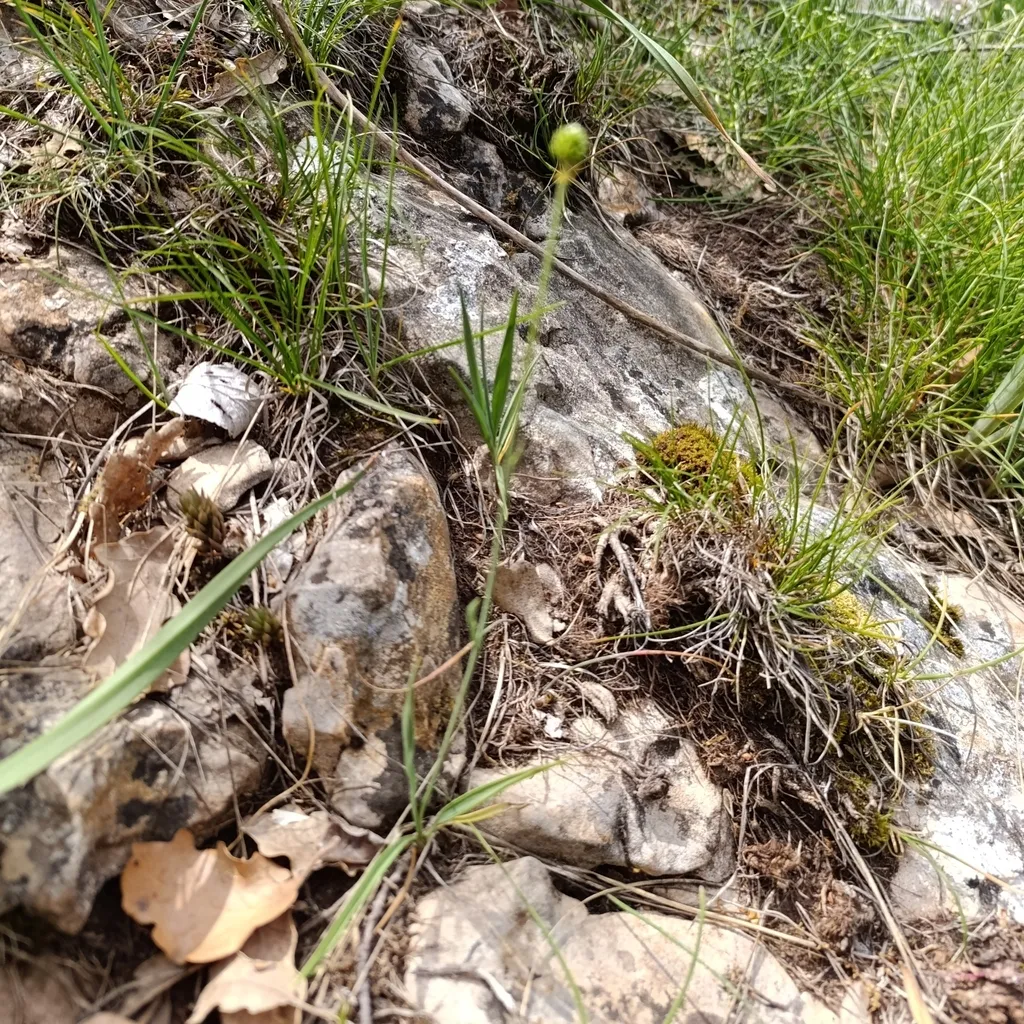
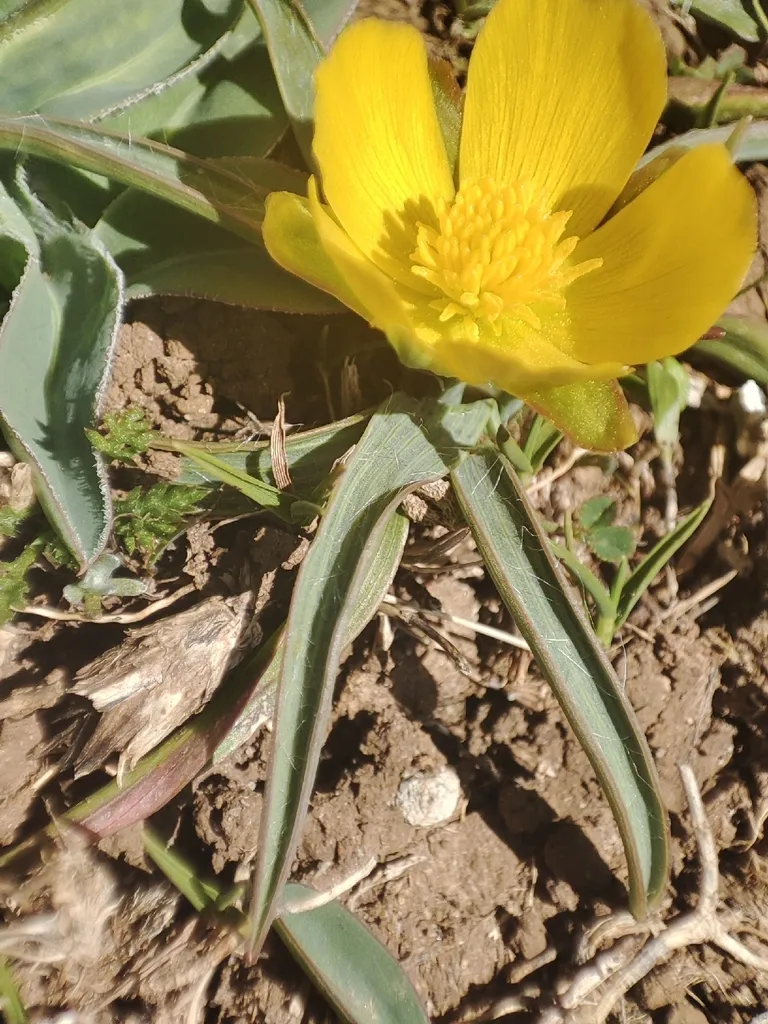
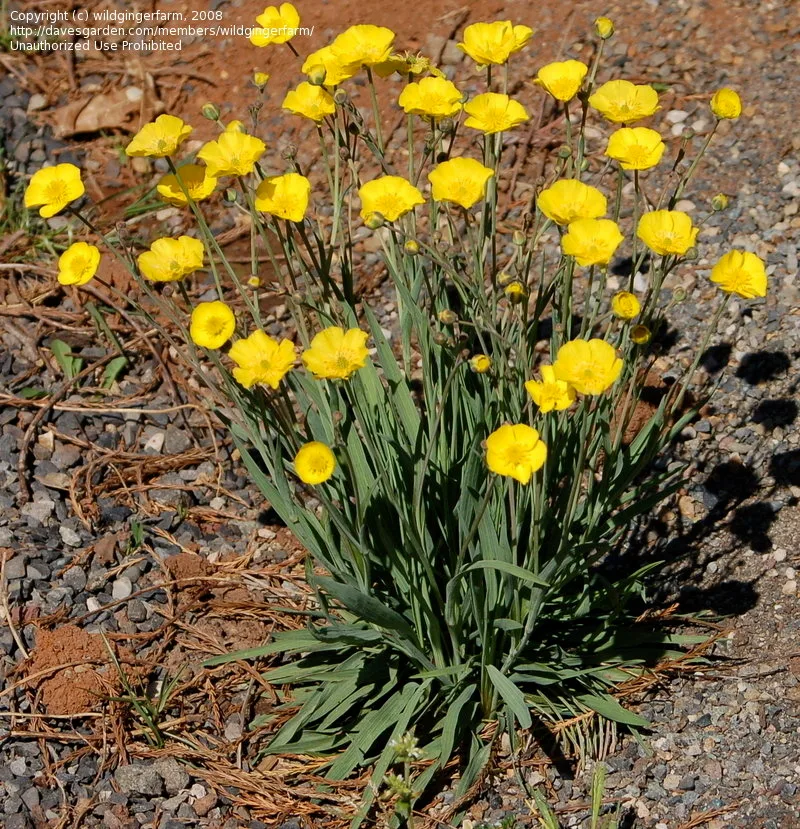
Distribution of grass-leaved buttercup
Distribution map
Southern Europe Northern Africa
Information to be completed
Culture
Information to be completed
Toxicity
Harmful if eaten, skin irritant. Wear gloves and other protective equipment when handling]
Quick identification of grass-leaved buttercup
Information to be completed
grass-leaved buttercup care guide
- Moderate regular watering, allowing brief slight drying between soakings
- Watering
- Full sun · Partial shade
- Sunlight
- Information to be completed
- Ideal temperature

Watering
Moderate regular watering, allowing brief slight drying between soakings
Fertilizing
 Fertilizing
Balanced perennial feed every four weeks from spring through summer
Pruning
 Pruning
No pruning required
Propagation
 Propagation
Propagate by seed in containers as soon as ripe and placed in a cold frame, or divide mature plants in the spring or autumn
Growing
 Growing
Easily grown in a fertile, moist but well drained soil in sun or partial shade
People also ask
Information to be completed
Common pests and diseases
Diseases
May be susceptible to powdery mildews, a rust and grey moulds
Pests
susceptible to slugs, snails and aphids
Explore the plant health library →




