
creeping buttercup
Also known as: creeping crowfoot; creeping yellow gowan; lantern leaves; ram's claws; sit-fast
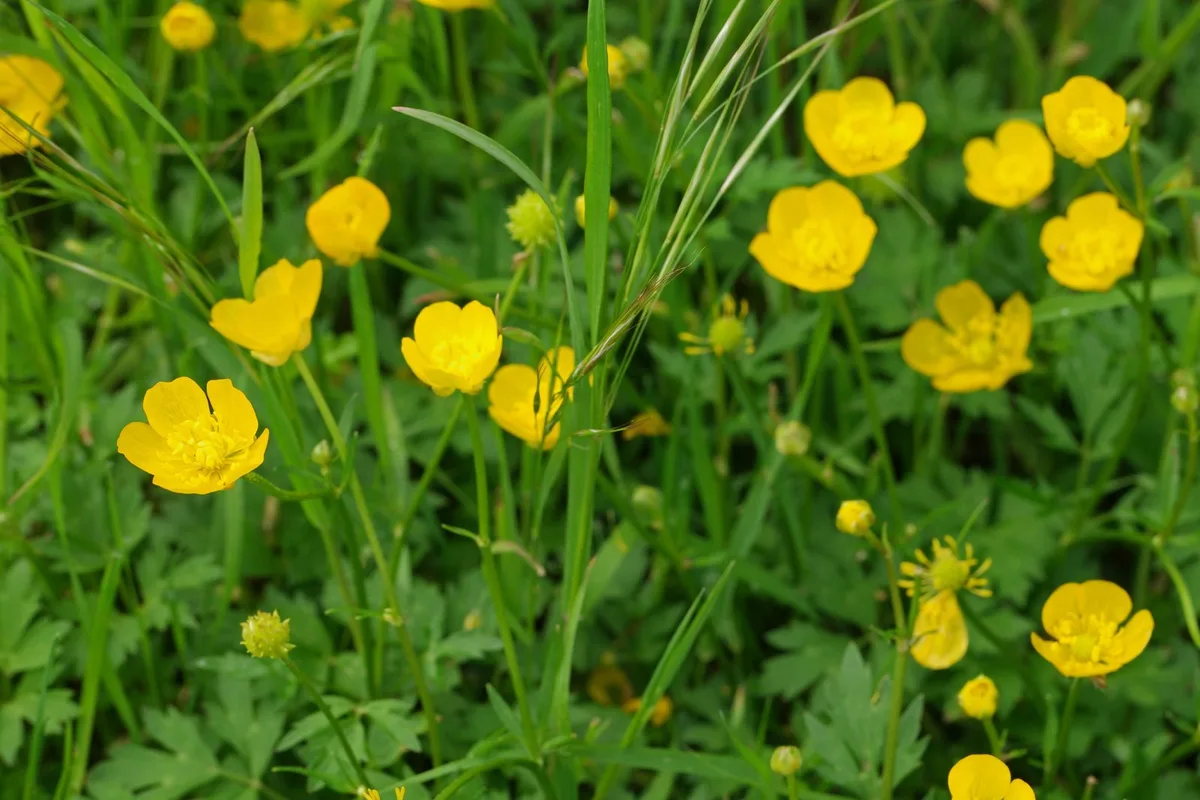
A potentially invasive plant in the garden, spreading by stems that root at the nodes. Leaves are hairy, rough-edged and sometimes with white markings. They are three-lobed, with the central lobe being stalked. Flowers of five-petalled, glossy, yellow cups are borne in summer
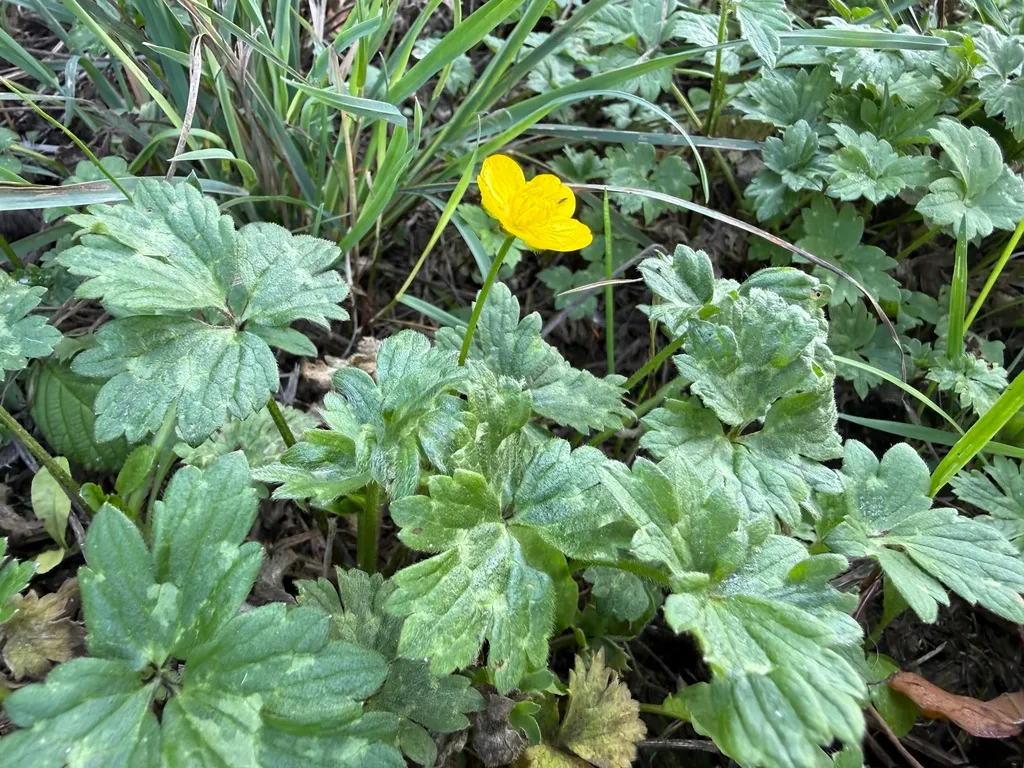
Scientific classification
- Species
- creeping buttercup (Ranunculus repens)
- Genus
- Ranunculus
- Family
- Ranunculaceae
- Harmful if eaten, skin irritant. Wear gloves and other protective equipment when handling]
- Toxicity
- Herbaceous Perennial
- Plant type
- 0.1-0.5 metres
- Height
- 0.1-0.5 metres
- Spread
- Deciduous
- Foliage
- Matforming
- Habit
- Spring · Summer · Autumn
- Season of interest
- Full sun · Partial shade
- Sunlight
- Information to be completed
- Ideal temperature









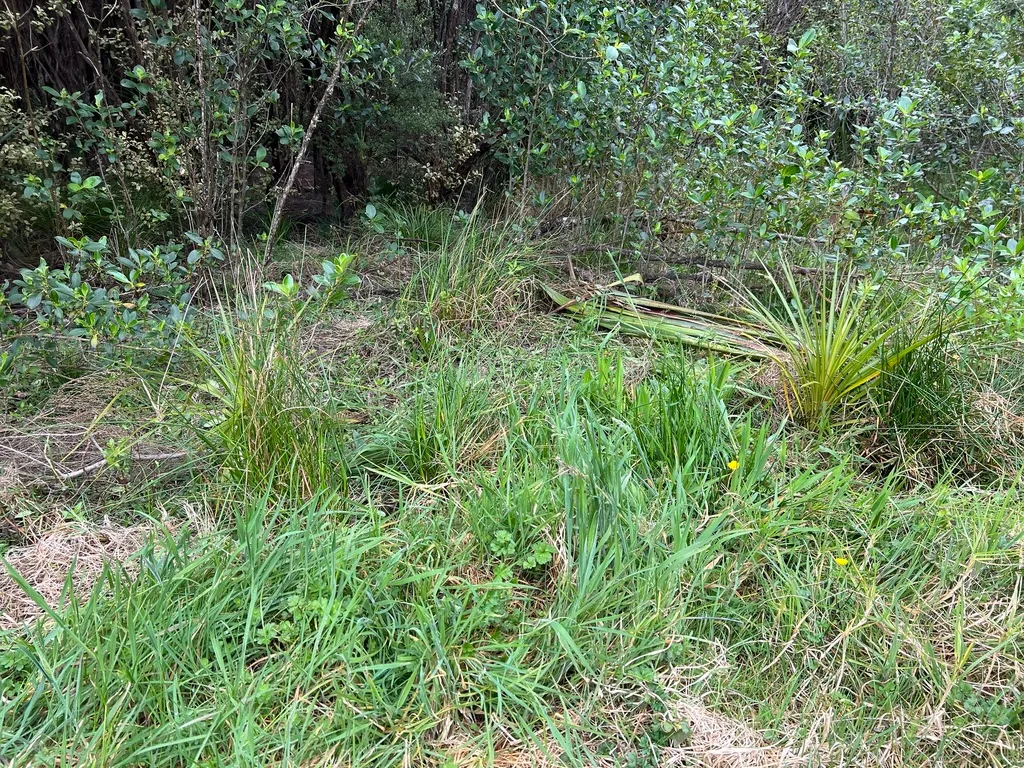
creeping buttercup pictures
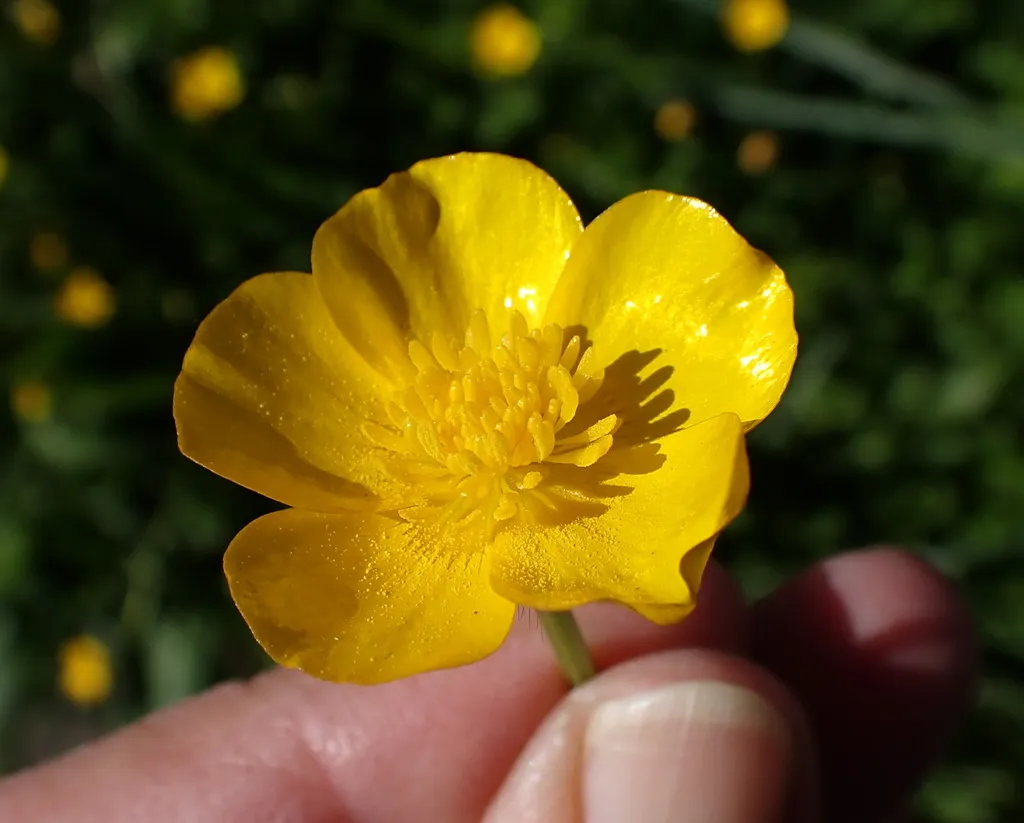
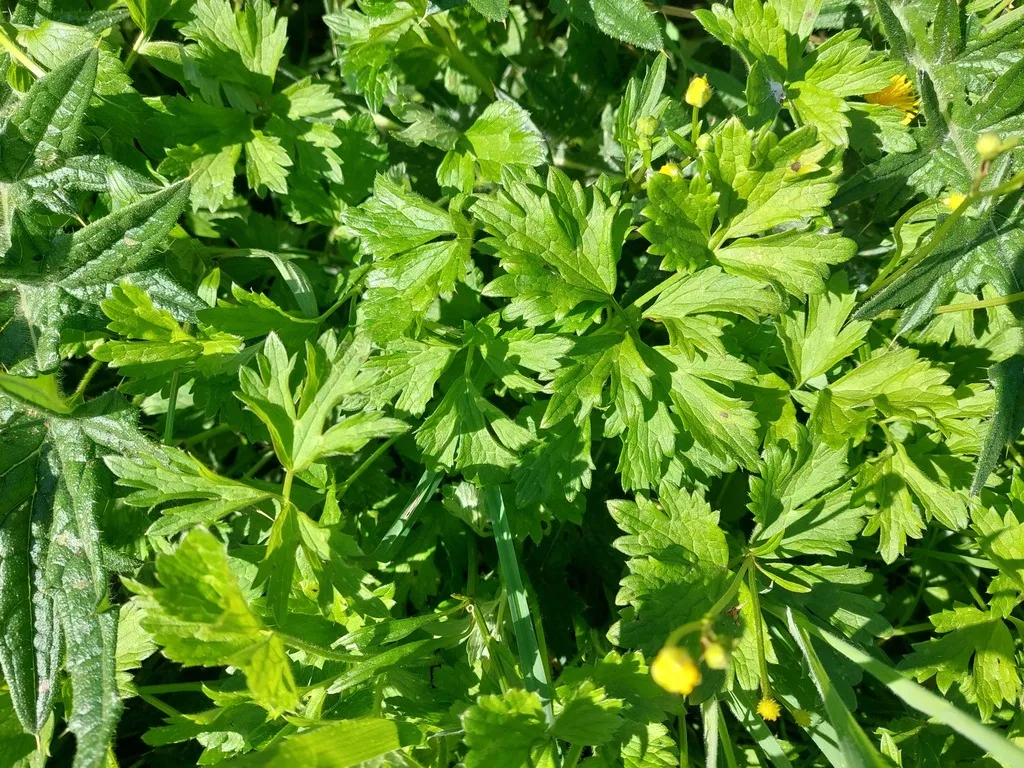
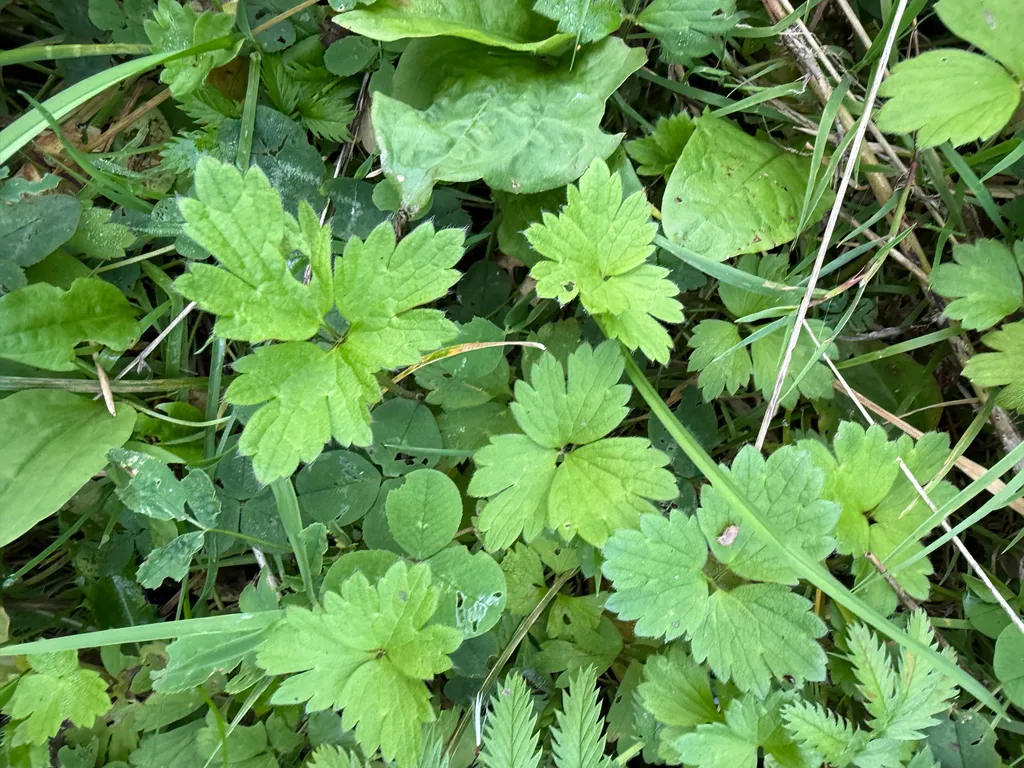
Distribution of creeping buttercup
Distribution map
Eurasia
Information to be completed
Culture
Information to be completed
Toxicity
Harmful if eaten, skin irritant. Wear gloves and other protective equipment when handling]
Quick identification of creeping buttercup
Information to be completed
creeping buttercup care guide
- Moderate regular watering, allowing brief slight drying between soakings
- Watering
- Full sun · Partial shade
- Sunlight
- Information to be completed
- Ideal temperature

Watering
Moderate regular watering, allowing brief slight drying between soakings
Fertilizing
 Fertilizing
Balanced perennial feed every four weeks from spring through summer
Pruning
 Pruning
No pruning required
Propagation
 Propagation
Propagate by seed or plant division
Growing
 Growing
An inhabitant of damp grassland
People also ask
Information to be completed
Common pests and diseases
Diseases
May be susceptible to powdery mildews, a rust and grey moulds
Pests
May be susceptible to aphids, slugs and snails
Explore the plant health library →




