
Seguier’s buttercup
Also known as: Information to be completed
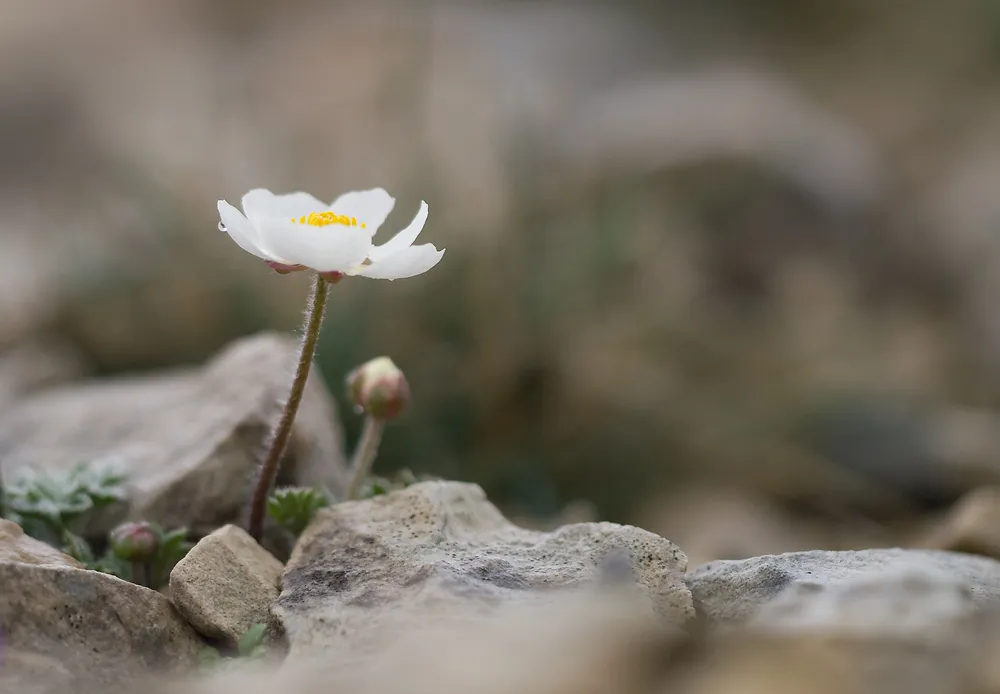
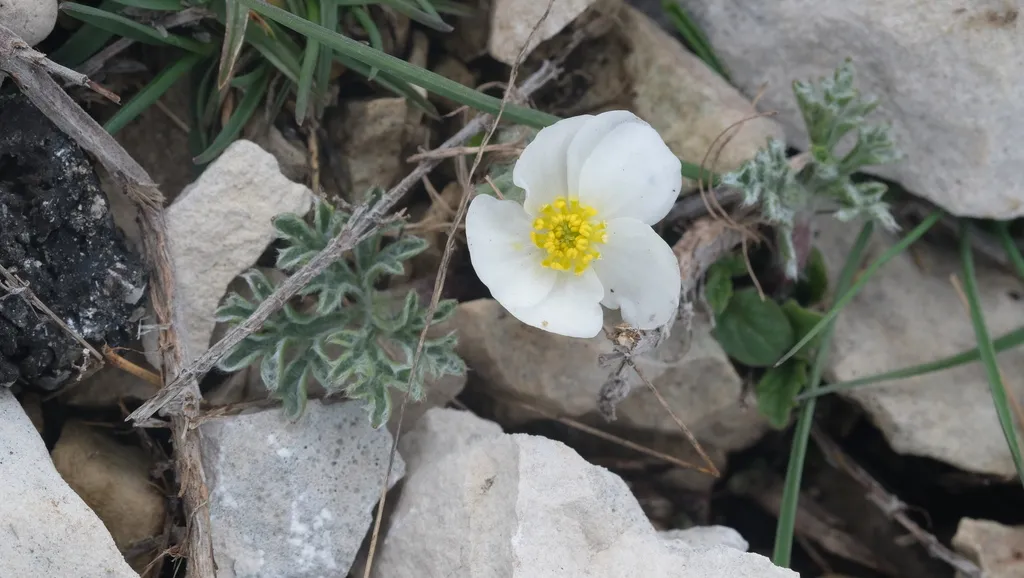
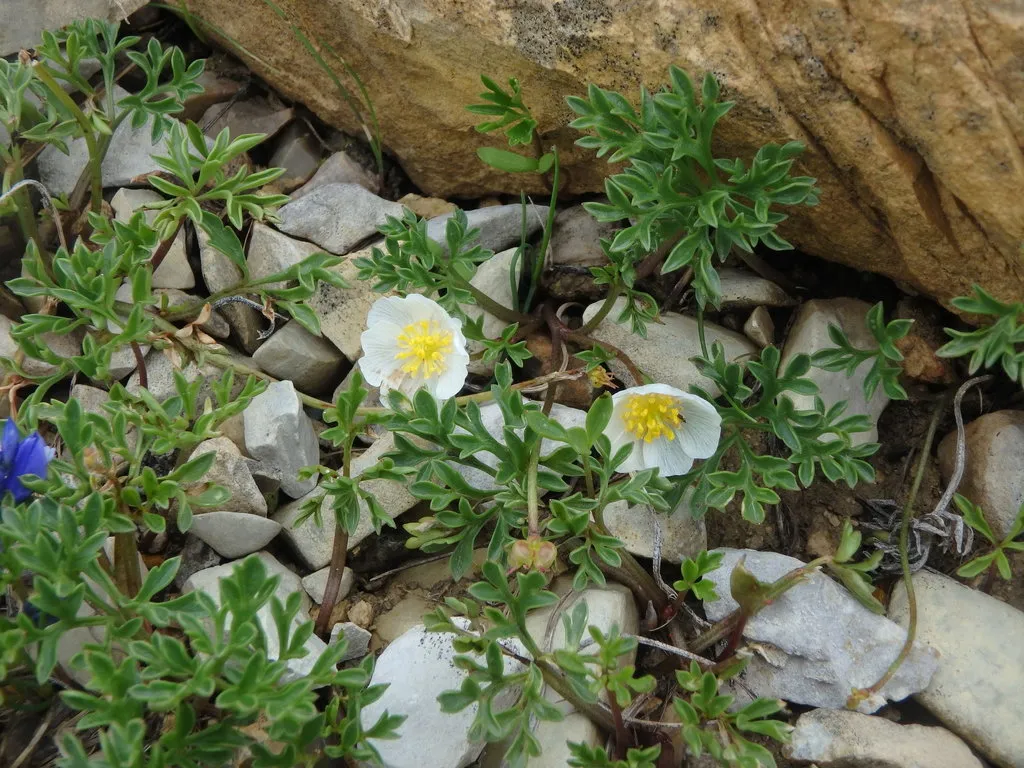
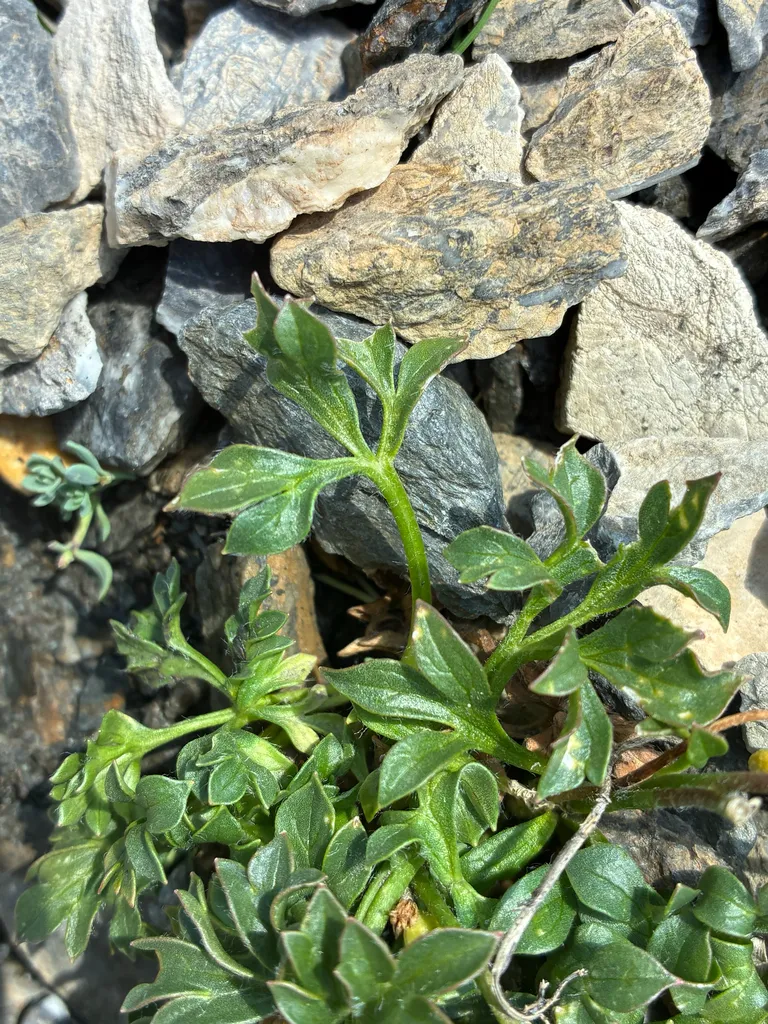
An alpine perennial to 20cm, forming a semi-evergreen cushion of deeply lobed, mid- to dark green leaves. In late spring to early summer produces solitary, cup-shaped, white flowers up to 2.5cm across on short, upright stems
Scientific classification
- Species
- Seguier’s buttercup (Ranunculus seguieri)
- Genus
- Ranunculus
- Family
- Ranunculaceae
- Harmful if eaten, skin irritant. Wear gloves and other protective equipment when handling]
- Toxicity
- Alpine Rockery
- Plant type
- 0.1-0.5 metres
- Height
- 0.1-0.5 metres
- Spread
- Deciduous
- Foliage
- Clump forming
- Habit
- Spring · Summer · Autumn · Winter
- Season of interest
- Full sun · Partial shade
- Sunlight
- Information to be completed
- Ideal temperature









Seguier’s buttercup pictures
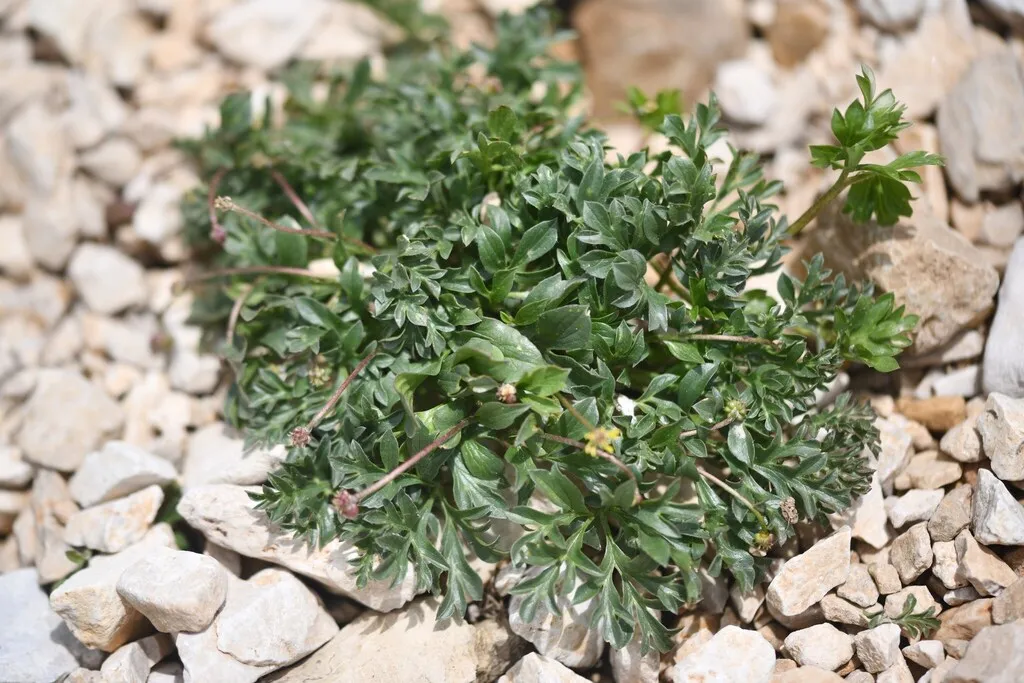
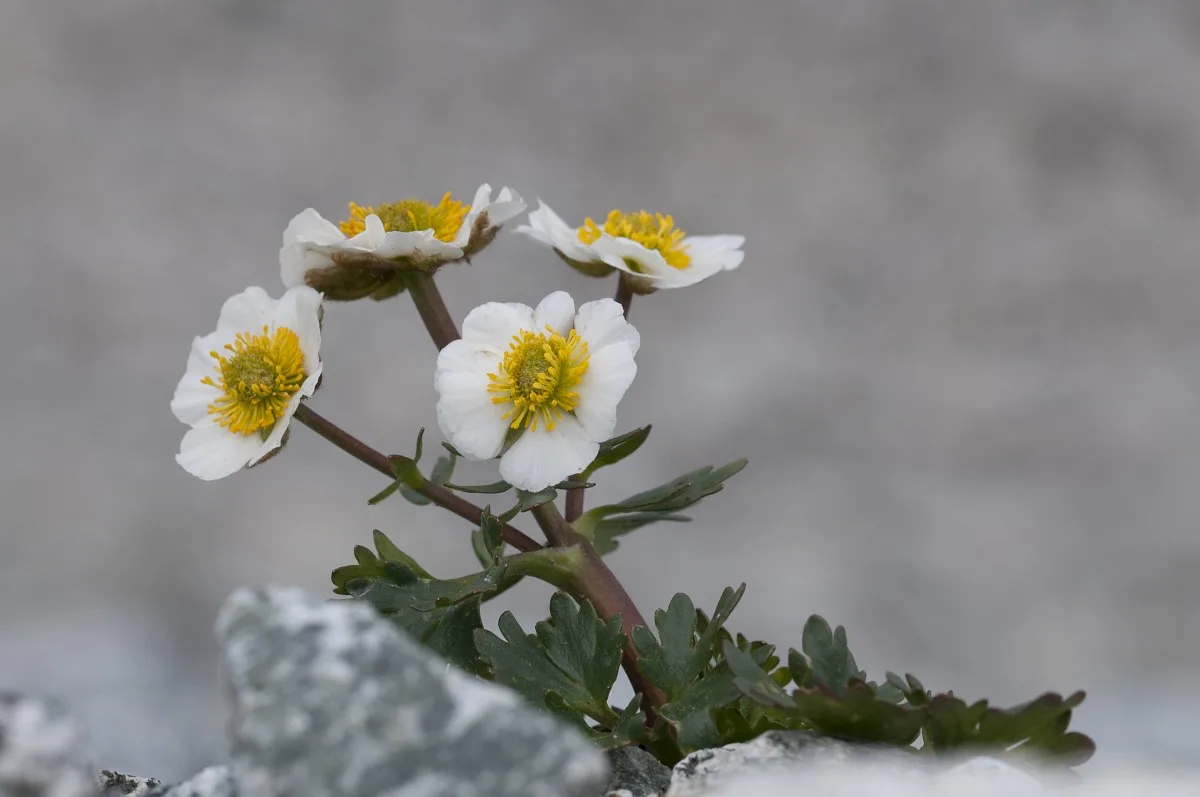
Distribution of Seguier’s buttercup
Distribution map
Alps
Information to be completed
Culture
Information to be completed
Toxicity
Harmful if eaten, skin irritant. Wear gloves and other protective equipment when handling]
Quick identification of Seguier’s buttercup
Information to be completed
Seguier’s buttercup care guide
- Even mild soil moisture, reduce watering during hot summer rest
- Watering
- Full sun · Partial shade
- Sunlight
- Information to be completed
- Ideal temperature

Watering
Even mild soil moisture, reduce watering during hot summer rest
Fertilizing
 Fertilizing
Light ranunculus tuber feed monthly before spring blooming time
Pruning
 Pruning
No pruning required
Propagation
 Propagation
Propagate by seed or by division
Growing
 Growing
Suitable for a scree bed, cold frame or alpine house in sun or light shade. Requires well-drained, humus rich soil or compost such as an equal mix of loam, grit and leaf mould
People also ask
Information to be completed
Common pests and diseases
Diseases
May be susceptible to powdery mildews, a rust and grey moulds
Pests
May be susceptible to aphids
Explore the plant health library →




