
base rocket
Also known as: Dutch pink; dyer's rocket; dyer's weld; dyer's yellow weed; weld; wild mignonette; wild woad; yellow weed; dyer's weed; Jerusalem ash
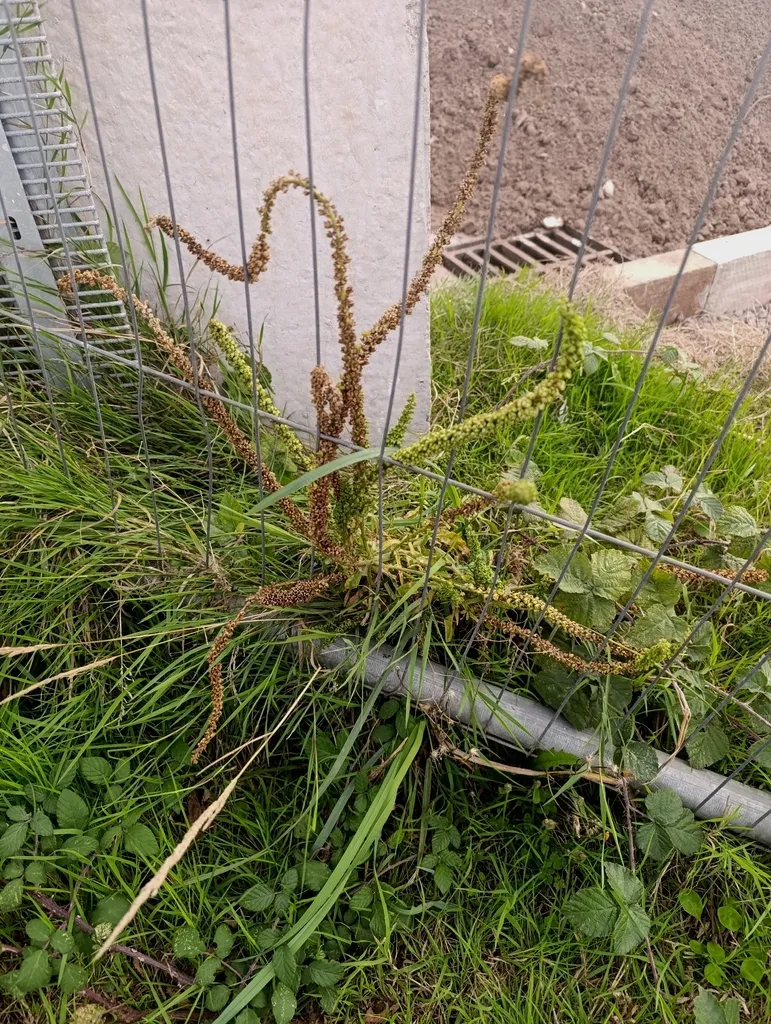
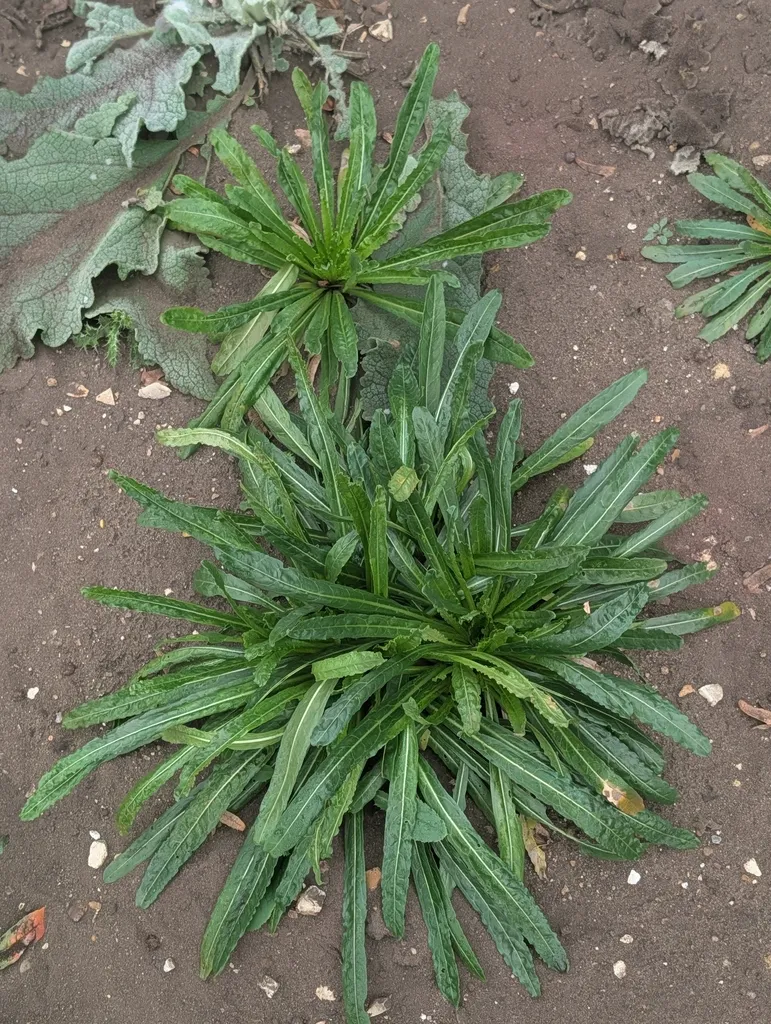
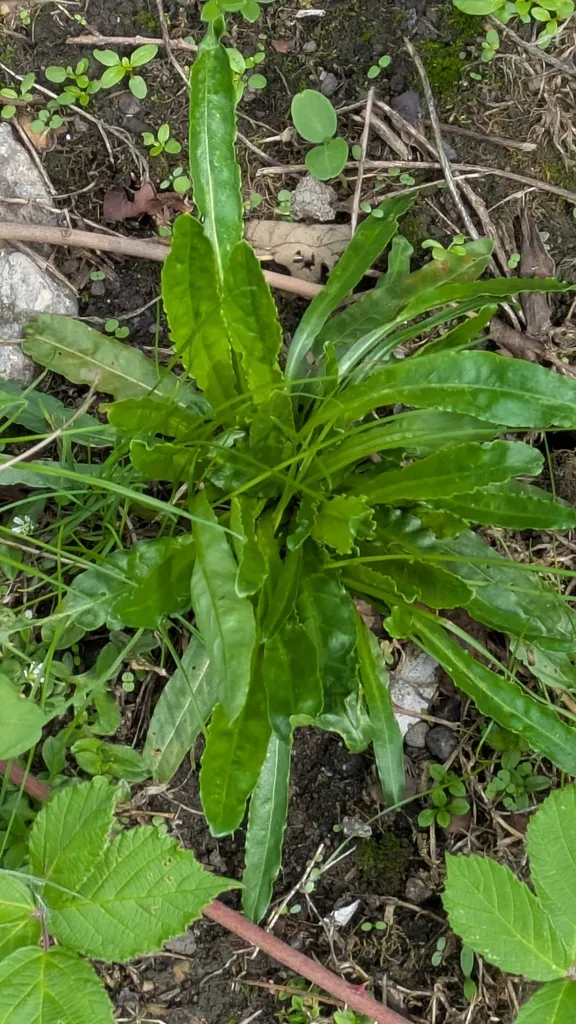
A tall biennial, to around 1.5m high in flower, with lance-shaped, deep green leaves often with strongly wavy edges. Slender spikes of tiny yellow flowers are produced in summer. This plant can be used to produce a yellow dye
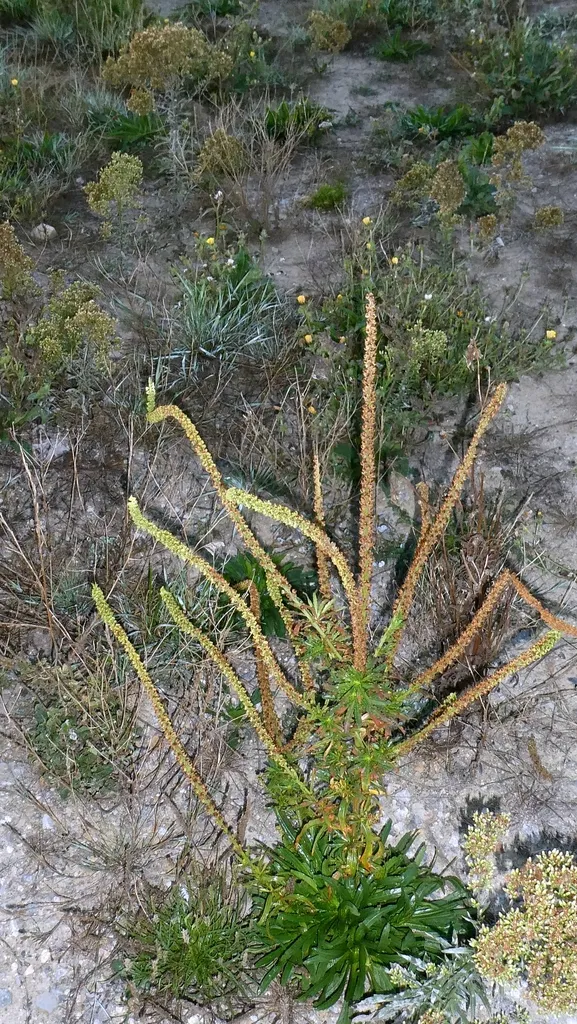
Scientific classification
- Species
- base rocket (Reseda luteola)
- Genus
- Reseda
- Family
- Resedaceae
- Order
- Brassicales
- Class
- Magnoliopsida
- Phylum
- Magnoliophyta
- Information to be completed
- Toxicity
- Annual Biennial
- Plant type
- 1-1.5 metres
- Height
- 0.1-0.5 metres
- Spread
- Semi evergreen
- Foliage
- Columnar upright
- Habit
- Spring · Summer · Autumn · Winter
- Season of interest
- Full sun · Partial shade
- Sunlight
- Information to be completed
- Ideal temperature









base rocket pictures
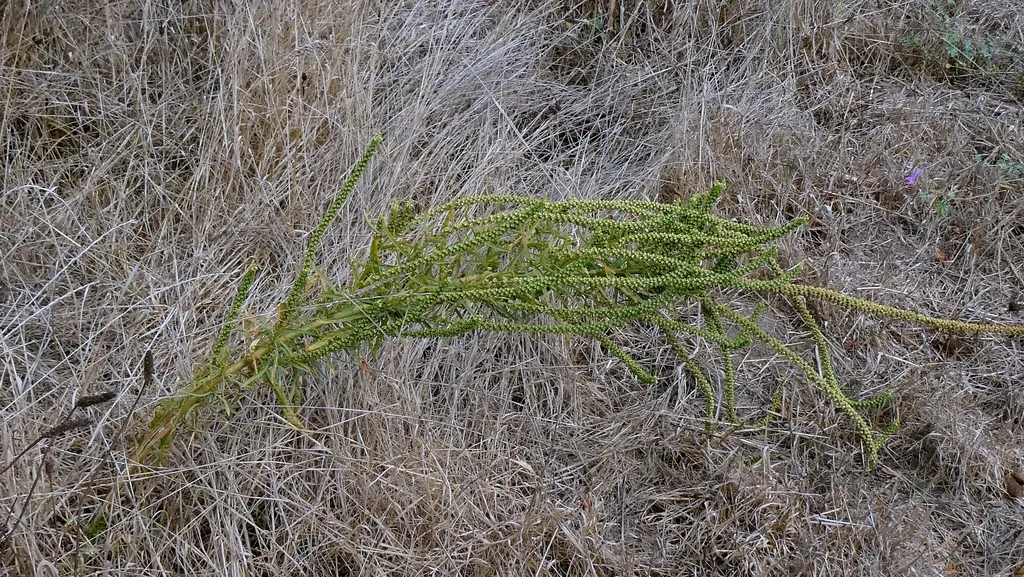
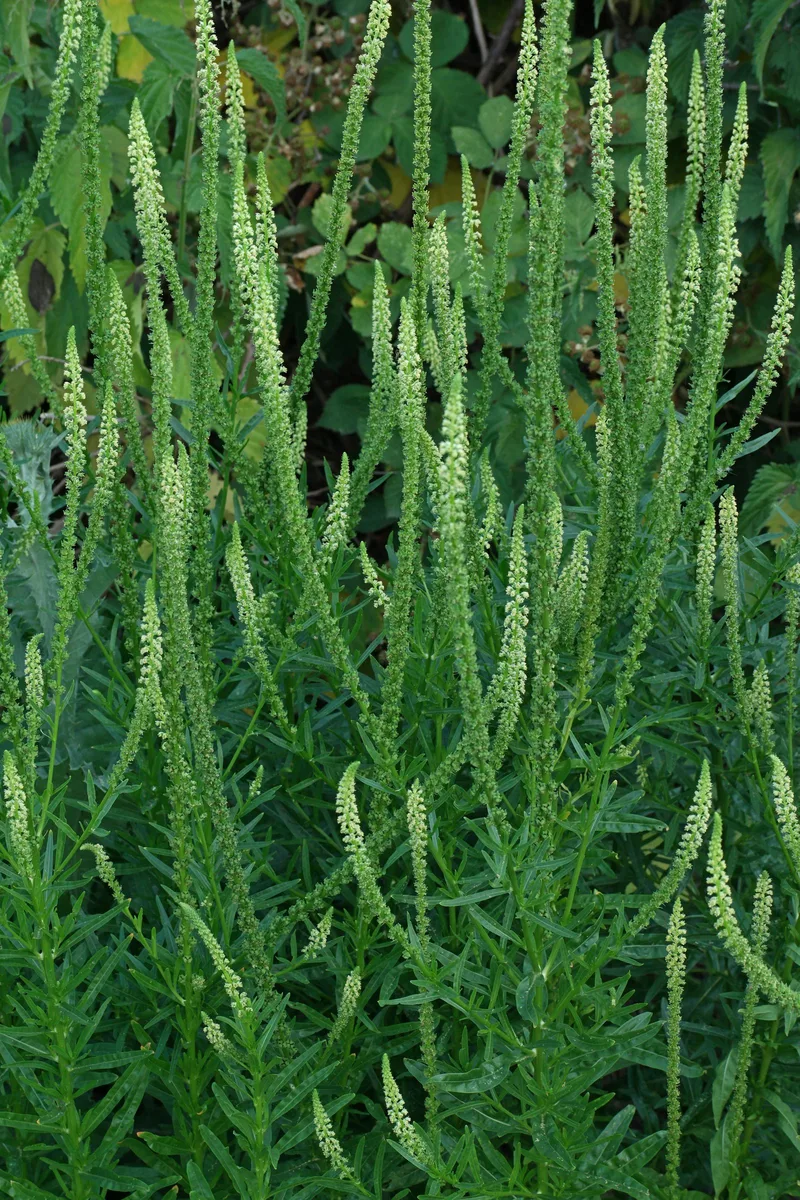
Distribution of base rocket
Distribution map
- Native
- Introduced
- Cultivated
Source:WCVP v16 · Royal Botanic Gardens, Kew · CC BY 3.0 · Boundaries:WGSRPD / TDWG
base rocket care guide
- Moderate regular watering, allowing brief slight drying between soakings
- Watering
- Full sun · Partial shade
- Sunlight

Watering
Moderate regular watering, allowing brief slight drying between soakings
Fertilizing
 Fertilizing
Balanced perennial feed every four weeks from spring through summer
Pruning
 Pruning
Deadhead if seeds are not required
Propagation
 Propagation
Propagate by seed, sown in situ in autumn for flowers the following summer. Do not cover, seeds need light to germinate. In colder areas, seedlings may need to be protected with a cloche over winter. Plants will self-seed in place; transplant with care as they dislike root disturbance
Growing
 Growing
Grow in well-drained, preferably alkaline soil in full sun or part shade
Common pests and diseases
Diseases
Generally disease-free
Pests
Generally pest-free
Explore the plant health library →




