
Alexander's rhubarb
Also known as: Information to be completed
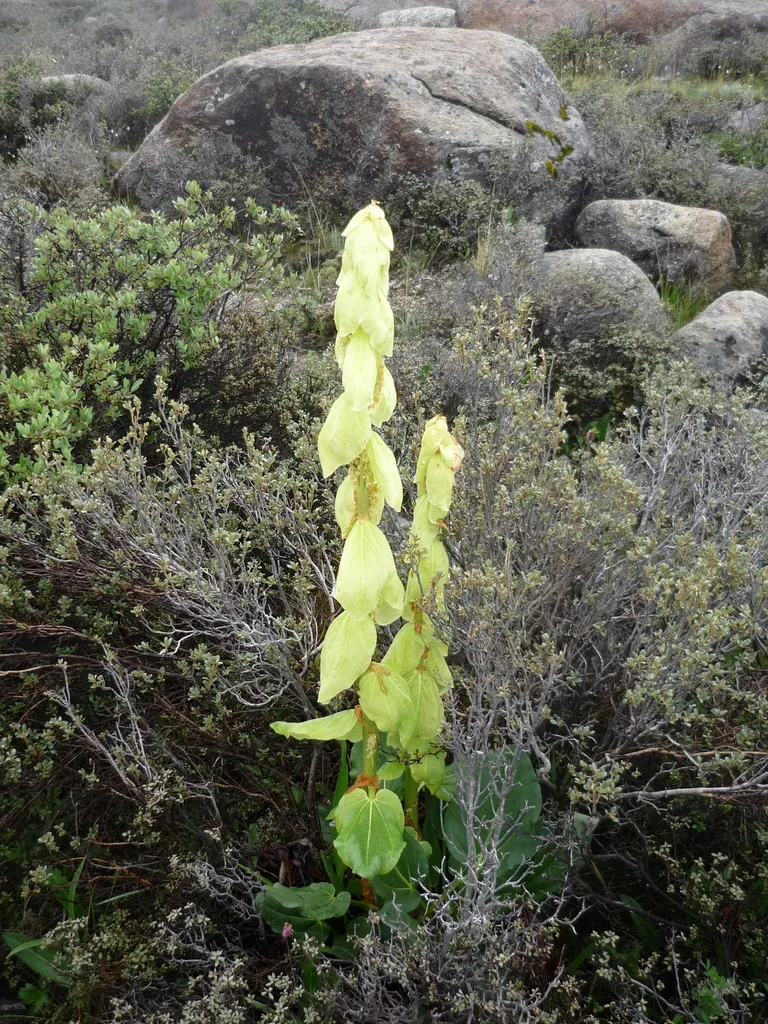
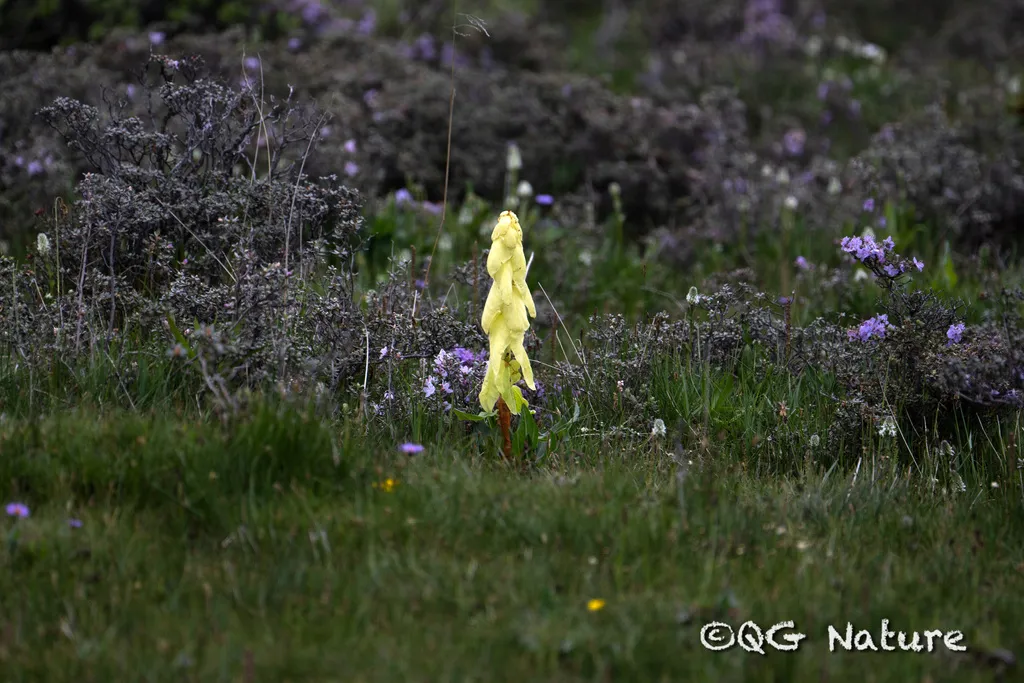
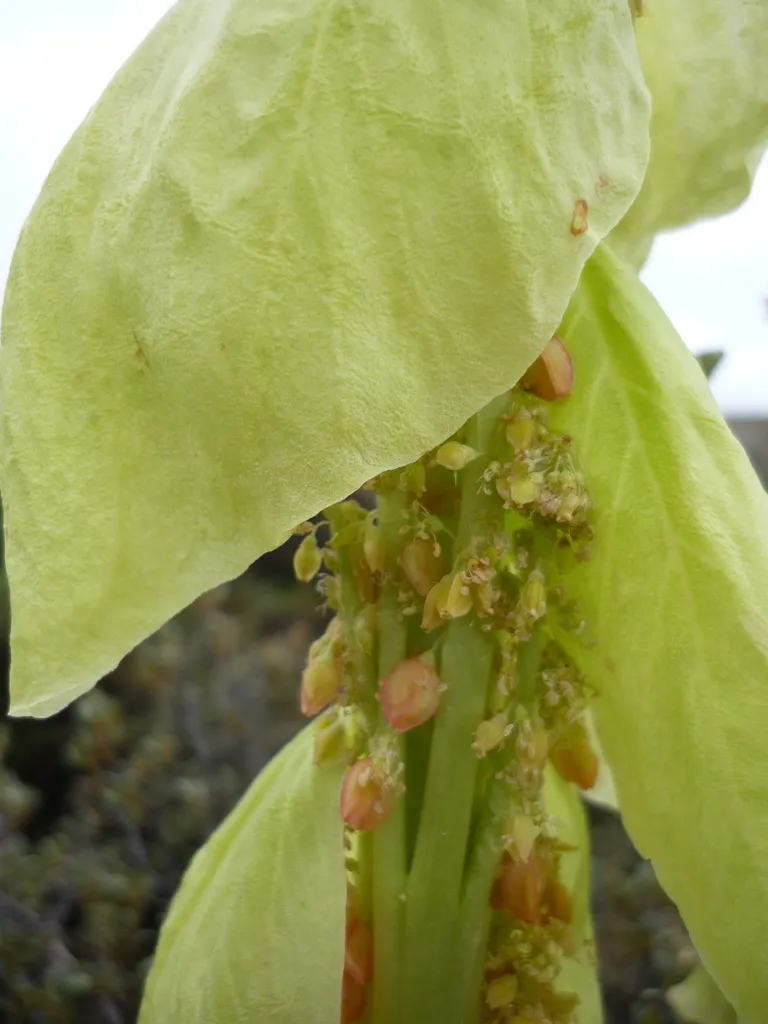
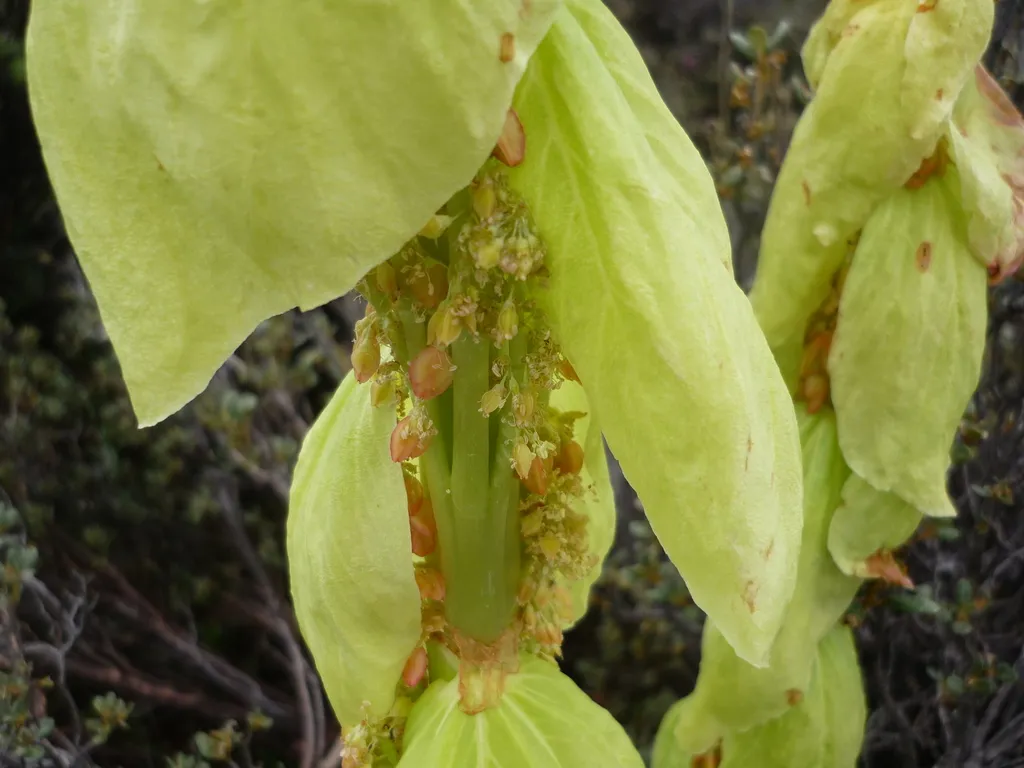
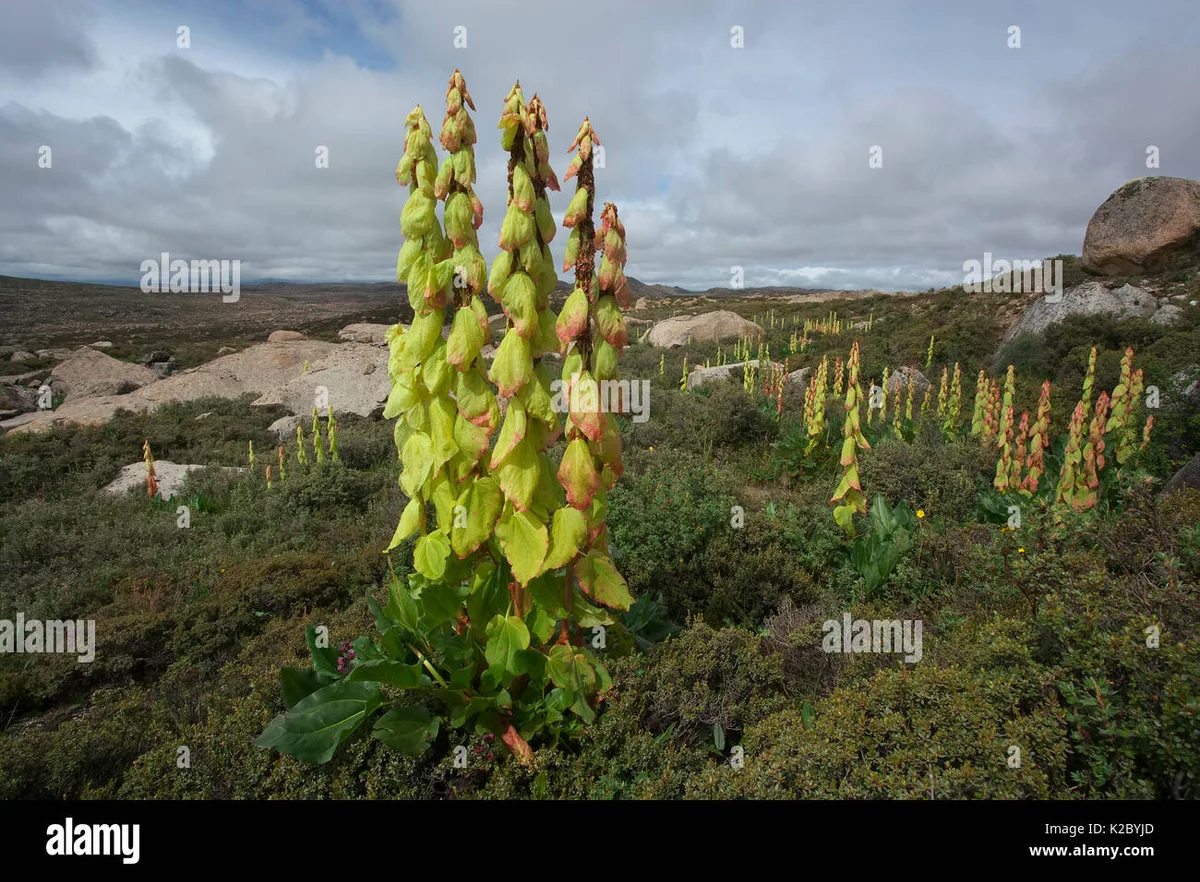
A rhizomatous perennial with large, glossy, dark green leaves with heart-shaped bases and prominent veins. In early summer produces drooping sprays up to 60cm long of tiny, star-shaped, yellow-green flowers which are almost covered by hanging, creamy bracts 10cm or more long
Scientific classification
- Species
- Alexander's rhubarb (Rheum alexandrae)
- Genus
- Rheum
- Family
- Polygonaceae
- Harmful if eaten. Wear gloves and other protective equipment when handling LJD
- Toxicity
- Bogs · Herbaceous Perennial
- Plant type
- 1-1.5 metres
- Height
- 0.5-1 metres
- Spread
- Deciduous
- Foliage
- Bushy
- Habit
- Spring · Summer · Autumn
- Season of interest
- Full sun · Partial shade
- Sunlight
- Information to be completed
- Ideal temperature









Alexander's rhubarb pictures
Distribution of Alexander's rhubarb
Distribution map
- Native
- Introduced
- Cultivated
Source:WCVP v16 · Royal Botanic Gardens, Kew · CC BY 3.0 · Boundaries:WGSRPD / TDWG
Culture
Information to be completed
Toxicity
Harmful if eaten. Wear gloves and other protective equipment when handling LJD
Quick identification of Alexander's rhubarb
Information to be completed
Alexander's rhubarb care guide
- Keep soil consistently moist and rich, especially in summer
- Watering
- Full sun · Partial shade
- Sunlight
- Information to be completed
- Ideal temperature

Watering
Keep soil consistently moist and rich, especially in summer
Fertilizing
 Fertilizing
Rich balanced feed in spring and early summer
Pruning
 Pruning
Deadhead spent flower spikes
Propagation
 Propagation
Propagate by division in early spring
Growing
 Growing
Prefers deep, humus-rich, permanently moist soil in full sun. Benefits from mulching with organic matter in spring
People also ask
Information to be completed
Common pests and diseases
Diseases
Generally disease-free
Pests
May be susceptible to slugs and aphids
Explore the plant health library →




