
Rhipsalis baccifera
Also known as: Information to be completed
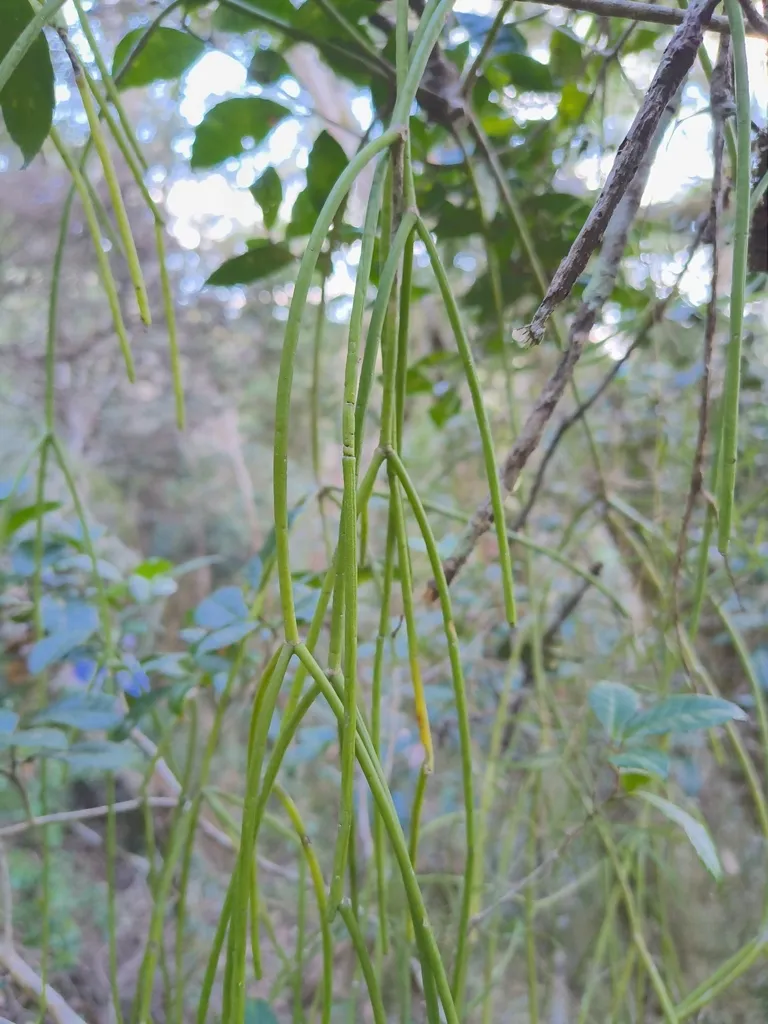
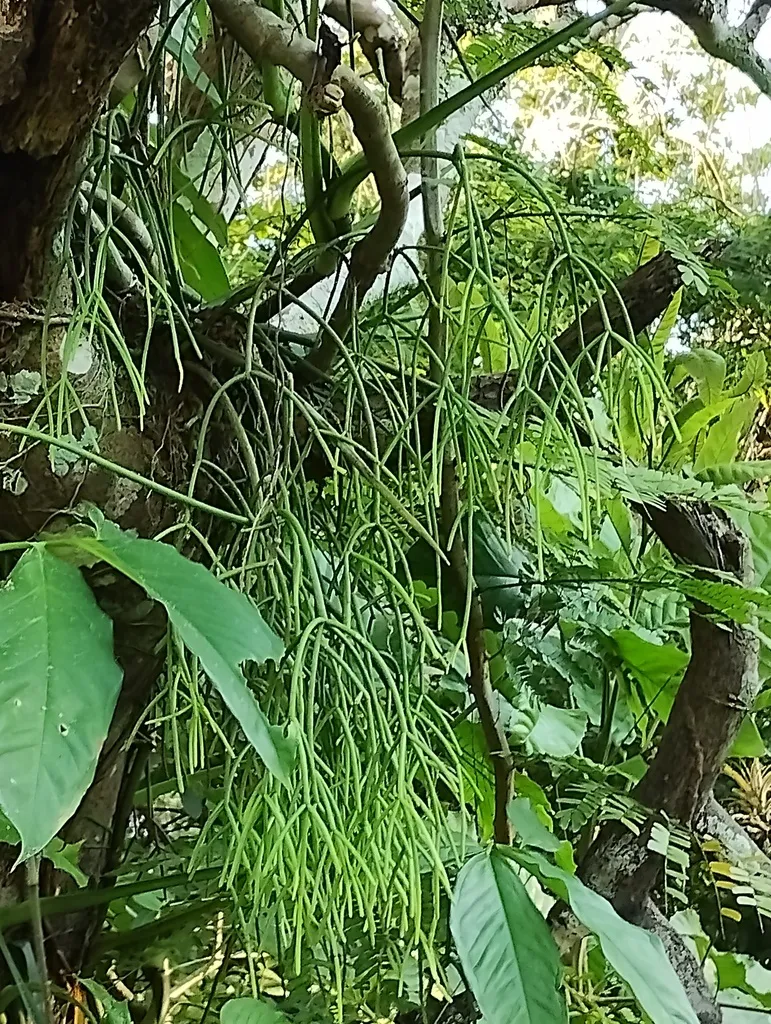
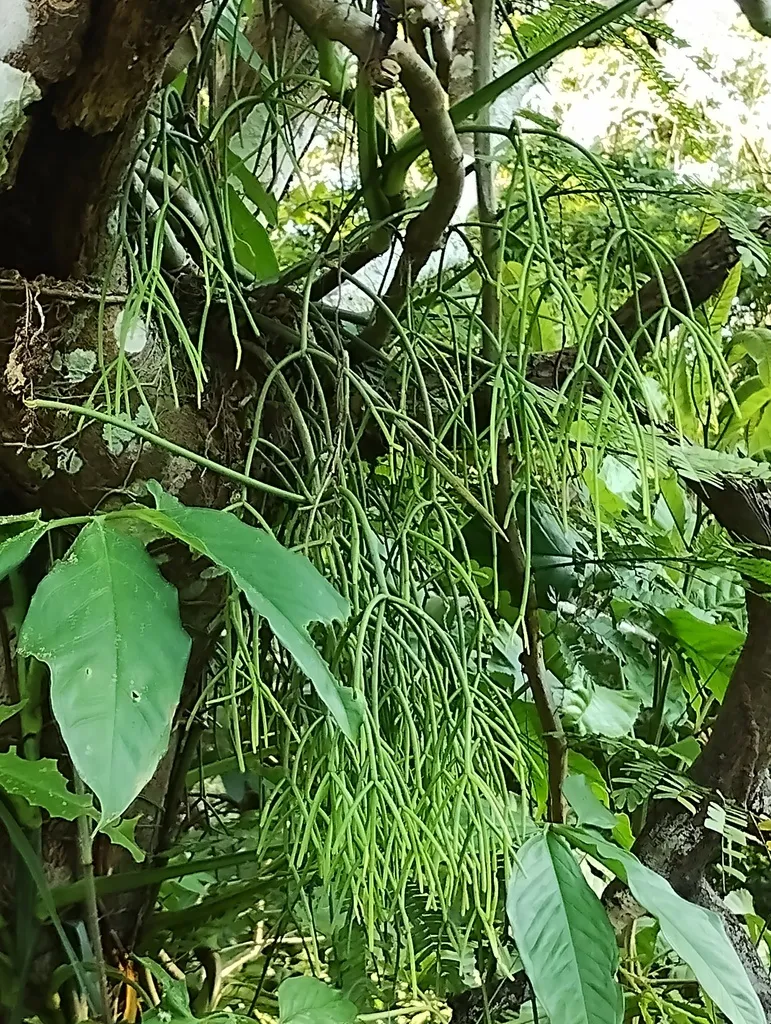
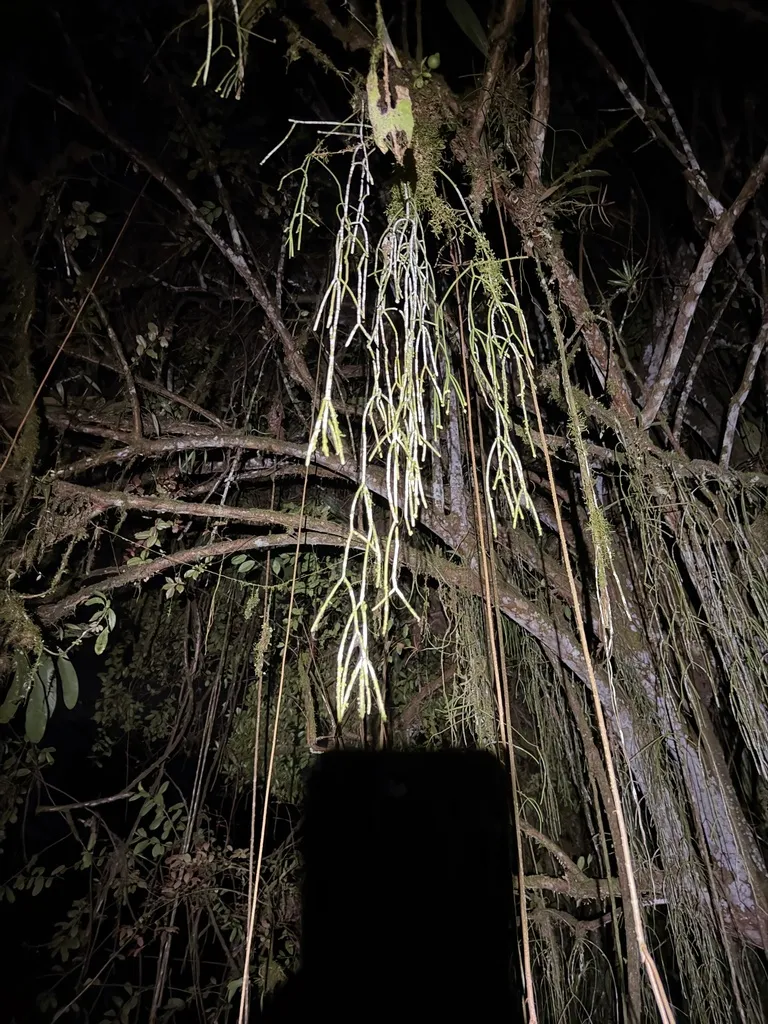
A variable species of epiphytic cactus, with slender, trailing, cylindrical green or pale blue-green stems. Young stems bear sparse woolly areoles with a few bristly spines, these often disappear as the stems mature. Small, funnel-shaped white or greenish-white flowers are produced along the stems, usually from winter to spring but sometimes year round. These are followed by small, round, translucent white or pale pink berries
Scientific classification
- Species
- Rhipsalis baccifera (Rhipsalis baccifera)
- Genus
- Rhipsalis
- Family
- Cactaceae
- Order
- Caryophyllales
- Class
- Magnoliopsida
- Phylum
- Magnoliophyta
- Information to be completed
- Toxicity
- Cactus Succulent · Houseplants
- Plant type
- 2.5-4 metres
- Height
- 0.5-1 metres
- Spread
- Evergreen
- Foliage
- Trailing
- Habit
- Spring · Summer · Autumn · Winter
- Season of interest
- Full sun · Partial shade
- Sunlight
- 18 – 27 °C
- Ideal temperature









Rhipsalis baccifera pictures
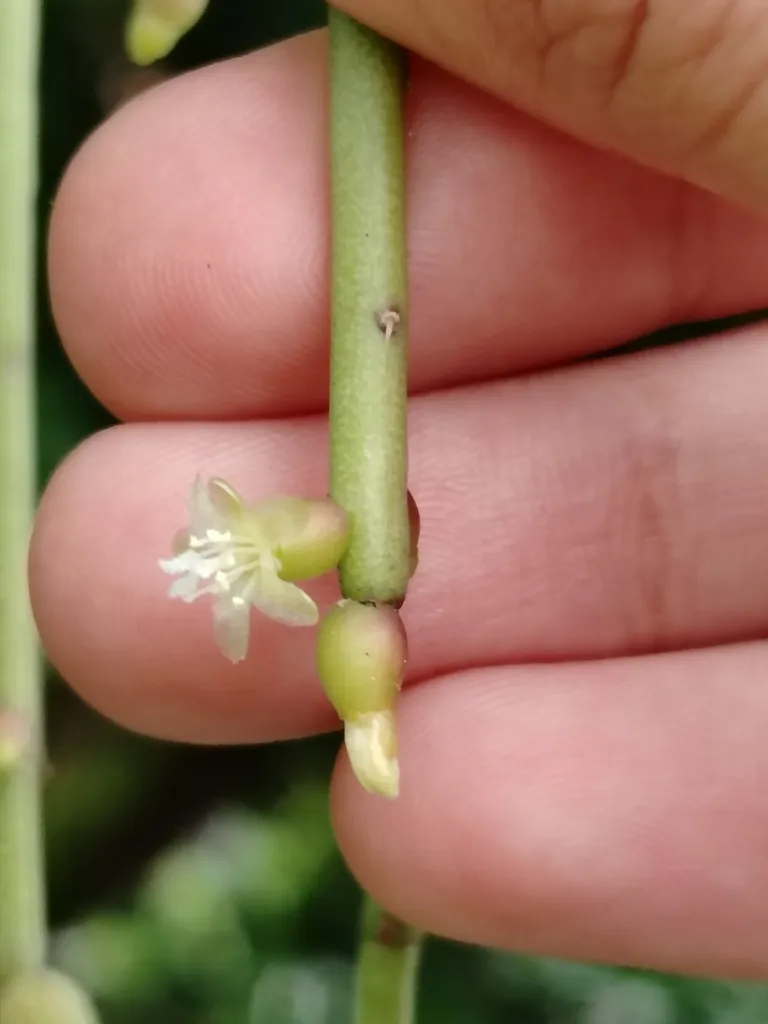
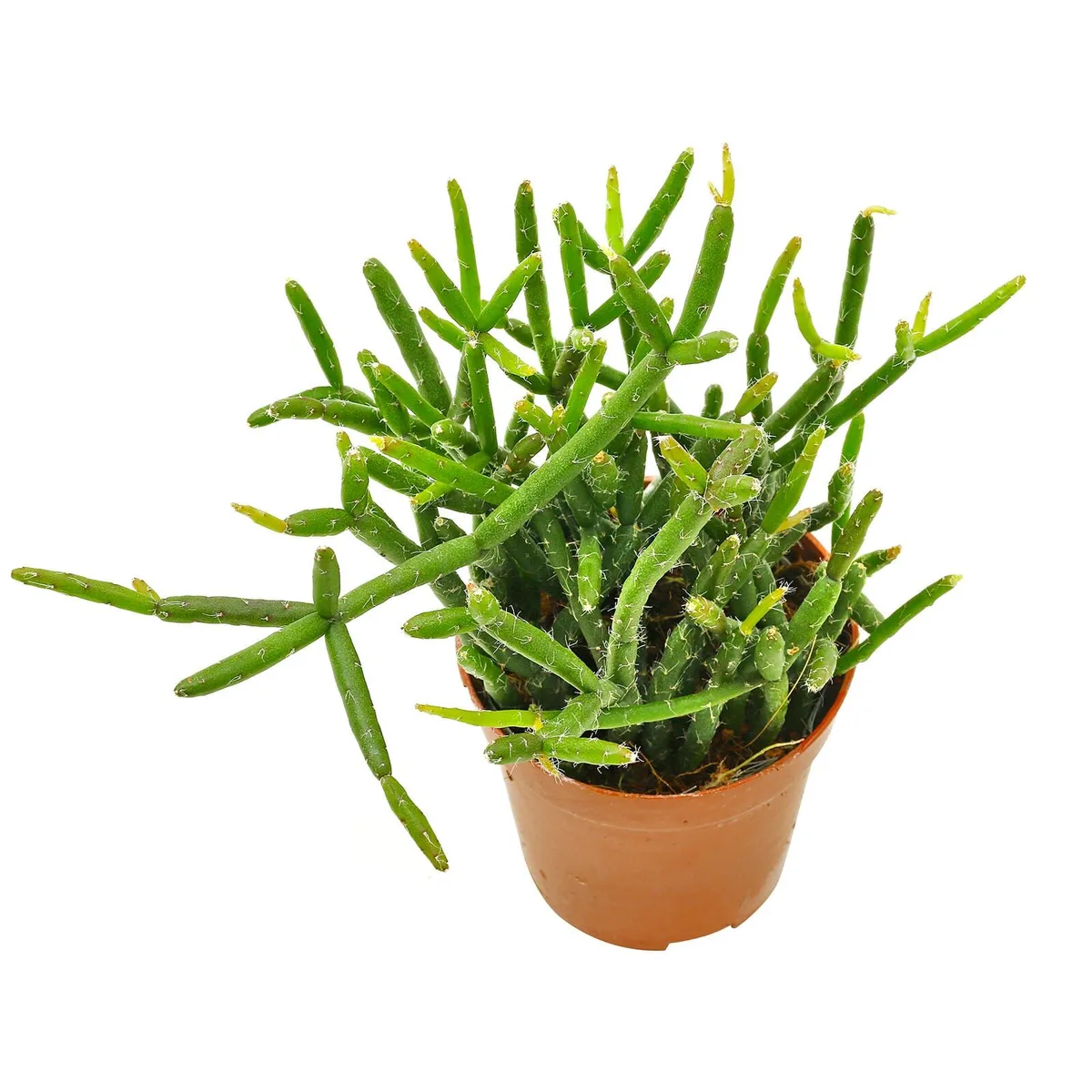
Distribution of Rhipsalis baccifera
Distribution map
- Native
- Introduced
- Cultivated
Source:WCVP v16 · Royal Botanic Gardens, Kew · CC BY 3.0 · Boundaries:WGSRPD / TDWG
Rhipsalis baccifera care guide
- Moderate regular watering, avoid prolonged drought or waterlogging
- Watering
- Full sun · Partial shade
- Sunlight
- 18 – 27 °C
- Ideal temperature

Watering
Moderate regular watering, avoid prolonged drought or waterlogging
Fertilizing
 Fertilizing
Balanced feed in spring and light repeat in growth season
Pruning
 Pruning
No pruning required, though stems can grow to metres long, and may be trimmed if required
Propagation
 Propagation
Propagate by seed, sown at 19-24°C, or by stem cuttings in spring or summer
Growing
 Growing
Grow under glass in an epiphytic cactus compost, in bright indirect light with high humidity. Mist daily with soft water. Water moderately when in growth and apply a dilute low nitrogen fertilizer monthly. Keep just moist in winter. See houseplant cacti and succulent cultivation
Common pests and diseases
Diseases
Generally disease-free
Pests
May be susceptible to mealybugs
Explore the plant health library →




