
elk clover
Also known as: spikenard; Western aralia; Western spikenard
A large, deciduous perennial with spiny stems and massive bi-pinnate leaves. Large loose clusters of greeny-white flowers in autumn, become dark-red, purple-black berries in winter.
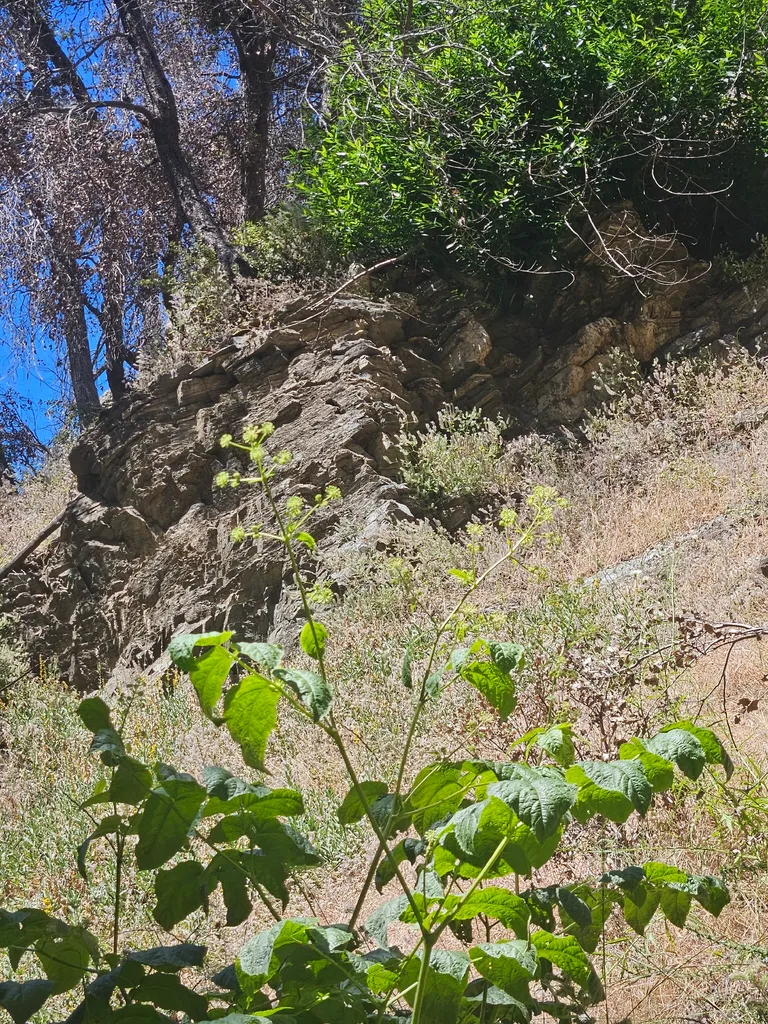
Scientific classification
- Species
- elk clover (Aralia californica)
- Genus
- Aralia
- Family
- Araliaceae
- Order
- Apiales
- Class
- Magnoliopsida
- Phylum
- Magnoliophyta
- Information to be completed
- Toxicity
- Shrubs
- Plant type
- 2.5-4 metres
- Height
- 2.5-4 metres
- Spread
- Deciduous
- Foliage
- Clump forming
- Habit
- Spring · Summer · Autumn · Winter
- Season of interest
- Partial shade
- Sunlight
- Information to be completed
- Ideal temperature









elk clover pictures
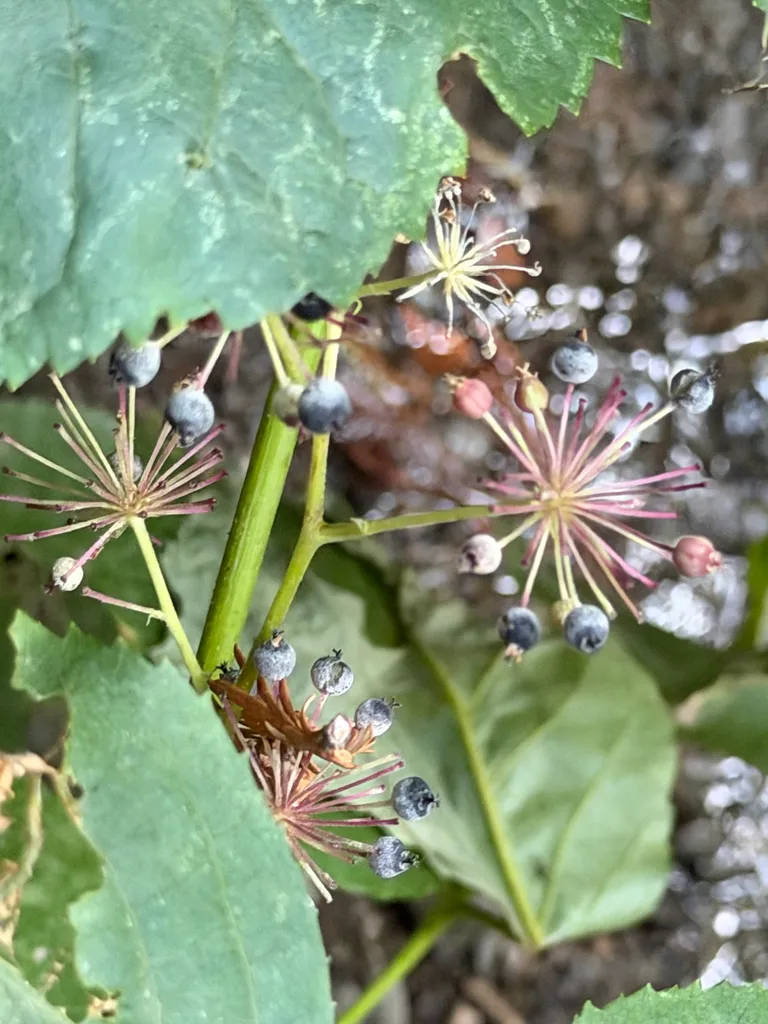
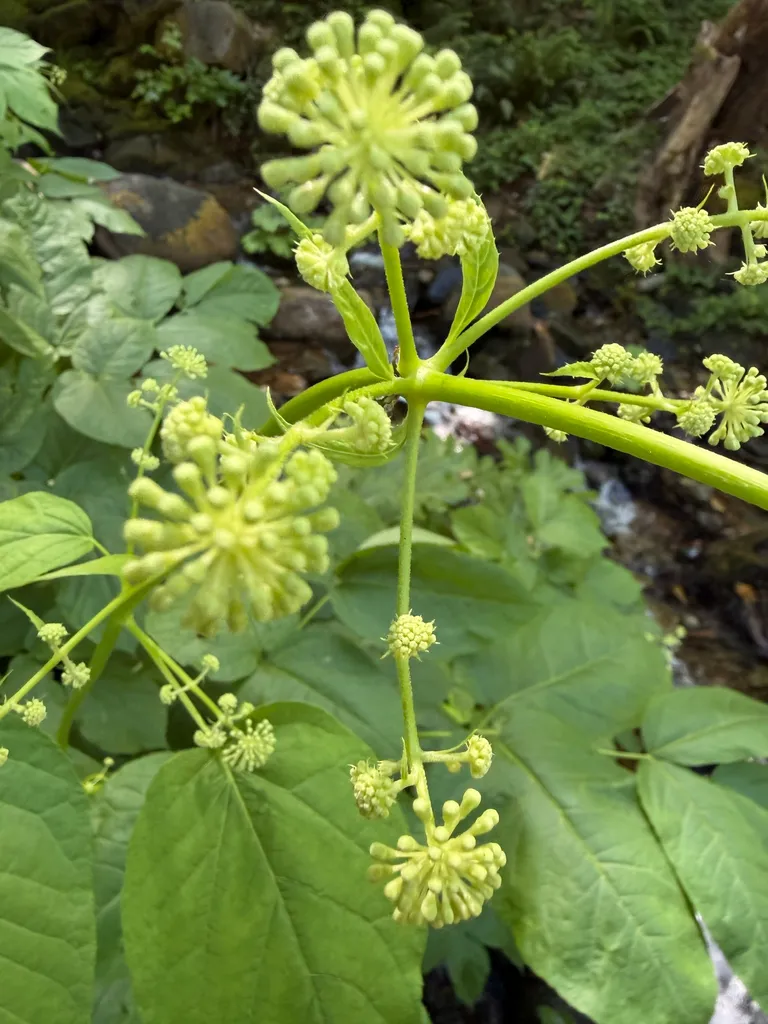
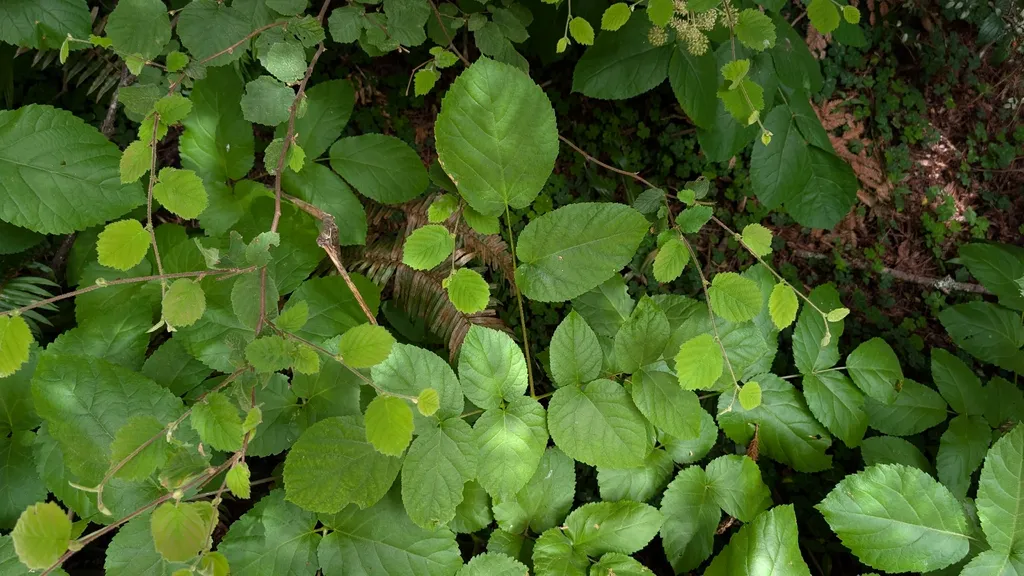
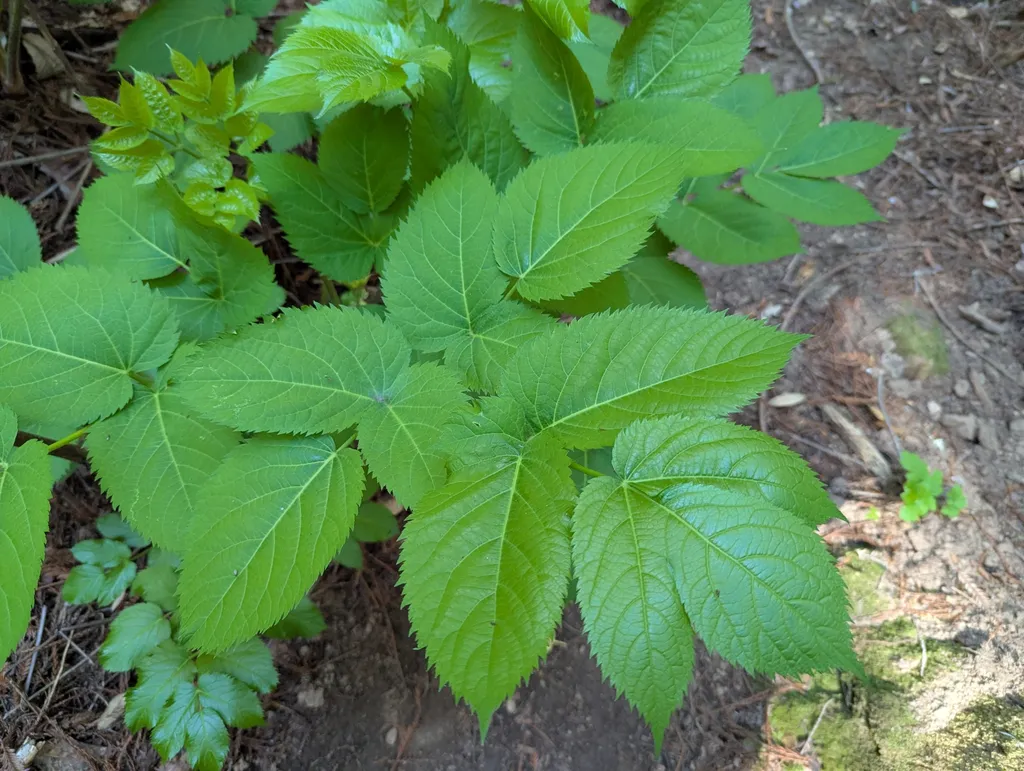
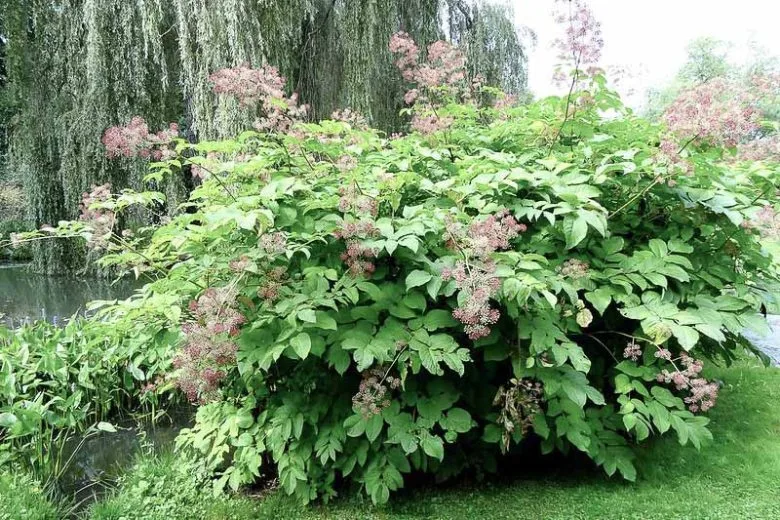
Distribution of elk clover
Distribution map
- Native
- Introduced
- Cultivated
Source:WCVP v16 · Royal Botanic Gardens, Kew · CC BY 3.0 · Boundaries:WGSRPD / TDWG
elk clover care guide
- Moderate steady watering, minor topsoil dryness will not damage foliage
- Watering
- Partial shade
- Sunlight

Watering
Moderate steady watering, minor topsoil dryness will not damage foliage
Fertilizing
 Fertilizing
Balanced large shrub feed twice annually spring and mid-summer time
Pruning
 Pruning
Tidy up in spring
Propagation
 Propagation
Propagate by division in spring, or seed. For more advice see our information on how to propagate from seed (tree/shrub
Growing
 Growing
Grow in any good moisture-retentive soil. Allow enough space for impressive leaves to display. For more information see shrub cultivation.
Common pests and diseases
Diseases
May be susceptible to honey fungus in gardens where it is present but insufficient data to determine degree of susceptibility
Pests
May be susceptible to aphids
Explore the plant health library →




