
Japanese spikenard
Also known as: udo
A spreading, suckering perennial, up to 2.5m tall and wide, with large, pinnate leaves that emerge golden-green in spring, maturing to bright green in summer. Small white flowers are borne in large umbels, up to 45cm across, in late summer and are followed by inedible purple fruits
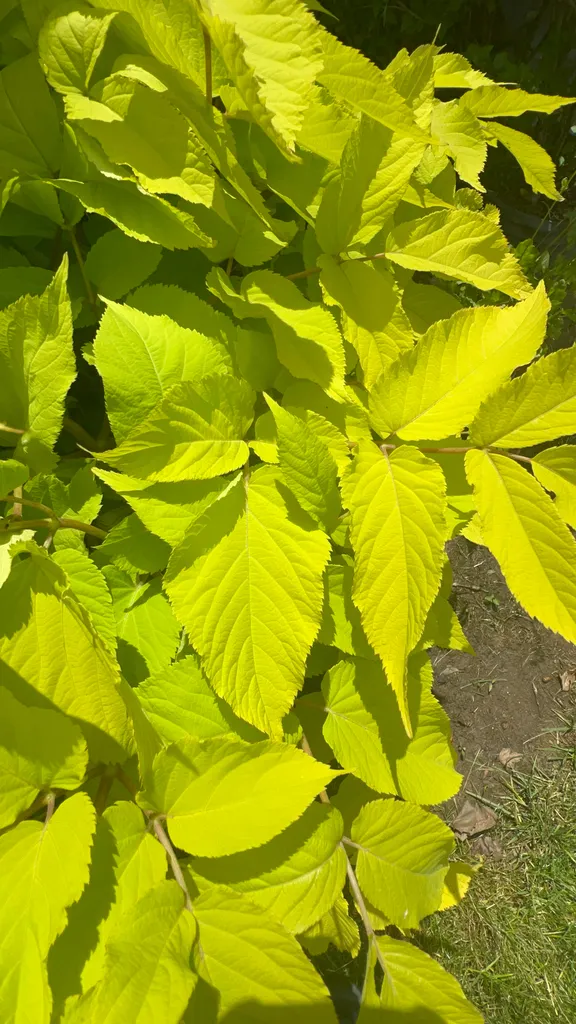
Scientific classification
- Species
- Japanese spikenard (Aralia cordata)
- Genus
- Aralia
- Family
- Araliaceae
- Order
- Apiales
- Class
- Magnoliopsida
- Phylum
- Magnoliophyta
- Information to be completed
- Toxicity
- Herbaceous Perennial
- Plant type
- 1.5-2.5 metres
- Height
- 1.5-2.5 metres
- Spread
- Deciduous
- Foliage
- Suckering
- Habit
- Spring · Summer · Autumn
- Season of interest
- Full shade · Full sun · Partial shade
- Sunlight
- Information to be completed
- Ideal temperature









Japanese spikenard pictures
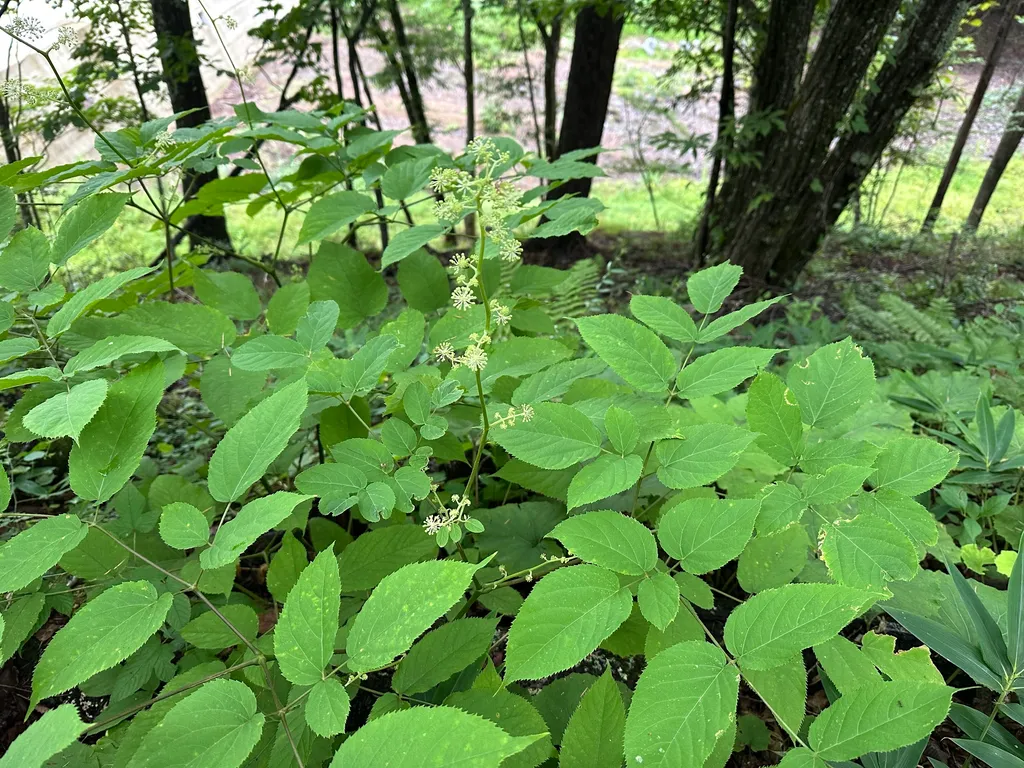
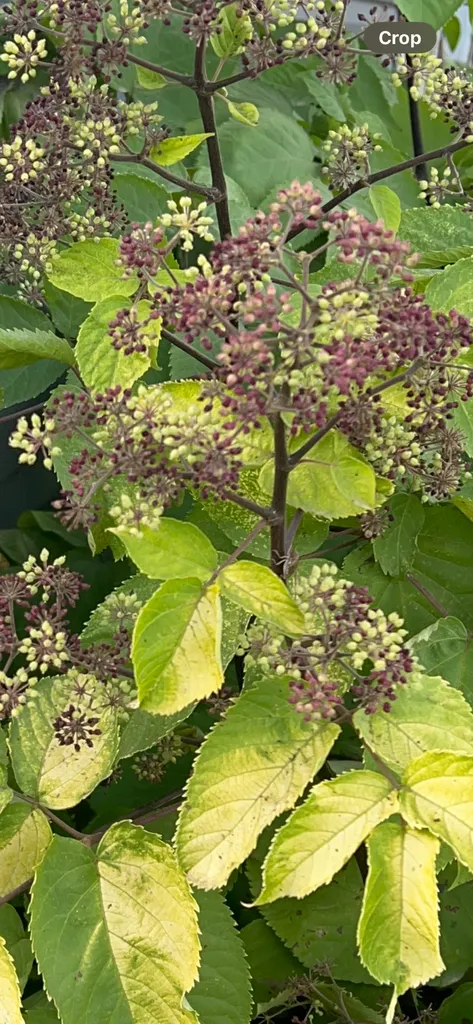
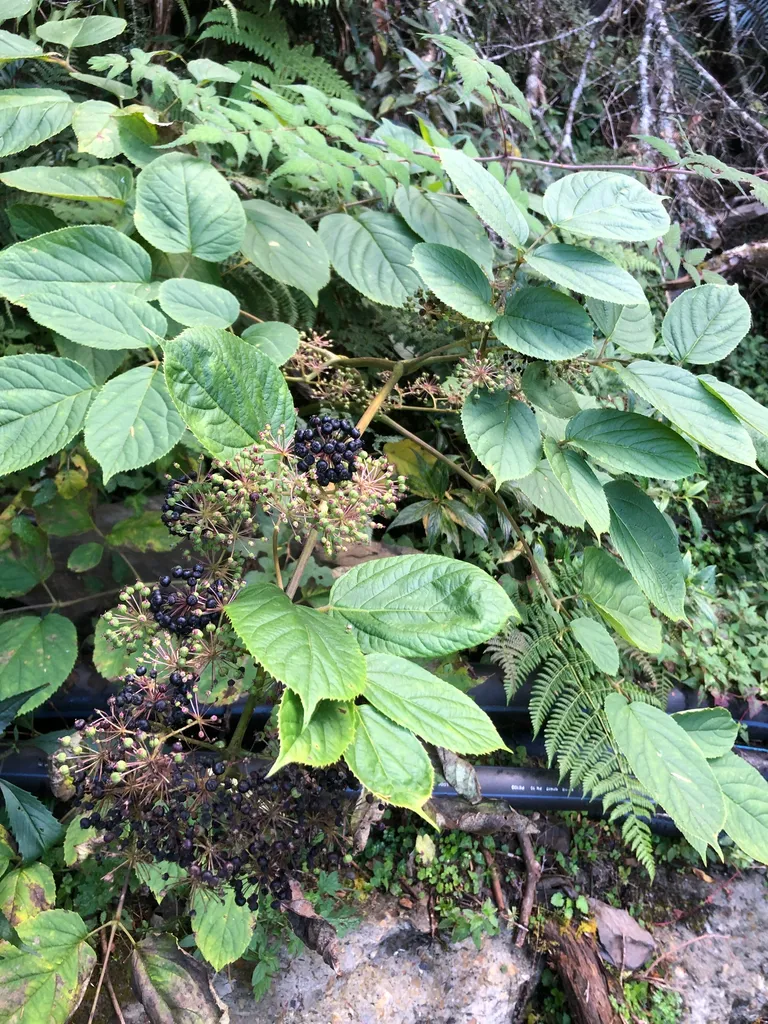
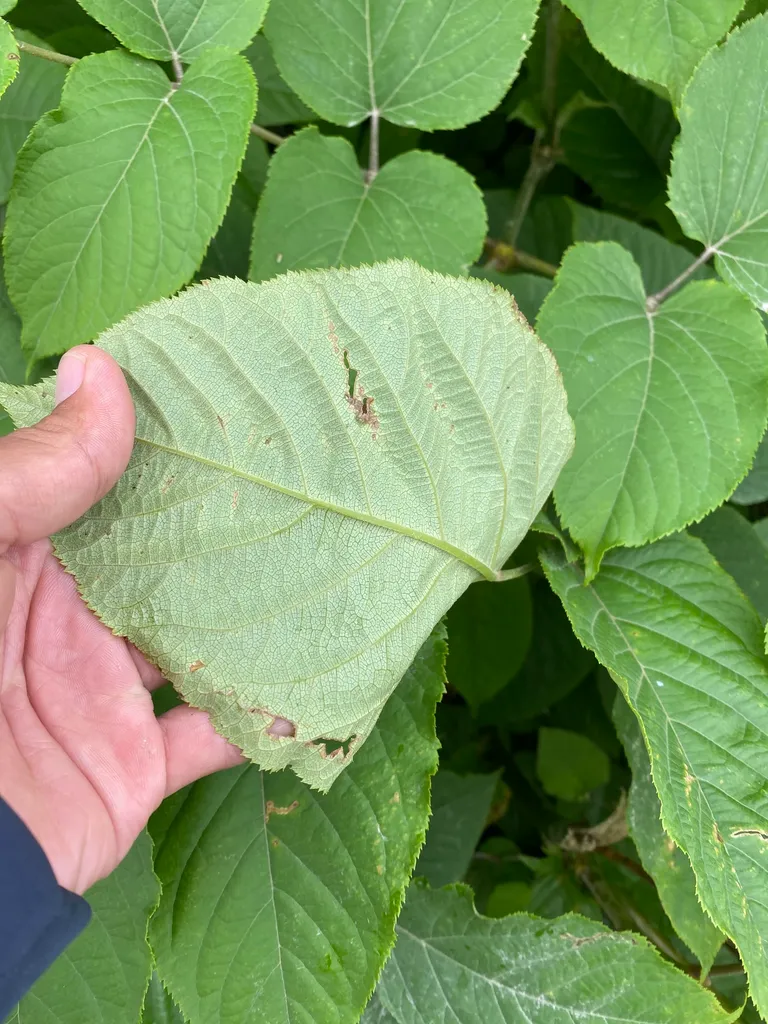
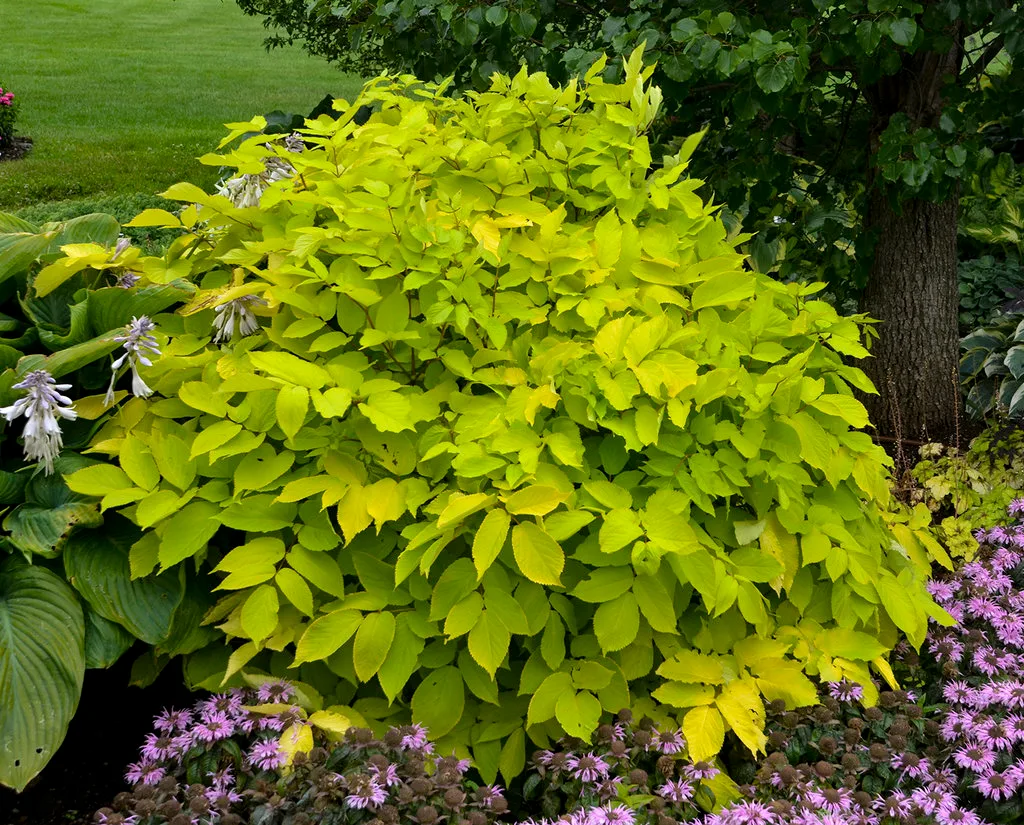
Distribution of Japanese spikenard
Distribution map
- Native
- Introduced
- Cultivated
Source:WCVP v16 · Royal Botanic Gardens, Kew · CC BY 3.0 · Boundaries:WGSRPD / TDWG
Japanese spikenard care guide
- Moderate regular watering, allowing brief slight drying between soakings
- Watering
- Full shade · Full sun · Partial shade
- Sunlight

Watering
Moderate regular watering, allowing brief slight drying between soakings
Fertilizing
 Fertilizing
Balanced perennial feed every four weeks from spring through summer
Pruning
 Pruning
No pruning required
Propagation
 Propagation
Propagates readily from suckers or propagate by seed
Growing
 Growing
Grows best in a moist, neutral to acidic soil in partial shade but will tolerate full shade, or full sun if kept watered
Common pests and diseases
Diseases
May be susceptible to honey fungus in gardens where it is present but insufficient data to determine degree of susceptibility
Pests
May be susceptible to aphids
Explore the plant health library →




