
Moreton Bay pine
Also known as: hoop pine
An upright, frost-tender conifer eventually reaching heights in excess of 50m with rough, reddish-brown bark peeling in circular bands. Young leaves are awl-shaped, up to 2cm long and arranged in spirals whilst adult leaves become scale-like and incurved. Male cones are cylindrical and 2-3cm long and ovoid female cones, 8-10cm long, are borne on mature trees and disintegrate when mature to release nut-like seeds
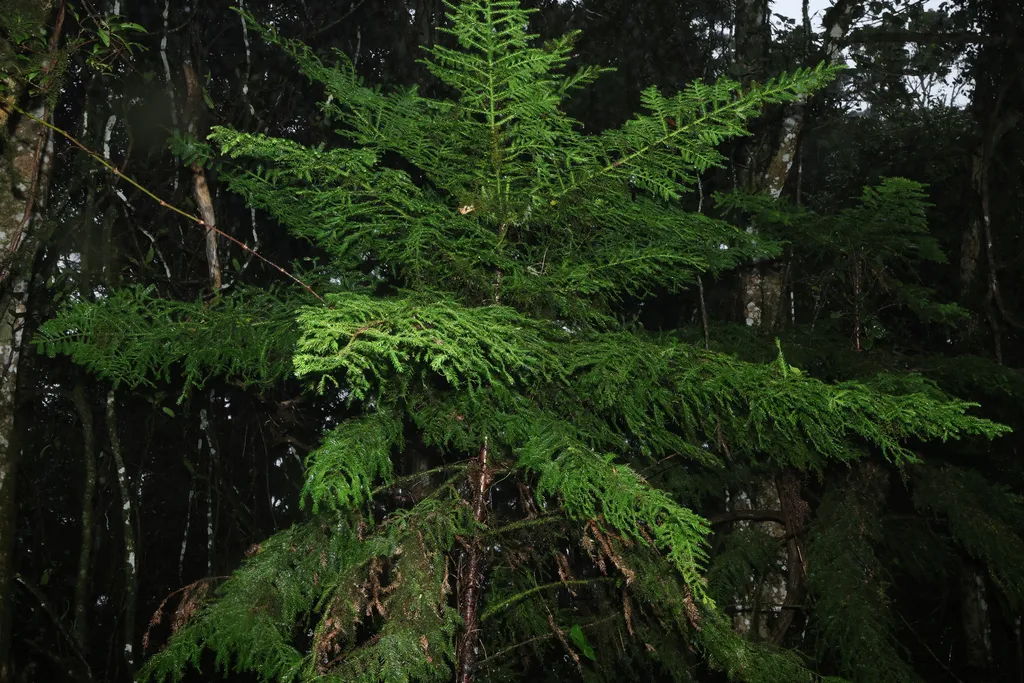
Scientific classification
- Species
- Moreton Bay pine (Araucaria cunninghamii)
- Genus
- Araucaria
- Family
- Araucariaceae
- Order
- Araucariales
- Class
- Pinopsida
- Phylum
- Pinophyta
- Information to be completed
- Toxicity
- Conifers · Trees
- Plant type
- Higher than 12 metres
- Height
- 4-8 metres
- Spread
- Evergreen
- Foliage
- Columnar upright
- Habit
- Spring · Summer · Autumn · Winter
- Season of interest
- Full sun · Partial shade
- Sunlight
- Information to be completed
- Ideal temperature









Moreton Bay pine pictures
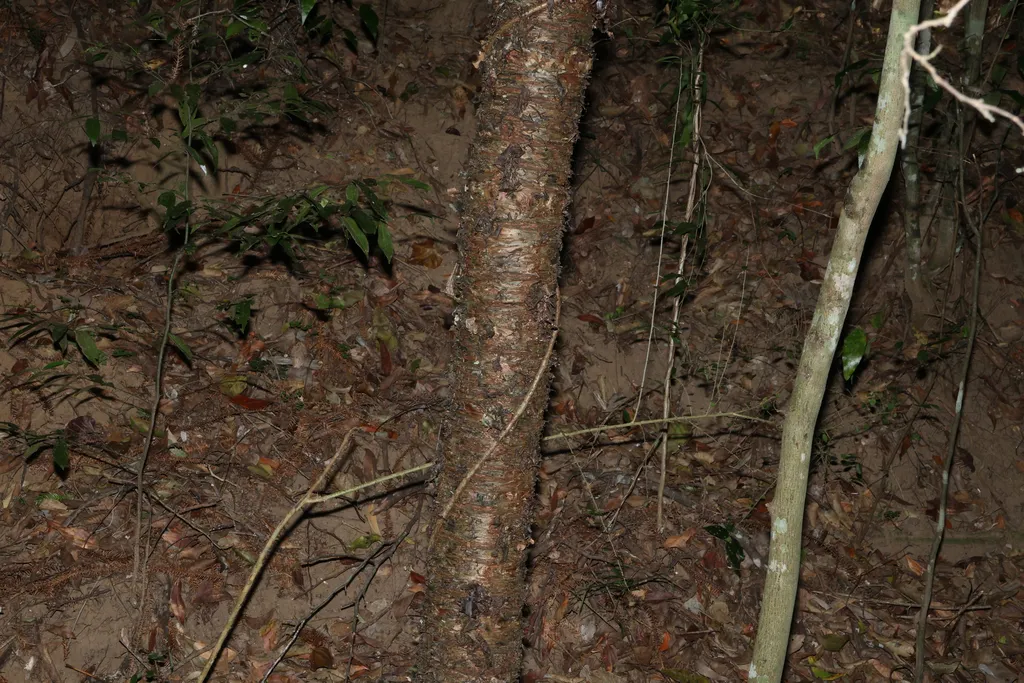
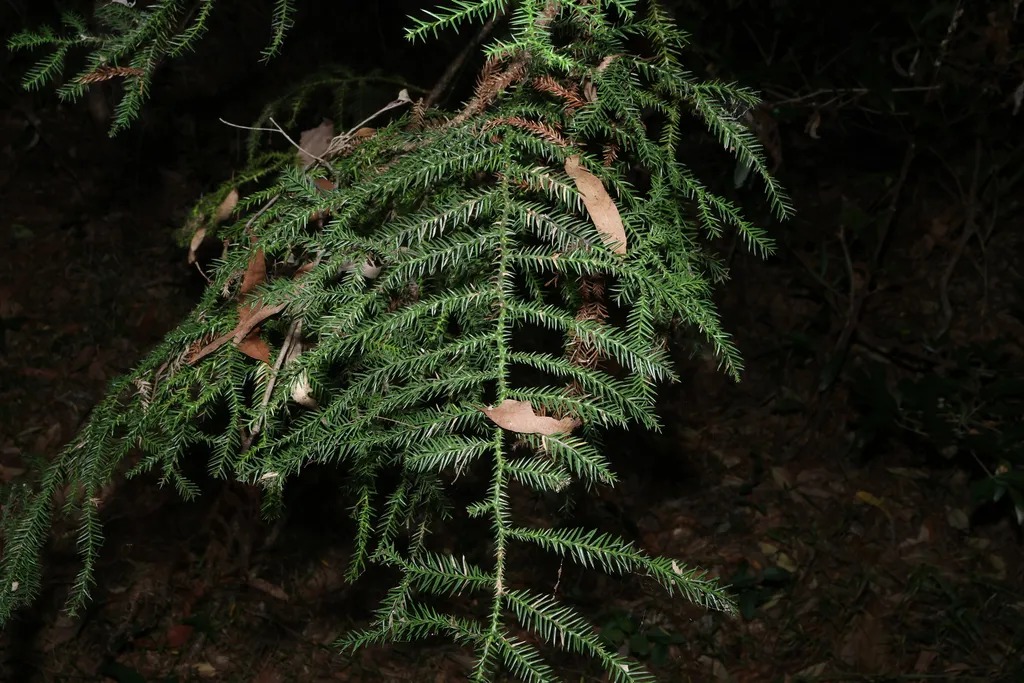
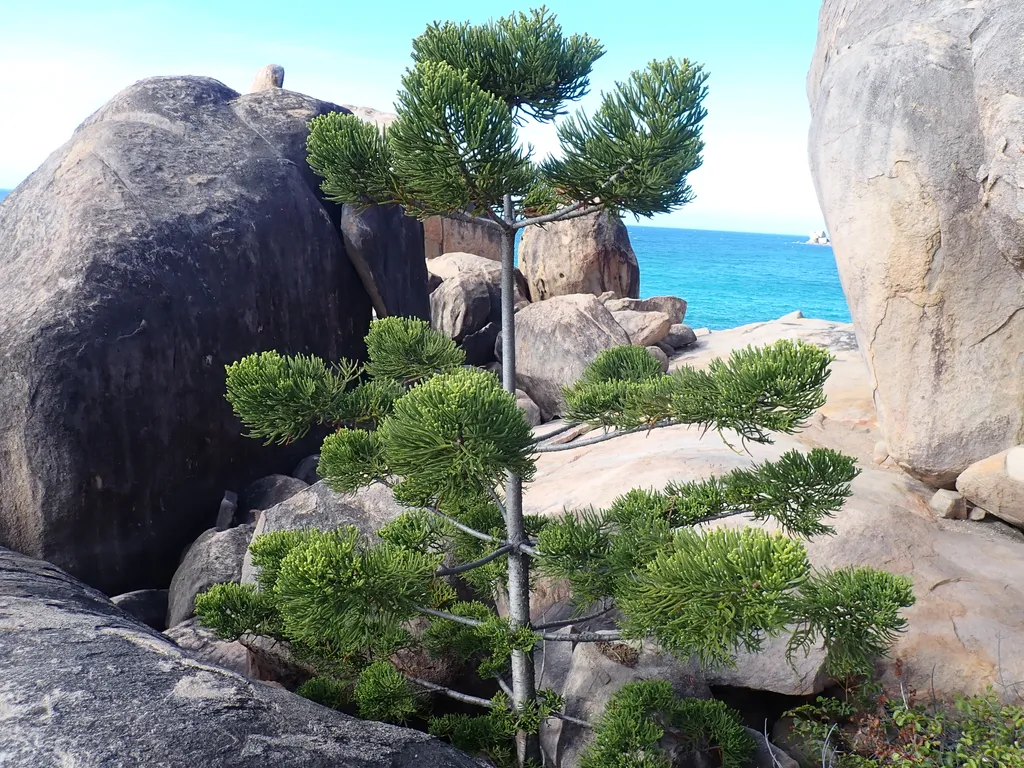
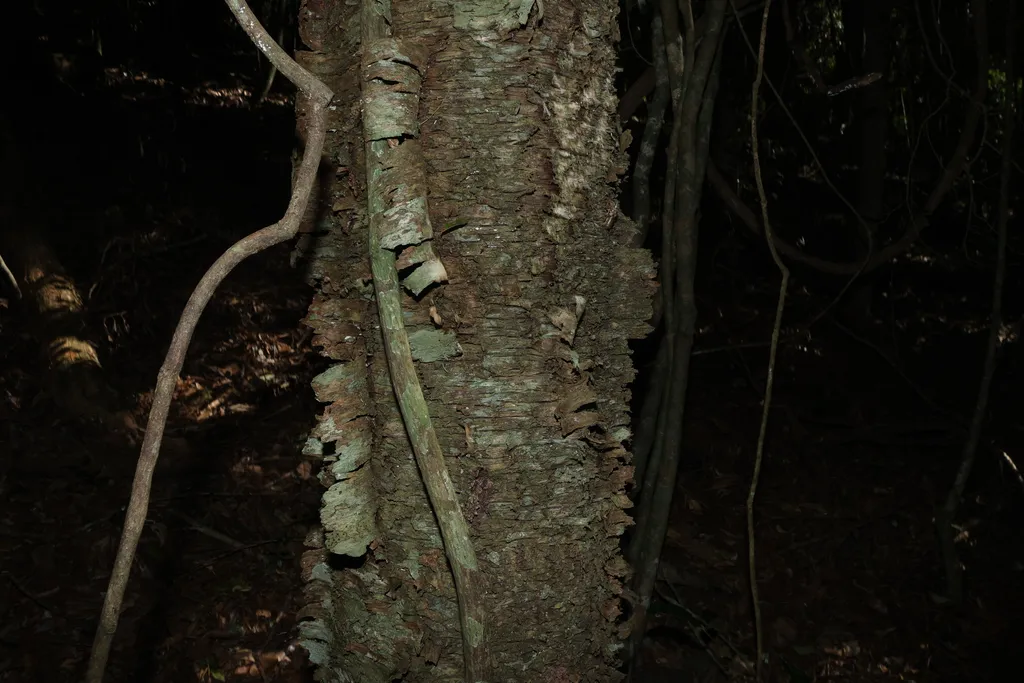
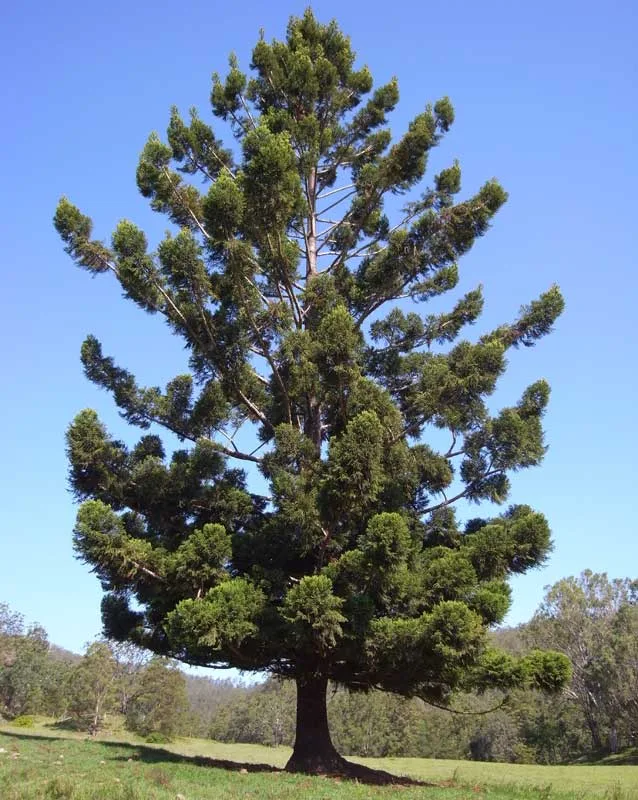
Distribution of Moreton Bay pine
Distribution map
- Native
- Introduced
- Cultivated
Source:WCVP v16 · Royal Botanic Gardens, Kew · CC BY 3.0 · Boundaries:WGSRPD / TDWG
Moreton Bay pine care guide
- Deep infrequent irrigation, tolerate mild drought once root system matures
- Watering
- Full sun · Partial shade
- Sunlight

Watering
Deep infrequent irrigation, tolerate mild drought once root system matures
Fertilizing
 Fertilizing
Conifer slow-release feed applied one time each early spring growing year
Pruning
 Pruning
Little pruning is needed. Remove diseased, damaged, crowded or crossing shoots and unwanted growth. Timing depends on the plant: generally late winter or early spring; plants prone to bleeding and deciduous magnolias need different timing, and deciduous azaleas and lilacs are pruned after flowering.
Propagation
 Propagation
Propagate by seed or by semi-ripe cuttings
Growing
 Growing
Grow outdoors in moderately fertile, well-drained soil in a site sheltered from frost and cold, drying winds
Common pests and diseases
Diseases
May be susceptible to honey fungus
Pests
Generally pest-free
Explore the plant health library →




