
bangalow palm
Also known as: Illawara palm; piccabben; piccabeen
A tree-like evergreen palm to 15m, with a single trunk and pinnate leaves to 4m long. Flowers small, lilac, in large racemes on mature trees, followed by red fruit
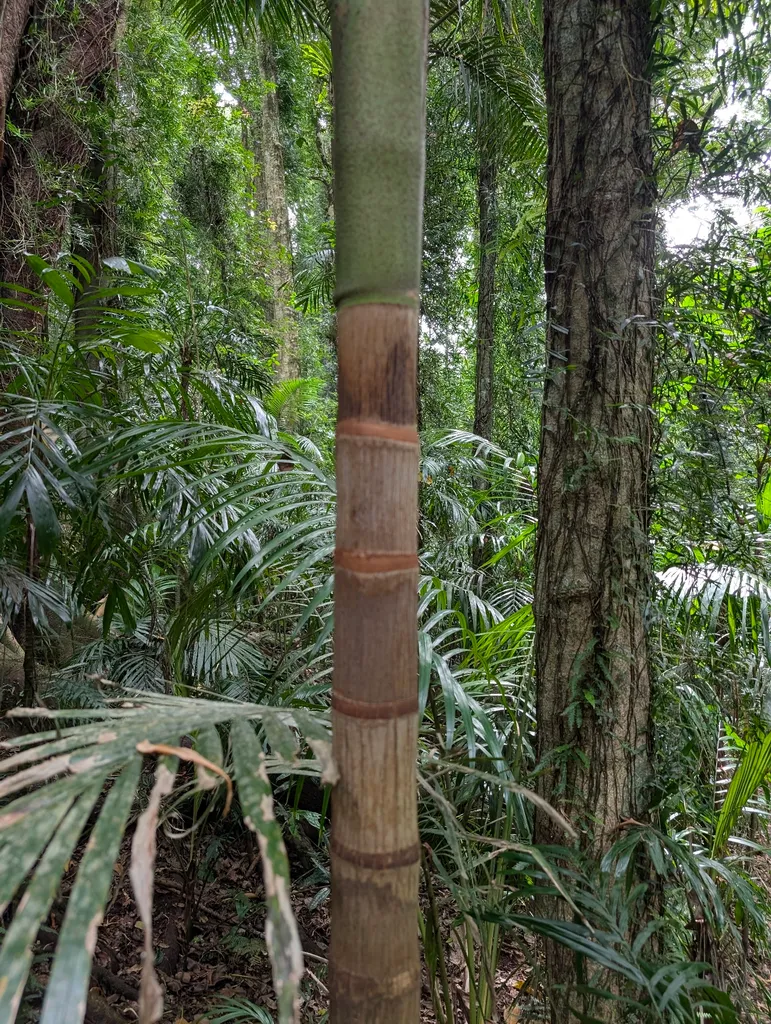
Scientific classification
- Species
- bangalow palm (Archontophoenix cunninghamiana)
- Genus
- Archontophoenix
- Family
- Arecaceae
- Order
- Arecales
- Class
- Liliopsida
- Phylum
- Magnoliophyta
- Information to be completed
- Toxicity
- Conservatory Greenhouse · Palms
- Plant type
- Higher than 12 metres
- Height
- 4-8 metres
- Spread
- Evergreen
- Foliage
- Columnar upright
- Habit
- Spring · Summer · Autumn · Winter
- Season of interest
- Partial shade
- Sunlight
- Information to be completed
- Ideal temperature









bangalow palm pictures
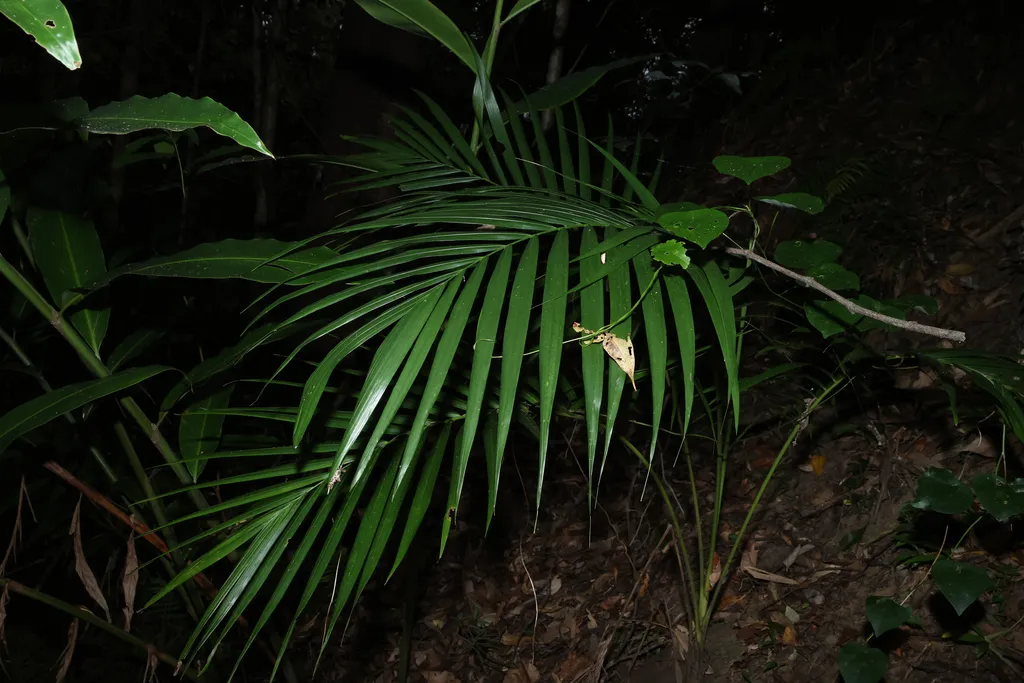
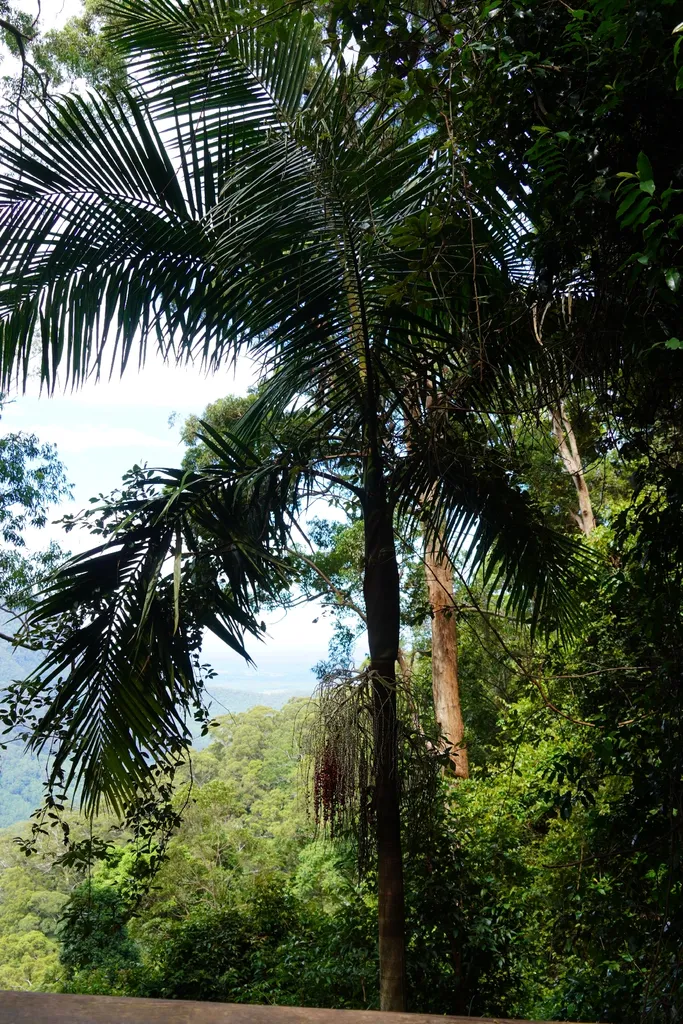
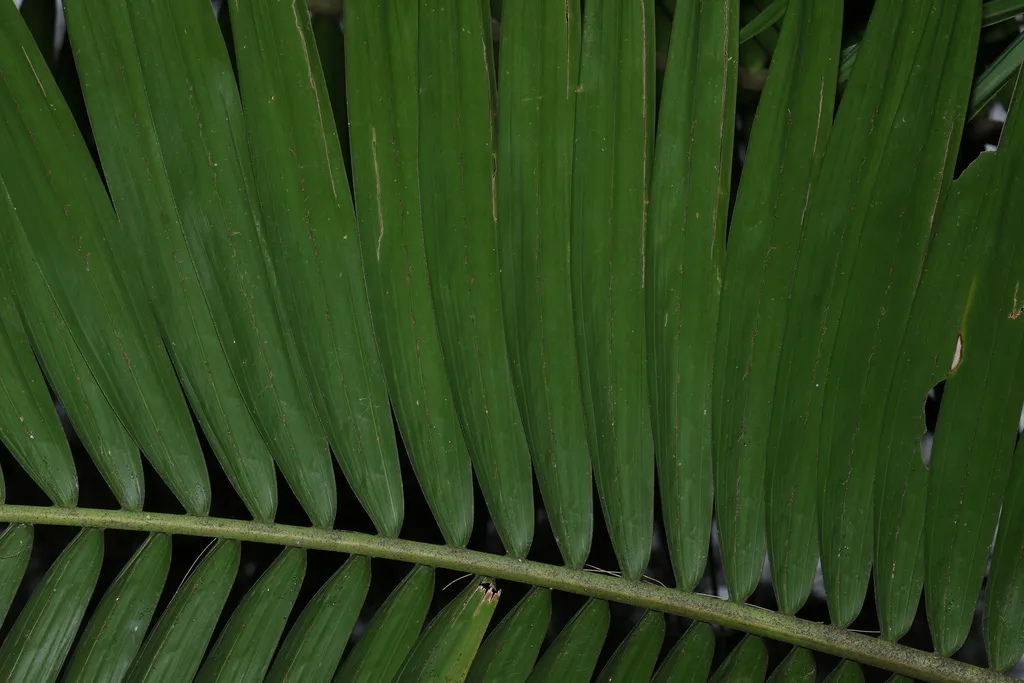
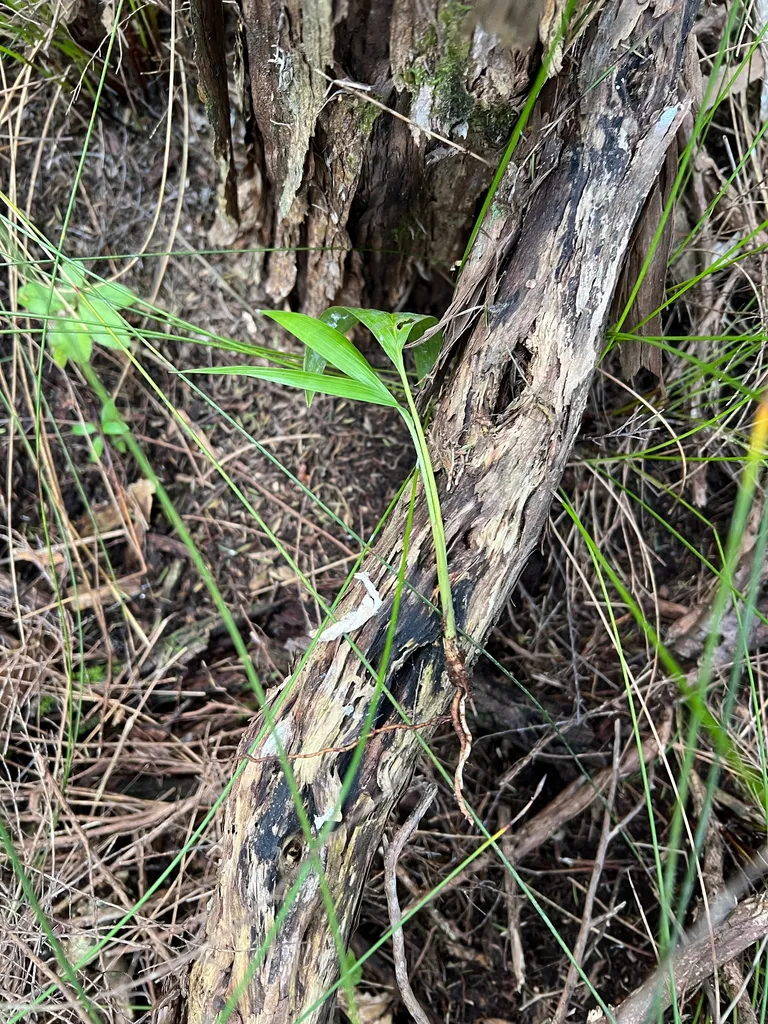
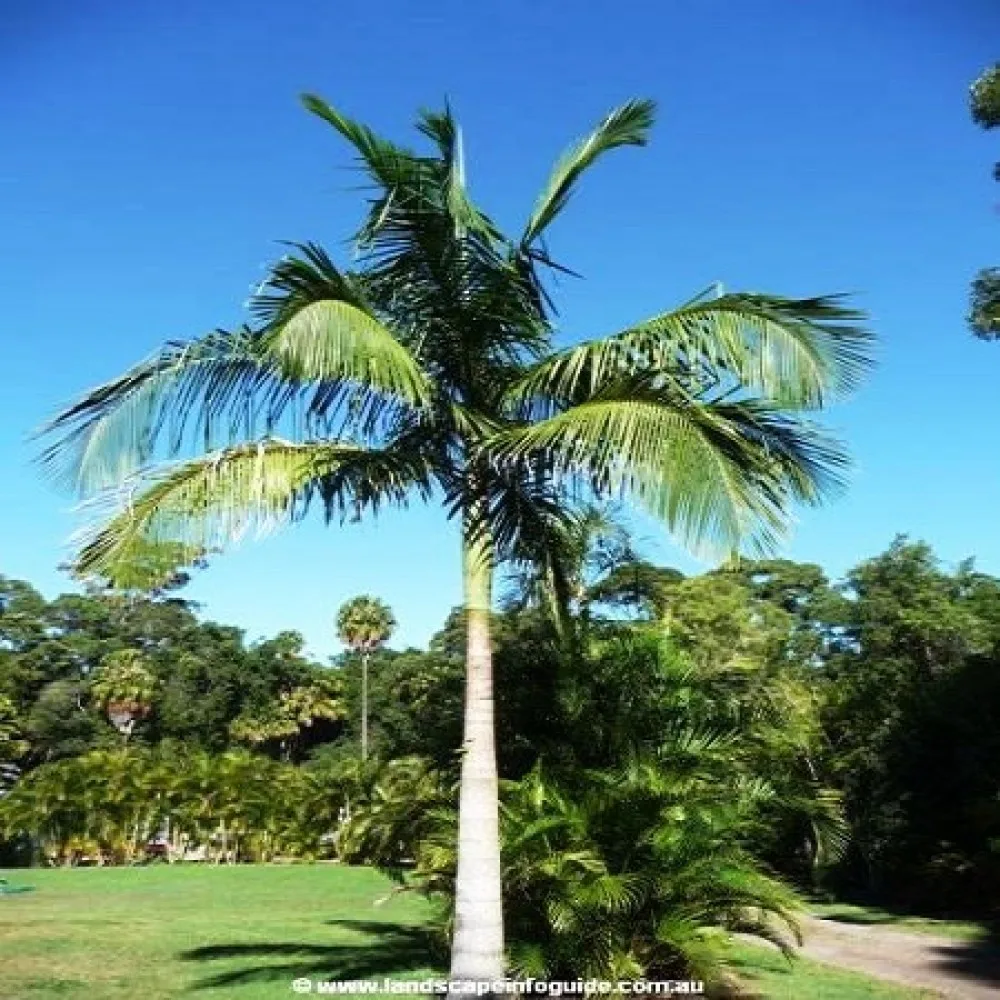
Distribution of bangalow palm
Distribution map
- Native
- Introduced
- Cultivated
Source:WCVP v16 · Royal Botanic Gardens, Kew · CC BY 3.0 · Boundaries:WGSRPD / TDWG
bangalow palm care guide
- Moderate regular watering, allowing brief slight drying between soakings
- Watering
- Partial shade
- Sunlight

Watering
Moderate regular watering, allowing brief slight drying between soakings
Fertilizing
 Fertilizing
Balanced perennial feed every four weeks from spring through summer
Pruning
 Pruning
Minimal pruning required; remove dead leaves by cutting close to the leaf base leaving stubs to create a neat pattern
Propagation
 Propagation
Propagate by seed sown in spring at 24-27°C (75-81°F). Keep compost moist and air humid
Growing
 Growing
Under glass grow in loamless potting compost in bright filtered light with moderate humidity. When in growth, water moderately and apply a liquid fertilizer monthly; keep just moist in winter. Outdoors grow in fertile moist but well drained soil in part shade to prevent leaf scorch
Common pests and diseases
Diseases
Generally disease free
Pests
Glasshouse red spider mite may be a problem under glass
Explore the plant health library →




