
greater burdock
Also known as: beggar's buttons; bur; burdock; burr; clite; clod bur; clot bur; cockle bur; cockle button; cuckle; cuckold; gobo; great bur; great burdock; hardane; hardock; harlock; hurr bur; kiss-me-quick; love leaves; stick-button
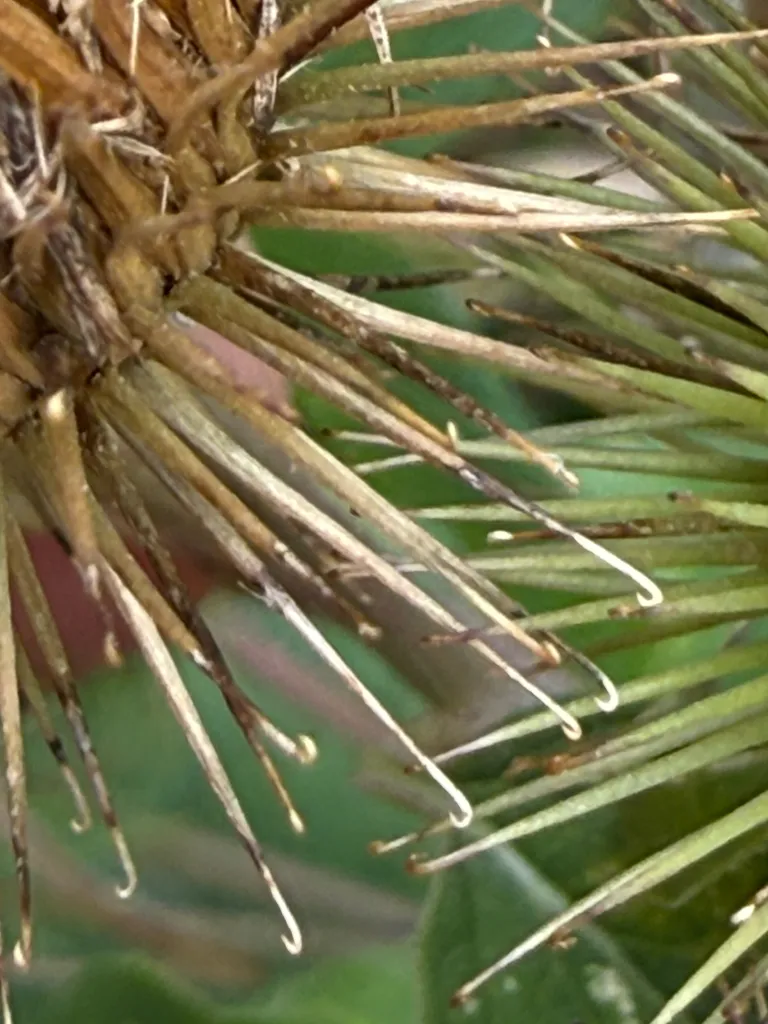
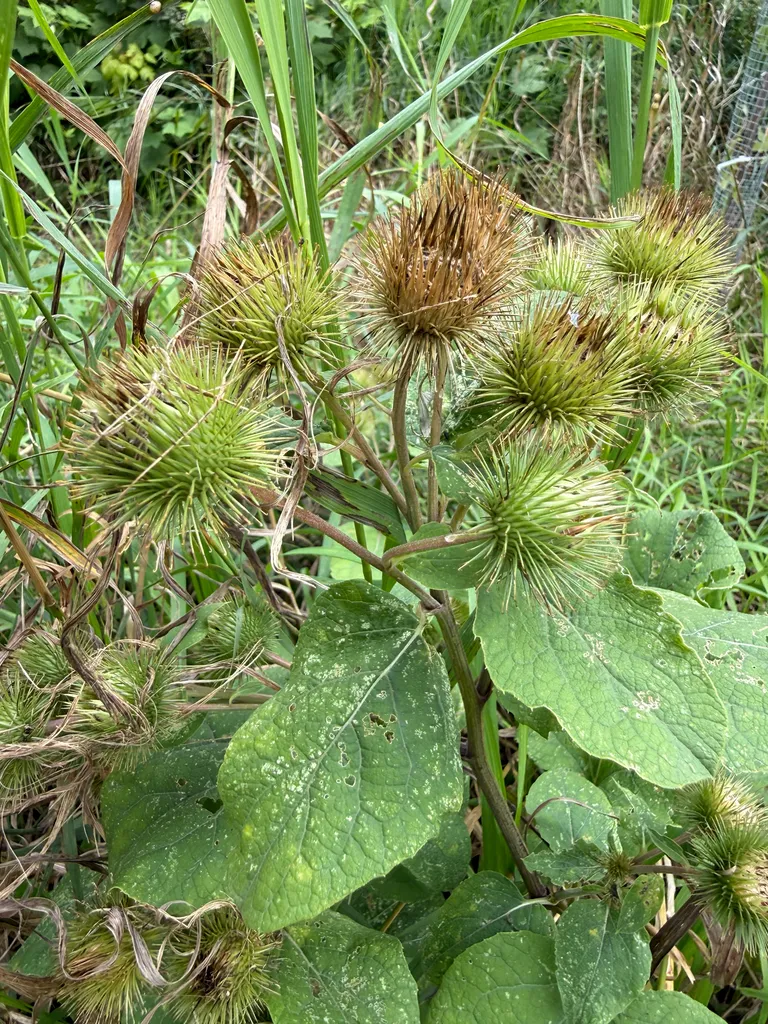
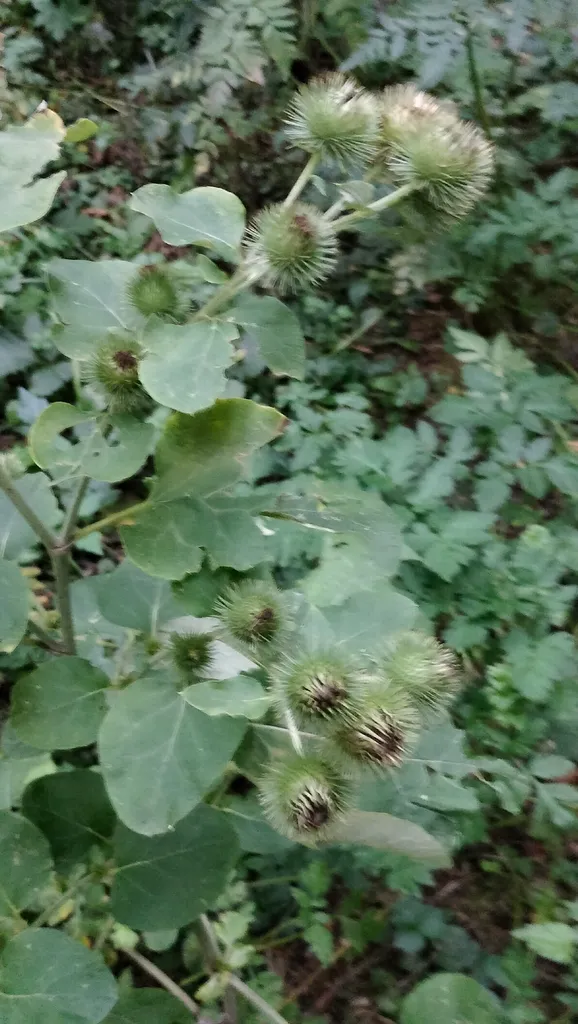
An erect, branching plant to 2m, with purplish flowerheads in clusters on the leafy main branches, and dull green leaves. Characteristic brown seedheads
Scientific classification
- Species
- greater burdock (Arctium lappa)
- Genus
- Arctium
- Family
- Asteraceae
- Information to be completed
- Toxicity
- Annual Biennial · Herbs - Culinary
- Plant type
- 1.5-2.5 metres
- Height
- 1-1.5 metres
- Spread
- Deciduous
- Foliage
- Bushy
- Habit
- Spring · Summer · Autumn
- Season of interest
- Full sun · Partial shade
- Sunlight
- Information to be completed
- Ideal temperature









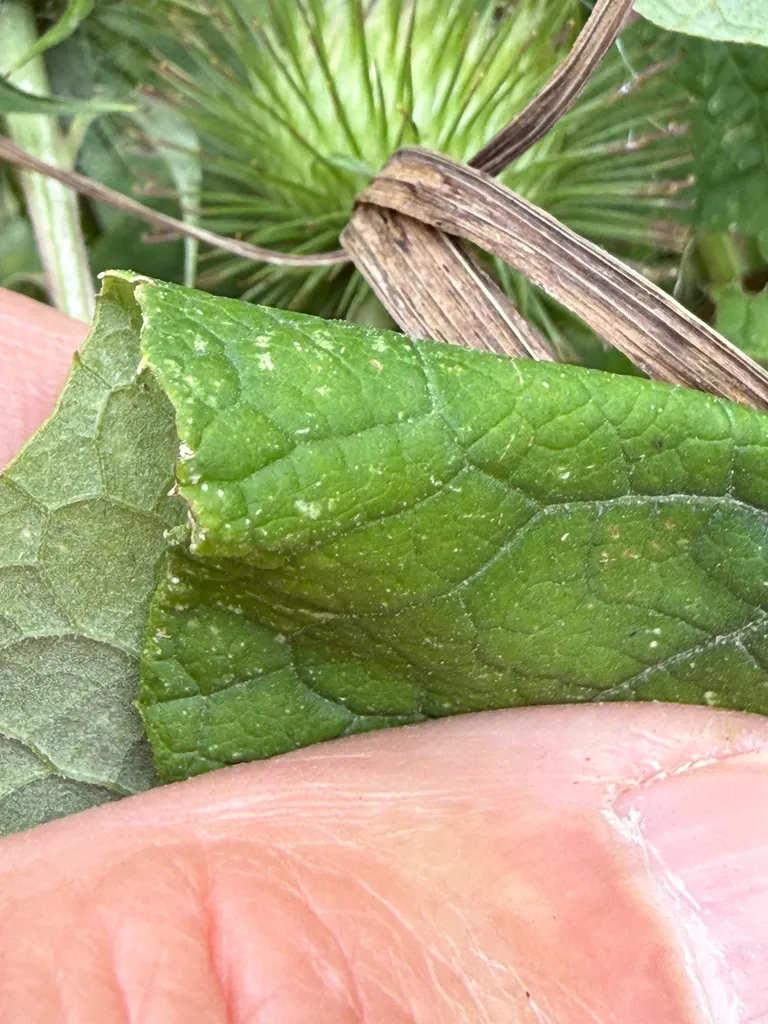
greater burdock pictures
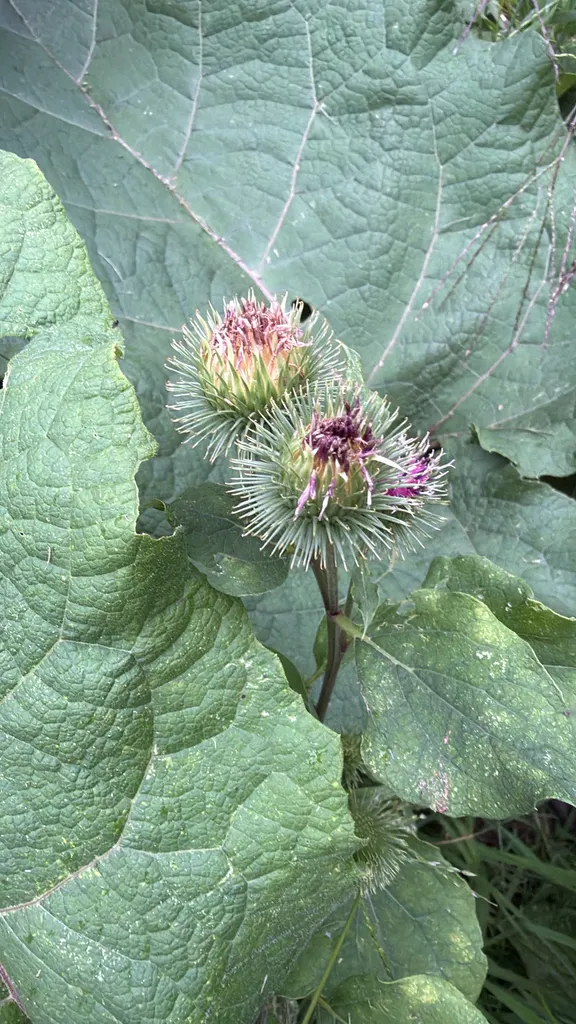
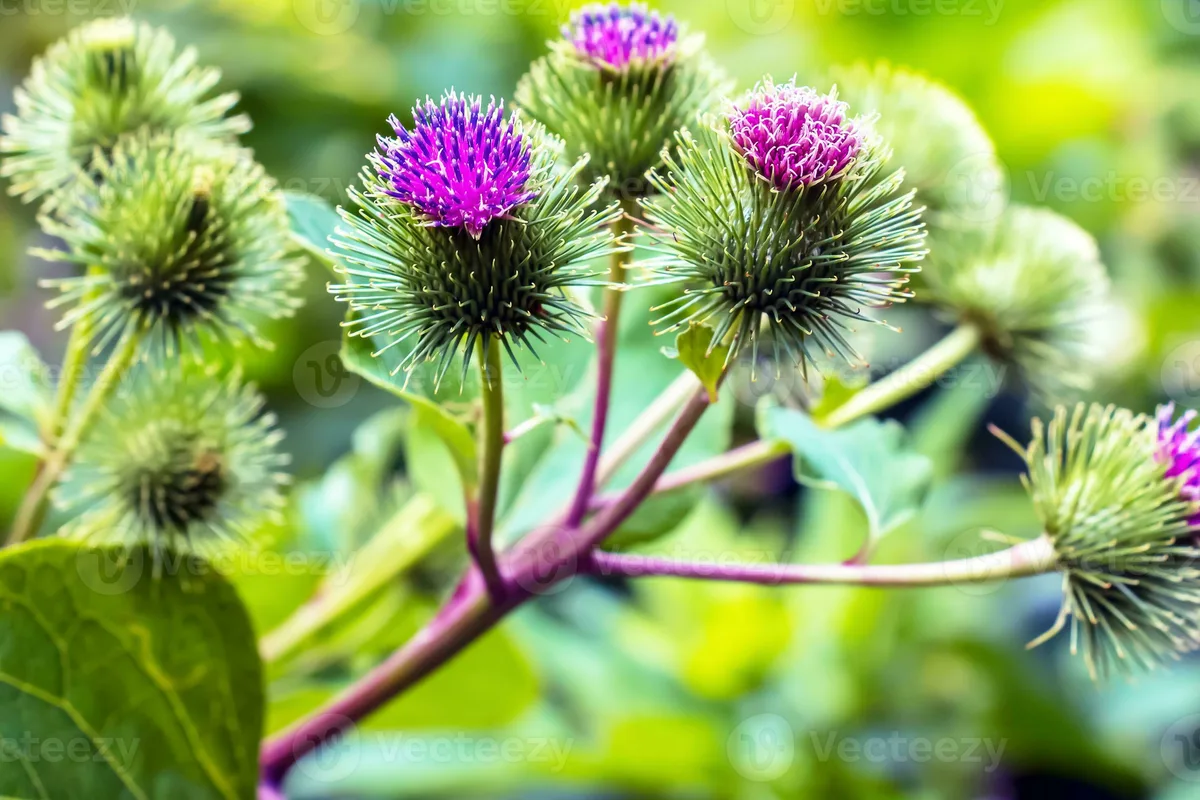
Distribution of greater burdock
Distribution map
Eurasia
Information to be completed
Culture
Information to be completed
Toxicity
Information to be completed
Quick identification of greater burdock
Information to be completed
greater burdock care guide
- Moderate regular watering, allowing brief slight drying between soakings
- Watering
- Full sun · Partial shade
- Sunlight
- Information to be completed
- Ideal temperature

Watering
Moderate regular watering, allowing brief slight drying between soakings
Fertilizing
 Fertilizing
Balanced perennial feed every four weeks from spring through summer
Pruning
 Pruning
No pruning necessary
Propagation
 Propagation
Propagate by seed; sow in situ in the autumn or early spring. Alternatively, sow in a tray and transplant before the tap-root develops. To improve germination pre- soak or scarify the seed
Growing
 Growing
Ideally grow in moist soil and full sun or partial shade. It will tolerate wide range of soils
People also ask
Information to be completed
Common pests and diseases
Diseases
Usually trouble free
Pests
Usually trouble free
Explore the plant health library →




