
bean (dwarf French) 'Cantare'
Also known as: Information to be completed
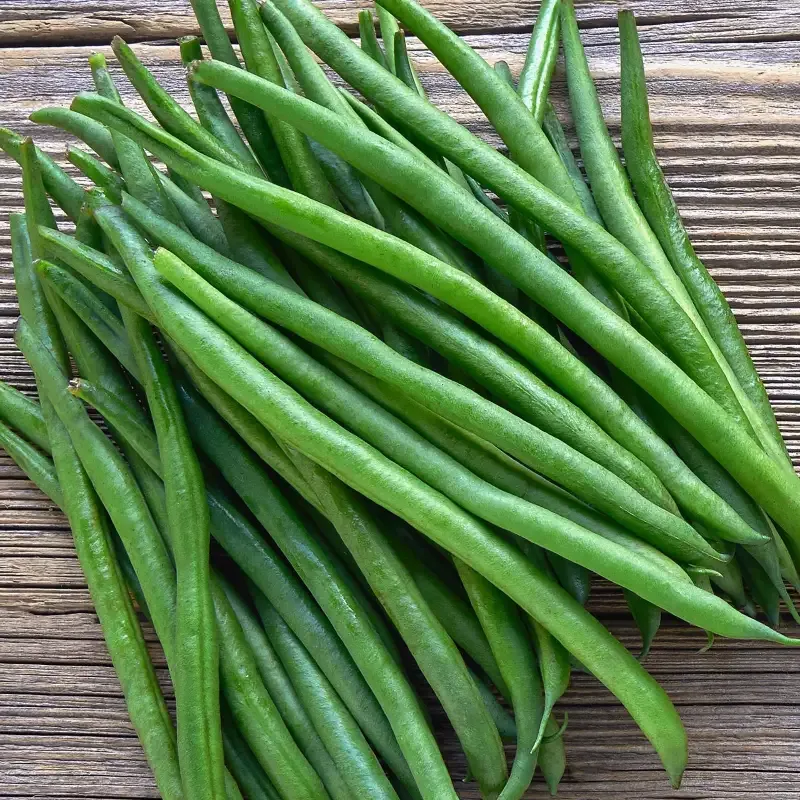
A dwarf bean with green leaves, white flowers and a heavy crop of green fruit. Good disease resistance
Scientific classification
- Species
- bean (dwarf French) 'Cantare' (Phaseolus vulgaris 'Cantare')
- Genus
- Phaseolus
- Family
- Fabaceae
- Order
- Fabales
- Class
- Magnoliopsida
- Phylum
- Magnoliophyta
- Raw pods/beans harmful if eaten. Wear gloves and other protective equipment when handling
- Toxicity
- Annual Biennial · Fruit Edible
- Plant type
- 0.1-0.5 metres
- Height
- 0.1-0.5 metres
- Spread
- Deciduous
- Foliage
- Bushy
- Habit
- Spring · Summer
- Season of interest
- Full sun
- Sunlight
- Information to be completed
- Ideal temperature









bean (dwarf French) 'Cantare' pictures
Distribution of bean (dwarf French) 'Cantare'
Distribution map
- Native
- Introduced
- Cultivated
Source:WCVP v16 · Royal Botanic Gardens, Kew · CC BY 3.0 · Boundaries:WGSRPD / TDWG
Toxicity
Raw pods/beans harmful if eaten. Wear gloves and other protective equipment when handling
bean (dwarf French) 'Cantare' care guide
- Keep soil consistently moist for steady leafy growth without drought stress
- Watering
- Full sun
- Sunlight

Watering
Keep soil consistently moist for steady leafy growth without drought stress
Fertilizing
 Fertilizing
Nitrogen-rich vegetable feed every two to three weeks in active growth
Pruning
 Pruning
No pruning required
Propagation
 Propagation
Propagate by seed. See sowing vegetable seeds
Growing
 Growing
Grow up support in moisture-retentive soil, in full sun. For more advice see french-bean cultivation
Common pests and diseases
Diseases
May be susceptible to a rust and halo blight
Pests
May be susceptible to black bean aphids. Young plants also need protection from slugs and snails.
Explore the plant health library →




