
African lily 'Sky'
Also known as: Information to be completed
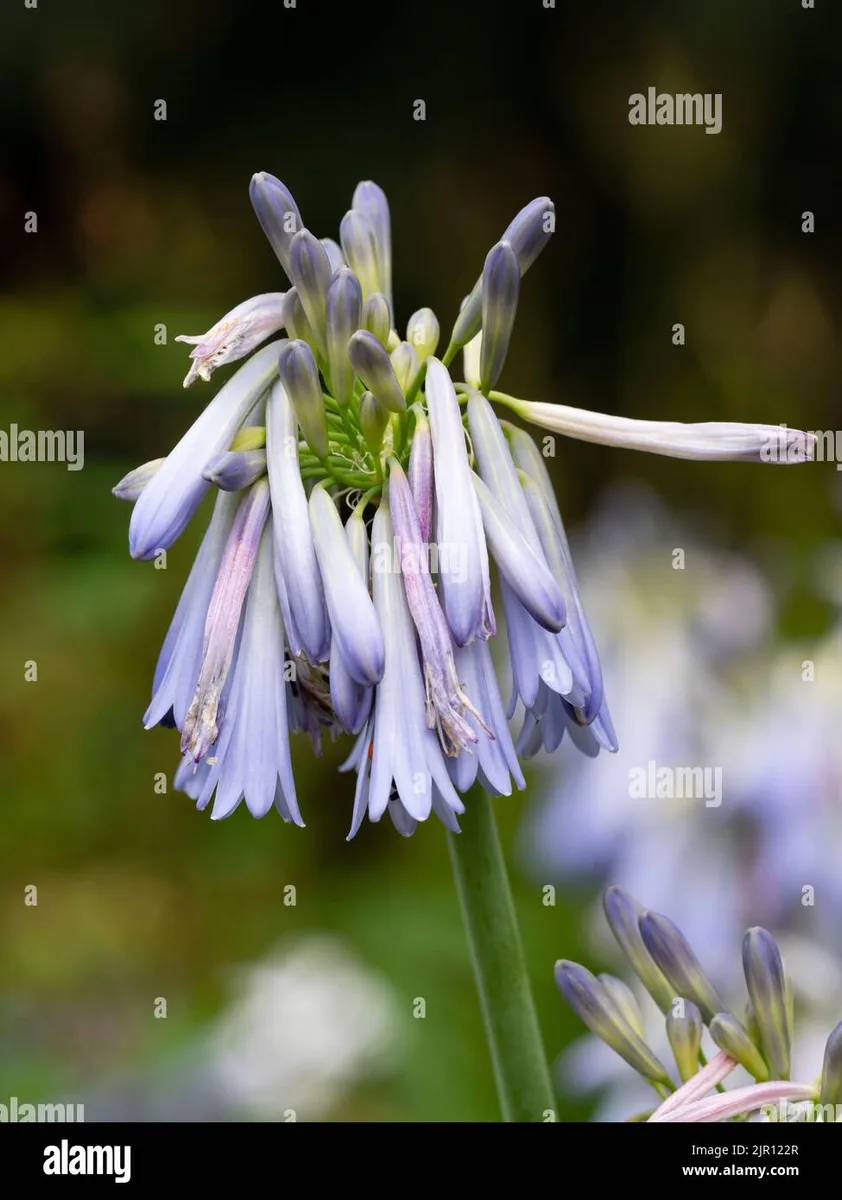
Sky' is a herbaceous perennial 1.5m high with deciduous strap-shaped green leaves and flowerheads of long, tubular, sky-blue flowers, darker near the tips, which hang down as they open in late summer
Scientific classification
- Species
- African lily 'Sky' (Agapanthus inapertus subsp. hollandii 'Sky')
- Genus
- Agapanthus
- Family
- Asparagaceae
- Order
- Asparagales
- Class
- Liliopsida
- Phylum
- Magnoliophyta
- Harmful if eaten. Wear gloves and other protective equipment when handling
- Toxicity
- Herbaceous Perennial
- Plant type
- 1-1.5 metres
- Height
- 0.5-1 metres
- Spread
- Deciduous
- Foliage
- Clump forming
- Habit
- Autumn · Spring · Summer
- Season of interest
- Full sun
- Sunlight
- Information to be completed
- Ideal temperature









African lily 'Sky' pictures
Distribution of African lily 'Sky'
Distribution map
- Native
- Introduced
- Cultivated
Source:WCVP v16 · Royal Botanic Gardens, Kew · CC BY 3.0 · Boundaries:WGSRPD / TDWG
Toxicity
Harmful if eaten. Wear gloves and other protective equipment when handling
African lily 'Sky' care guide
- Water regularly in growth, keeping soil lightly moist but well drained
- Watering
- Full sun
- Sunlight

Watering
Water regularly in growth, keeping soil lightly moist but well drained
Fertilizing
 Fertilizing
Balanced feed monthly from spring through midsummer growth
Pruning
 Pruning
No pruning required except cutting back dead flower stems, but allow them to remain until spring, because the seedheads look attractive over winter
Propagation
 Propagation
Propagate by division between spring and early summer, or in early autumn after plants have finished flowering
Growing
 Growing
Grow in moisture-retentive but well-drained soil in full sun, and in colder areas provide winter protection with a dry mulch; in containers, grow in loam-based compost such as John Innes No. 3, water freely when in growth but sparingly in winter, and apply a balanced liquid fertilizer monthly from spring until flowering; for more advice, see Agapanthus cultivation
Common pests and diseases
Diseases
May be susceptible to a virus
Pests
May be susceptible to slugs and snails and agapanthus gall midge
Explore the plant health library →




