
Itea virginica 'Merlot'
Also known as: Information to be completed
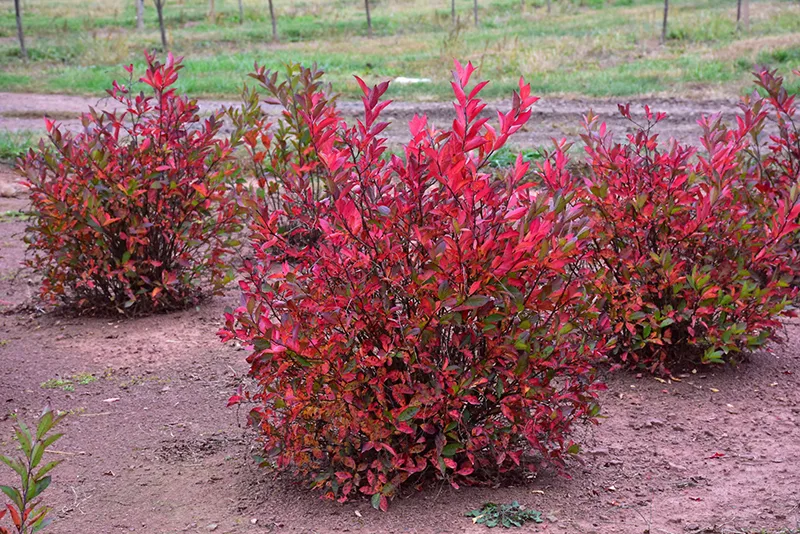
A compact, deciduous shrub to 1m tall, with narrowly ellliptic, finely toothed, dark green leaves. Fragrant white flowers are borne in dense, erect to arching, 15cm long spikes in summer. In autumn the leaves turn wine-red. Grow in a moist shrub border or as a free-standing specimen
Scientific classification
- Species
- Itea virginica 'Merlot' (Itea virginica 'Merlot')
- Genus
- Itea
- Family
- Iteaceae
- Order
- Saxifragales
- Class
- Magnoliopsida
- Phylum
- Magnoliophyta
- Information to be completed
- Toxicity
- Shrubs
- Plant type
- 0.5-1 metres
- Height
- 0.5-1 metres
- Spread
- Deciduous
- Foliage
- Bushy
- Habit
- Autumn · Spring · Summer
- Season of interest
- Partial shade
- Sunlight
- Information to be completed
- Ideal temperature









Itea virginica 'Merlot' pictures
Distribution of Itea virginica 'Merlot'
Distribution map
- Native
- Introduced
- Cultivated
Source:WCVP v16 · Royal Botanic Gardens, Kew · CC BY 3.0 · Boundaries:WGSRPD / TDWG
Itea virginica 'Merlot' care guide
- Water regularly, especially during dry spells; keep soil evenly moist.
- Watering
- Partial shade
- Sunlight

Watering
Water regularly, especially during dry spells; keep soil evenly moist.
Fertilizing
 Fertilizing
Apply a balanced fertilizer in spring and again in early autumn.
Pruning
 Pruning
Cut flowered growth back to strong young shoots below, removing up to a fifth of old stems near the base each year. Prune immediately after flowering.
Propagation
 Propagation
Propagate by sowing seed as soon as ripe in containers in an open frame, or by greenwood cuttings
Growing
 Growing
Grow in moist, slightly acid soil in partial shade
Common pests and diseases
Diseases
May be susceptible to honey fungus in gardens where it is present but insufficient data to determine degree of susceptibility
Pests
Generally pest-free
Explore the plant health library →




