
Hooker living stone
Also known as: Information to be completed
A dwarf, clump-forming succulent with pairs of beige, brown or grey-white leaves, forming inversely cone-shaped bodies with almost flat upper surfaces. The top of each leaf has a grooved, translucent panel marked with brown-red lines. Small yellow flowers are produced in late summer
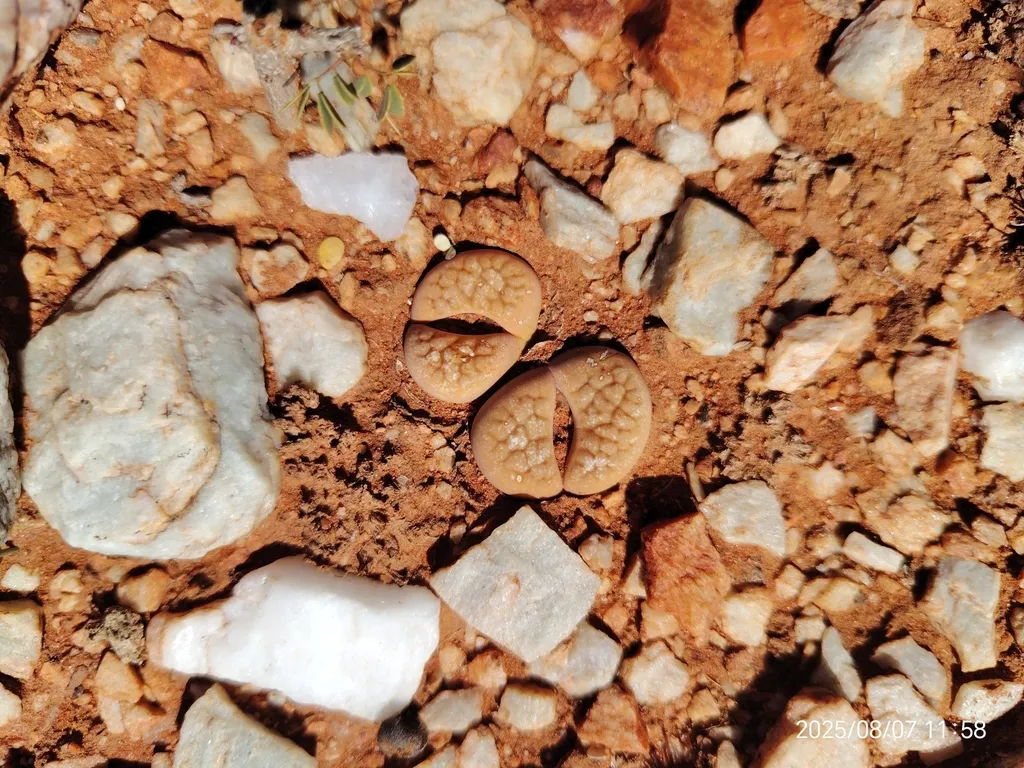
Scientific classification
- Species
- Hooker living stone (Lithops hookeri)
- Genus
- Lithops
- Family
- Aizoaceae
- Information to be completed
- Toxicity
- Cactus Succulent
- Plant type
- Up to 10 cm
- Height
- 0-0.1 metre
- Spread
- Evergreen
- Foliage
- Clump forming
- Habit
- Spring · Summer · Autumn · Winter
- Season of interest
- Full sun
- Sunlight
- Information to be completed
- Ideal temperature









Hooker living stone pictures
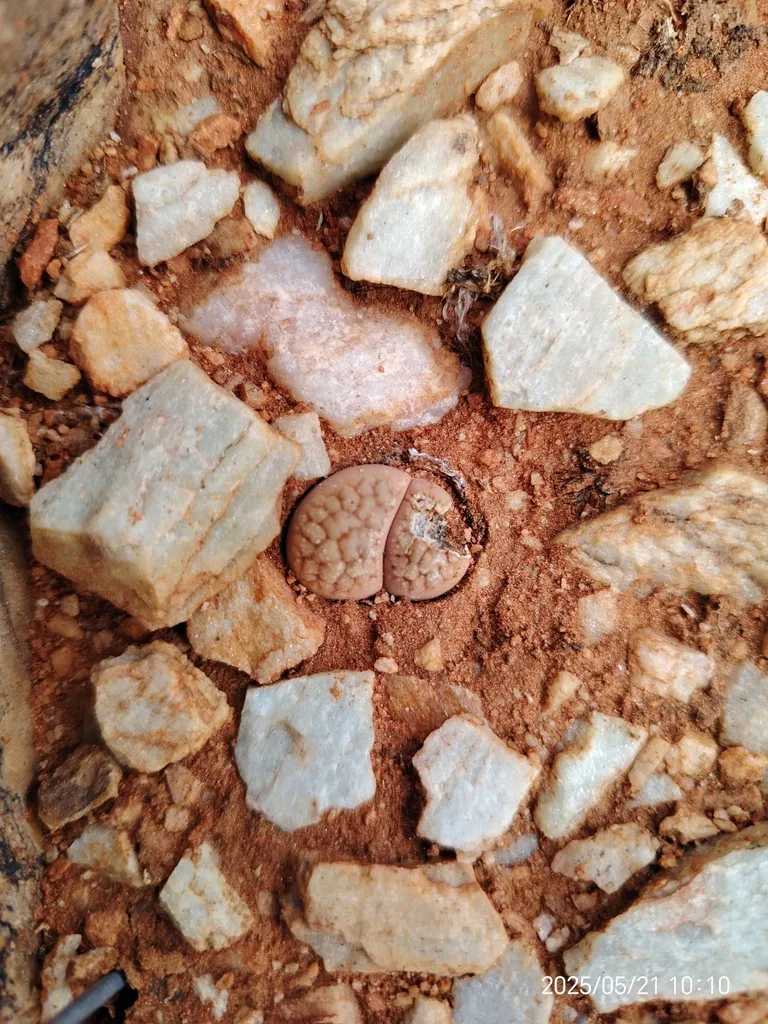
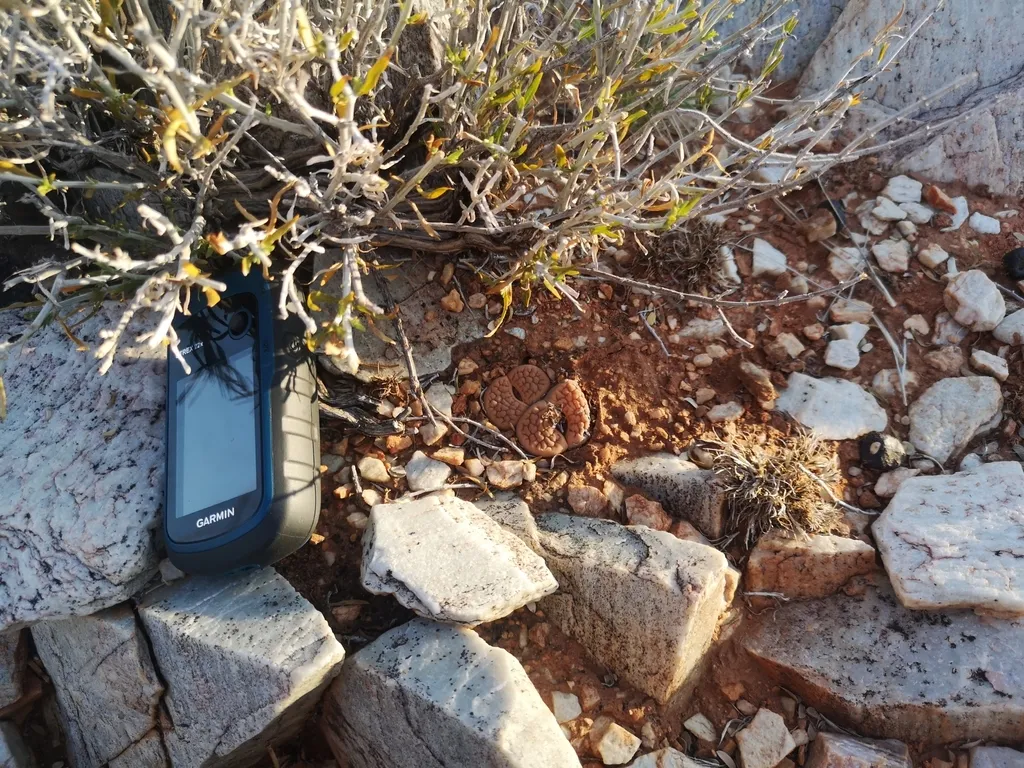
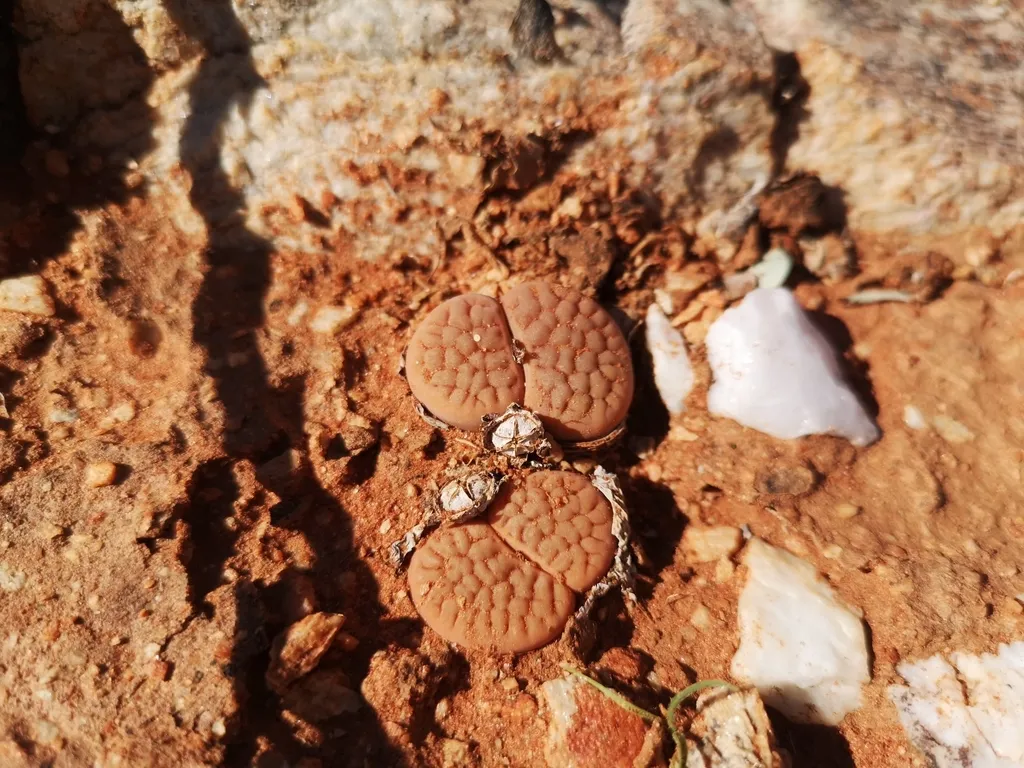
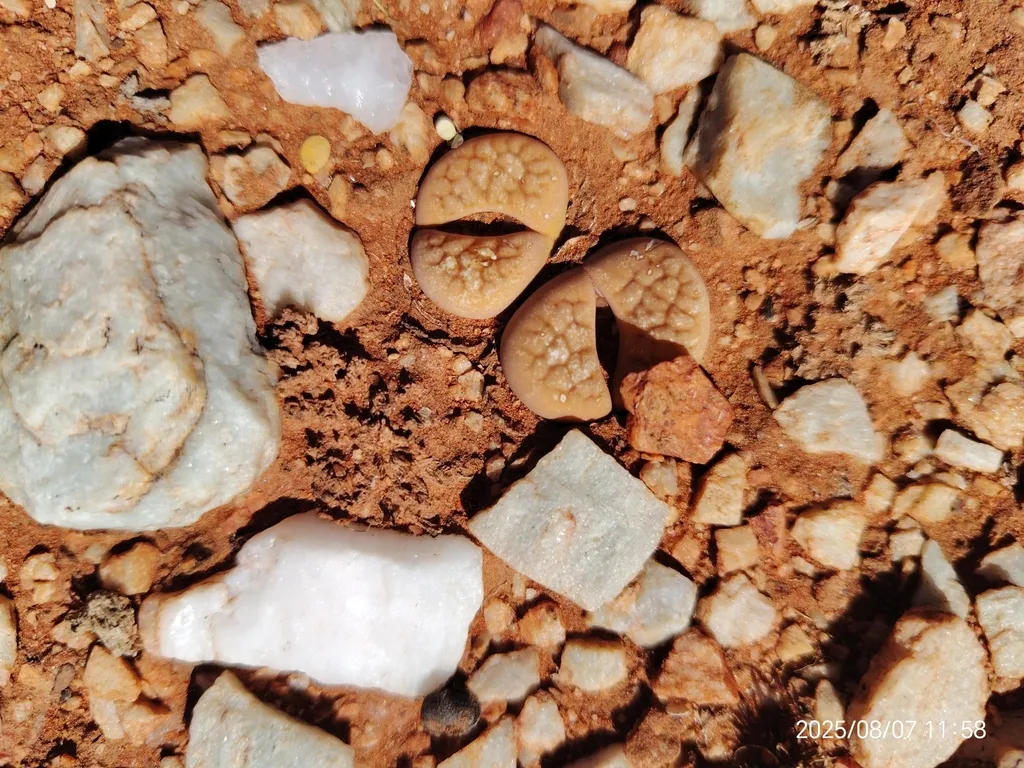
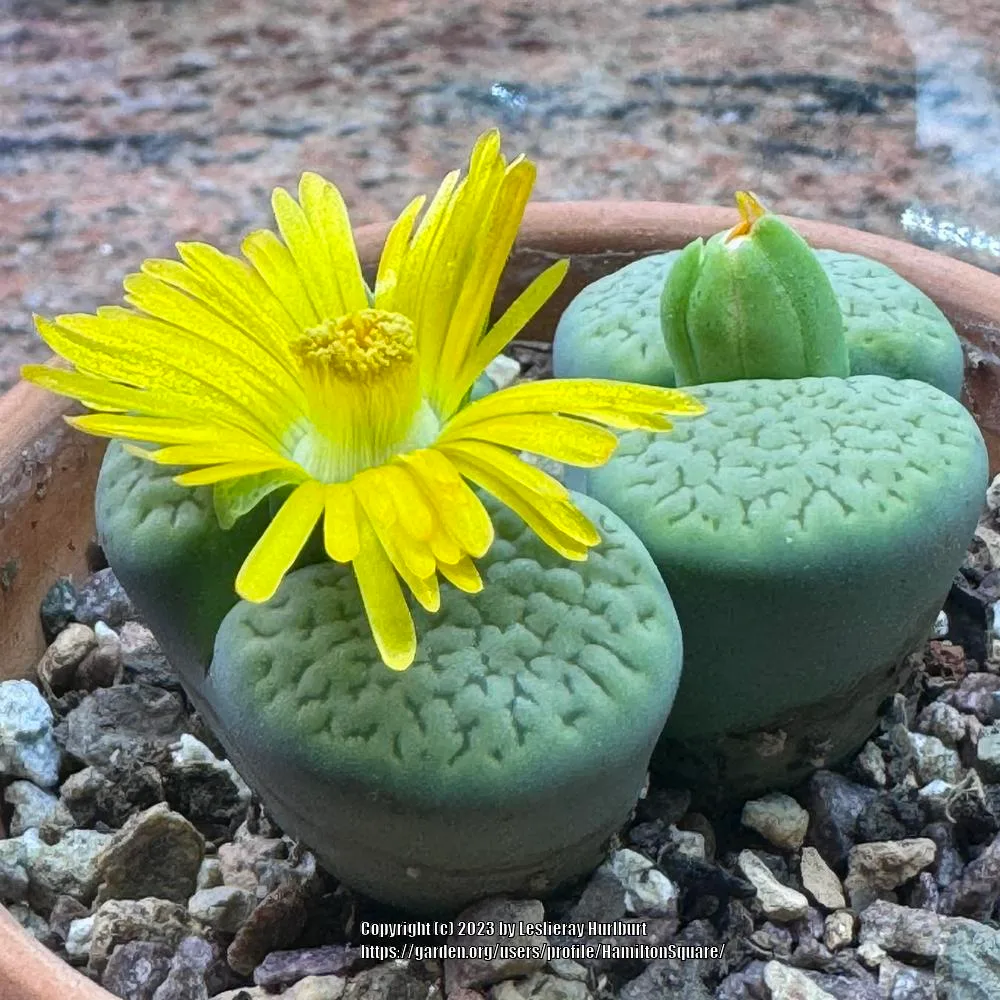
Distribution of Hooker living stone
Distribution map
South Africa (Eastern Cape, Northern Cape)
Information to be completed
Culture
Information to be completed
Toxicity
Information to be completed
Quick identification of Hooker living stone
Information to be completed
Hooker living stone care guide
- Moderate regular watering, allowing brief slight drying between soakings
- Watering
- Full sun
- Sunlight
- Information to be completed
- Ideal temperature

Watering
Moderate regular watering, allowing brief slight drying between soakings
Fertilizing
 Fertilizing
Balanced perennial feed every four weeks from spring through summer
Pruning
 Pruning
No pruning required
Propagation
 Propagation
Propagate by sowing seed at 19-24°C in spring or early summer; remove offsets in summer
Growing
 Growing
Grow in cactus compost with added leaf mould in full light. From early summer to late autumn, water freely and apply a half-strength liquid feed monthly. Keep dry at other times. See houseplant cacti and succulent cultivation for further information
People also ask
Information to be completed
Common pests and diseases
Diseases
Generally disease-free
Pests
May be susceptible to aphids and mealybugs
Explore the plant health library →




