
Symphoricarpos × doorenbosii
Also known as: Information to be completed
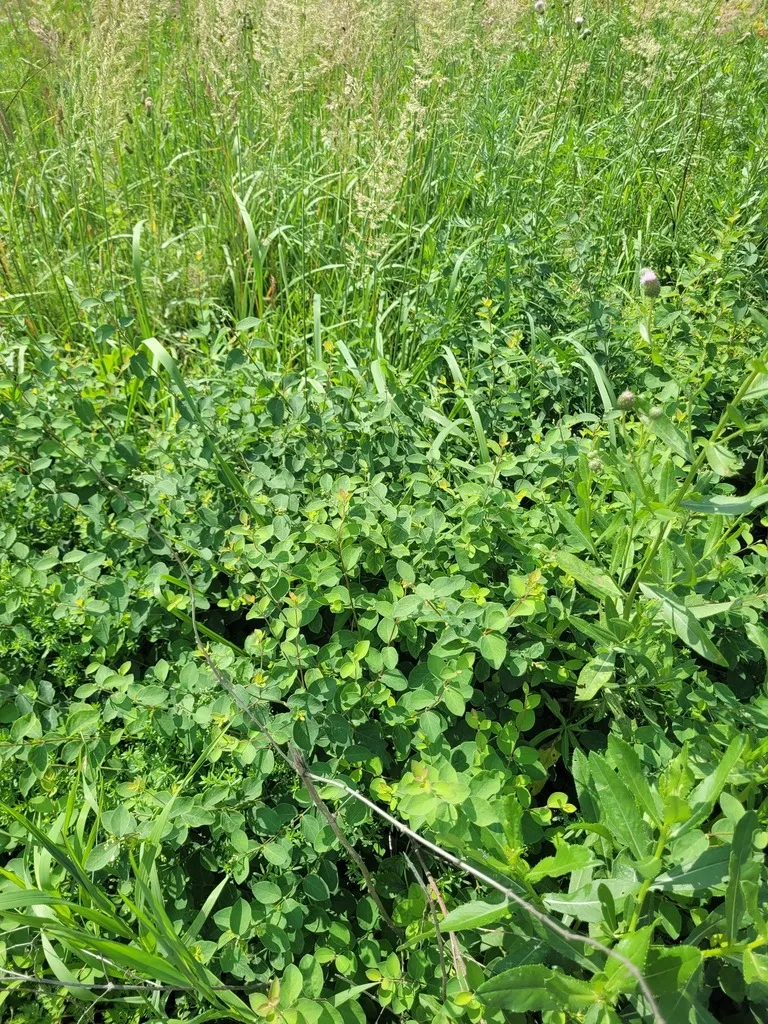
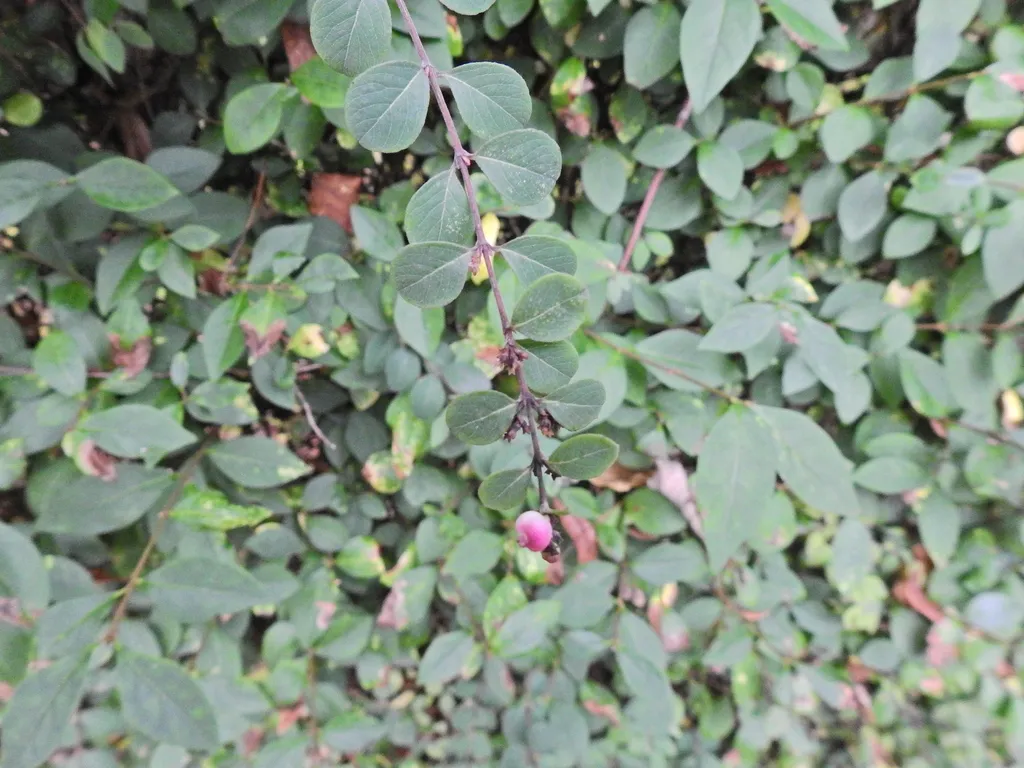
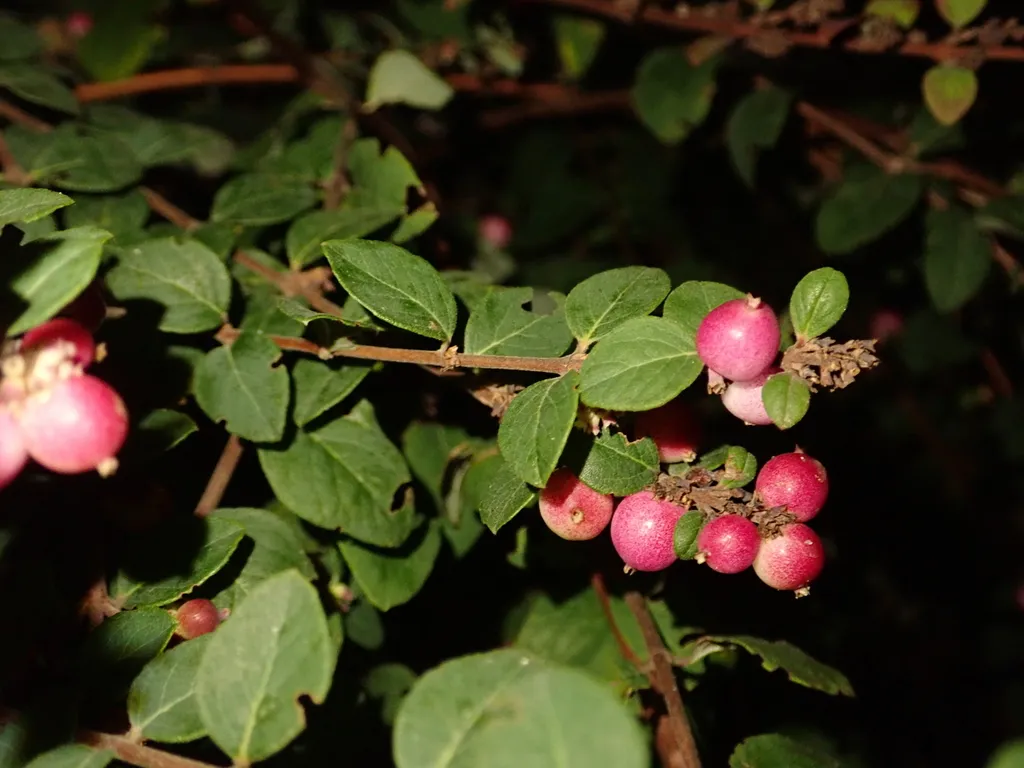
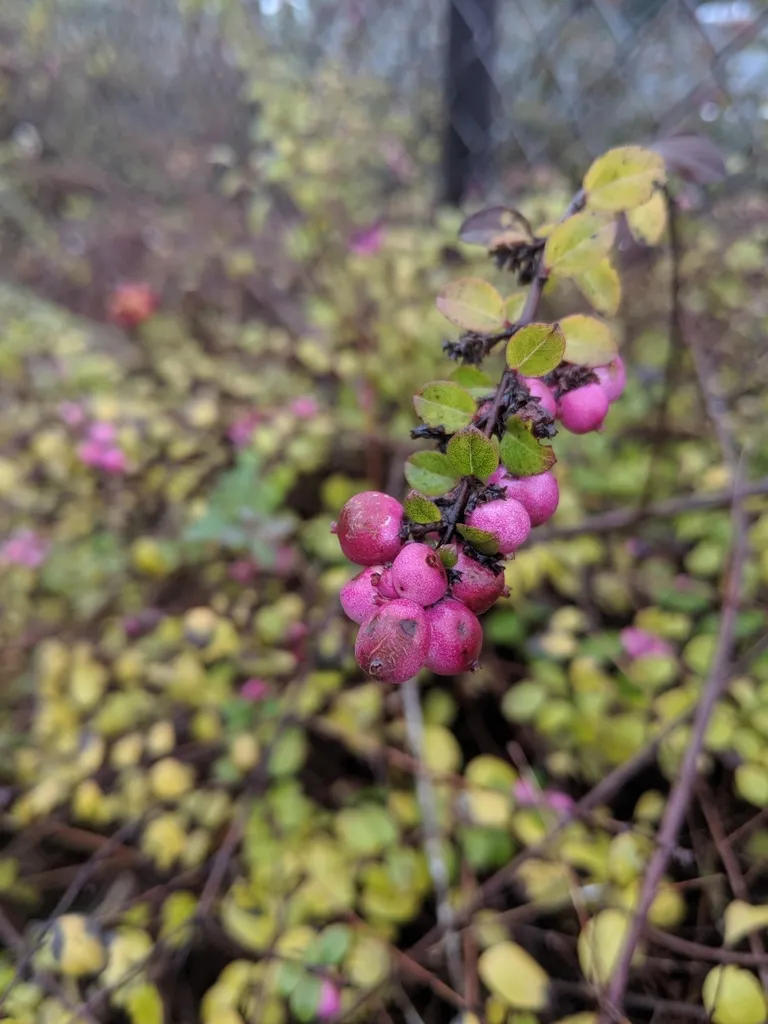
A deciduous, thicket-forming shrub, to around 2m high, with oval-shaped, dark green leaves with paler undersides. Clusters of small, bell-shaped, greenish-white flowers are produced in mid to late summer, followed by round white berries flushed with pink
Scientific classification
- Species
- Symphoricarpos × doorenbosii (Symphoricarpos × doorenbosii)
- Genus
- Symphoricarpos
- Family
- Caprifoliaceae
- Order
- Dipsacales
- Class
- Magnoliopsida
- Phylum
- Magnoliophyta
- Harmful if eaten. Wear gloves and other protective equipment when handling
- Toxicity
- Shrubs
- Plant type
- Information to be completed
- Height
- Information to be completed
- Spread
- Deciduous
- Foliage
- Bushy · Suckering
- Habit
- Autumn · Spring · Summer
- Season of interest
- Full sun · Partial shade
- Sunlight
- Information to be completed
- Ideal temperature









Symphoricarpos × doorenbosii pictures
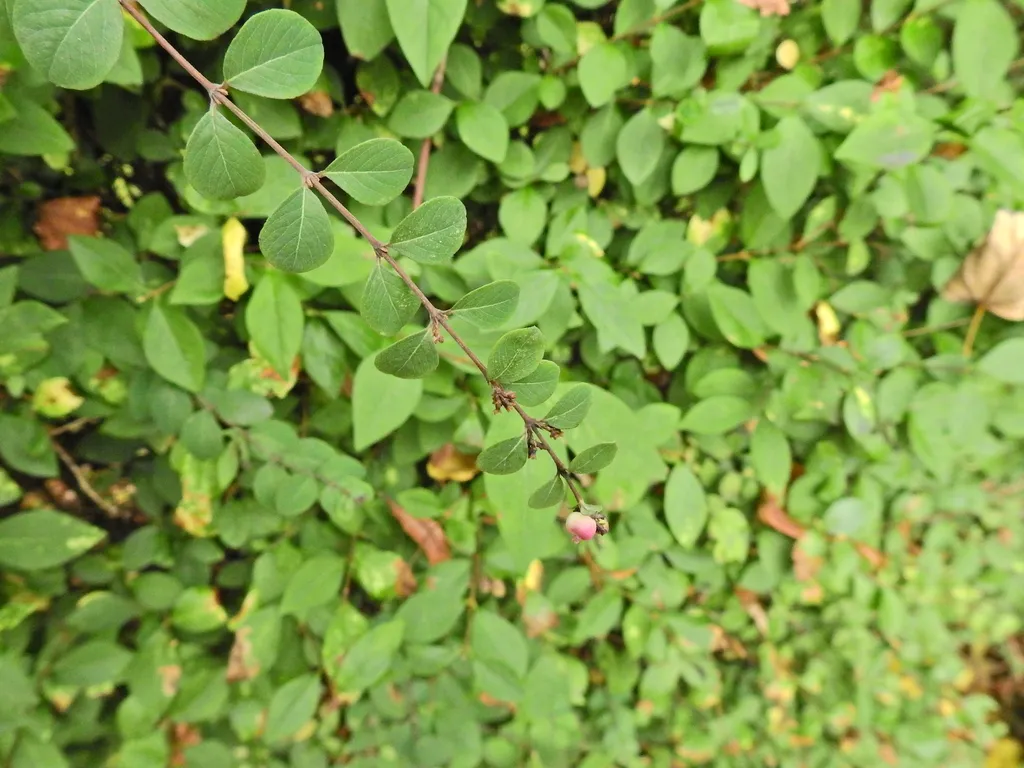
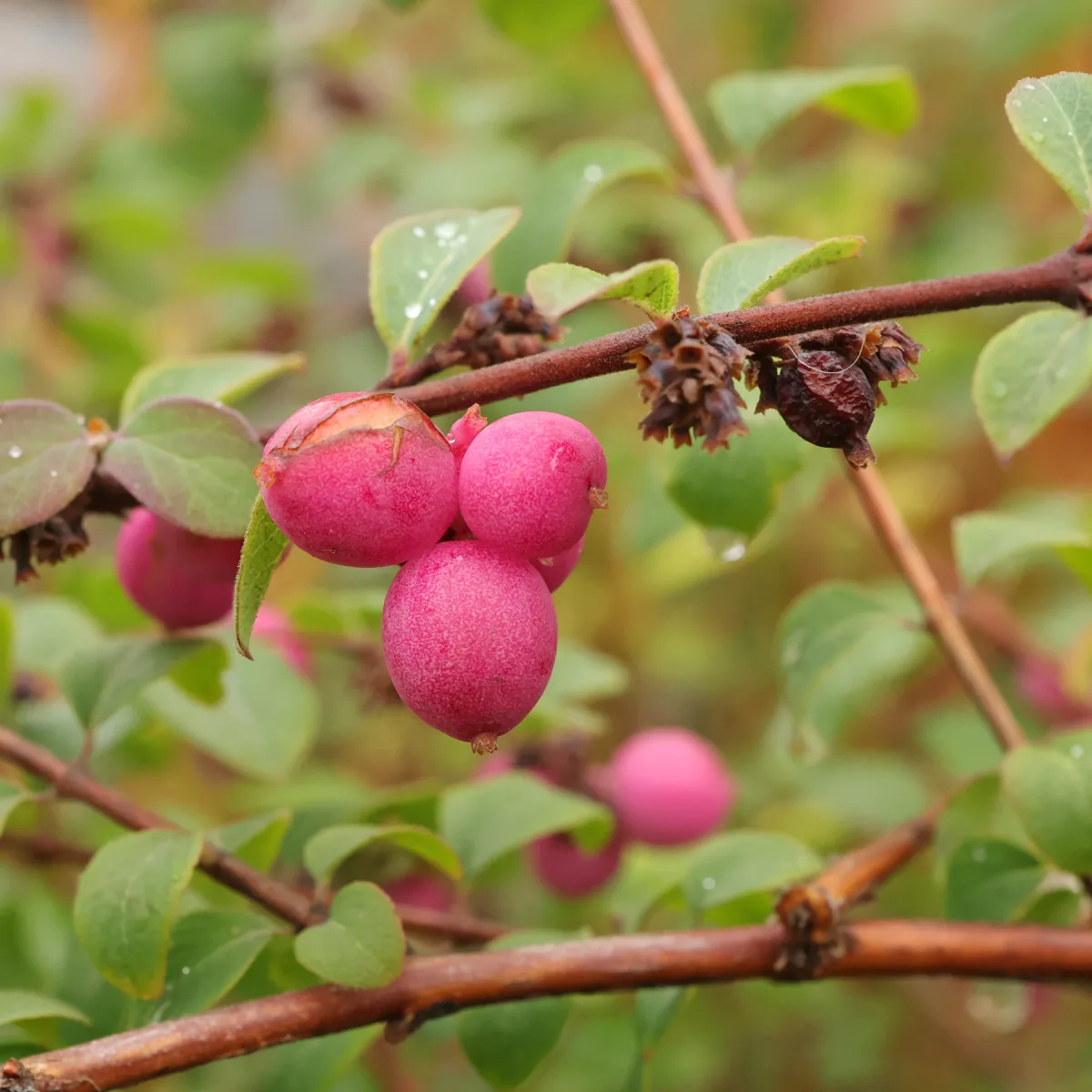
Toxicity
Harmful if eaten. Wear gloves and other protective equipment when handling
Symphoricarpos × doorenbosii care guide
- Moderate watering while establishing, tolerates dry weather long term
- Watering
- Full sun · Partial shade
- Sunlight

Watering
Moderate watering while establishing, tolerates dry weather long term
Fertilizing
 Fertilizing
Low-dose balanced shrub fertilizer topdressed once yearly spring
Pruning
 Pruning
Little pruning is needed. Remove diseased, damaged, crowded or crossing shoots and unwanted growth. Timing depends on the plant: generally late winter or early spring; plants prone to bleeding and deciduous magnolias need different timing, and deciduous azaleas and lilacs are pruned after flowering.
Propagation
 Propagation
Propagate by division in autumn if suckering. Take semi-ripe cuttings in summer or hardwood cuttings in winter
Growing
 Growing
Grow in moist fertile soil. This plant is tolerant of pollution and extreme conditions. Thicket forming and has the potential to become a nuisance if not managed well
Common pests and diseases
Diseases
May be susceptible to fungal leaf spots, powdery mildews, rust diseases, stem galls and honey fungus (rarely)
Pests
May be susceptible to aphids
Explore the plant health library →




