
winter daphne 'Geisha Girl'
Also known as: Information to be completed
A bushy, evergreen shrub with a round, multi-stemmed habit, variegated white and green foliage and dark pink fragranced flowers which are produced in the winter. Provides all-year round interest
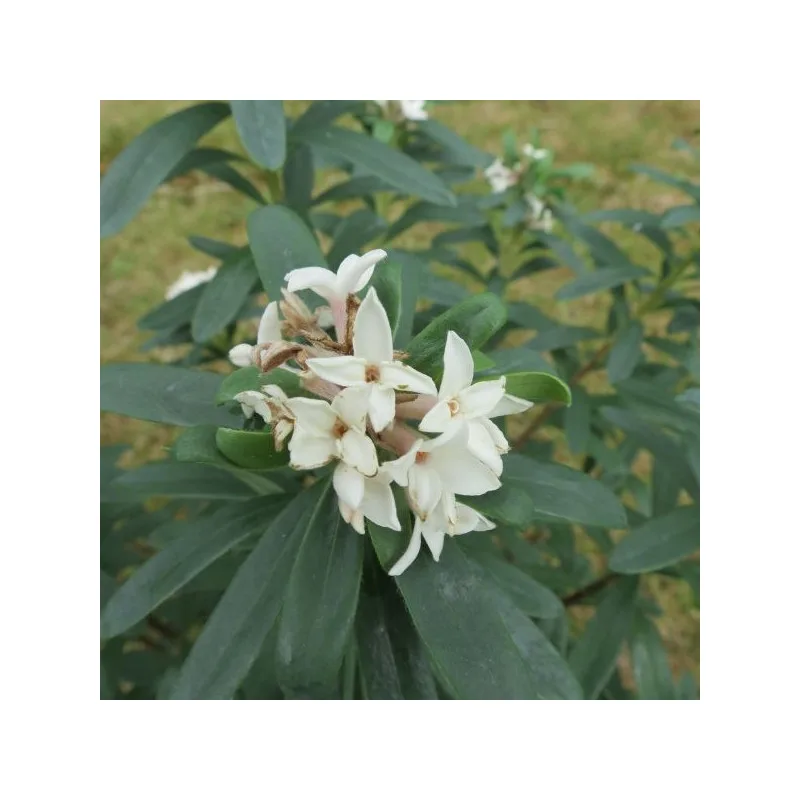
Scientific classification
- Species
- winter daphne 'Geisha Girl' (Daphne odora 'Geisha Girl')
- Genus
- Daphne
- Family
- Thymelaeaceae
- Order
- Malvales
- Class
- Magnoliopsida
- Phylum
- Magnoliophyta
- TOXIC if eaten, skin irritant. Wear gloves and other protective equipment when handling]
- Toxicity
- Shrubs
- Plant type
- 1.5-2.5 metres
- Height
- 1-1.5 metres
- Spread
- Evergreen
- Foliage
- Bushy
- Habit
- Spring · Summer · Autumn · Winter
- Season of interest
- Full sun · Partial shade
- Sunlight
- Information to be completed
- Ideal temperature









winter daphne 'Geisha Girl' pictures
Distribution of winter daphne 'Geisha Girl'
Distribution map
- Native
- Introduced
- Cultivated
Source:WCVP v16 · Royal Botanic Gardens, Kew · CC BY 3.0 · Boundaries:WGSRPD / TDWG
Toxicity
TOXIC if eaten, skin irritant. Wear gloves and other protective equipment when handling]
winter daphne 'Geisha Girl' care guide
- Light steady soil moisture, avoid overwatering sensitive fine roots
- Watering
- Full sun · Partial shade
- Sunlight

Watering
Light steady soil moisture, avoid overwatering sensitive fine roots
Fertilizing
 Fertilizing
Weak organic shrub feed applied one single time early spring yearly
Pruning
 Pruning
Keep pruning to a minimum: remove dead, damaged or unwanted growth; if shaping is needed, trim lightly after flowering.
Propagation
 Propagation
Propagate by semi-hardwood cuttings or grafting
Growing
 Growing
Grow in fertile, moist but well-drained soil in full sun to partial shade. Mulch annually in spring with well-rotted organic matter to keep the roots cool. Not reliably hardy in exposed conditions, may need winter protection. Resents root disturbance and transplanting. See daphne cultivation for more information
Common pests and diseases
Diseases
May be susceptible to honey fungus (rarely), phytophthora root rot, fungal leaf spot and virus diseases
Pests
May be susceptible to aphids
Explore the plant health library →




