
Restio festuciformis
Also known as: Information to be completed
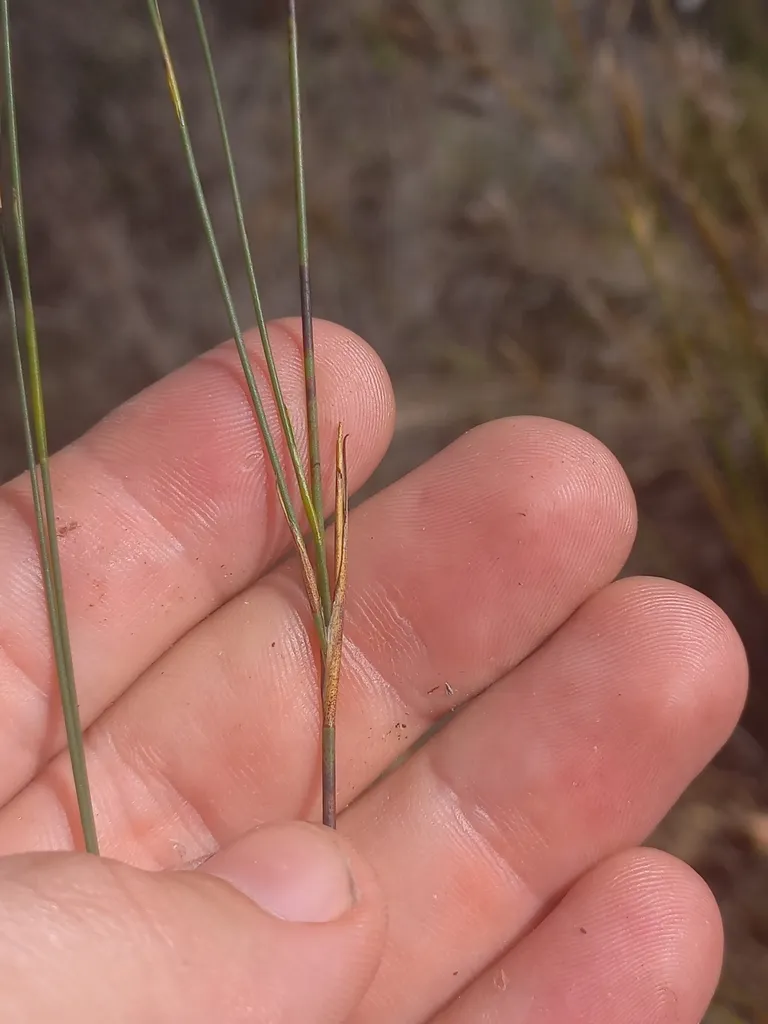
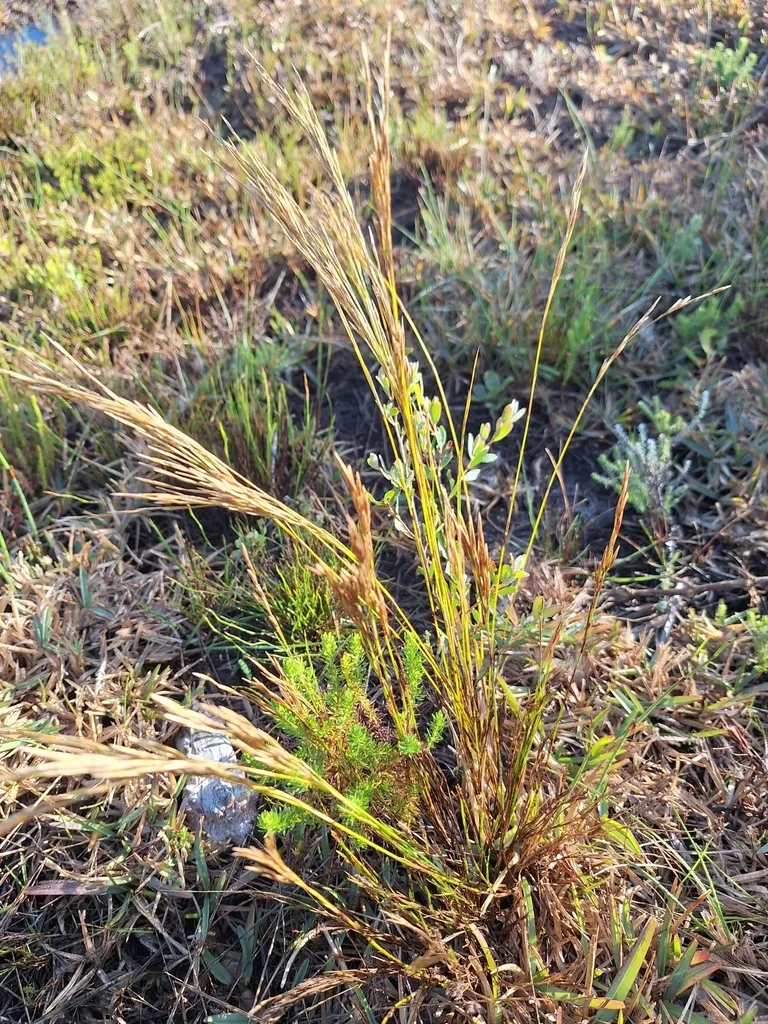
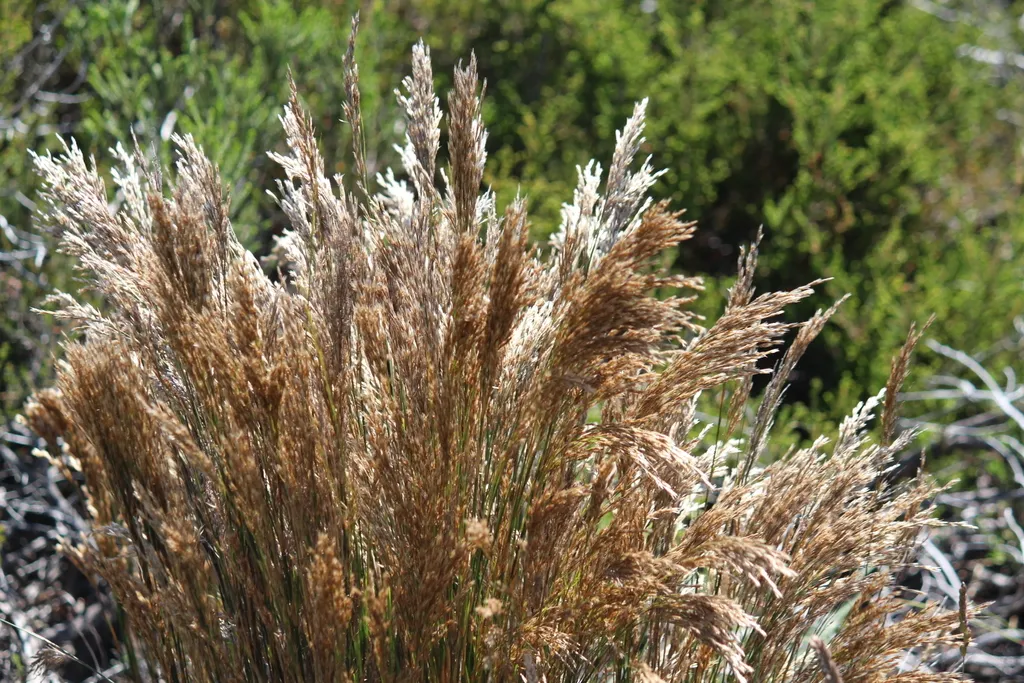
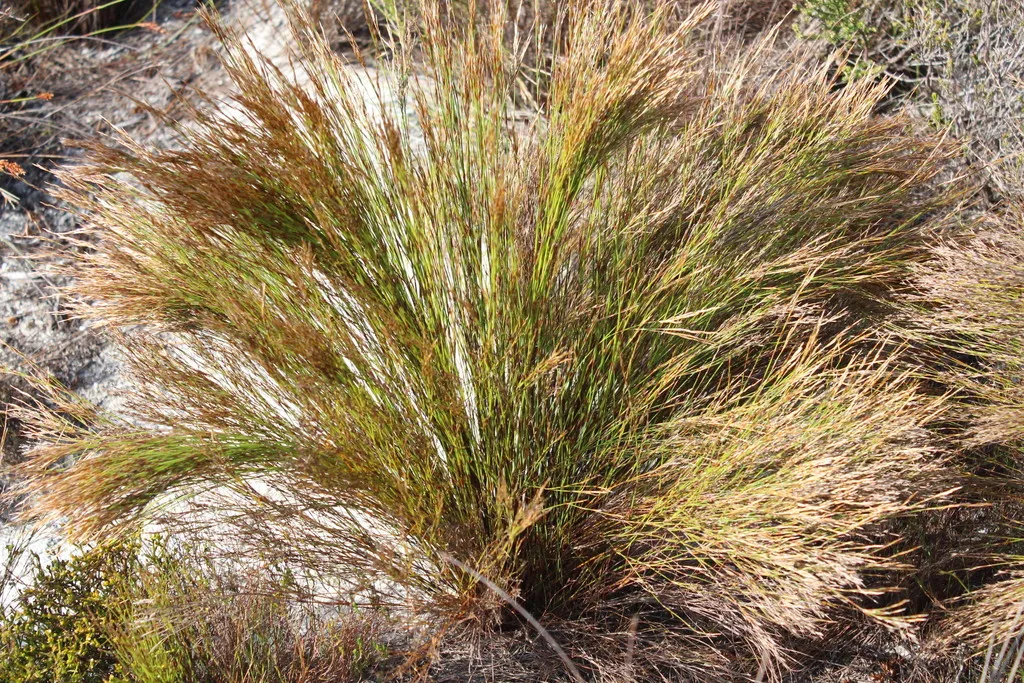
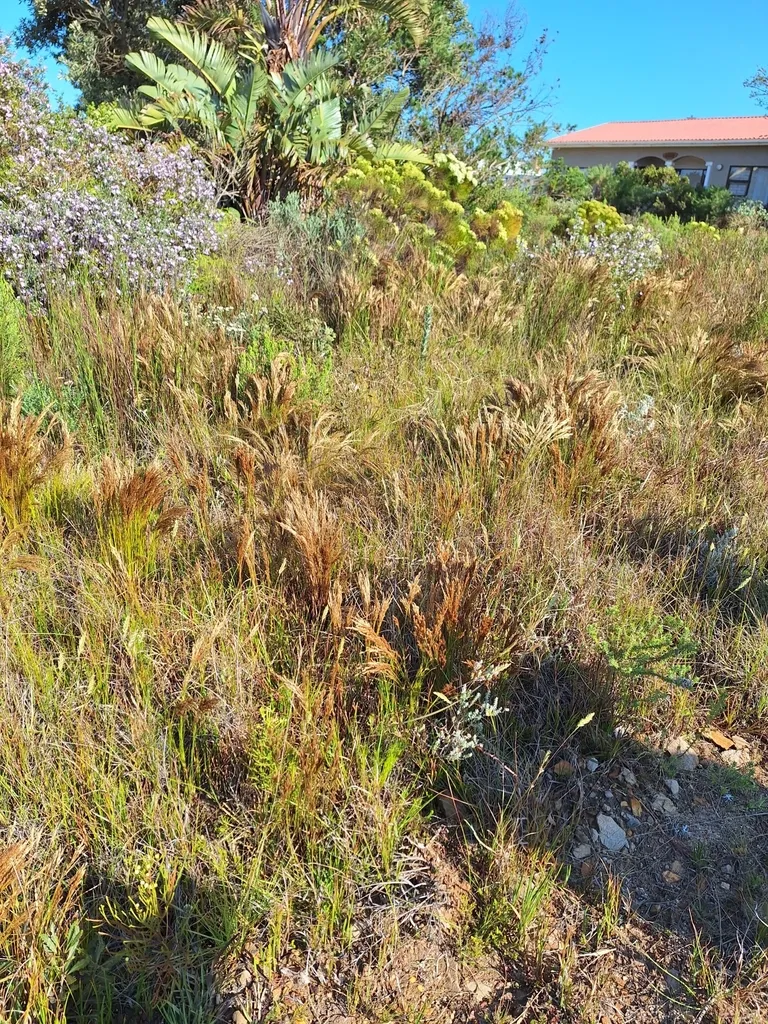
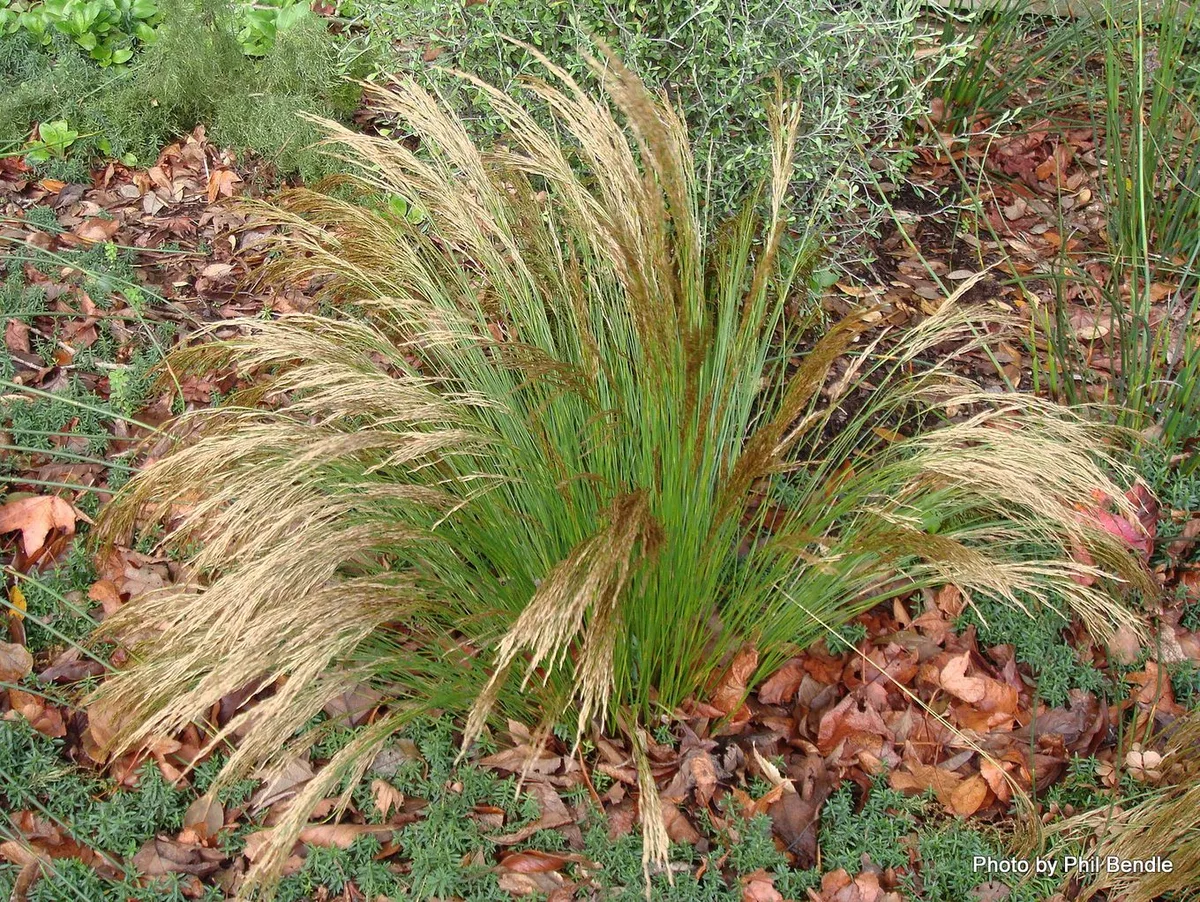
A tufted, grass-like evergreen perennial to 50cm tall, with branching, narrowly linear, light green stems that turn yellowish-green during flowering. Tiny flowers are carried in feathery, brown spikelets during winter and early spring. Plant it where the wind can catch its grassy stems
Scientific classification
- Species
- Restio festuciformis (Restio festuciformis)
- Genus
- Restio
- Family
- Restionaceae
- Order
- Poales
- Class
- Liliopsida
- Phylum
- Magnoliophyta
- Information to be completed
- Toxicity
- Grass Like
- Plant type
- 0.5-1 metres
- Height
- 0.1-0.5 metres
- Spread
- Evergreen
- Foliage
- Tufted
- Habit
- Spring · Summer · Autumn · Winter
- Season of interest
- Full sun
- Sunlight
- Information to be completed
- Ideal temperature









Restio festuciformis pictures
Distribution of Restio festuciformis
Distribution map
- Native
- Introduced
- Cultivated
Source:WCVP v16 · Royal Botanic Gardens, Kew · CC BY 3.0 · Boundaries:WGSRPD / TDWG
Restio festuciformis care guide
- Moderate regular watering, allowing brief slight drying between soakings
- Watering
- Full sun
- Sunlight

Watering
Moderate regular watering, allowing brief slight drying between soakings
Fertilizing
 Fertilizing
Balanced perennial feed every four weeks from spring through summer
Pruning
 Pruning
Remove dead stems from the outer edge of the clump in early spring
Propagation
 Propagation
Propagate by seed sown in spring, or by division of clumps in early spring
Growing
 Growing
Under glass, grow in loam-based potting compost (JI No. 2) in full light with low humidity. When in growth, water moderately and apply a balanced liquid fertiliser every month; water sparingly in winter. Outdoors, grow in moderately fertile, well-drained, preferably acid soil in full sun. In frost-prone areas, plant out after the last frosts; lift and pot up in autumn and overwinter in a cool, dry place
Common pests and diseases
Diseases
Generally disease-free
Pests
May be susceptible to glasshouse red spider mite and glasshouse whitefly
Explore the plant health library →




