
Arisaema concinnum
Also known as: Information to be completed
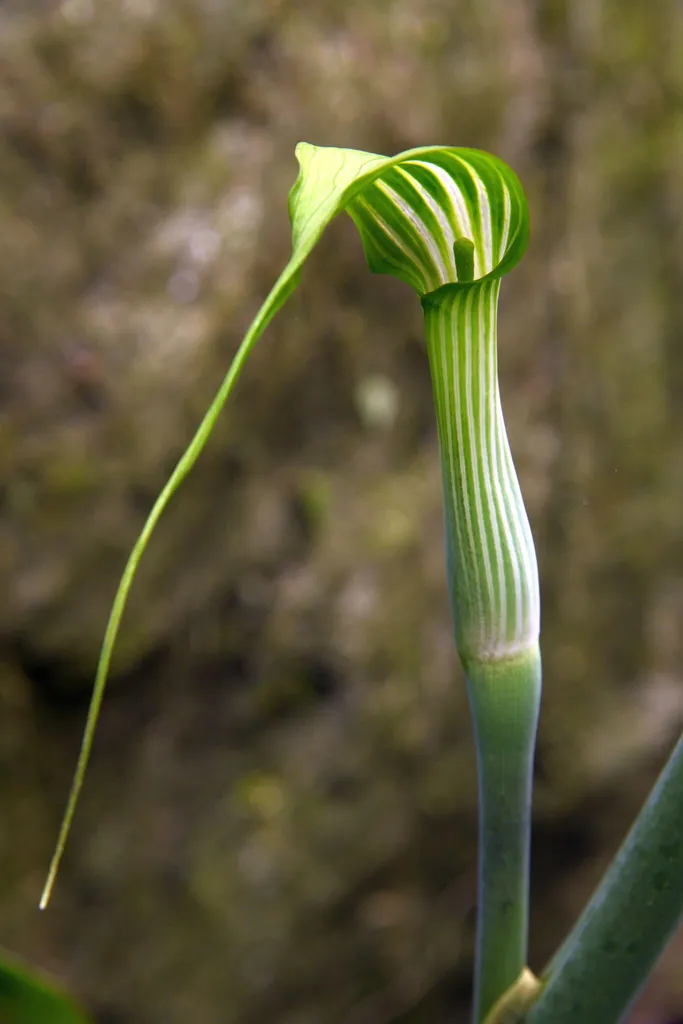
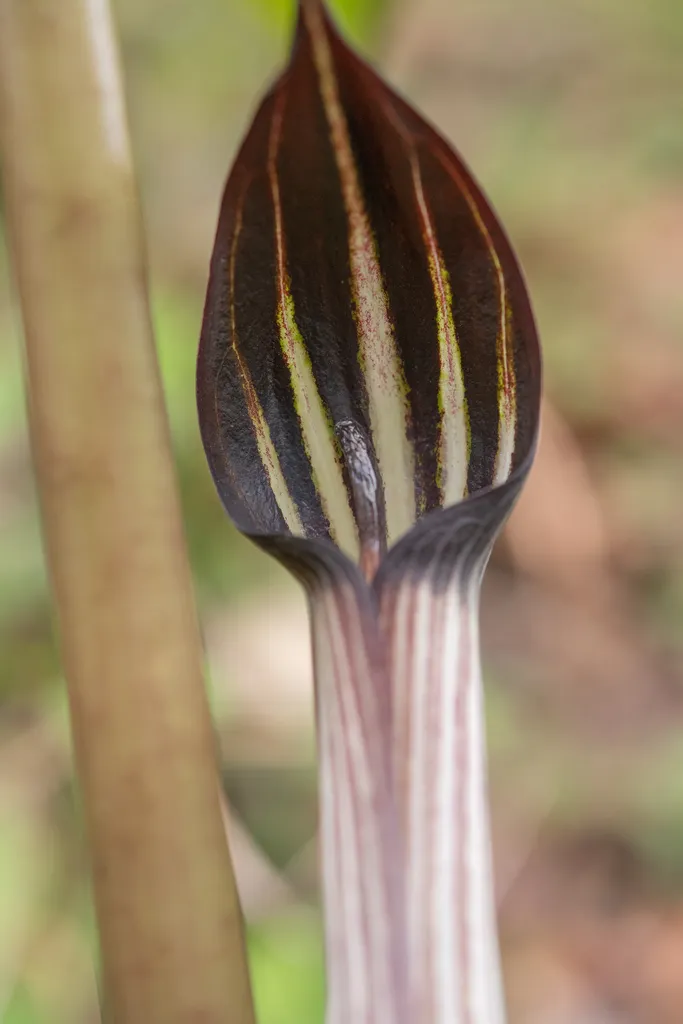
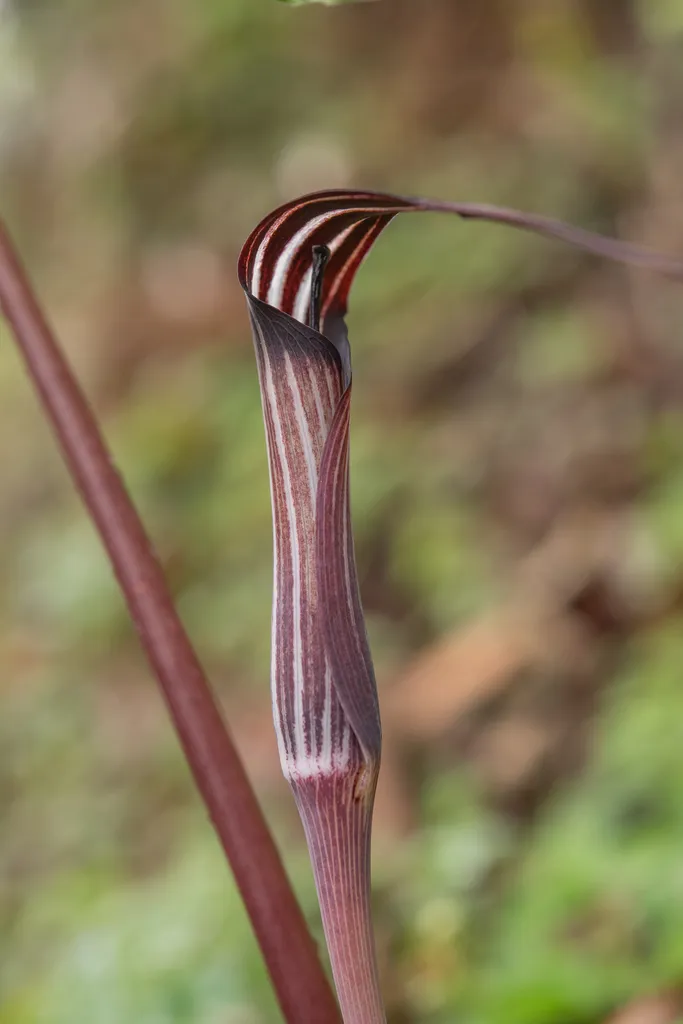
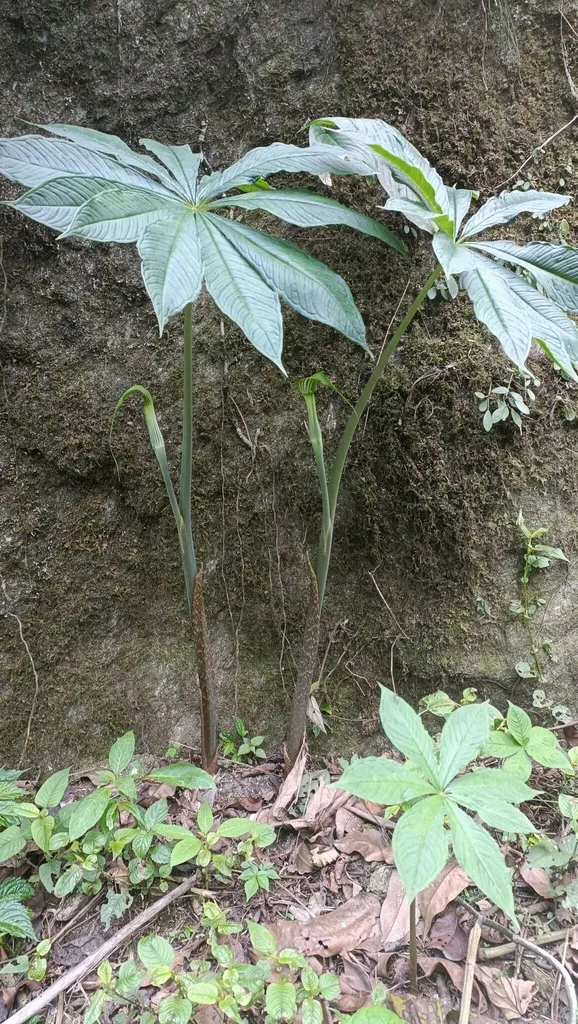
A tuberous perennial 1.5m tall, with stolons and a solitary leaf divided into 7-13 pointed leaflets. In early summer it produces a dark purple or green spathe, hooded like a cobra, with white stripes and a thin tail to 15cm long. This is followed in autumn by a spike of densely packed red berries
Scientific classification
- Species
- Arisaema concinnum (Arisaema concinnum)
- Genus
- Arisaema
- Family
- Araceae
- Order
- Alismatales
- Class
- Liliopsida
- Phylum
- Magnoliophyta
- Harmful if eaten, skin/eye irritant. Wear gloves and other protective equipment when handling]
- Toxicity
- Information to be completed
- Plant type
- 1-1.5 metres
- Height
- 0.5-1 metres
- Spread
- Deciduous
- Foliage
- Columnar upright
- Habit
- Spring · Summer · Autumn
- Season of interest
- Partial shade
- Sunlight
- Information to be completed
- Ideal temperature









Arisaema concinnum pictures
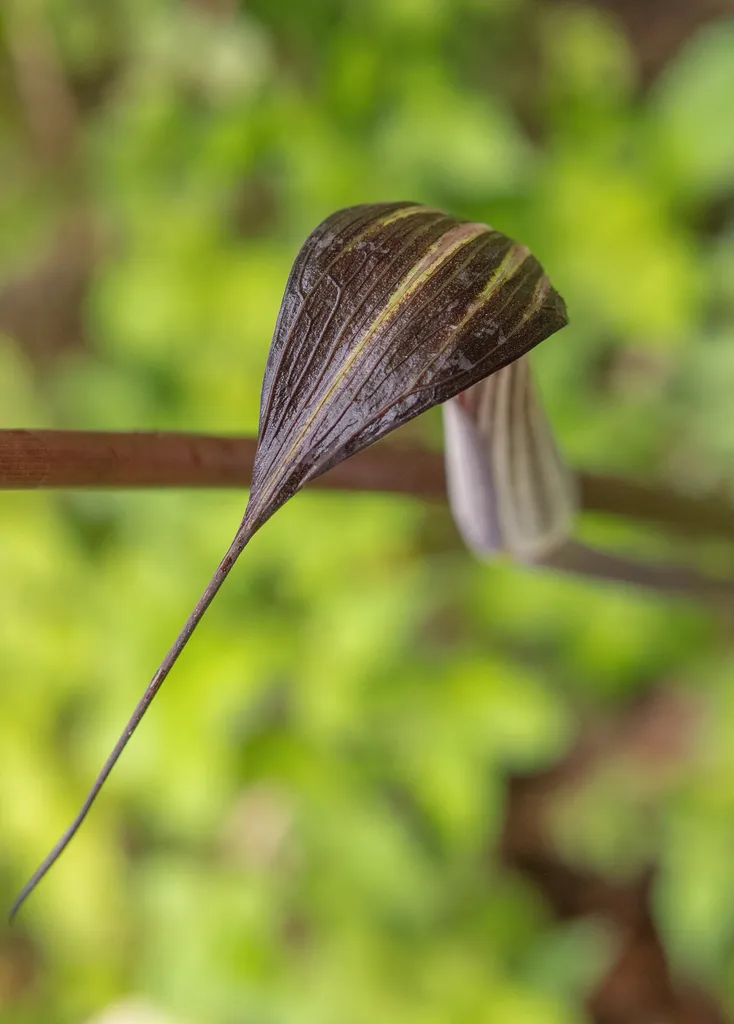
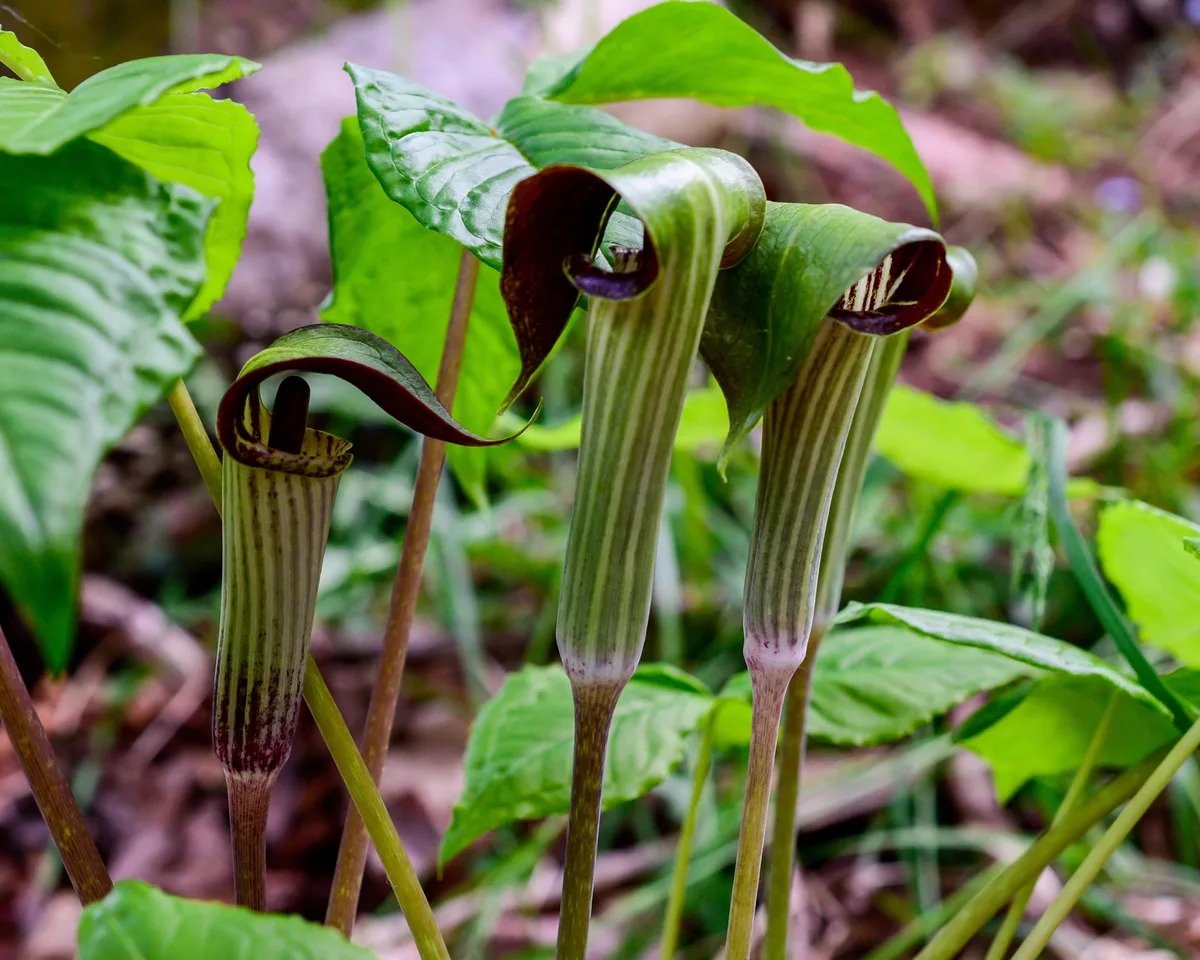
Distribution of Arisaema concinnum
Distribution map
- Native
- Introduced
- Cultivated
Source:WCVP v16 · Royal Botanic Gardens, Kew · CC BY 3.0 · Boundaries:WGSRPD / TDWG
Toxicity
Harmful if eaten, skin/eye irritant. Wear gloves and other protective equipment when handling]
Arisaema concinnum care guide
- Moderate regular watering, avoid prolonged drought and stagnant waterlogging
- Watering
- Partial shade
- Sunlight

Watering
Moderate regular watering, avoid prolonged drought and stagnant waterlogging
Fertilizing
 Fertilizing
Balanced perennial feed every four weeks spring through summer growth
Pruning
 Pruning
No pruning required
Propagation
 Propagation
Propagate by sowing seed in containers in a cold frame in spring or autumn, or by removing offsets in late summer
Growing
 Growing
Plant the tubers 20cm deep in winter or spring, into moist but well-drained, humus-rich soil in a cool, partially shaded site. Mulch annually in early spring. Outdoors this species requires winter protection, or it can also be grown in deep pots in a cold greenhouse
Common pests and diseases
Diseases
Generally disease-free
Pests
May be susceptible to slugs and vine weevil
Explore the plant health library →




