
mountain agave
Also known as: Information to be completed
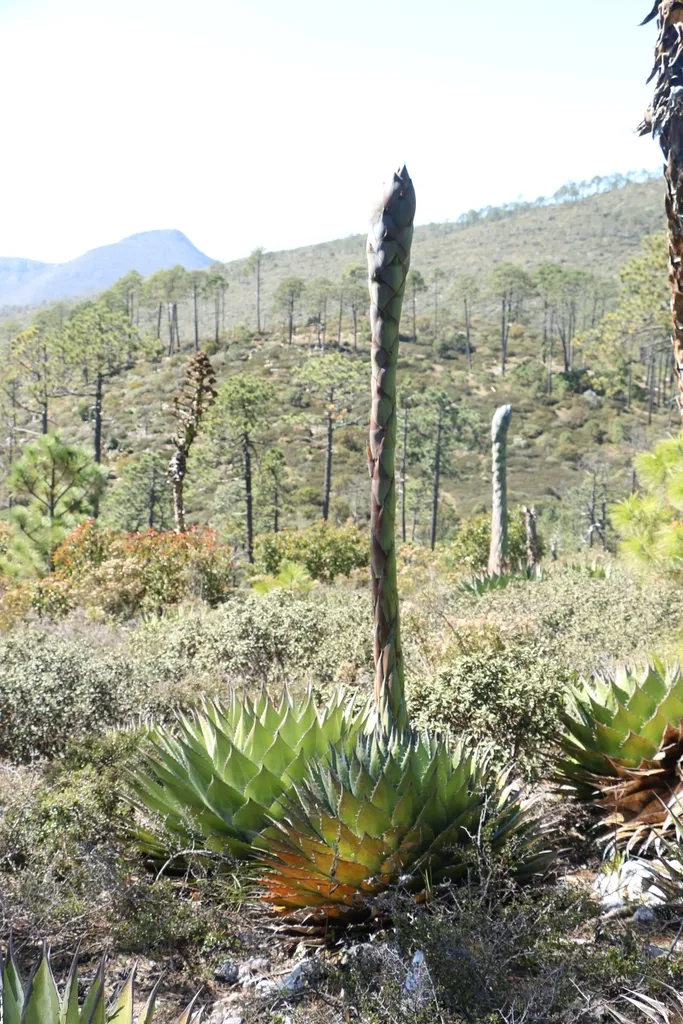
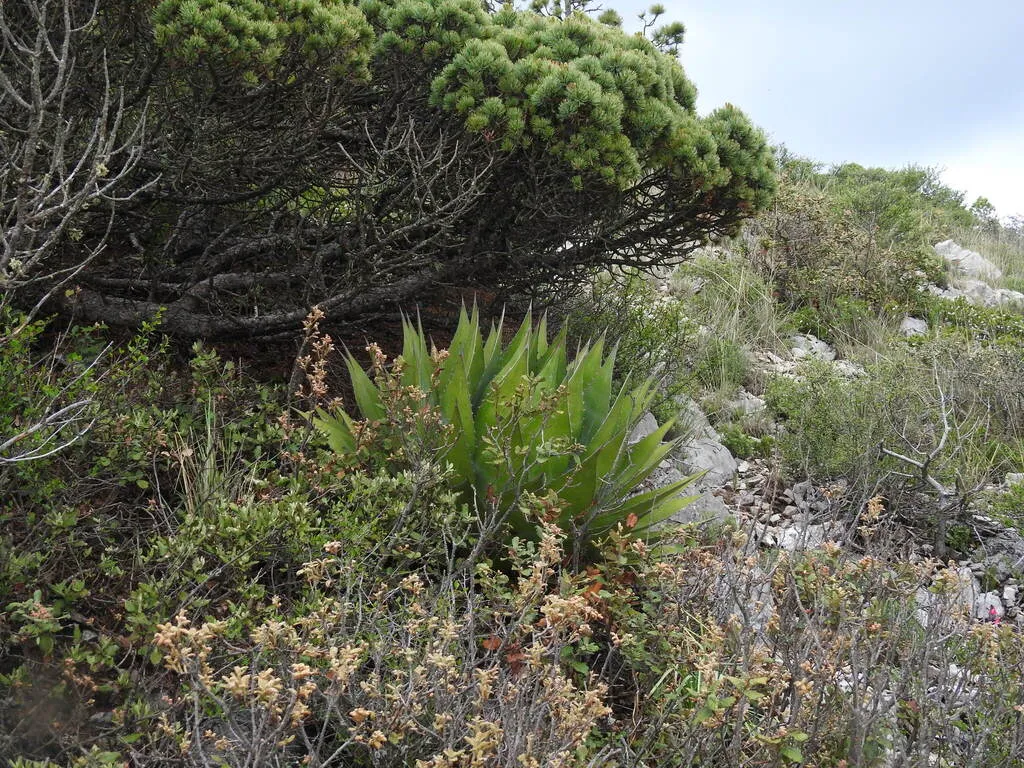
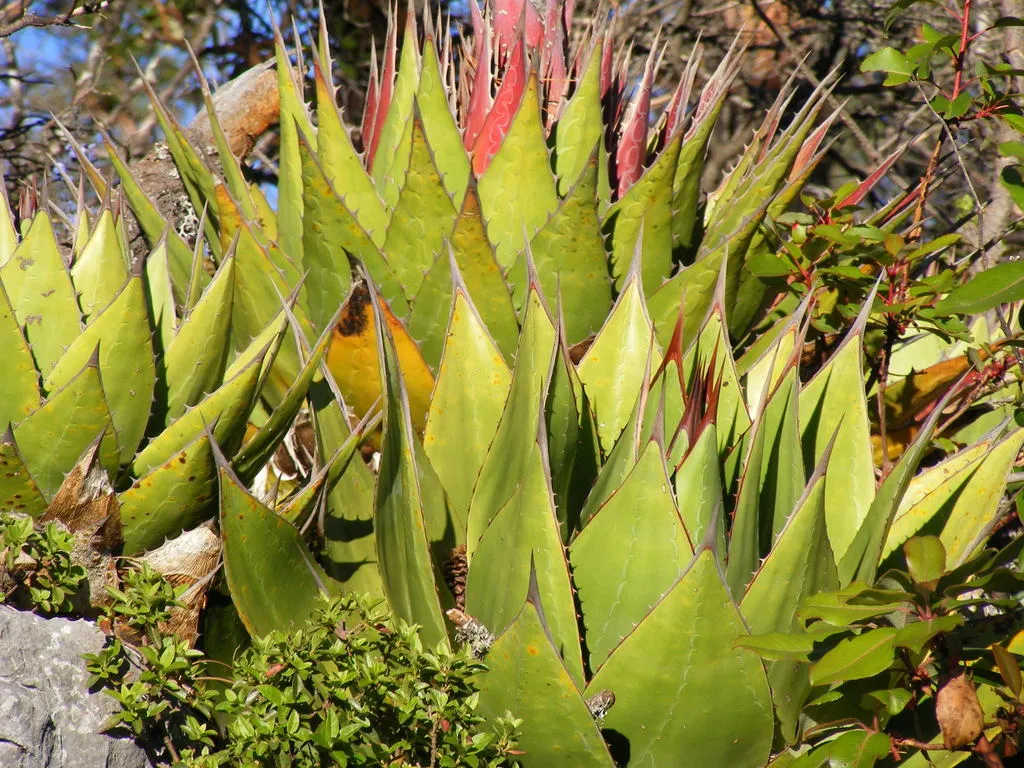
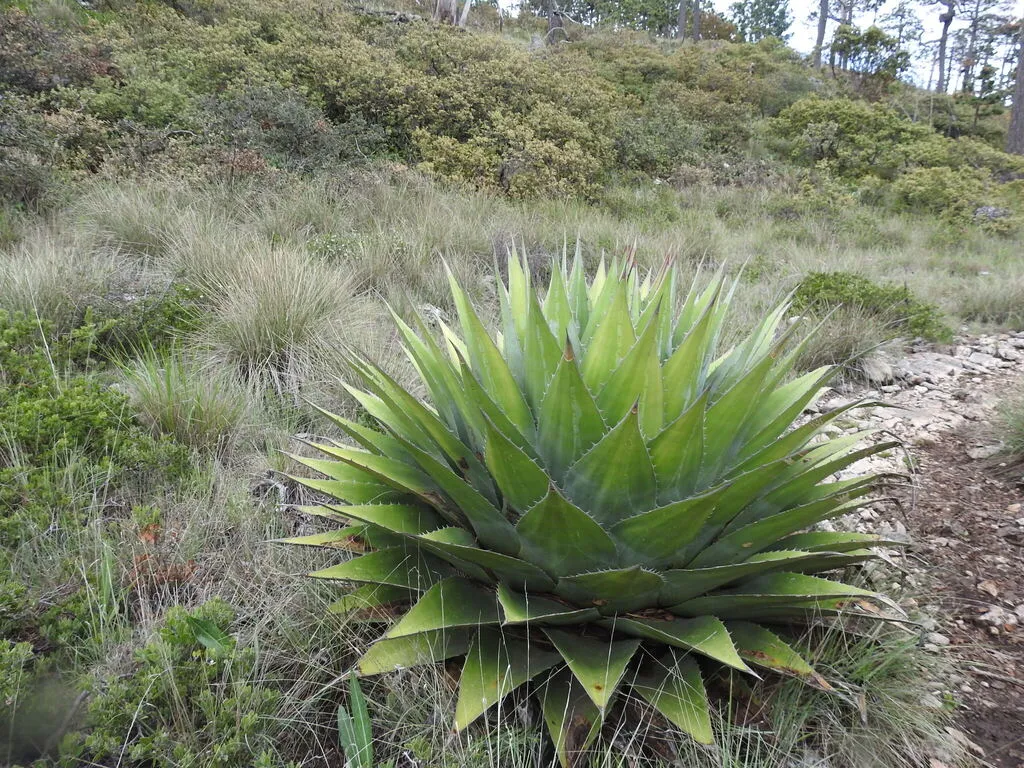
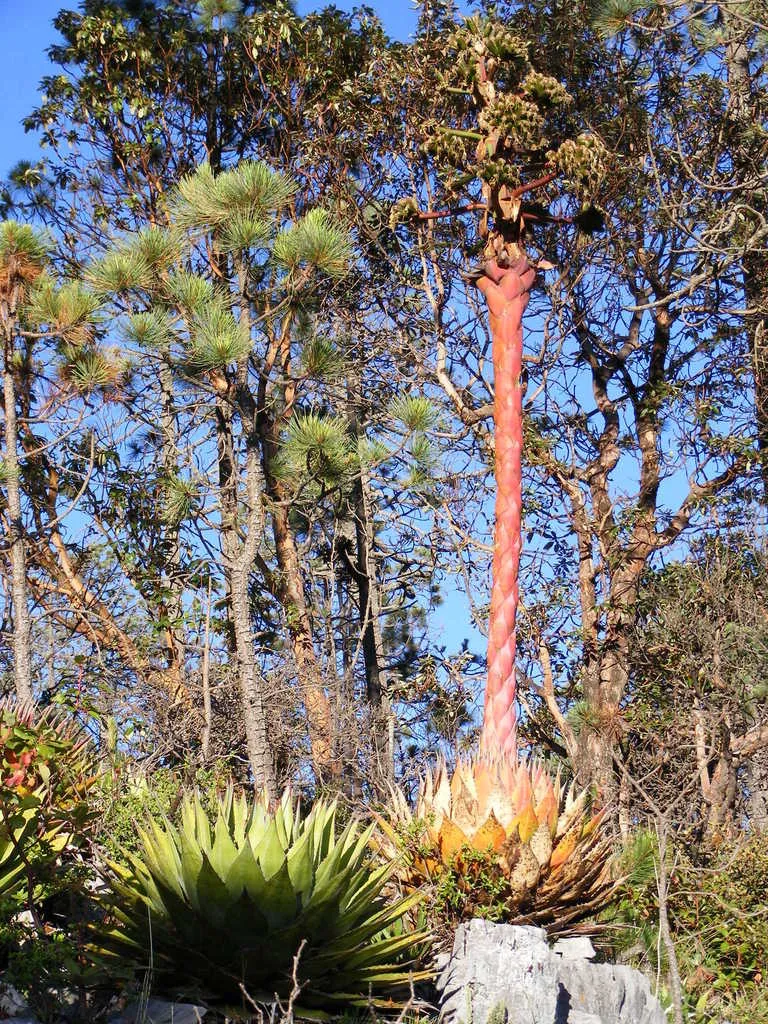
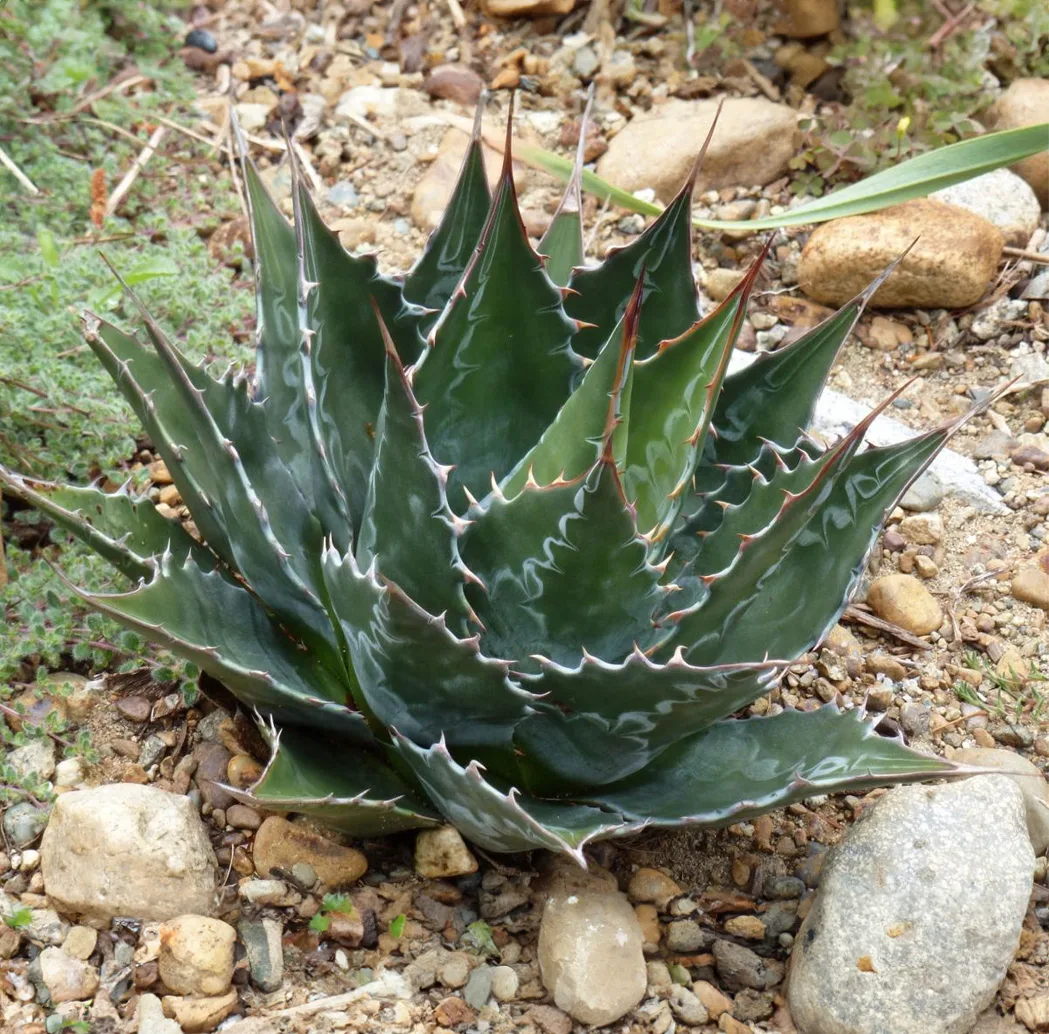
A rosette-forming, evergreen, perennial succulent to about 1.5m. The leaves are light greyish-green, edged and tipped with reddish spines. Plant have not been in cultivation long enough to assess flowering, but in the wild it produces huge, club-shaped inflorescences made up of tightly clustered yellow flowers on short branches supported by a scaly, 5m high trunk
Scientific classification
- Species
- mountain agave (Agave montana)
- Genus
- Agave
- Family
- Asparagaceae
- Order
- Asparagales
- Class
- Liliopsida
- Phylum
- Magnoliophyta
- Skin irritant. Wear gloves and other protective equipment when handling
- Toxicity
- Cactus Succulent
- Plant type
- 1-1.5 metres
- Height
- 1-1.5 metres
- Spread
- Evergreen
- Foliage
- Bushy
- Habit
- Spring · Summer · Autumn · Winter
- Season of interest
- Full sun
- Sunlight
- Information to be completed
- Ideal temperature









mountain agave pictures
Distribution of mountain agave
Distribution map
- Native
- Introduced
- Cultivated
Source:WCVP v16 · Royal Botanic Gardens, Kew · CC BY 3.0 · Boundaries:WGSRPD / TDWG
Toxicity
Skin irritant. Wear gloves and other protective equipment when handling
mountain agave care guide
- Let gritty soil dry fully before each deep watering cycle
- Watering
- Full sun
- Sunlight

Watering
Let gritty soil dry fully before each deep watering cycle
Fertilizing
 Fertilizing
Very dilute low-nitrogen succulent feed monthly in warm growth
Pruning
 Pruning
No pruning required
Propagation
 Propagation
Propagate by seed. Dies after flowering and does not produce offsets
Growing
 Growing
Grow under glass in cactus compost in full light. Water freely in summer, giving a low-nitrogen feed three or four times. Water less in autumn and keep dry in winter. Hardier than most agaves, and may survive outdoors in a warm position in very well-drained, slightly acid soil in full sun. See hardy cacti and succulent cultivation for further information
Common pests and diseases
Diseases
Generally disease-free
Pests
May be susceptible to scale insects
Explore the plant health library →




