
Mysore raspberry
Also known as: hill raspberry; Mysore black raspberry
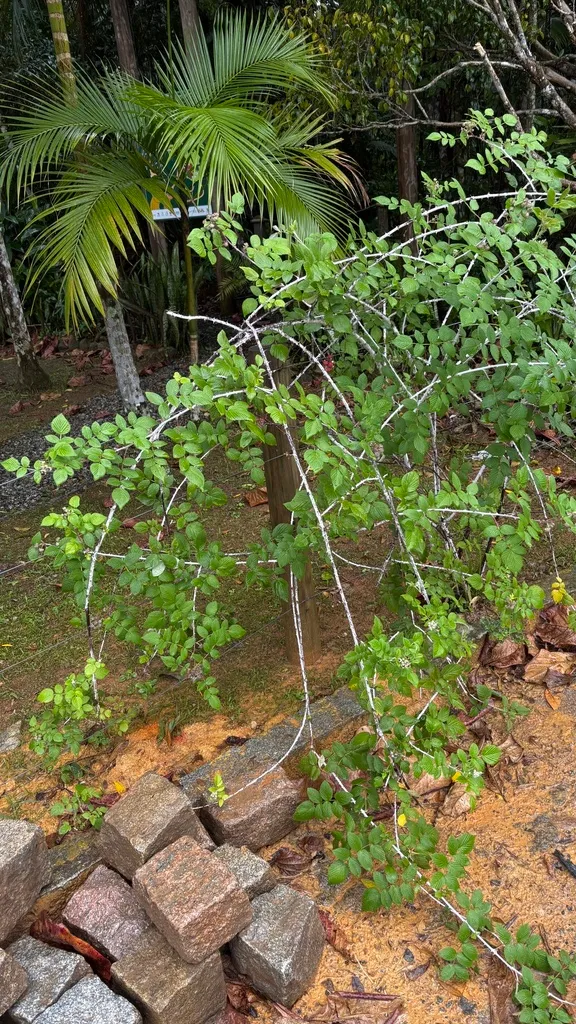
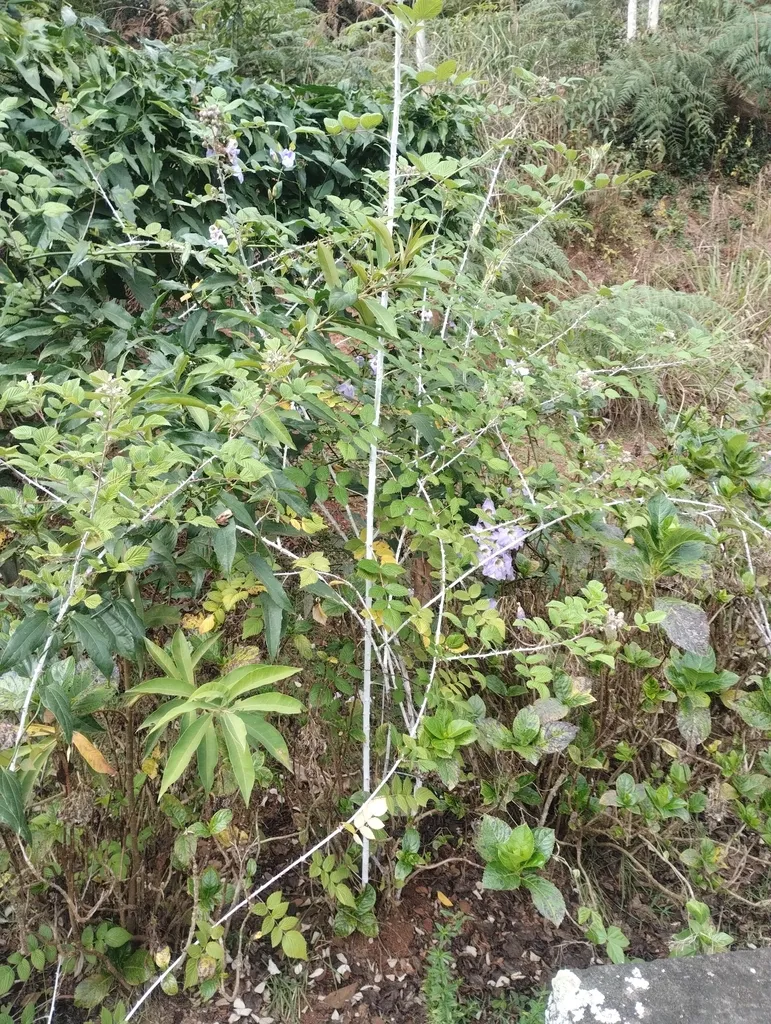
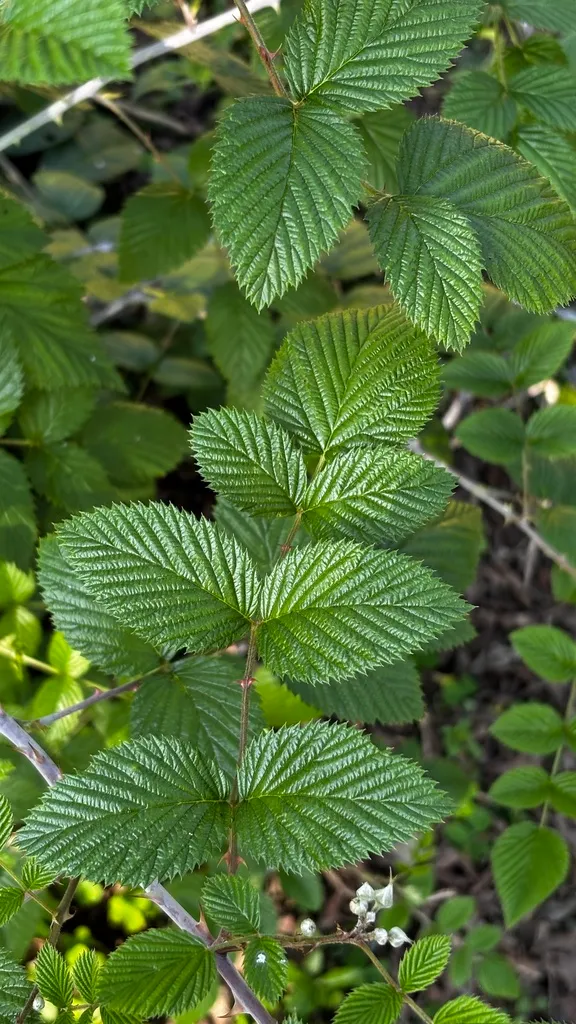
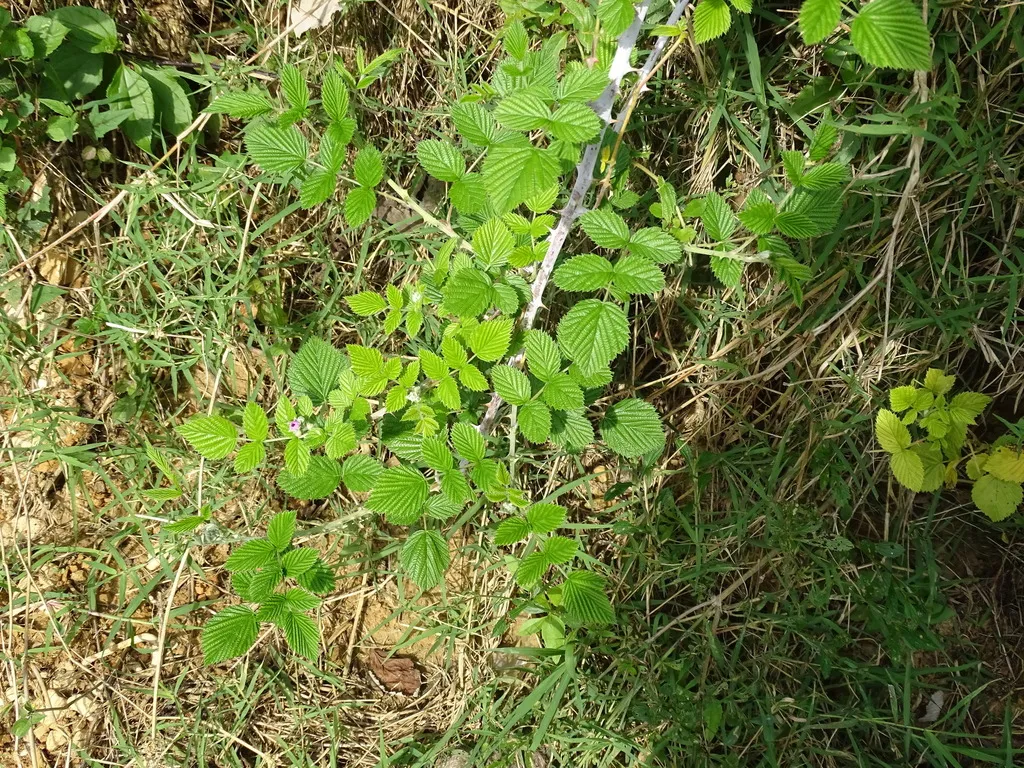
A hardy, deciduous shrub with green foliage and pink-red flowers which appear from June to July, followed by red-black fruit which is very soft and juicy with a sweet flavour. Fruit should be eaten within 24 hours as it decays quickly
Scientific classification
- Species
- Mysore raspberry (Rubus niveus)
- Genus
- Rubus
- Family
- Rosaceae
- Information to be completed
- Toxicity
- Fruit Edible · Shrubs
- Plant type
- 1.5-2.5 metres
- Height
- 0.5-1 metres
- Spread
- Deciduous
- Foliage
- Suckering
- Habit
- Spring · Summer · Autumn
- Season of interest
- Full sun · Partial shade
- Sunlight
- Information to be completed
- Ideal temperature









Mysore raspberry pictures
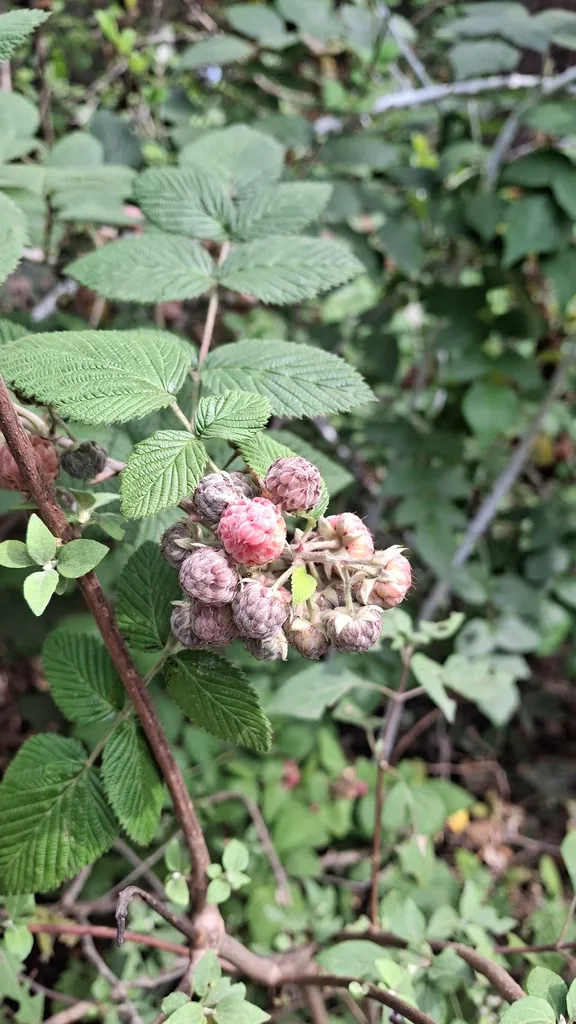
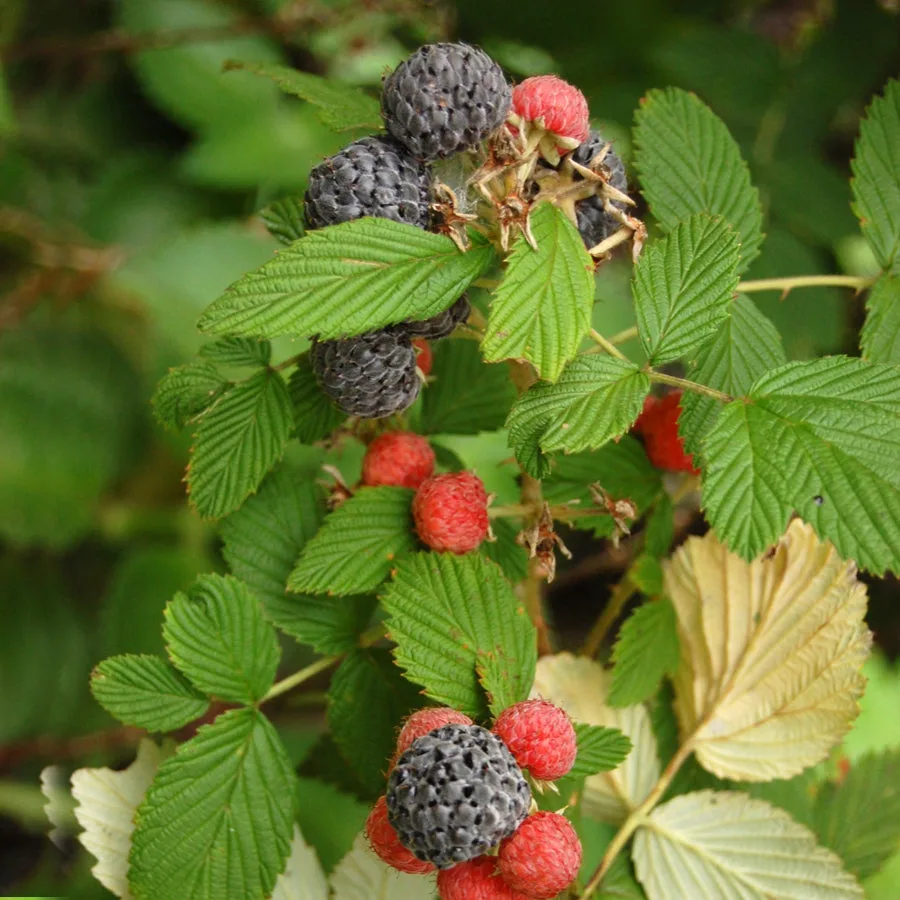
Distribution of Mysore raspberry
Distribution map
Information to be completed
Information to be completed
Culture
Information to be completed
Toxicity
Information to be completed
Quick identification of Mysore raspberry
Information to be completed
Mysore raspberry care guide
- Moderate regular watering, allowing brief slight drying between soakings
- Watering
- Full sun · Partial shade
- Sunlight
- Information to be completed
- Ideal temperature

Watering
Moderate regular watering, allowing brief slight drying between soakings
Fertilizing
 Fertilizing
Balanced perennial feed every four weeks from spring through summer
Pruning
 Pruning
Remove all fruited canes down to ground level in early to mid autumn
Propagation
 Propagation
Propagate by suckers
Growing
 Growing
Grow in an acidic or neutral soil and mulch with acidic material such as composted bark. See raspberry cultivation
People also ask
Information to be completed
Common pests and diseases
Diseases
May be susceptible to grey moulds and honey fungus (rarely)
Pests
May be susceptible to aphids, glasshouse red spider mite, raspberry leaf and bud mite, leafhoppers and raspberry beetle
Explore the plant health library →




