
Peruvian zinnia
Also known as: Information to be completed
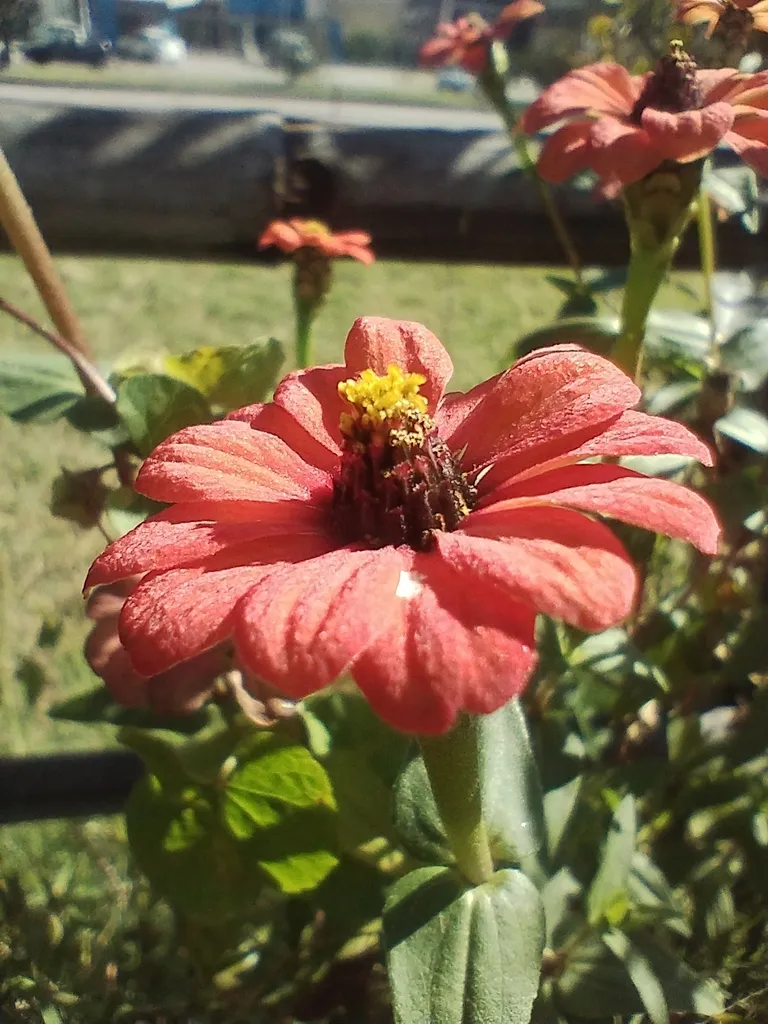
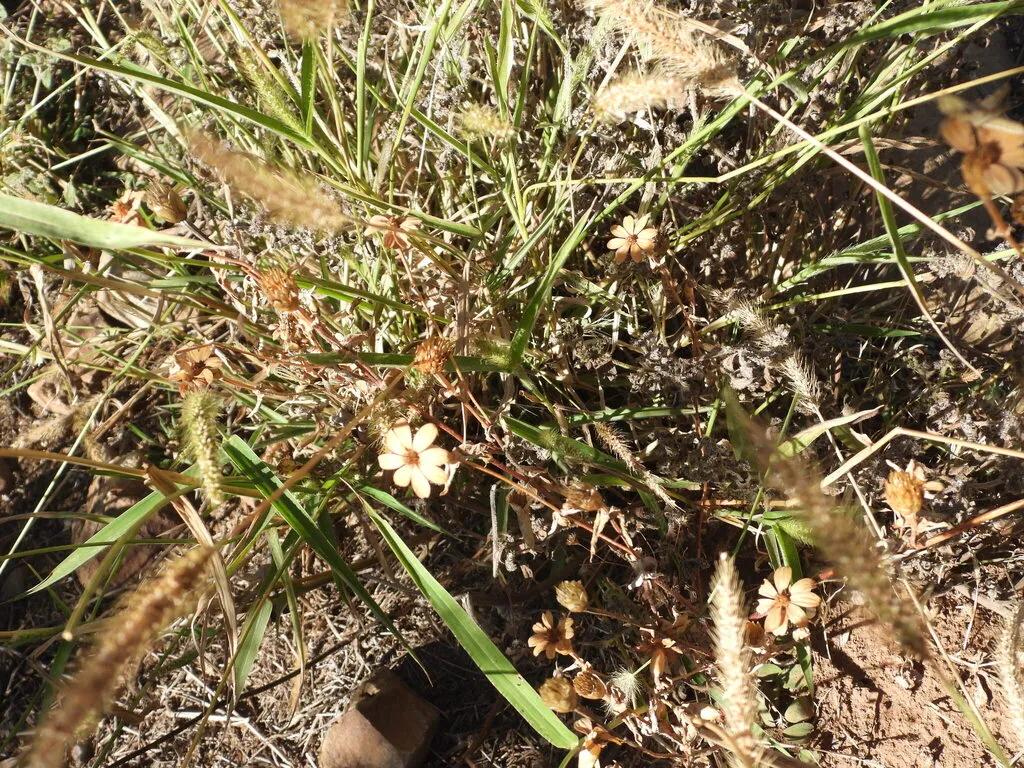
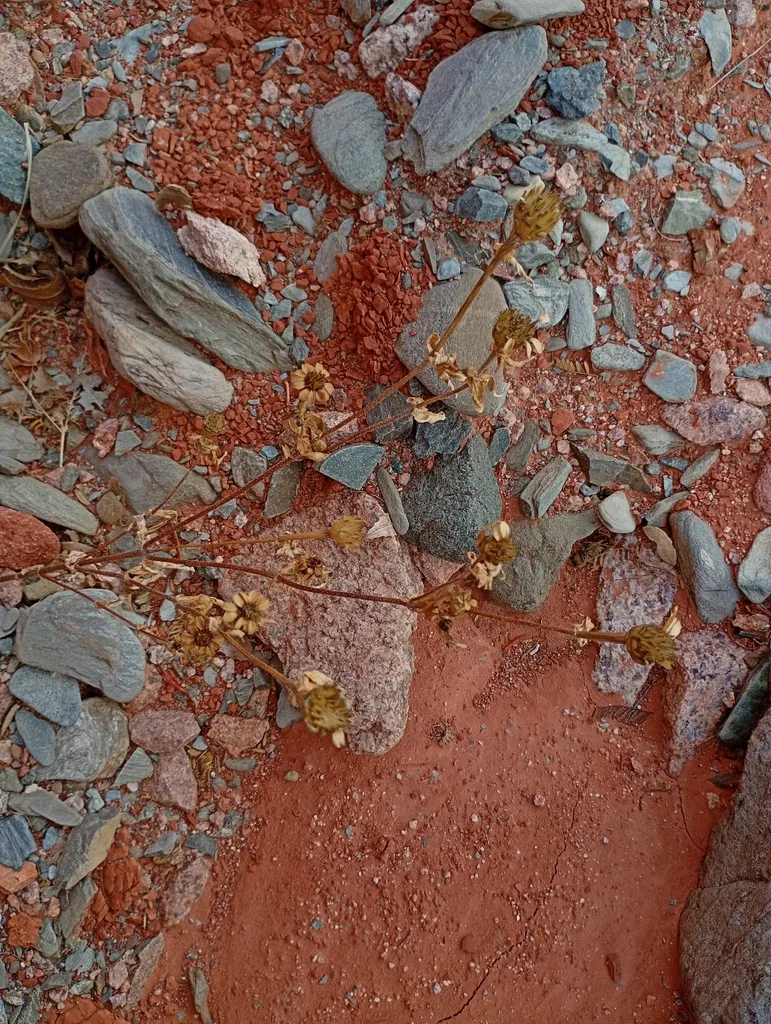
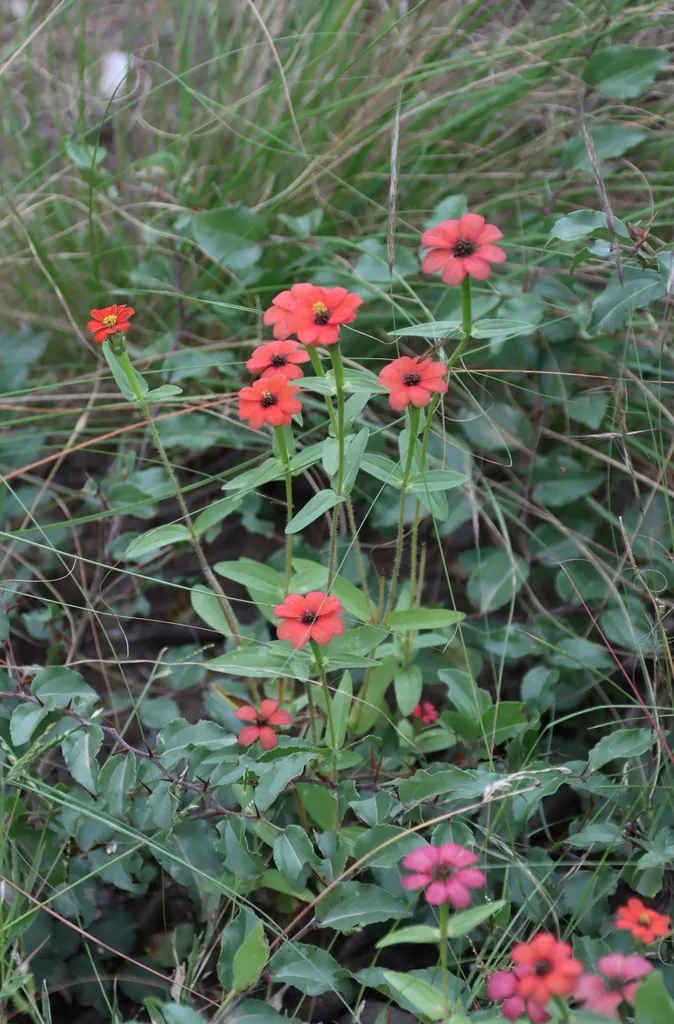
An upright, sparsely branched annual to 1m, with rough, bristly stems and leaves and single, daisy-like flowers in shades of red, orange, deep pink or yellow in summer and autumn
Scientific classification
- Species
- Peruvian zinnia (Zinnia peruviana)
- Genus
- Zinnia
- Family
- Asteraceae
- Order
- Asterales
- Class
- Magnoliopsida
- Phylum
- Magnoliophyta
- Information to be completed
- Toxicity
- Annual Biennial
- Plant type
- 0.5-1 metres
- Height
- 0.1-0.5 metres
- Spread
- Deciduous
- Foliage
- Bushy
- Habit
- Spring · Summer · Autumn
- Season of interest
- Full sun
- Sunlight
- Information to be completed
- Ideal temperature









Peruvian zinnia pictures
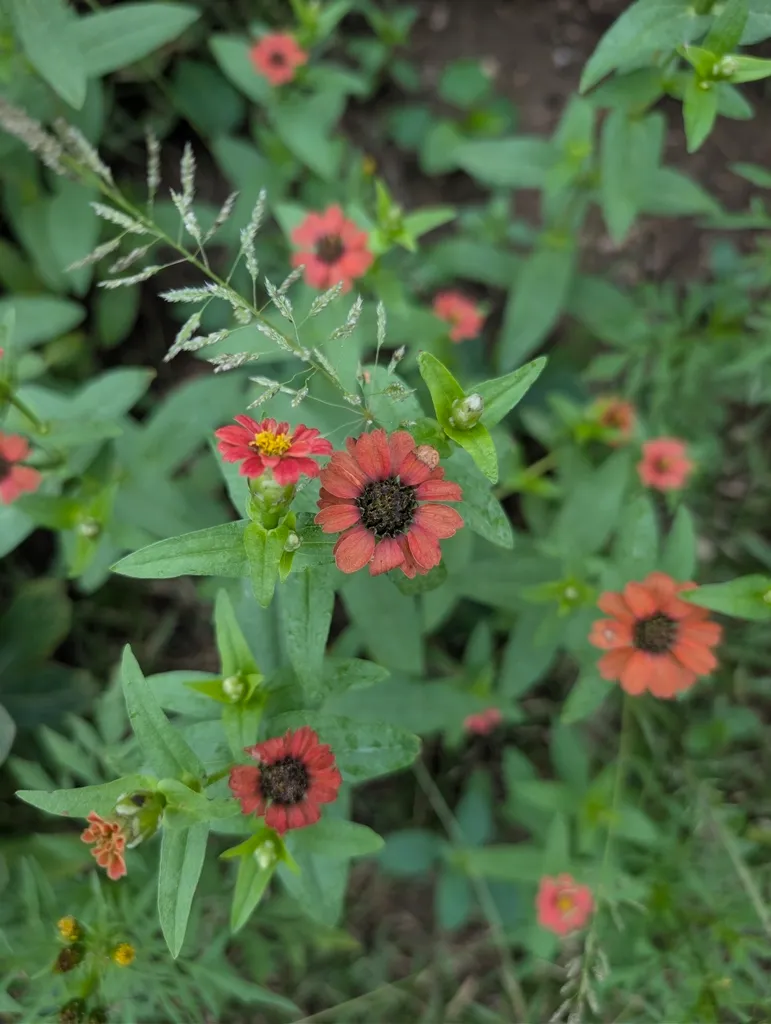
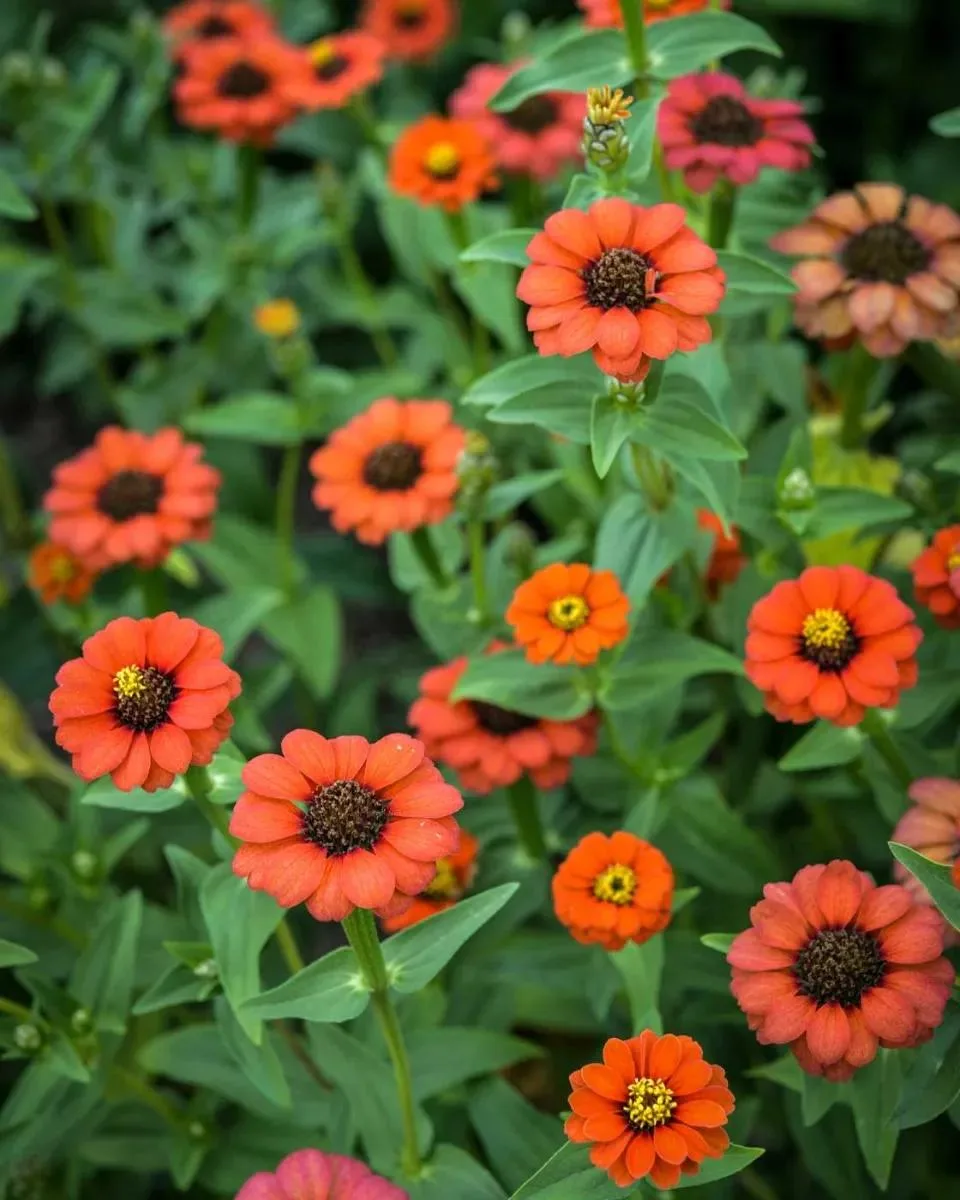
Distribution of Peruvian zinnia
Distribution map
- Native
- Introduced
- Cultivated
Source:WCVP v16 · Royal Botanic Gardens, Kew · CC BY 3.0 · Boundaries:WGSRPD / TDWG
Peruvian zinnia care guide
- Keep compost lightly moist, never fully drying out while blooming
- Watering
- Full sun
- Sunlight

Watering
Keep compost lightly moist, never fully drying out while blooming
Fertilizing
 Fertilizing
Weak flowering feed every two to three weeks in active bloom
Pruning
 Pruning
Deadhead to prolong flowering
Propagation
 Propagation
Propagate by seed sown in pots in spring, or in warm areas, sown in situ in late spring
Growing
 Growing
Grow in humus-rich, well-drained, fertile soil in full sun. Best grown in an open situation to minimise problems with powdery mildew
Common pests and diseases
Diseases
May be susceptible to grey moulds, powdery mildews and a leaf spot
Pests
Generally pest-free
Explore the plant health library →




