
peanut
Also known as: manilla nut; monkey nut; pinder; underground bean; earth almond; earth nut; grass nut; ground nut
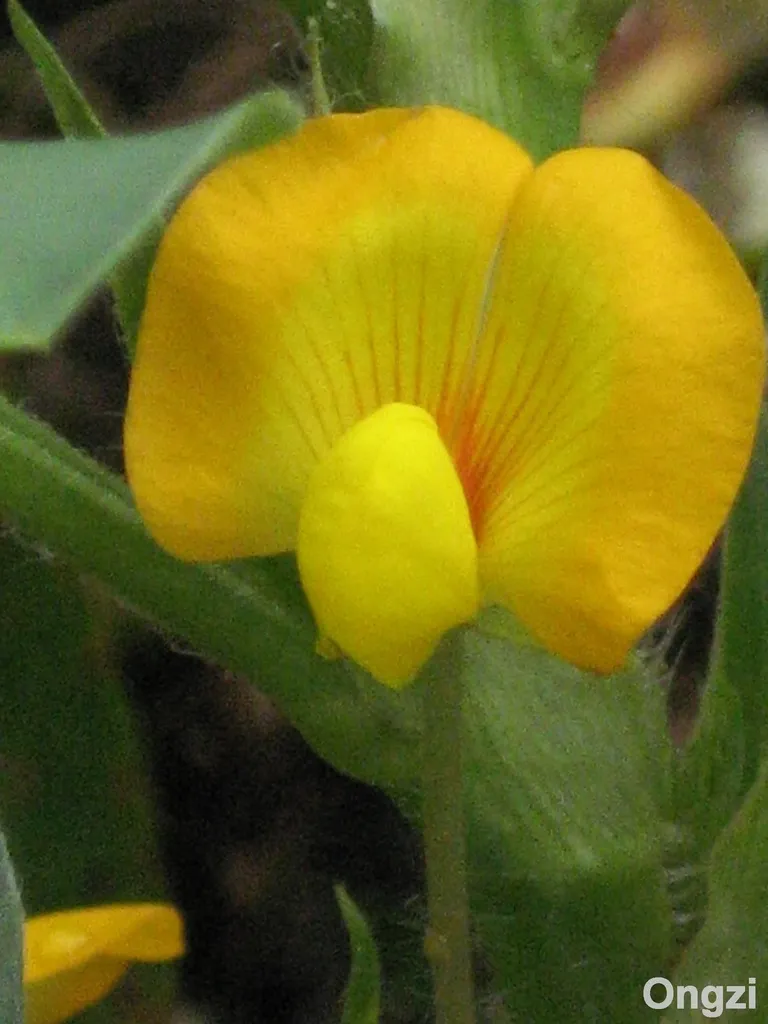
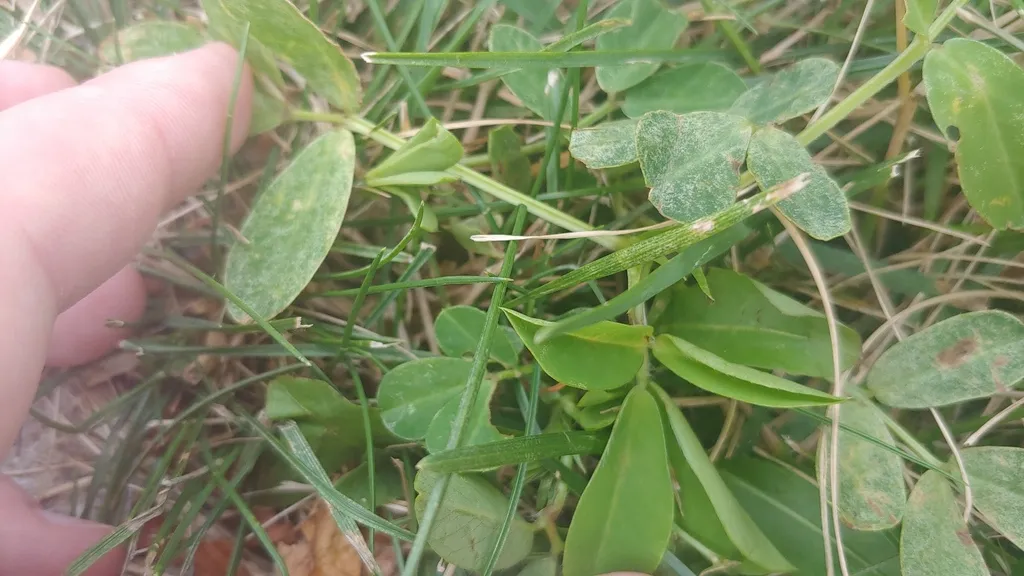
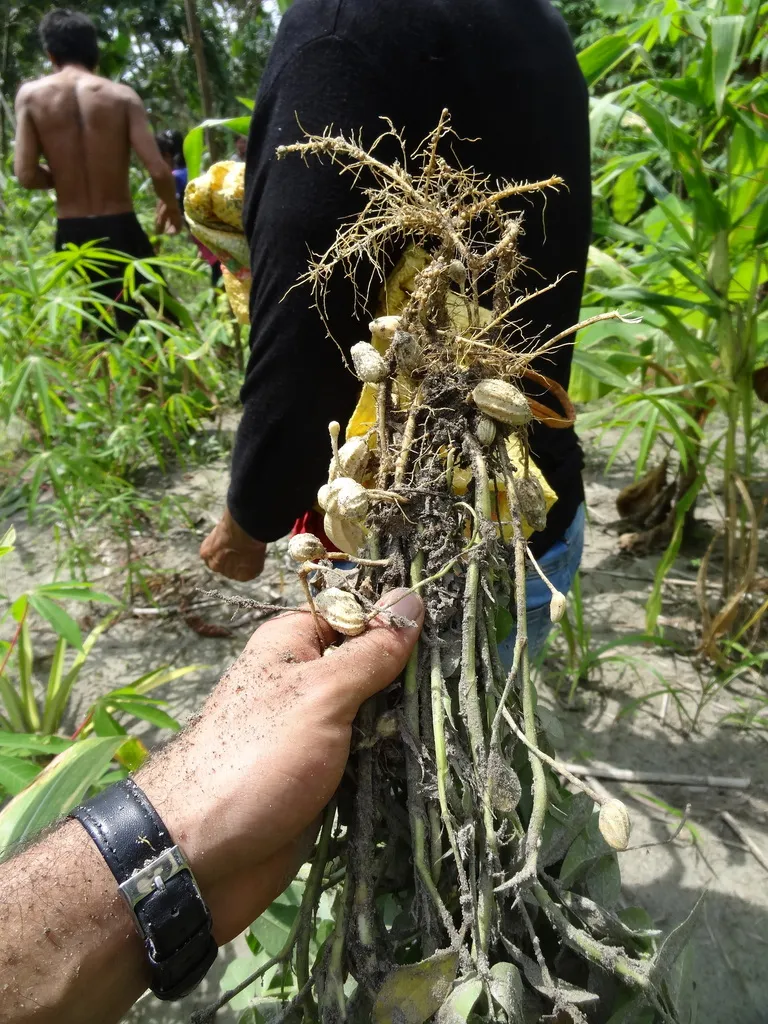
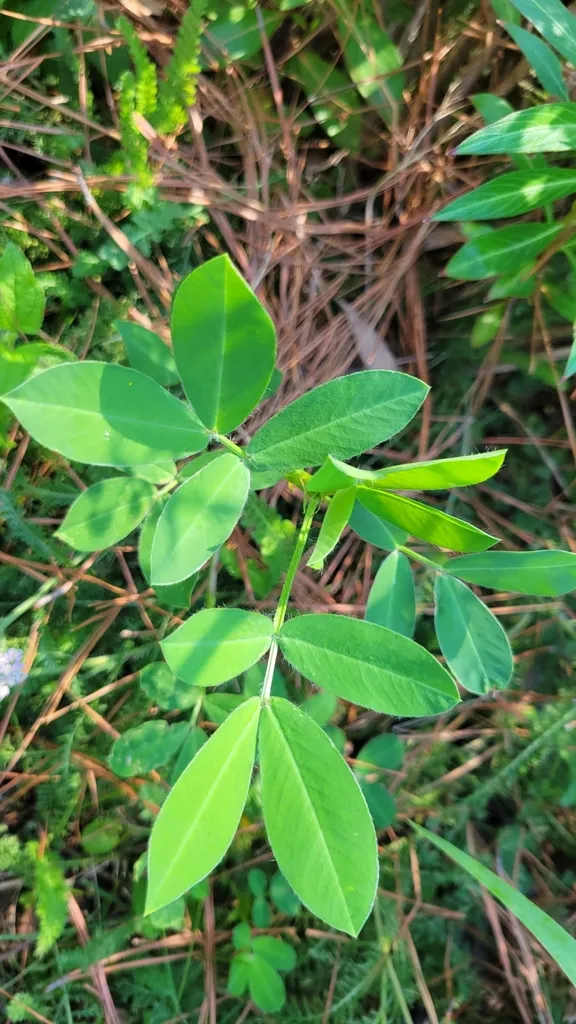
A leguminous plant grown as an annual and cultivated for its edible fruit- the peanut. Leaves are divided into four leaflets and small, pea-like yellow flowers with orange veining up to 1.5cm across are borne from mid- to late summer. Following pollination, the flower stem elongates and dips pushing the ovary into the ground where the fruit develops
Scientific classification
- Species
- peanut (Arachis hypogaea)
- Genus
- Arachis
- Family
- Fabaceae
- Seeds not edible. Wear gloves and other protective equipment when handling
- Toxicity
- Annual Biennial
- Plant type
- 0.1-0.5 metres
- Height
- 0.1-0.5 metres
- Spread
- Deciduous
- Foliage
- Bushy
- Habit
- Spring · Summer · Autumn
- Season of interest
- Full sun
- Sunlight
- Information to be completed
- Ideal temperature









peanut pictures
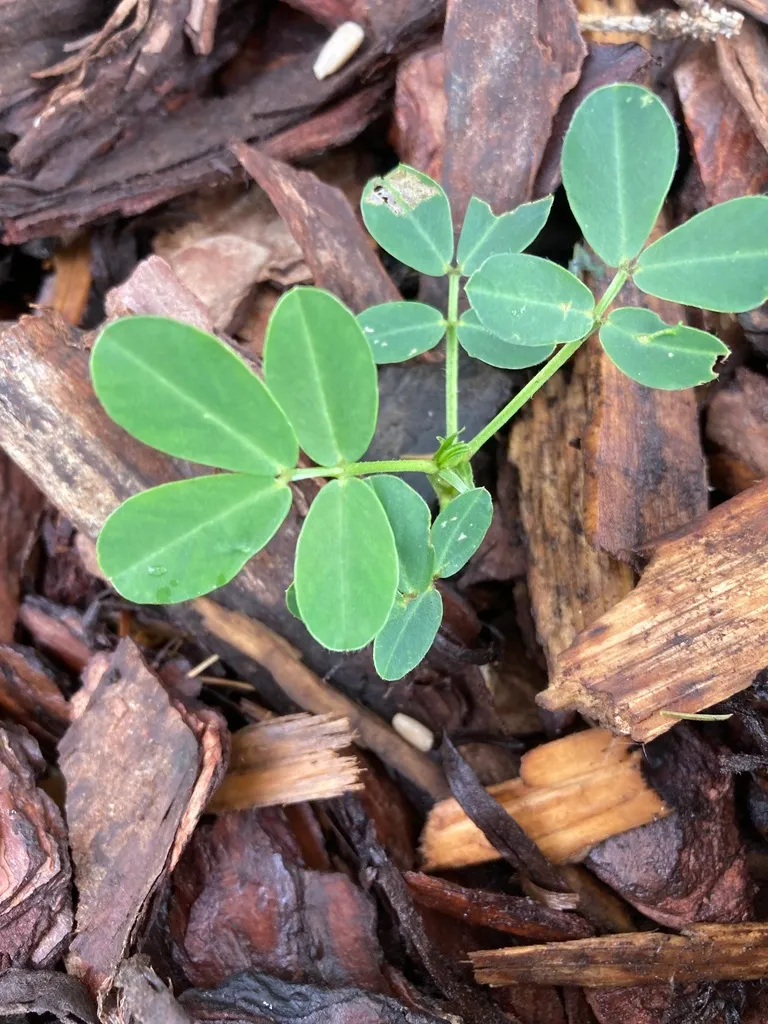
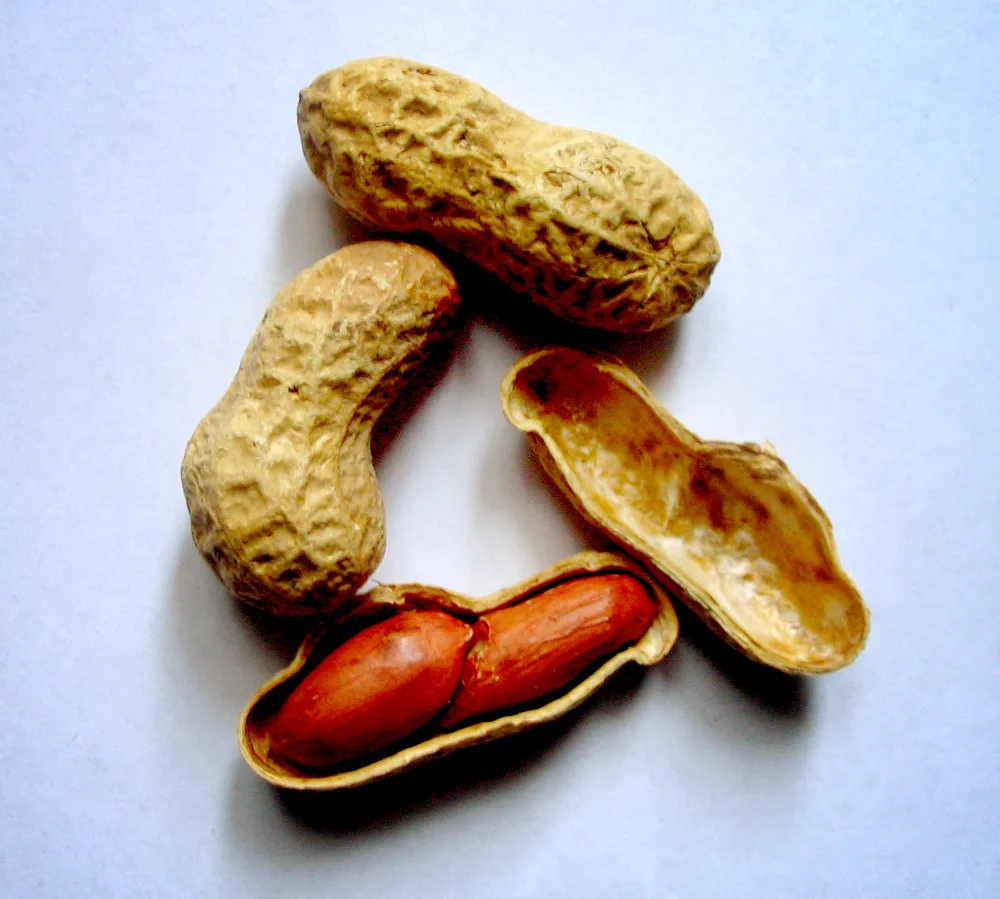
Distribution of peanut
Distribution map
Information to be completed
Information to be completed
Culture
Information to be completed
Toxicity
Seeds not edible. Wear gloves and other protective equipment when handling
Quick identification of peanut
Information to be completed
peanut care guide
- Moderate watering, keep soil damp while developing pods
- Watering
- Full sun
- Sunlight
- Information to be completed
- Ideal temperature

Watering
Moderate watering, keep soil damp while developing pods
Fertilizing
 Fertilizing
Balanced legume feed applied once at early spring planting
Pruning
 Pruning
No pruning required
Propagation
 Propagation
Propagate by seed. See sowing vegetable seeds
Growing
 Growing
Under glass grow in light, free-draining compost in full sun\r\nRequires a long growing season to produce viable crops of peanuts so generally not suited to growing outside for this purpose in most of the UK
People also ask
Information to be completed
Common pests and diseases
Diseases
Generally disease-free
Pests
Generally pest-free
Explore the plant health library →




