
raspberry 'Lloyd George'
Also known as: Information to be completed
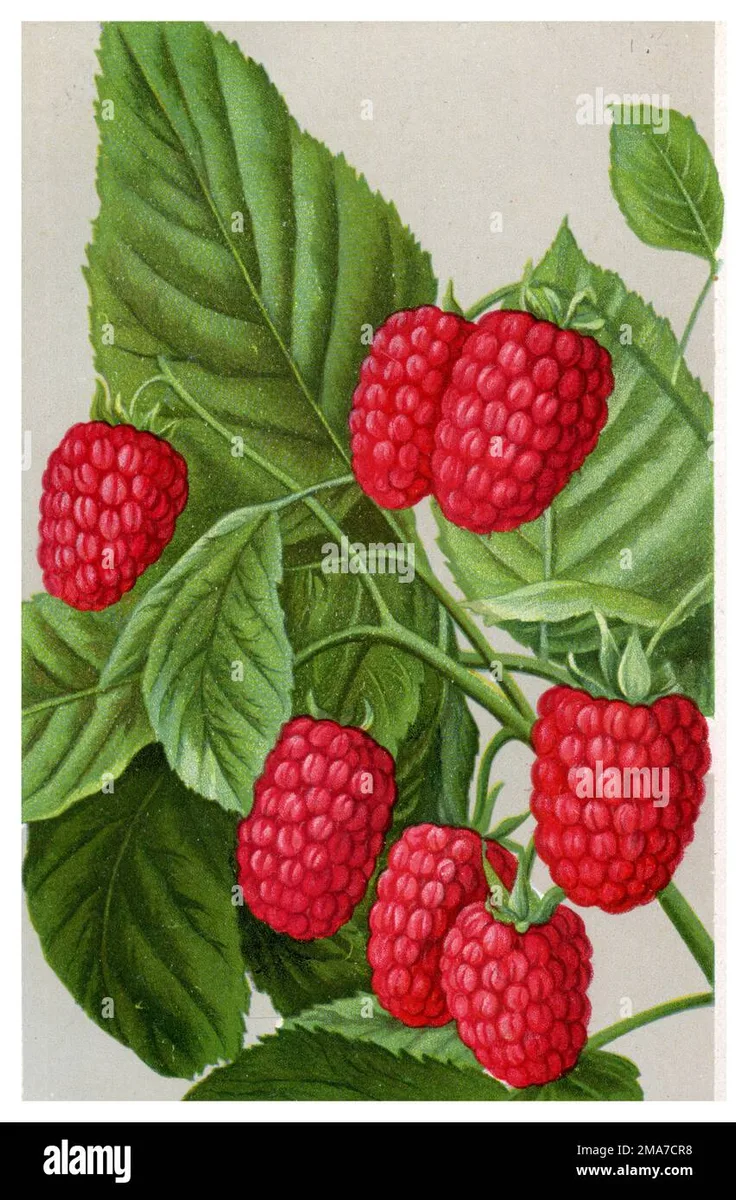
A summer-fruiting cultivar, producing red raspberries with a good flavour in July. Moderate growth rate, with arching canes that do not have many spines
Scientific classification
- Species
- raspberry 'Lloyd George' (Rubus idaeus 'Lloyd George')
- Genus
- Rubus
- Family
- Rosaceae
- Order
- Rosales
- Class
- Magnoliopsida
- Phylum
- Magnoliophyta
- Information to be completed
- Toxicity
- Fruit Edible
- Plant type
- 1.5-2.5 metres
- Height
- 1-1.5 metres
- Spread
- Deciduous
- Foliage
- Columnar upright · Suckering
- Habit
- Spring · Summer · Autumn
- Season of interest
- Full sun · Partial shade
- Sunlight
- Information to be completed
- Ideal temperature









raspberry 'Lloyd George' pictures
Distribution of raspberry 'Lloyd George'
Distribution map
- Native
- Introduced
- Cultivated
Source:WCVP v16 · Royal Botanic Gardens, Kew · CC BY 3.0 · Boundaries:WGSRPD / TDWG
raspberry 'Lloyd George' care guide
- Deep watering during dry spells, allowing slight surface drying between soakings
- Watering
- Full sun · Partial shade
- Sunlight

Watering
Deep watering during dry spells, allowing slight surface drying between soakings
Fertilizing
 Fertilizing
Balanced shrub or tree feed once each early spring
Pruning
 Pruning
After harvesting in summer, cut back fruited canes to ground level
Propagation
 Propagation
Lift healthy suckers that appear between the rows and replant in a new spot. You can also divide large clumps when dormant
Growing
 Growing
Grow in moisture-retentive, fertile, ideally slightly acidic soil, which is well-drained and weed free. For best results, plant in a sunny position. They will tolerate light shade, but may produce a smaller crop. Train raspberries in rows using wires for support. May have the potential to become a nuisance if not managed well. See raspberry cultivation
Common pests and diseases
Diseases
May be susceptible to grey moulds, raspberry cane spot, a fungal leaf spot, raspberry cane blight or a virus
Pests
May be susceptible to raspberry beetle, raspberry leaf and bud mite. May need protection from birds
Explore the plant health library →




