
Brussels sprout 'Clodius'
Also known as: Information to be completed
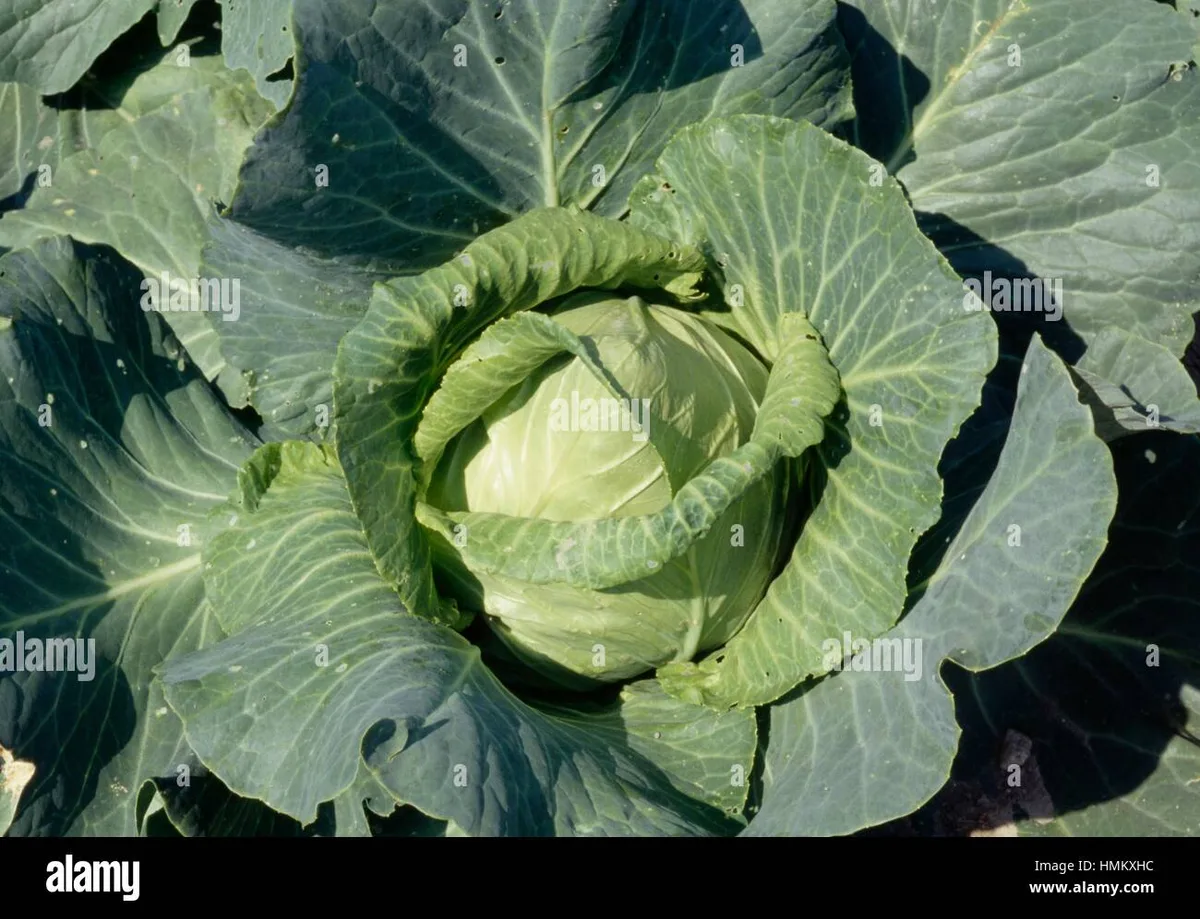
A biennial leafy vegetable, usually grown as an annual for its edible buds. Produces strong stems to 90cm high, that stand well over winter, with firm, bright green buttons with a sweet flavour. Ready to harvest from December to mid-February depending on sowing time
Scientific classification
- Species
- Brussels sprout 'Clodius' (Brassica oleracea 'Clodius')
- Genus
- Brassica
- Family
- Brassicaceae
- Order
- Brassicales
- Class
- Magnoliopsida
- Phylum
- Tracheophyta
- Information to be completed
- Toxicity
- Annual Biennial
- Plant type
- 0.5-1 metres
- Height
- 0.1-0.5 metres
- Spread
- Evergreen
- Foliage
- Columnar upright
- Habit
- Spring · Summer · Autumn · Winter
- Season of interest
- Full sun
- Sunlight
- Information to be completed
- Ideal temperature









Brussels sprout 'Clodius' pictures
Distribution of Brussels sprout 'Clodius'
Distribution map
- Native
- Introduced
- Cultivated
Source:WCVP v16 · Royal Botanic Gardens, Kew · CC BY 3.0 · Boundaries:WGSRPD / TDWG
Brussels sprout 'Clodius' care guide
- Keep soil consistently moist for steady leafy growth without drought stress
- Watering
- Full sun
- Sunlight

Watering
Keep soil consistently moist for steady leafy growth without drought stress
Fertilizing
 Fertilizing
Nitrogen-rich vegetable feed every two to three weeks in active growth
Pruning
 Pruning
No pruning required
Propagation
 Propagation
Propagate by seed. See sowing vegetable seeds or sowing seeds indoors
Growing
 Growing
Grow in fertile, well-drained soil in full sun, and protect from strong winds. Where possible, avoid growing brassicas in the same soil year on year, to prevent the build up of soil-borne diseases. See the RHS A-Z Guides to vegetable cultivation for more detailed advice
Common pests and diseases
Diseases
May be susceptible to downy mildews, powdery mildews, and club root particularly in acidic soil
Pests
May be susceptible to cabbage root fly, cabbage caterpillars, cabbage whitefly and mealy cabbage aphid
Explore the plant health library →




