
Australian banyan
Also known as: Moreton Bay fig
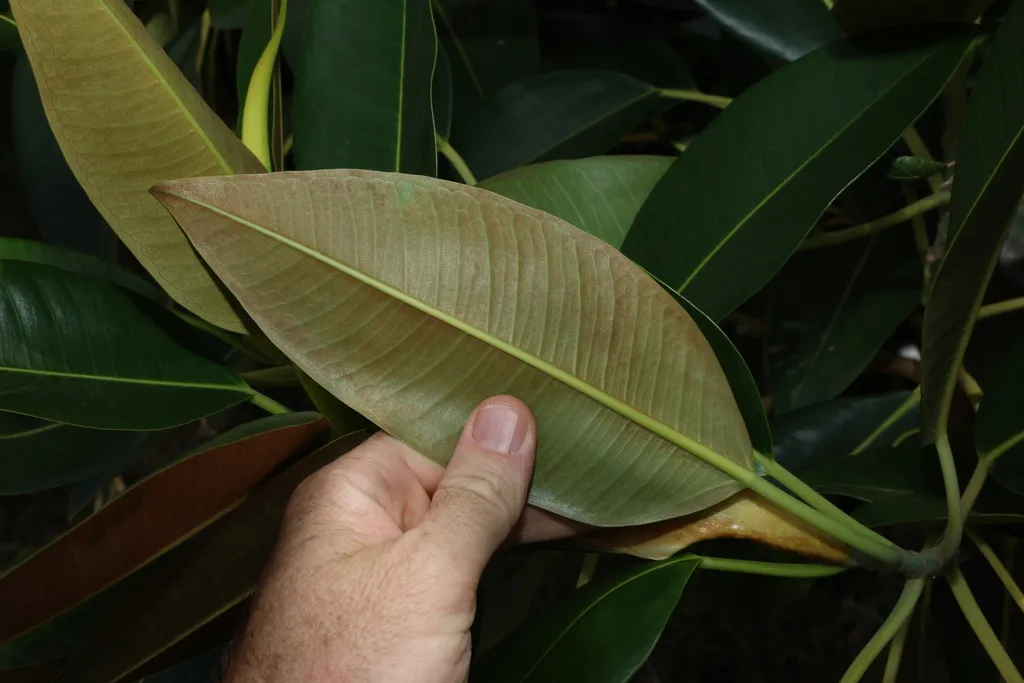
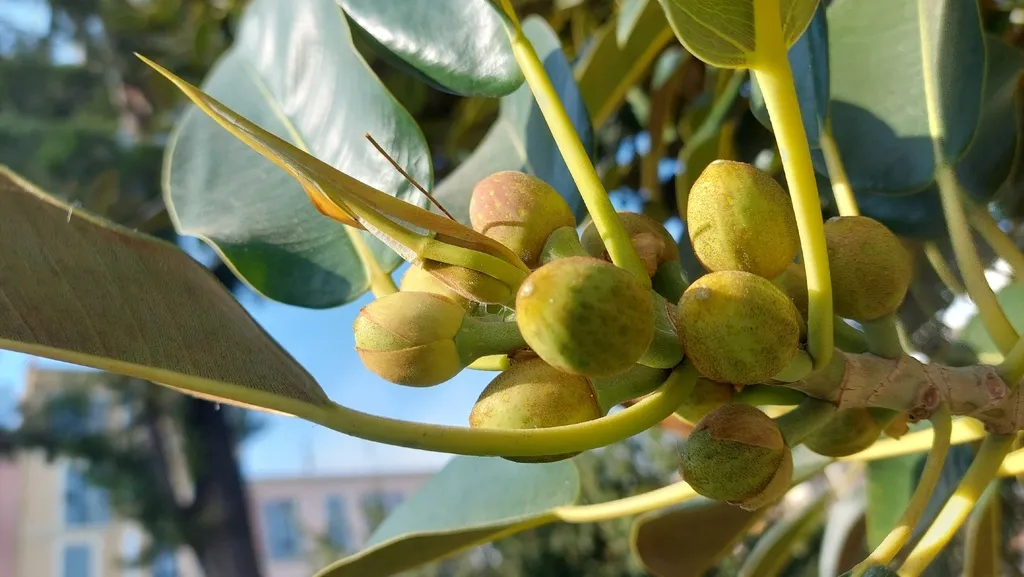
A large, subtropical evergreen tree, over 30m high in its native range, with buttressed trunks, widely spreading branches, and sometimes aerial roots that can hang down to the ground, forming secondary trunks. Leaves are oval to elliptic and leathery, with brownish undersides, and can be up to 30cm long. Small, round figs are green with cream spots and ripen to purple
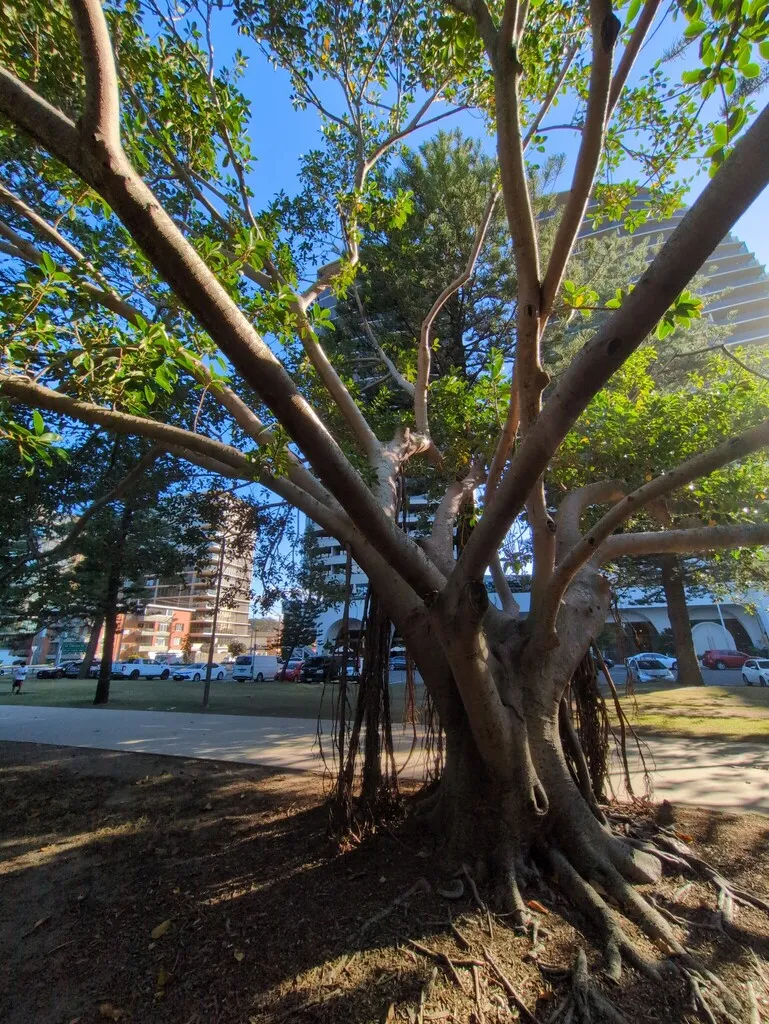
Scientific classification
- Species
- Australian banyan (Ficus macrophylla)
- Genus
- Ficus
- Family
- Moraceae
- Skin allergen. Wear gloves and other protective equipment when handling
- Toxicity
- Trees
- Plant type
- Higher than 12 metres
- Height
- wider than 8 metres
- Spread
- Evergreen
- Foliage
- Information to be completed
- Habit
- Spring · Summer · Autumn · Winter
- Season of interest
- Full sun · Partial shade
- Sunlight
- Information to be completed
- Ideal temperature









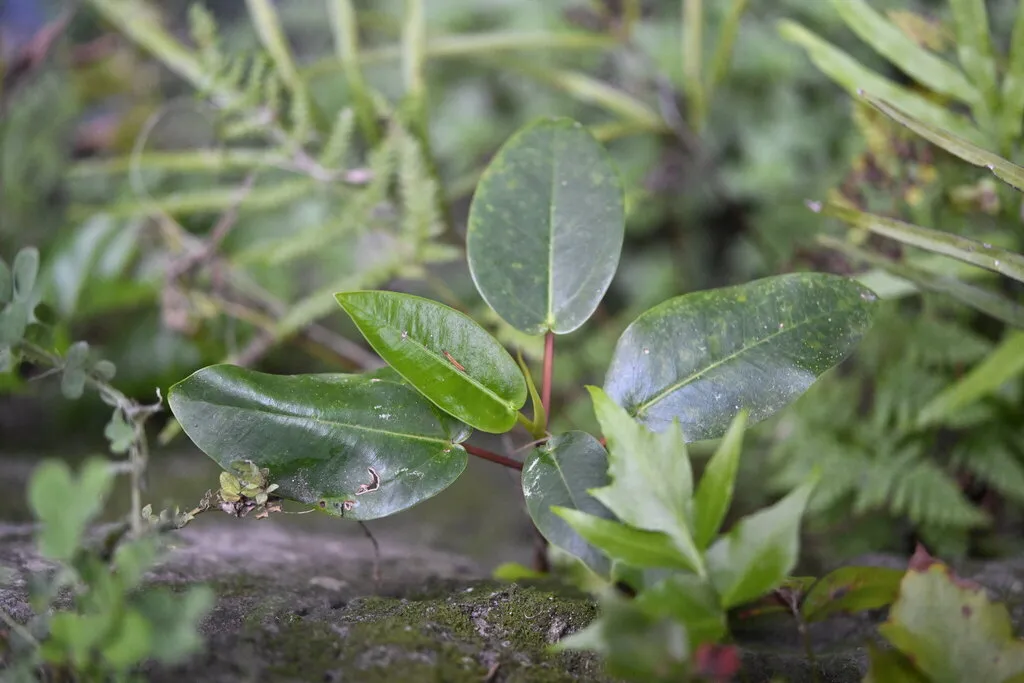
Australian banyan pictures
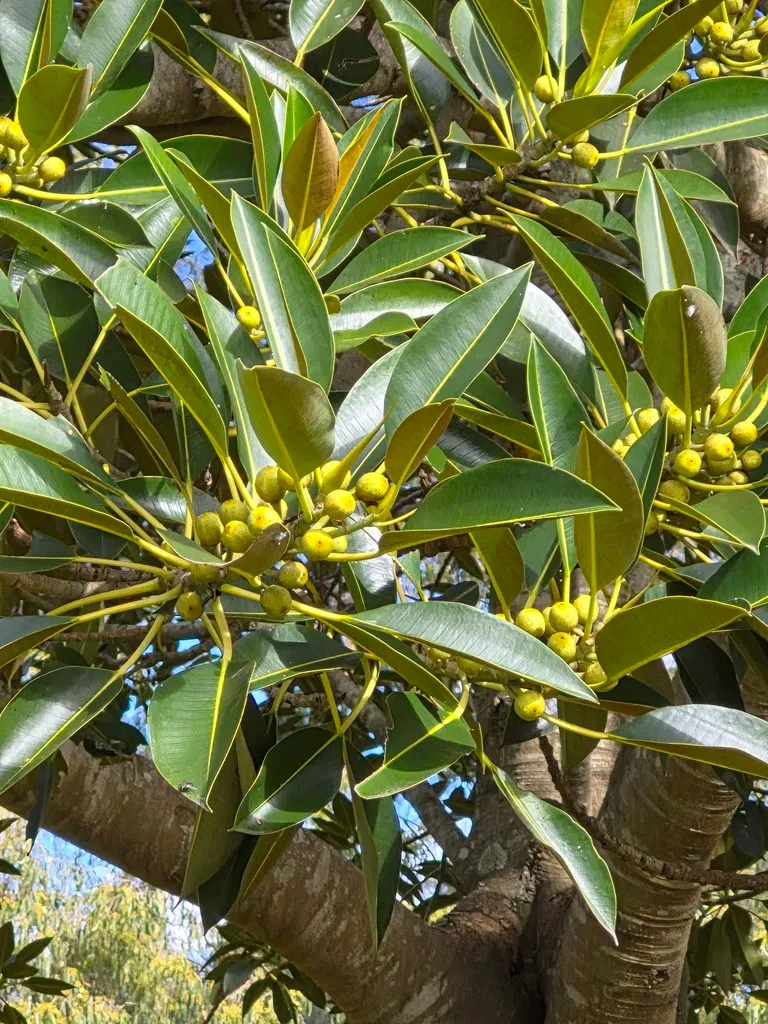
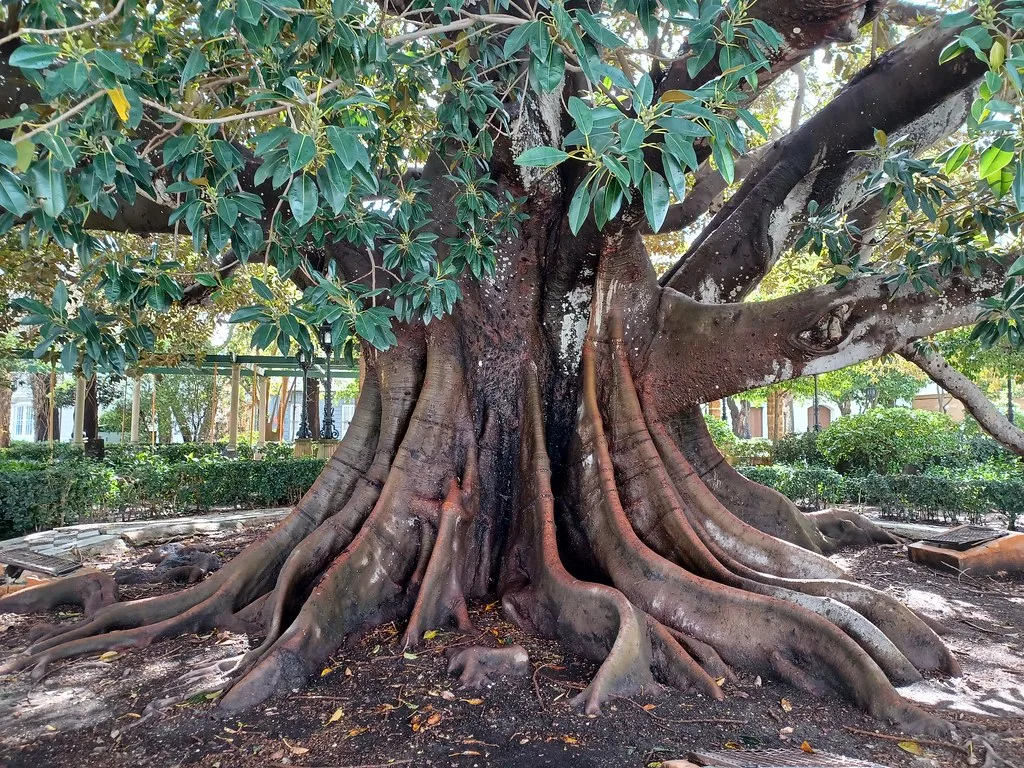
Distribution of Australian banyan
Distribution map
Information to be completed
Information to be completed
Culture
Information to be completed
Toxicity
Skin allergen. Wear gloves and other protective equipment when handling
Quick identification of Australian banyan
Information to be completed
Australian banyan care guide
- Water when upper compost dries, never keep soggy
- Watering
- Full sun · Partial shade
- Sunlight
- Information to be completed
- Ideal temperature

Watering
Water when upper compost dries, never keep soggy
Fertilizing
 Fertilizing
Balanced feed every few weeks in warm growing season
Pruning
 Pruning
Little pruning is needed. Remove diseased, damaged, crowded or crossing shoots and unwanted growth. Timing depends on the plant: generally late winter or early spring; plants prone to bleeding and deciduous magnolias need different timing, and deciduous azaleas and lilacs are pruned after flowering.
Propagation
 Propagation
Propagate by seed or by semi-hardwood cuttings
Growing
 Growing
Thrives in fertile soil, in its native range it is found in subtropical and warm temperate rainforests (minimum temperature 10°C). Rarely grown in gardens due to its size and aggressive root system
People also ask
Information to be completed
Common pests and diseases
Diseases
May be susceptible to honey fungus
Pests
May be susceptible to aphids and scale insects
Explore the plant health library →




