
Rhododendron saxifragoides
Also known as: Information to be completed
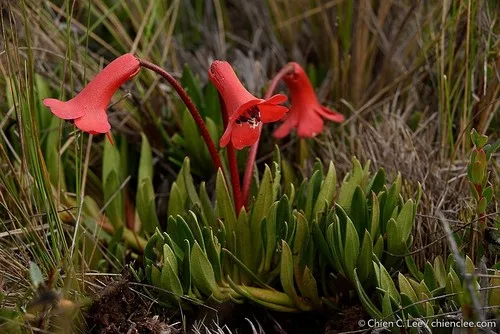
A slow-growing, cushion-forming tender shrub to 15cm high, with small, narrow, glossy dark green leaves. Flowers are red or pink, tubular to trumpet-shaped, and produced singly or in pairs on stems up to 10cm above the leaves. This species can be a challenging plant to grow, but it has contributed to a number of successful hybrids which are more common in cultivation
Scientific classification
- Species
- Rhododendron saxifragoides (Rhododendron saxifragoides)
- Genus
- Rhododendron
- Family
- Ericaceae
- Order
- Ericales
- Class
- Magnoliopsida
- Phylum
- Magnoliophyta
- Harmful if eaten. Wear gloves and other protective equipment when handling
- Toxicity
- Shrubs · Alpine Rockery
- Plant type
- 0.1-0.5 metres
- Height
- 0.1-0.5 metres
- Spread
- Evergreen
- Foliage
- Matforming
- Habit
- Spring · Summer · Autumn · Winter
- Season of interest
- Full sun · Partial shade
- Sunlight
- Information to be completed
- Ideal temperature









Rhododendron saxifragoides pictures
Distribution of Rhododendron saxifragoides
Distribution map
- Native
- Introduced
- Cultivated
Source:WCVP v16 · Royal Botanic Gardens, Kew · CC BY 3.0 · Boundaries:WGSRPD / TDWG
Toxicity
Harmful if eaten. Wear gloves and other protective equipment when handling
Rhododendron saxifragoides care guide
- Evenly moist growing medium, reduce watering volume during cold winter
- Watering
- Full sun · Partial shade
- Sunlight

Watering
Evenly moist growing medium, reduce watering volume during cold winter
Fertilizing
 Fertilizing
Specialized rhododendron diluted fertilizer monthly in growing phase
Pruning
 Pruning
No pruning required
Propagation
 Propagation
Propagate by seed, by semi-ripe cuttings or by layering
Growing
 Growing
Grow under glass, in a greenhouse or conservatory in an ericaceous (lime-free) potting mix that holds moisture well. Position in bright, filtered light, keeping temperatures as consistent as possible, and always above 8°C and below 25°C. Keep moist; in its natural environment this plant grows in boggy conditions. Maintain high levels of humidity but ensure air circulation to minimise fungal problems. See rhododendron cultivation for more detailed advice
Common pests and diseases
Diseases
May be susceptible to powdery mildews, rust diseases, honey fungus and Phytophthora
Pests
May be susceptible to aphids, mealybugs, scale insects and vine weevil
Explore the plant health library →




