
calavanche
Also known as: chickpea; chola; ciche; Egyptian pea; garbanzo; gram
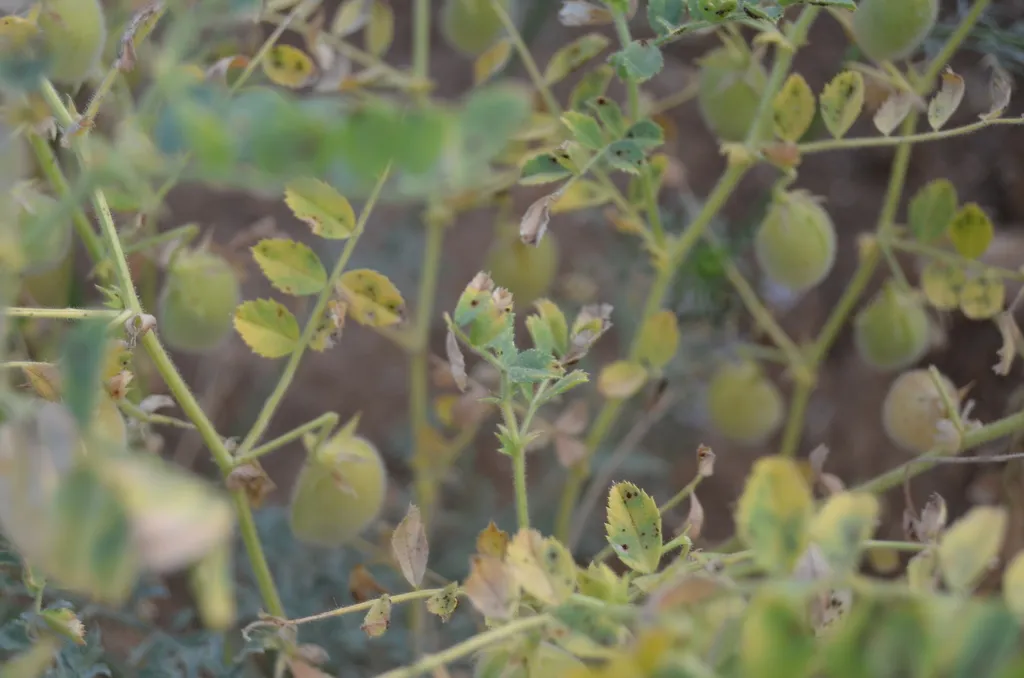
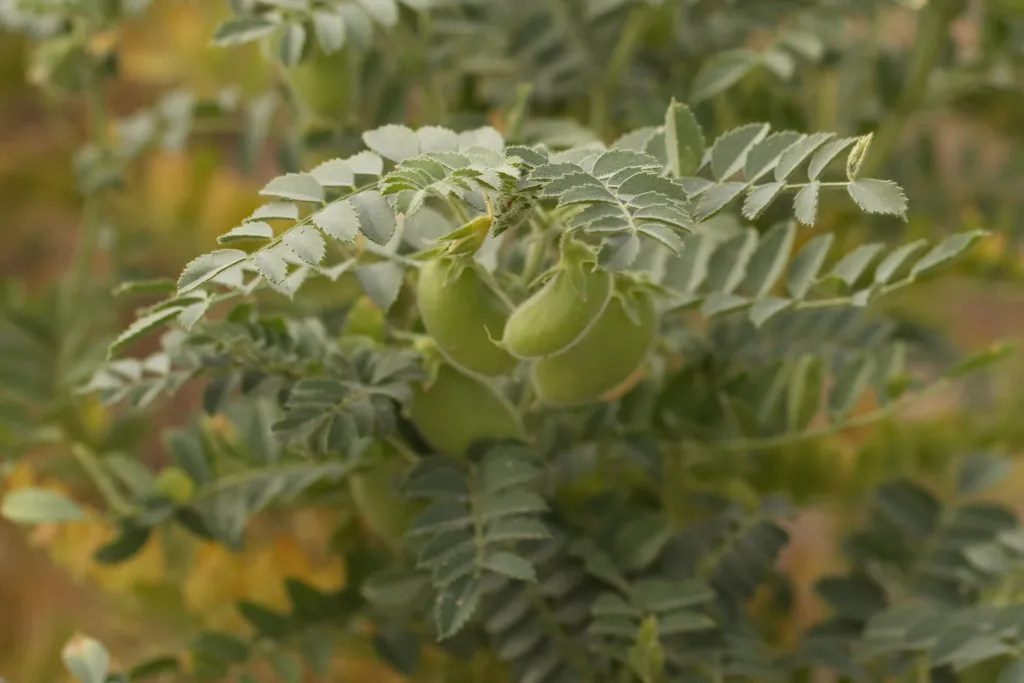
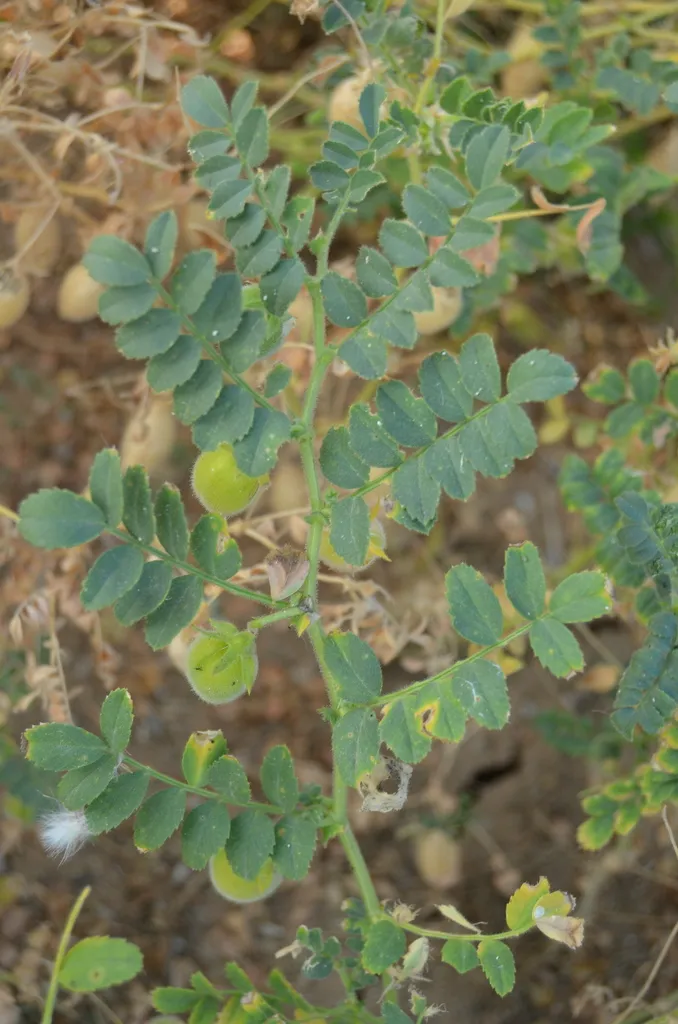
More commonly known as the Chickpea, this annual legume has small, green feathery leaves either side of the stem and produces fat green seedpods containing two or three peas to each pod in spring or early summer. Crops are usually ready for picking around 100 days after sowing. Sweetpea-like flowers appear in summer in shades of pink, white or purple
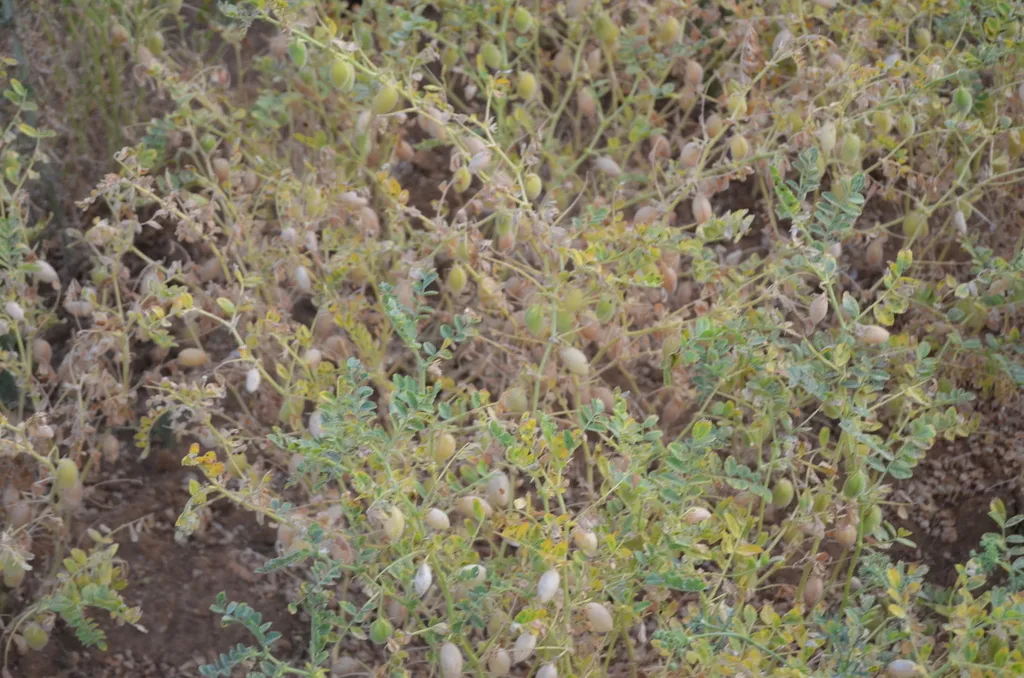
Scientific classification
- Species
- calavanche (Cicer arietinum)
- Genus
- Cicer
- Family
- Fabaceae
- Order
- Fabales
- Class
- Magnoliopsida
- Phylum
- Tracheophyta
- Information to be completed
- Toxicity
- Annual Biennial
- Plant type
- 0.5-1 metres
- Height
- 0.5-1 metres
- Spread
- Deciduous
- Foliage
- Bushy · Climbing
- Habit
- Spring · Summer
- Season of interest
- Full sun
- Sunlight
- Information to be completed
- Ideal temperature









calavanche pictures
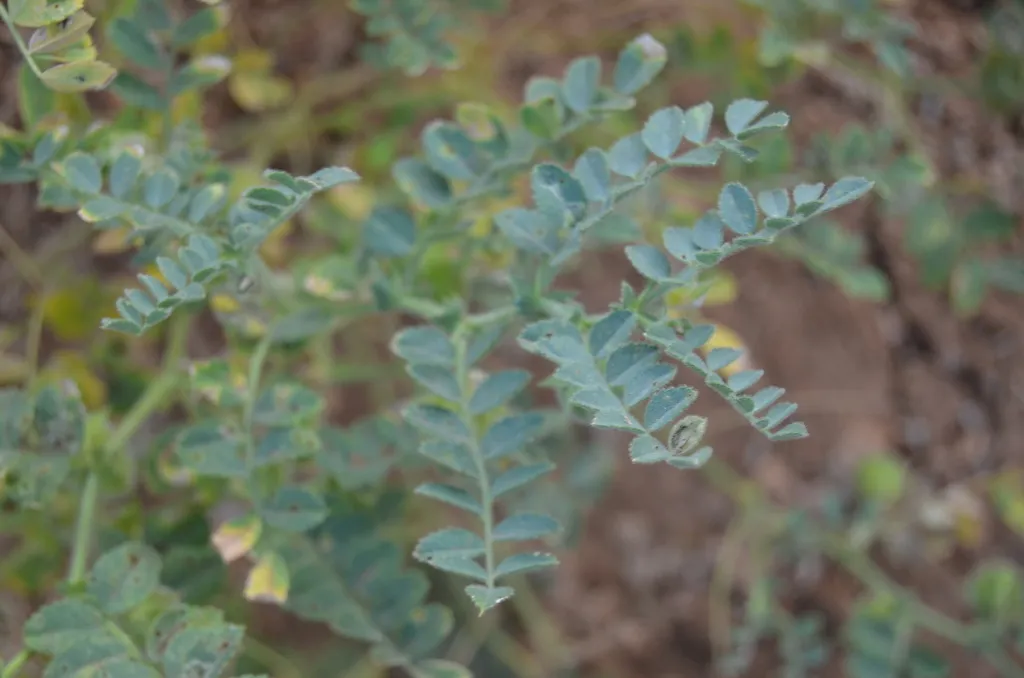
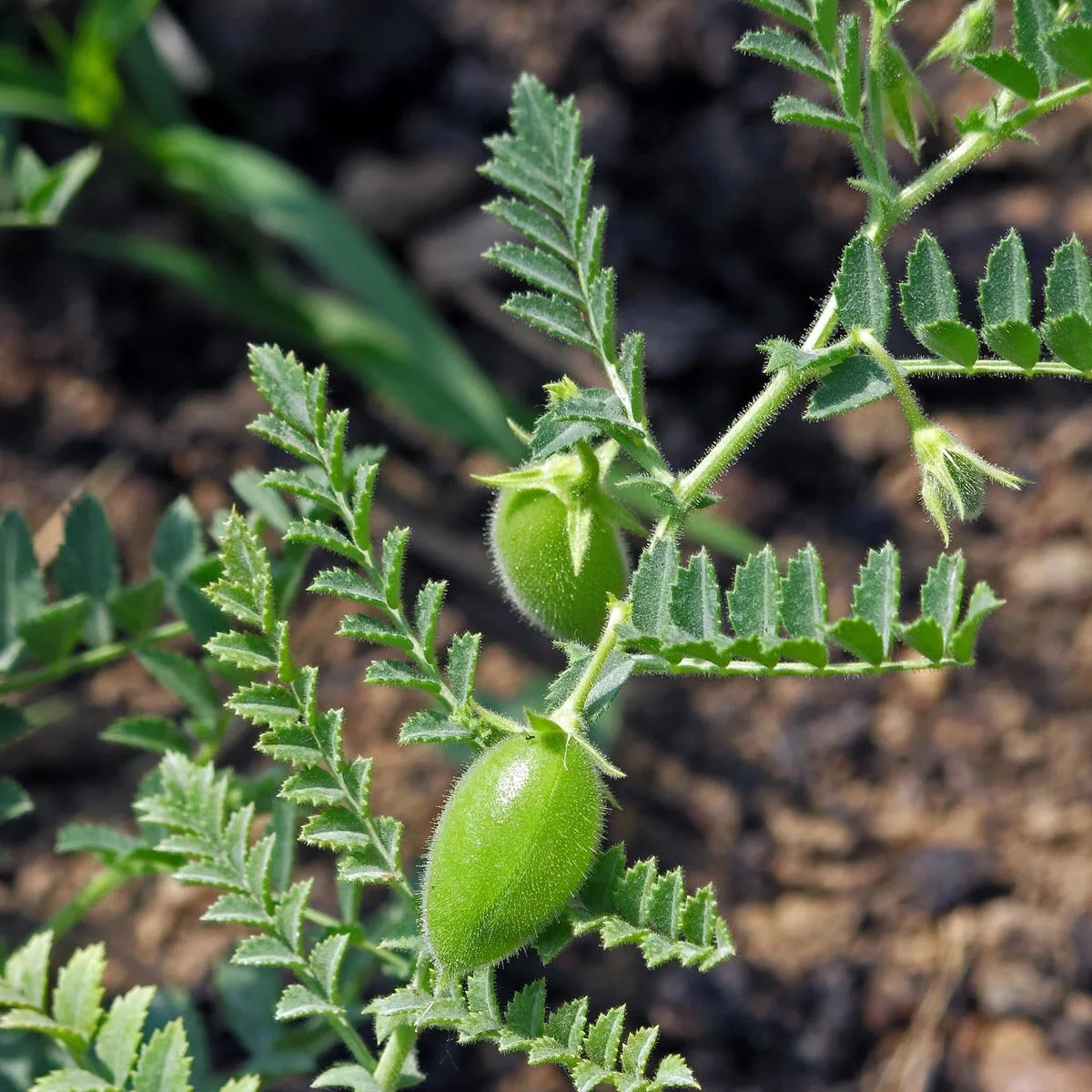
Distribution of calavanche
Distribution map
- Native
- Introduced
- Cultivated
Source:WCVP v16 · Royal Botanic Gardens, Kew · CC BY 3.0 · Boundaries:WGSRPD / TDWG
calavanche care guide
- Moderate regular watering, allowing brief slight drying between soakings
- Watering
- Full sun
- Sunlight

Watering
Moderate regular watering, allowing brief slight drying between soakings
Fertilizing
 Fertilizing
Balanced perennial feed every four weeks from spring through summer
Pruning
 Pruning
No pruning required
Propagation
 Propagation
Propagate by seed. See sowing vegetable seeds
Growing
 Growing
Grow in fertile, loamy, well-drained soil in full sun. Although plants can be grown in partial shade, yield will be reduced. Feed regularly with a high potassium and phosphorus feed throughout the growing season
Common pests and diseases
Diseases
May be susceptible to anthracnose, blight and mosaic virus
Pests
May be susceptible to aphids, bean beetles, flea beetles, leaf hoppers and mites
Explore the plant health library →




