
limetta
Also known as: Mediterranean sweet lime; Mediterranean sweet limetta; sweet lemon; sweetie; Tunisian sweet limetta; sweet lime
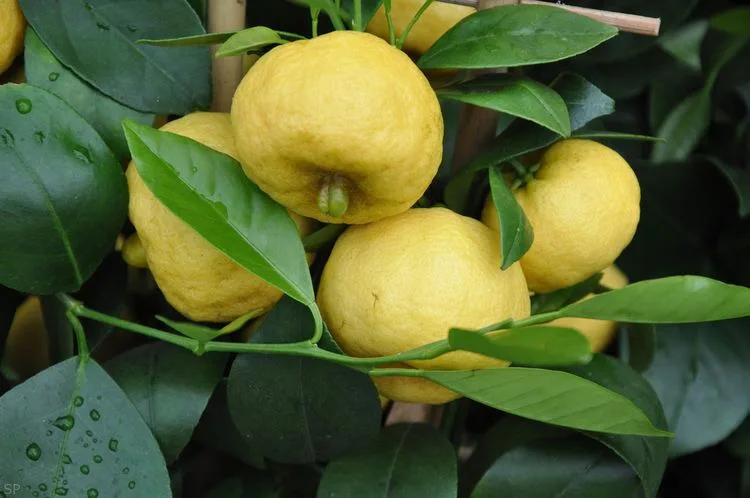
An evergreen tree to 8m tall but generally lower in cultivation with glossy mid- to dark green leaves. Fragrant, white flowers may be produced year-round in favourable conditions but are mainly borne in spring and followed by oval, green fruits resembling limes but that ripen to yellow; the low acidity of the flesh gives the fruits a sweeter, milder flavour than limes and gives rise to one of the common names- the sweet lime
Scientific classification
- Species
- limetta (Citrus limetta)
- Genus
- Citrus
- Family
- Rutaceae
- Fruit harmful to skin with sunlight/skin allergen. Wear gloves and other protective equipment when handling
- Toxicity
- Conservatory Greenhouse · Fruit Edible · Shrubs · Trees
- Plant type
- Information to be completed
- Height
- Information to be completed
- Spread
- Evergreen
- Foliage
- Bushy
- Habit
- Spring · Summer · Autumn · Winter
- Season of interest
- Full sun
- Sunlight
- Information to be completed
- Ideal temperature









limetta pictures
Distribution of limetta
Distribution map
Information to be completed
Information to be completed
Culture
Information to be completed
Toxicity
Fruit harmful to skin with sunlight/skin allergen. Wear gloves and other protective equipment when handling
Quick identification of limetta
Information to be completed
limetta care guide
- Regular deep watering, drain excess water to protect citrus feeder roots
- Watering
- Full sun
- Sunlight
- Information to be completed
- Ideal temperature

Watering
Regular deep watering, drain excess water to protect citrus feeder roots
Fertilizing
 Fertilizing
Citrus balanced feed every four weeks spring through late summer time
Pruning
 Pruning
Little pruning is needed. Remove diseased, damaged, crowded or crossing shoots and unwanted growth. Timing depends on the plant: generally late winter or early spring; plants prone to bleeding and deciduous magnolias need different timing, and deciduous azaleas and lilacs are pruned after flowering.
Propagation
 Propagation
Propagate by seed or semi-hardwood cuttings
Growing
 Growing
Under glass, grow in loam-based potting compost in full light, with shade from hot sun. In growth, water freely and apply a balanced liquid every 2-3 weeks; water sparingly in winter. May be moved outside in warmer weather in full sun. See citrus cultivation for further information
People also ask
Information to be completed
Common pests and diseases
Diseases
Generally disease-free
Pests
May be susceptible to citrus red spider mite and glasshouse red spider mite, soft scale and fluted scale, aphids, caterpillars and mealybugs under glass
Explore the plant health library →




