
calico flower
Also known as: Information to be completed
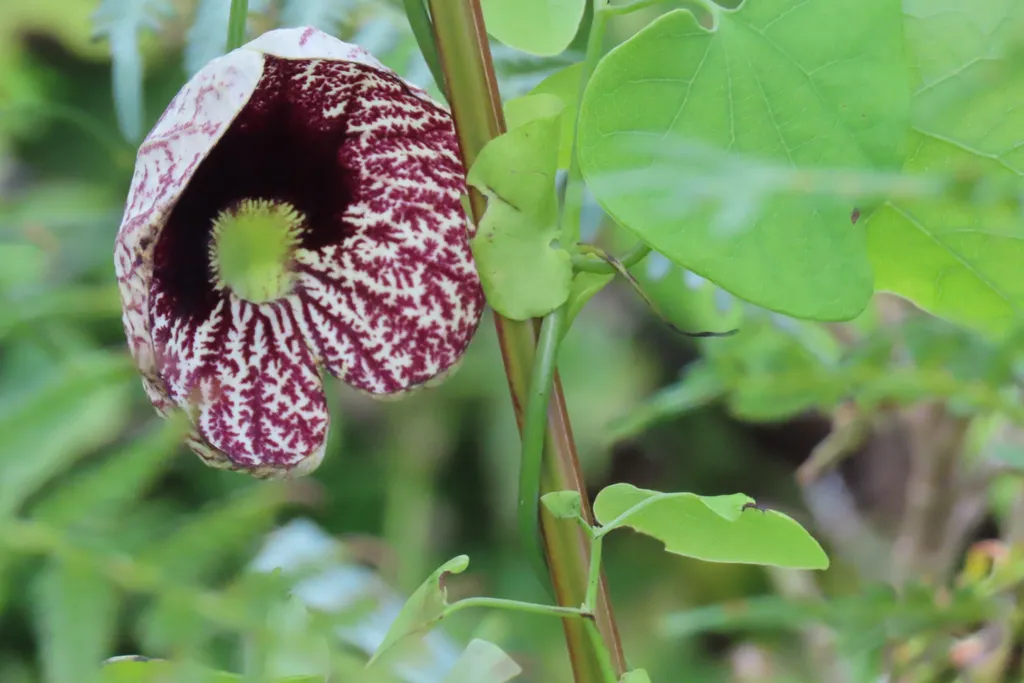
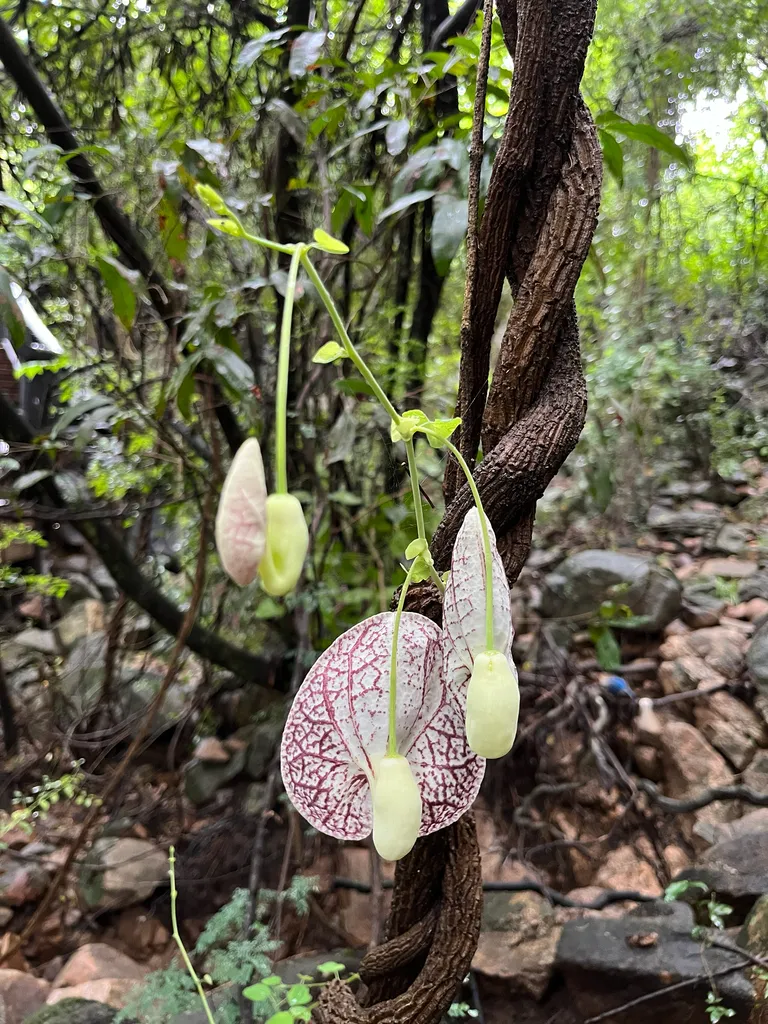
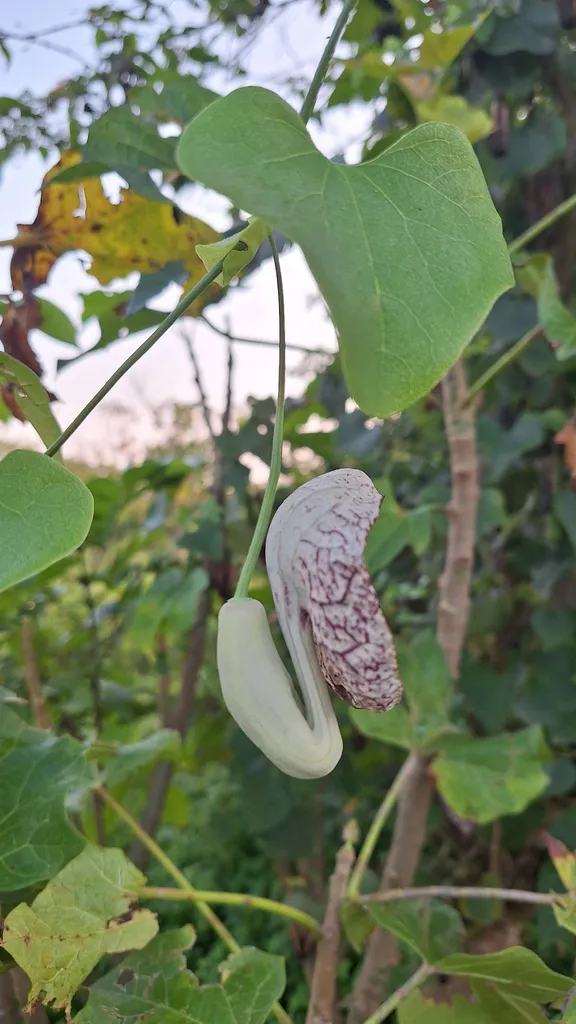
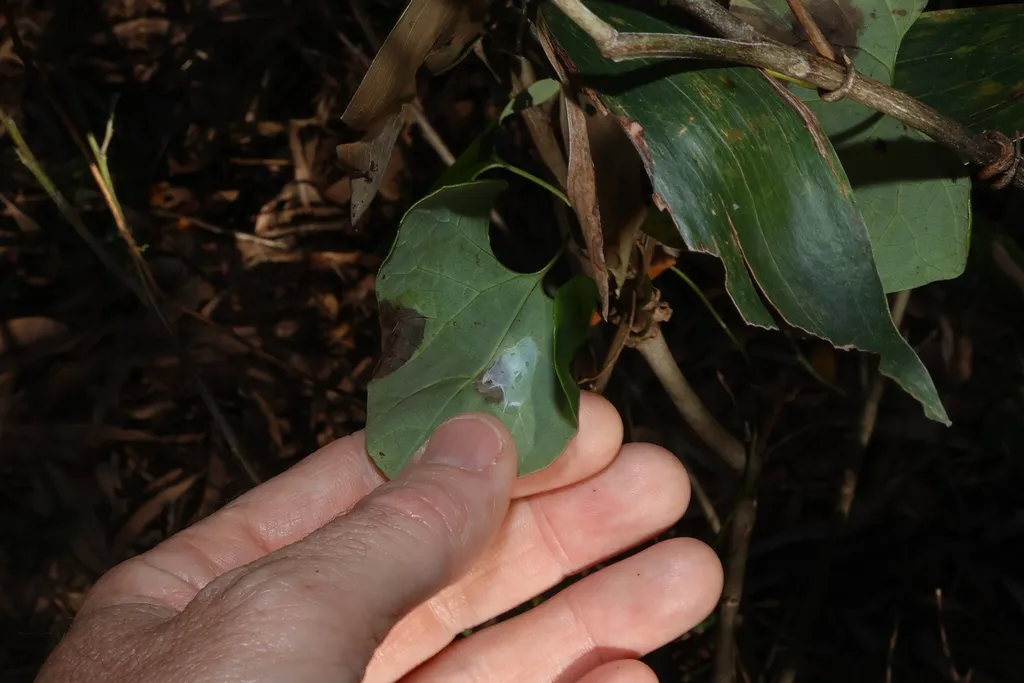
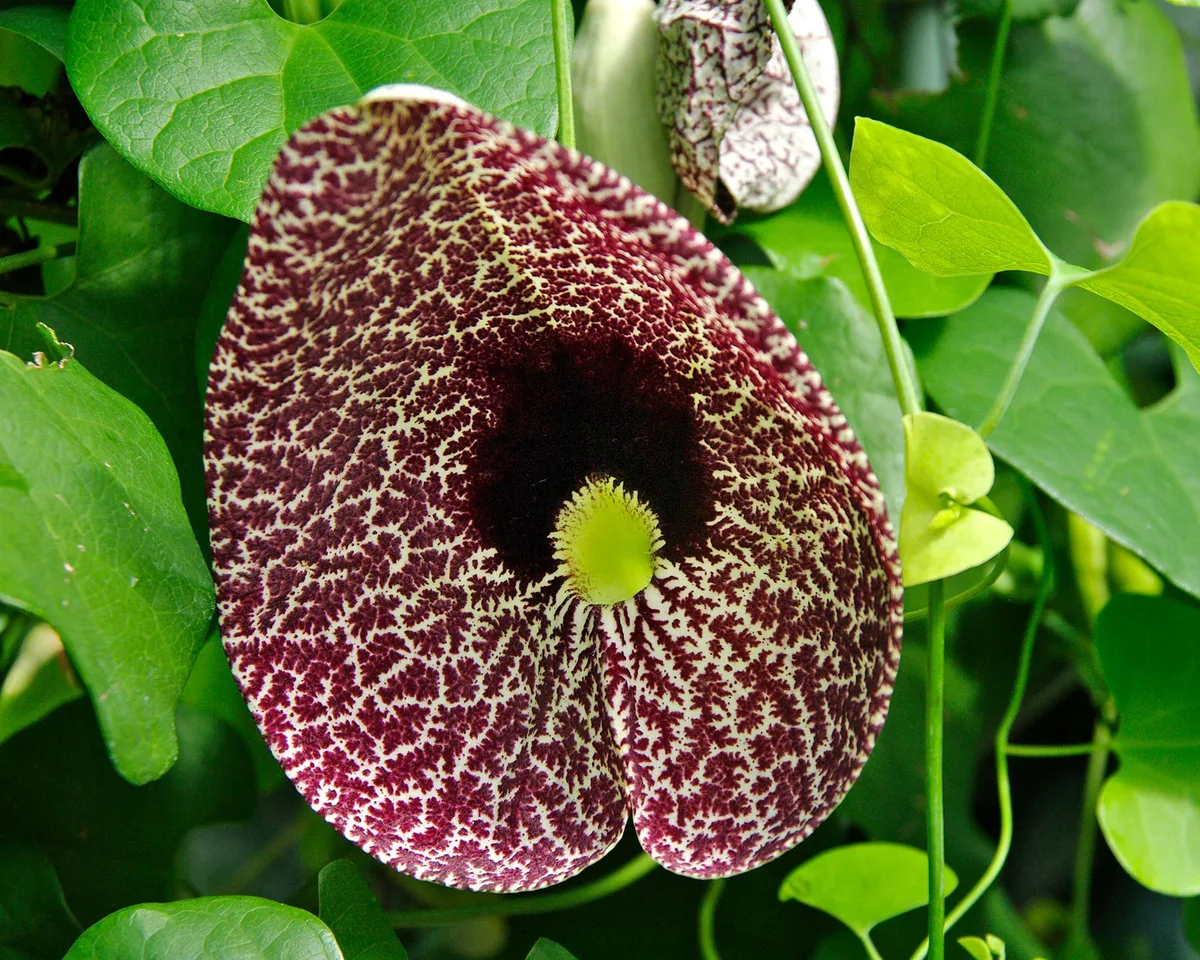
An evergreen climber with twining stems bearing broadly heart-shaped, greyish leaves and curiously shaped, brownish-purple flowers 10cm long, heavily veined with creamy-white
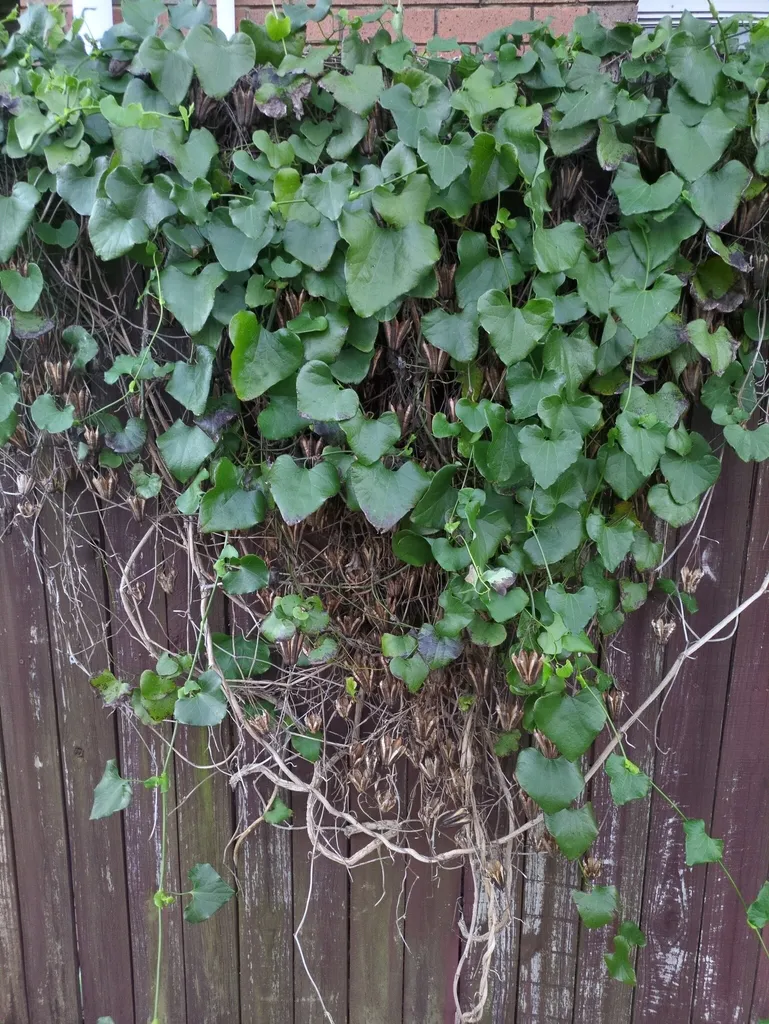
Scientific classification
- Species
- calico flower (Aristolochia littoralis)
- Genus
- Aristolochia
- Family
- Aristolochiaceae
- Order
- Piperales
- Class
- Magnoliopsida
- Phylum
- Magnoliophyta
- TOXIC if eaten. Wear gloves and other protective equipment when handling
- Toxicity
- Conservatory Greenhouse · Climber Wall Shrub
- Plant type
- 4-8 metres
- Height
- 2.5-4 metres
- Spread
- Evergreen
- Foliage
- Climbing
- Habit
- Spring · Summer · Autumn · Winter
- Season of interest
- Full sun · Partial shade
- Sunlight
- Information to be completed
- Ideal temperature









calico flower pictures
Distribution of calico flower
Distribution map
- Native
- Introduced
- Cultivated
Source:WCVP v16 · Royal Botanic Gardens, Kew · CC BY 3.0 · Boundaries:WGSRPD / TDWG
Toxicity
TOXIC if eaten. Wear gloves and other protective equipment when handling
calico flower care guide
- Moderate regular watering, allowing brief slight drying between soakings
- Watering
- Full sun · Partial shade
- Sunlight

Watering
Moderate regular watering, allowing brief slight drying between soakings
Fertilizing
 Fertilizing
Balanced perennial feed every four weeks from spring through summer
Pruning
 Pruning
Routine pruning is unnecessary; shorten overlong shoots to fit the available space. For last-year flowering growth, prune after flowering; for current-year flowering growth, prune in late winter or spring. This guidance is for established plants.
Propagation
 Propagation
Root softwood cuttings in early spring. Propagate by seed at 21-24°C (70-75°F) as soon as ripe or in spring.
Growing
 Growing
Under glass grow in loamless potting compost in bright filtered light. During the growing season water freely and apply a balanced liquid fertiliser monthly; water more sparingly in winter.
Common pests and diseases
Diseases
May be susceptible to honey fungus in gardens where it is present but insufficient data to determine degree of susceptibility
Pests
Generally pest-free
Explore the plant health library →




