
great pumpkin
Also known as: autumn squash; winter squash
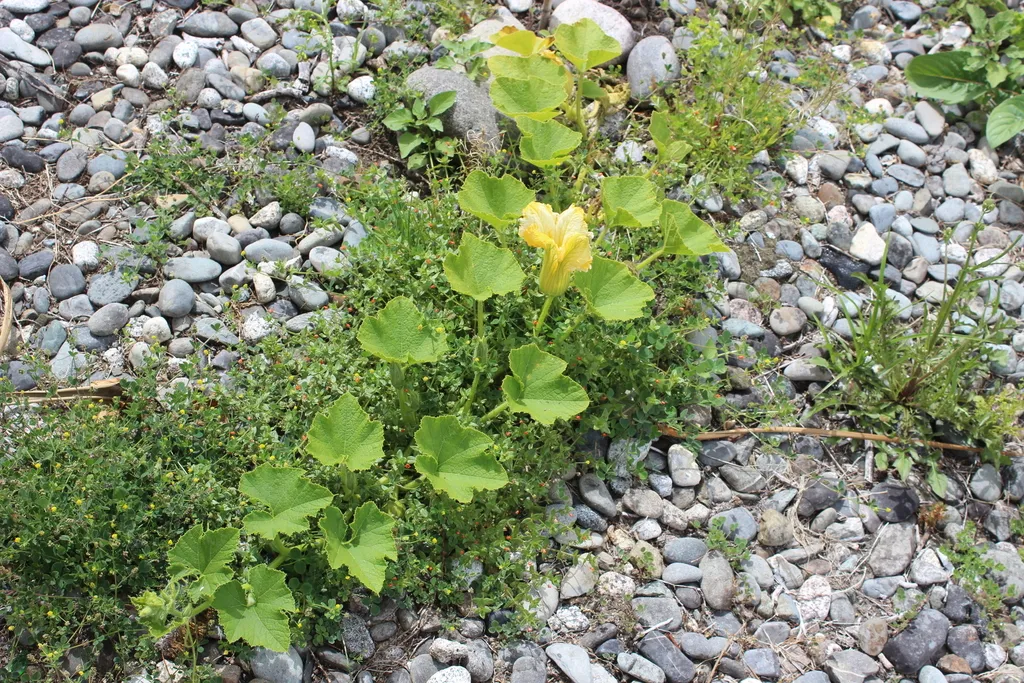
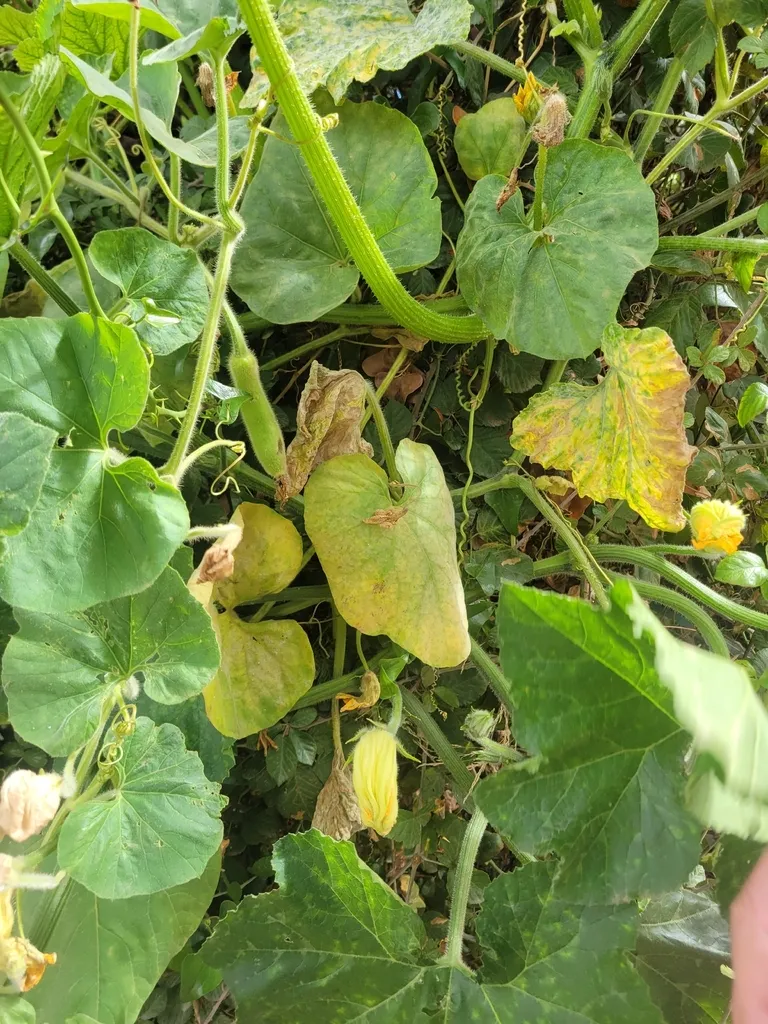
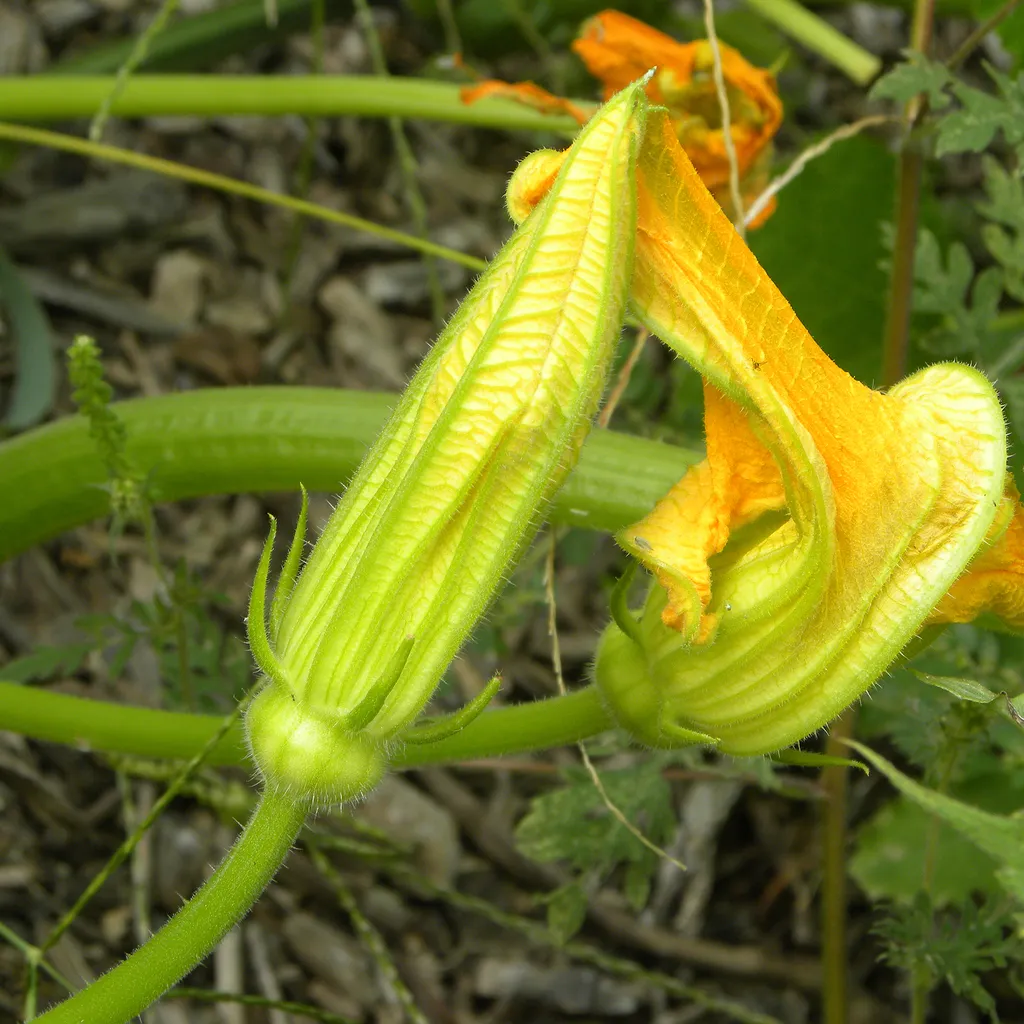
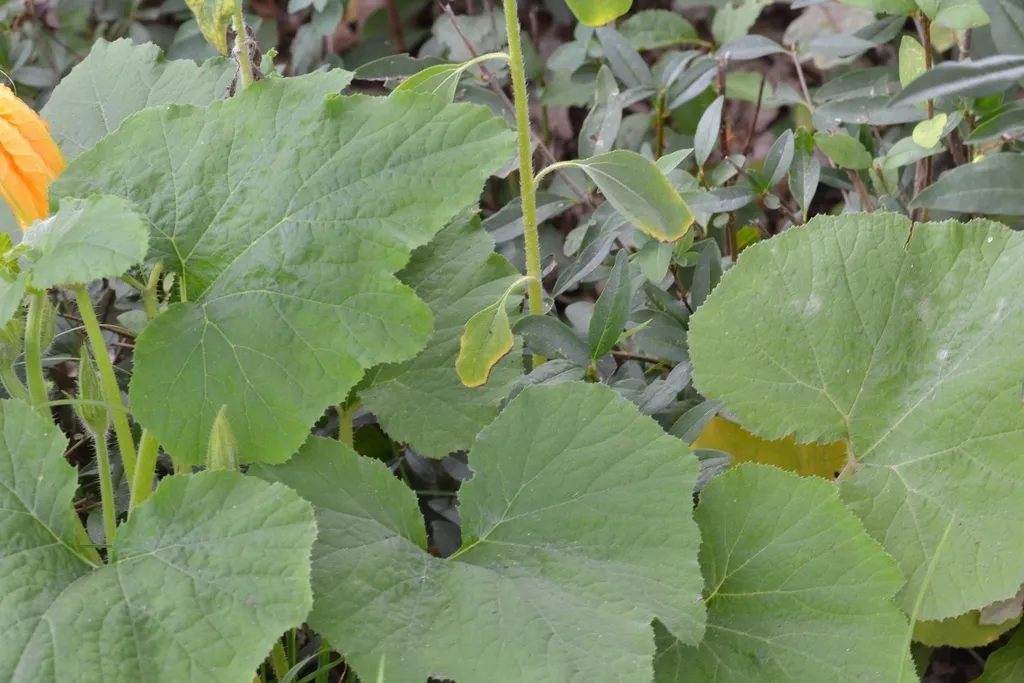
An annual which scrambles along the ground and over low shrubs, reaching 5m if unchecked. It has large green palmate leaves and yellow flowers. These develop into a huge range of fruit shape, colour and skin texture. A great many named cultivars are available, some of which do not spread but all are edible
Scientific classification
- Species
- great pumpkin (Cucurbita maxima)
- Genus
- Cucurbita
- Family
- Cucurbitaceae
- If crop is bitter, don't eat. Wear gloves and other protective equipment when handling
- Toxicity
- Fruit Edible · Annual Biennial
- Plant type
- 0.1-0.5 metres
- Height
- 2.5-4 metres
- Spread
- Deciduous
- Foliage
- Trailing
- Habit
- Spring · Summer · Autumn
- Season of interest
- Full sun
- Sunlight
- Information to be completed
- Ideal temperature









great pumpkin pictures
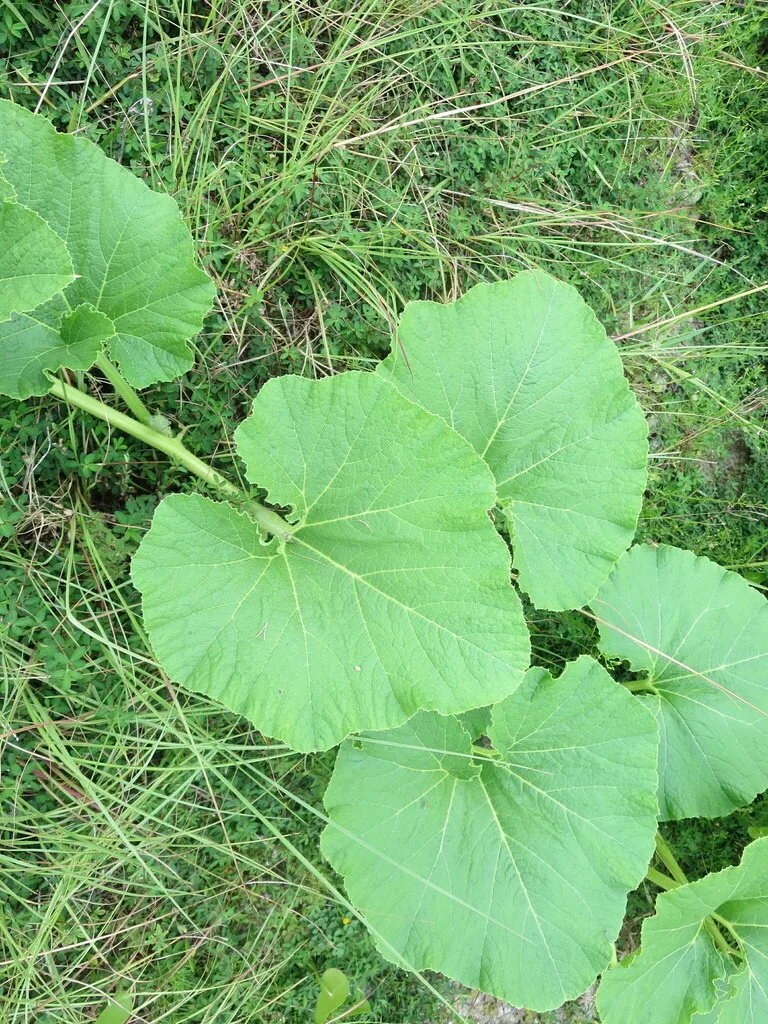
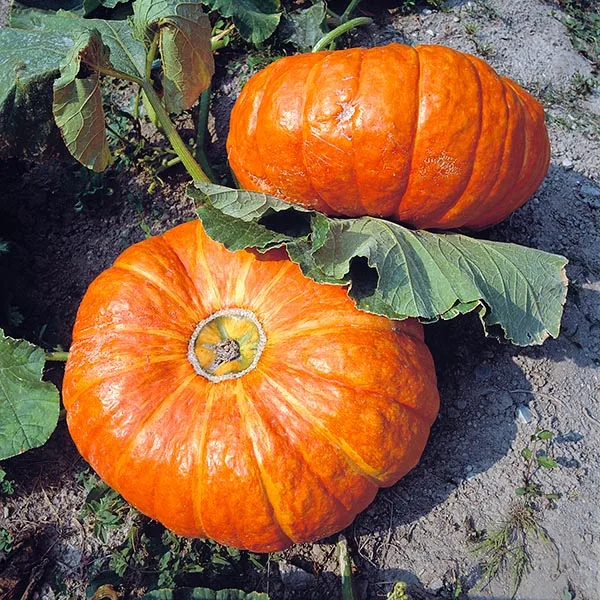
Distribution of great pumpkin
Distribution map
Information to be completed
Information to be completed
Culture
Information to be completed
Toxicity
If crop is bitter, don't eat. Wear gloves and other protective equipment when handling
Quick identification of great pumpkin
Information to be completed
great pumpkin care guide
- Keep moisture even through flowering and fruiting, avoiding hard dry swings
- Watering
- Full sun
- Sunlight
- Information to be completed
- Ideal temperature

Watering
Keep moisture even through flowering and fruiting, avoiding hard dry swings
Fertilizing
 Fertilizing
Tomato or pepper feed every one to two weeks in fruiting season
Pruning
 Pruning
No pruning required
Propagation
 Propagation
Propagate by seed. See sowing vegetable seeds
Growing
 Growing
Grow in rich, fertile, well drained soil in full sun. For more advice see pumpkin cultivation
People also ask
Information to be completed
Common pests and diseases
Diseases
May be susceptible to grey moulds and powdery mildews
Pests
May be susceptible to slugs and snails
Explore the plant health library →




