
nikau palm
Also known as: feather duster palm; New Zealand palm; Norfolk Island palm
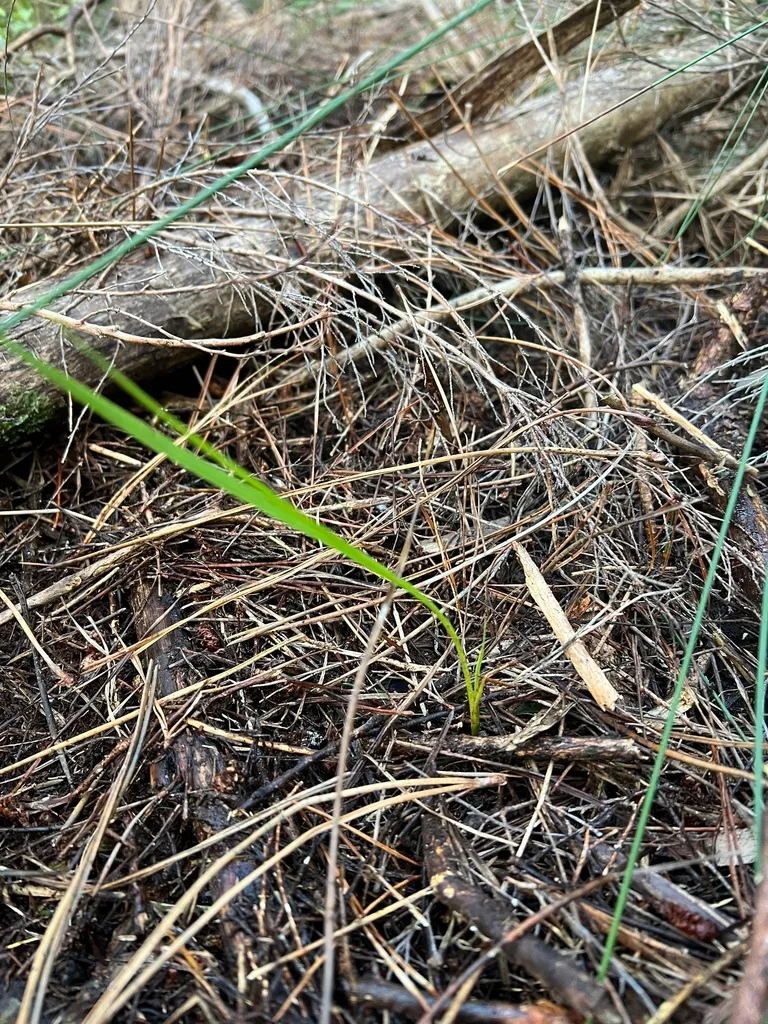
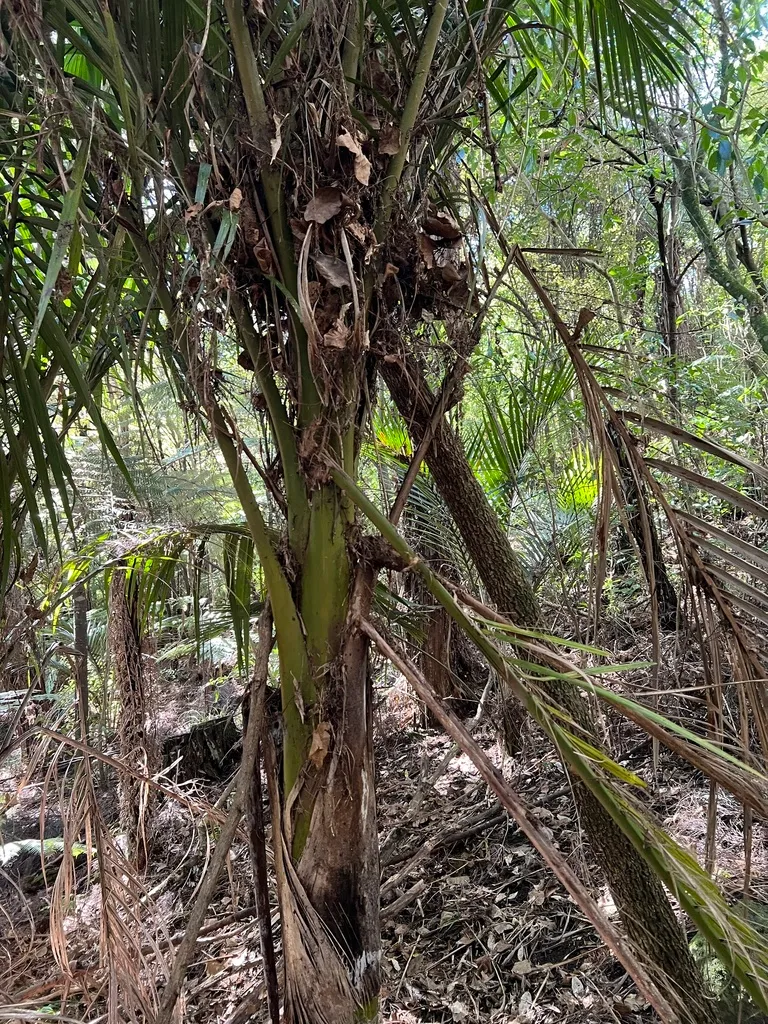
R. sapida is a slow-growing feather palm 6-10m high, with a trunk covered in grey-green leaf scars and topped by a smooth, bulging, glossy green crownshaft 60cm long and a crown of feathery leaves which are 1.2-1.8m long and grow upright forming a shuttlecock shape; lilac-cream flowers are followed by oblong fruits 1cm long, which take almost a year to become deep red
Scientific classification
- Species
- nikau palm (Rhopalostylis sapida)
- Genus
- Rhopalostylis
- Family
- Arecaceae
- Order
- Arecales
- Class
- Liliopsida
- Phylum
- Magnoliophyta
- Information to be completed
- Toxicity
- Palms
- Plant type
- 8-12 metres
- Height
- 2.5-4 metres
- Spread
- Evergreen
- Foliage
- Columnar upright
- Habit
- Spring · Summer · Autumn · Winter
- Season of interest
- Partial shade
- Sunlight
- Information to be completed
- Ideal temperature









nikau palm pictures
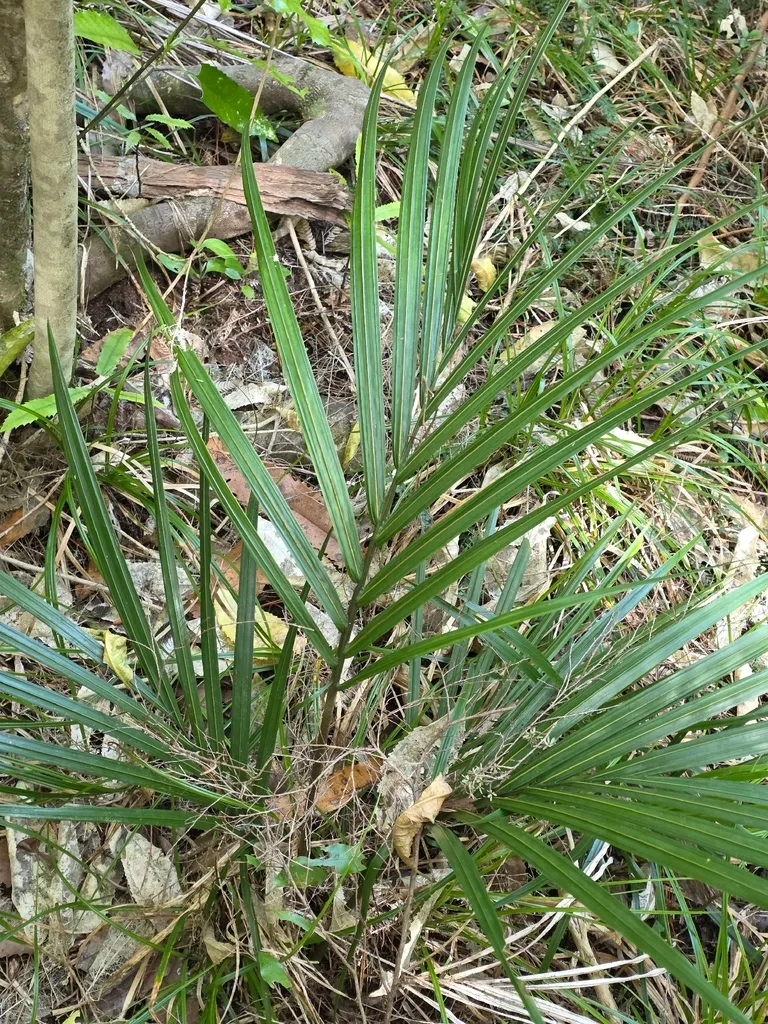
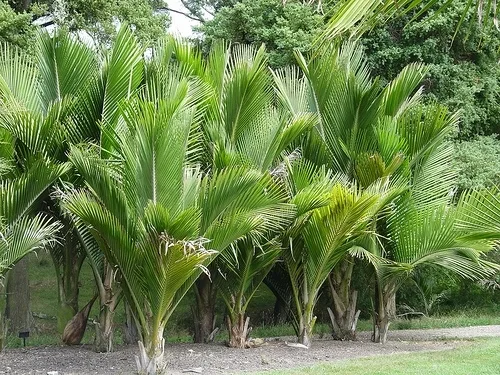
Distribution of nikau palm
Distribution map
- Native
- Introduced
- Cultivated
Source:WCVP v16 · Royal Botanic Gardens, Kew · CC BY 3.0 · Boundaries:WGSRPD / TDWG
nikau palm care guide
- Even moisture for young palms, established ones withstand dryness
- Watering
- Partial shade
- Sunlight

Watering
Even moisture for young palms, established ones withstand dryness
Fertilizing
 Fertilizing
Palm-specific slow feed every six weeks during warm growth
Pruning
 Pruning
No pruning required
Propagation
 Propagation
Propagate by seed, as fresh as possible, which will usually germinate within two or three months
Growing
 Growing
Grow outside in mild, humid, frost-free gardens in moist soil in partial shade, with shelter from wind and direct sunlight - for more advice, see palm cultivation outdoors; elsewhere grow in a cool glasshouse in bright but indirect light with adequate ventilation in a peat-free potting medium formulated for indoor plants - for more advice, see palm cultivation indoors
Common pests and diseases
Diseases
Generally disease-free
Pests
May be affected by scale insects, mealy bugs and sometimes glasshouse red spider mite
Explore the plant health library →




