
ridge-fruited mallee
Also known as: Information to be completed
Evergreen, multi-stemmed shrubby tree, endemic to southern Western Australia, to 7m tall. Smooth grey bark with accumulated strips of rough bark at the base, become pale grey, grey-brown, white or pinkish-copper with ribbons on the upper branches. Lanceolate to elliptic, aromatic glossy, green adult leaves to 14cm long. White to creamy-yellow flowers appear between midsummer and early autumn, followed by cylindrical or rounded woody fruit with longitudinal, angled grooves
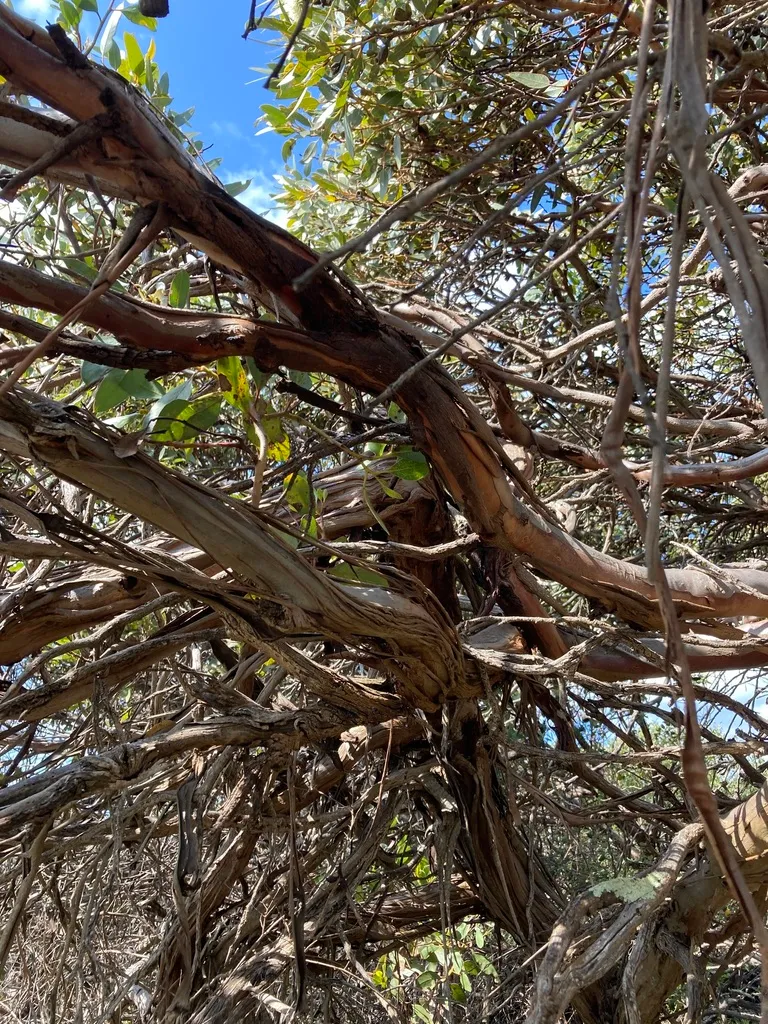
Scientific classification
- Species
- ridge-fruited mallee (Eucalyptus angulosa)
- Genus
- Eucalyptus
- Family
- Myrtaceae
- Information to be completed
- Toxicity
- Trees · Shrubs
- Plant type
- 4-8 metres
- Height
- 4-8 metres
- Spread
- Evergreen
- Foliage
- Information to be completed
- Habit
- Spring · Summer · Autumn · Winter
- Season of interest
- Full sun
- Sunlight
- Information to be completed
- Ideal temperature









ridge-fruited mallee pictures
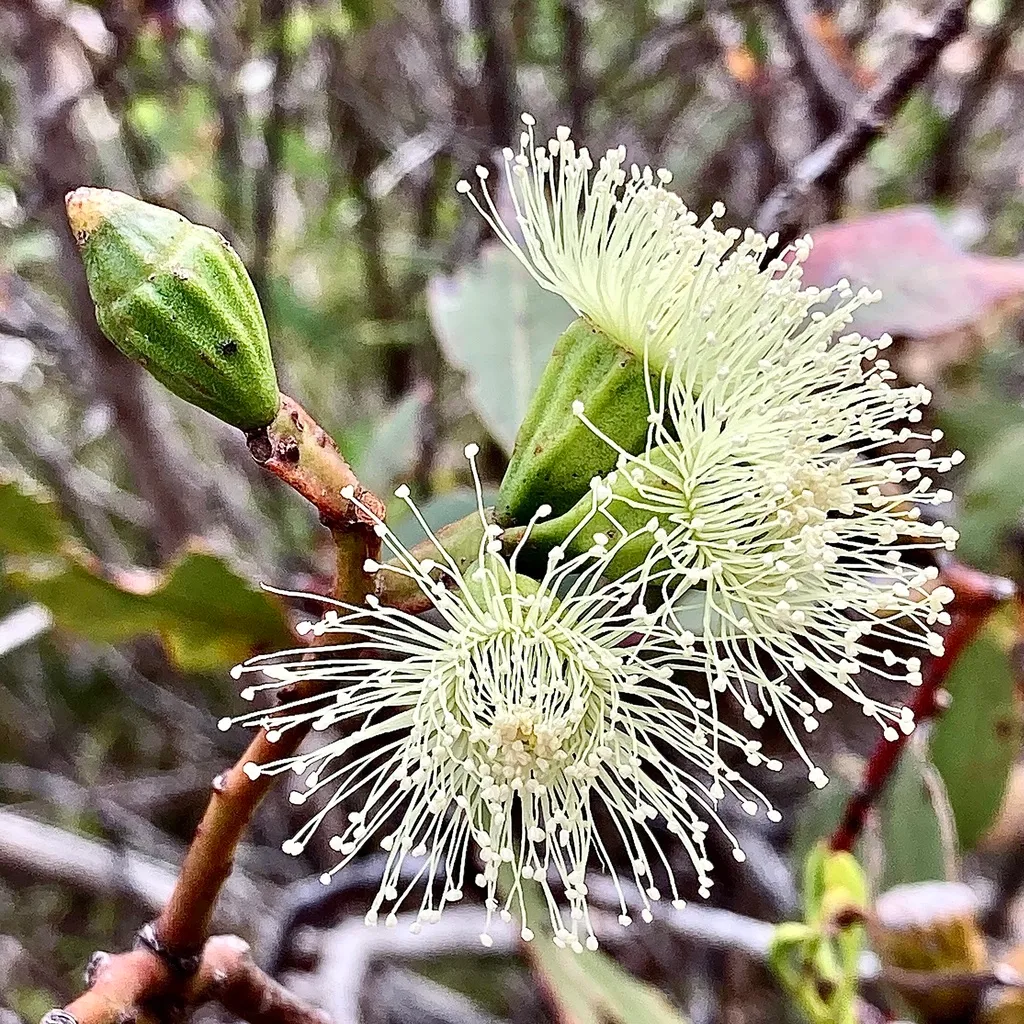
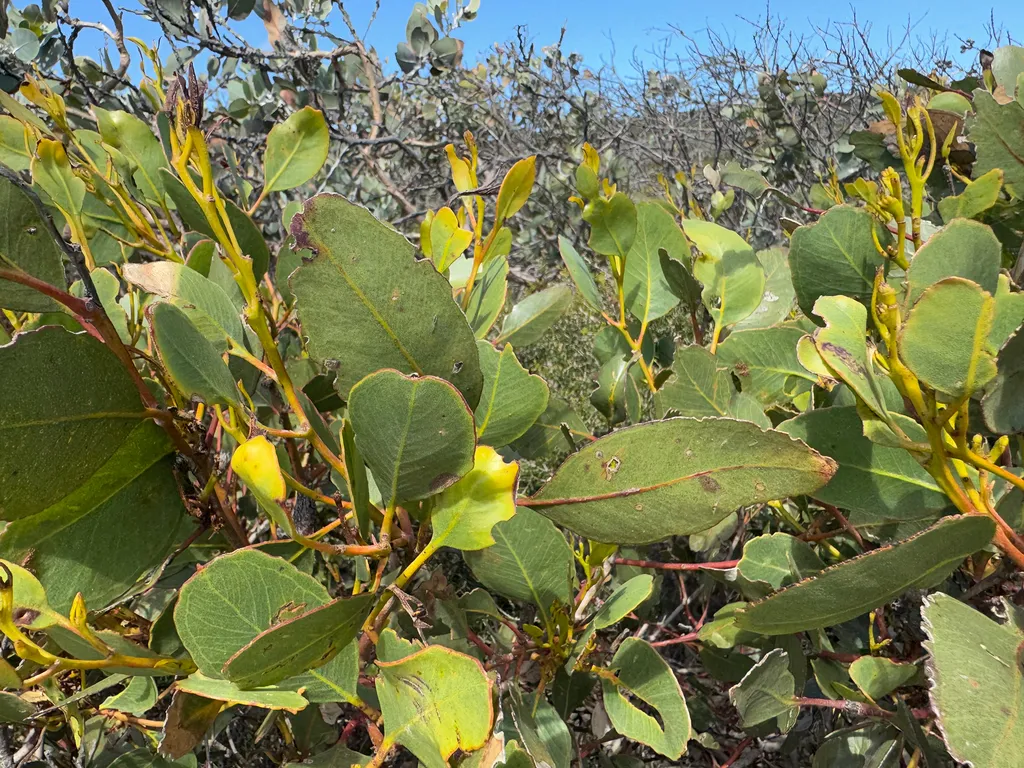
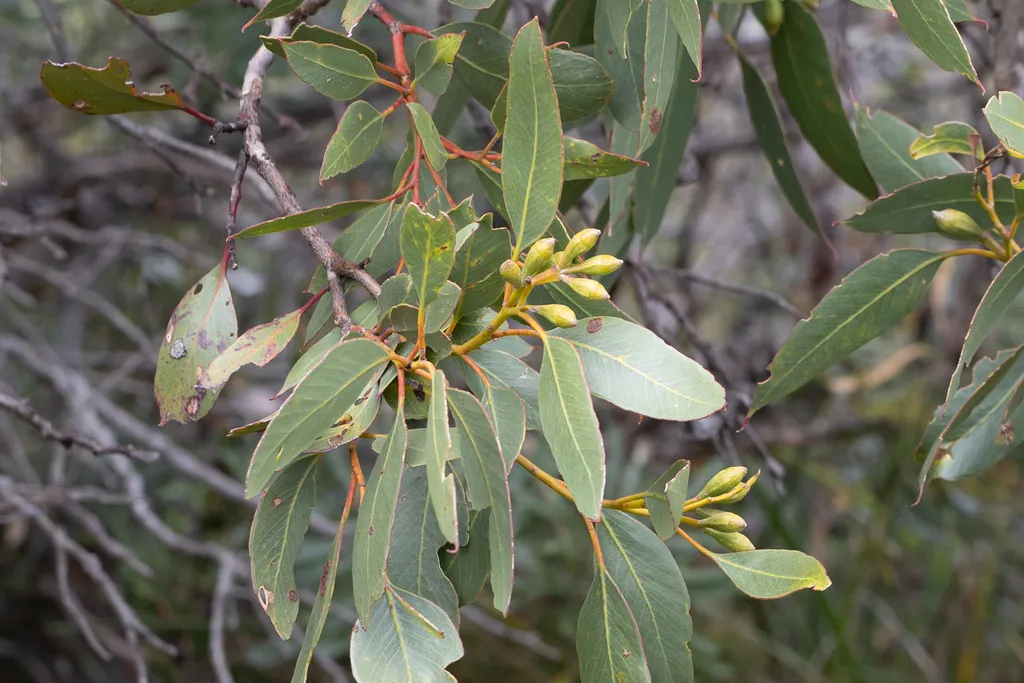
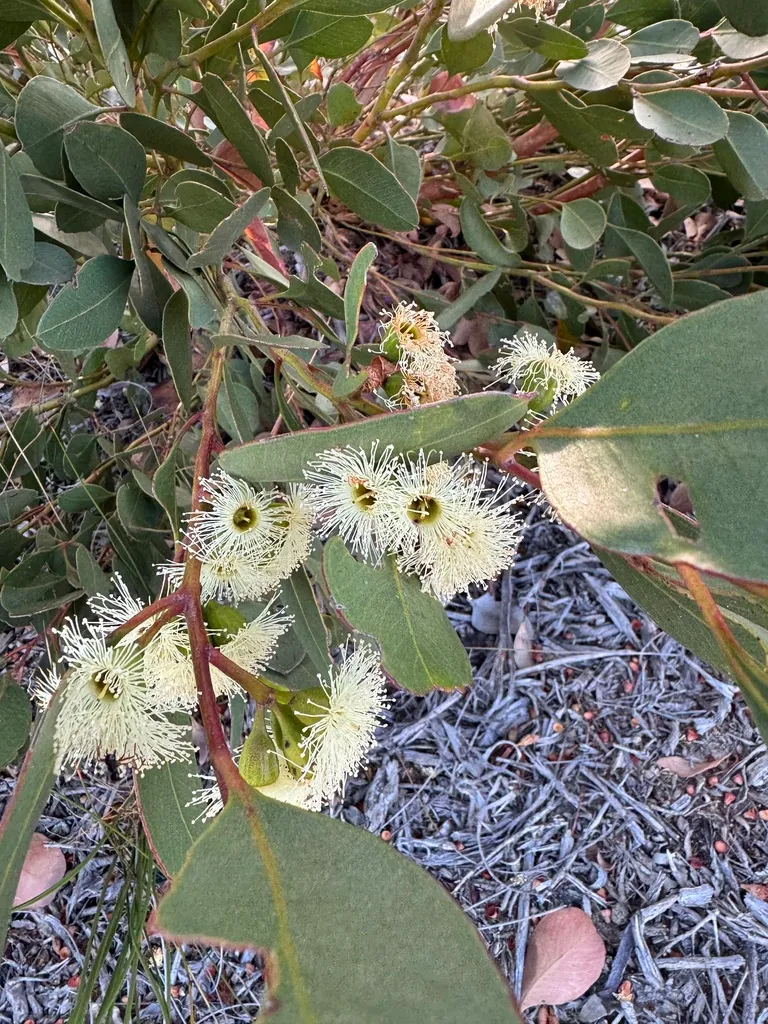
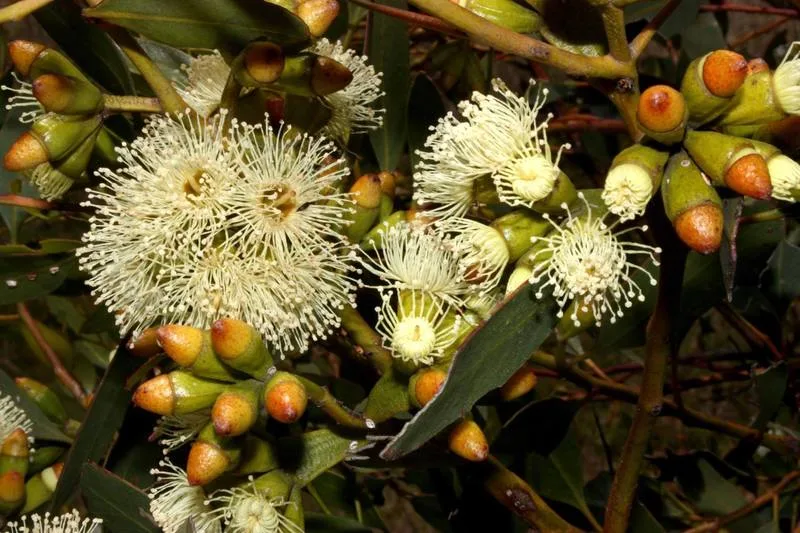
Distribution of ridge-fruited mallee
Distribution map
Information to be completed
Information to be completed
Culture
Information to be completed
Toxicity
Information to be completed
Quick identification of ridge-fruited mallee
Information to be completed
ridge-fruited mallee care guide
- Moderate regular watering, avoid prolonged drought and stagnant waterlogging
- Watering
- Full sun
- Sunlight
- Information to be completed
- Ideal temperature

Watering
Moderate regular watering, avoid prolonged drought and stagnant waterlogging
Fertilizing
 Fertilizing
Balanced perennial feed every four weeks spring through summer growth
Pruning
 Pruning
Little pruning is needed. Remove diseased, damaged, crowded or crossing shoots and unwanted growth. Timing depends on the plant: generally late winter or early spring; plants prone to bleeding and deciduous magnolias need different timing, and deciduous azaleas and lilacs are pruned after flowering.
Propagation
 Propagation
Propagate by seed at 13-18°C in spring and summer
Growing
 Growing
In mild counties and frost-free areas, grow in sharply-drained or sandy, neutral to acid soil in full sun with shelter from winds; in frost-prone areas, grow in a cool or temperate greenhouse, in a mix of lime-free potting compost and grit, in full light with good ventilation. Water moderately in spring and summer and apply a general fertiliser monthly, water sparingly in winter. See eucalyptus cultivation
People also ask
Information to be completed
Common pests and diseases
Diseases
May be susceptible to silver leaf, oedema and honey fungus
Pests
May be susceptible to eucalyptus gall wasp and eucalyptus sucker
Explore the plant health library →




