
rosilla
Also known as: Information to be completed
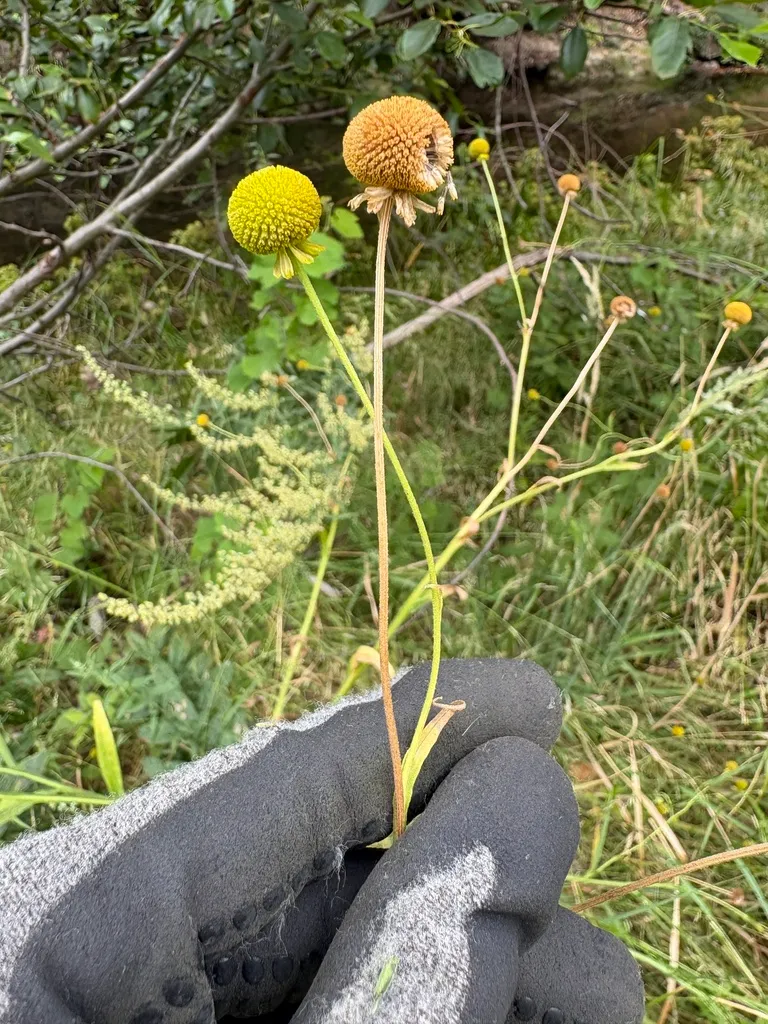
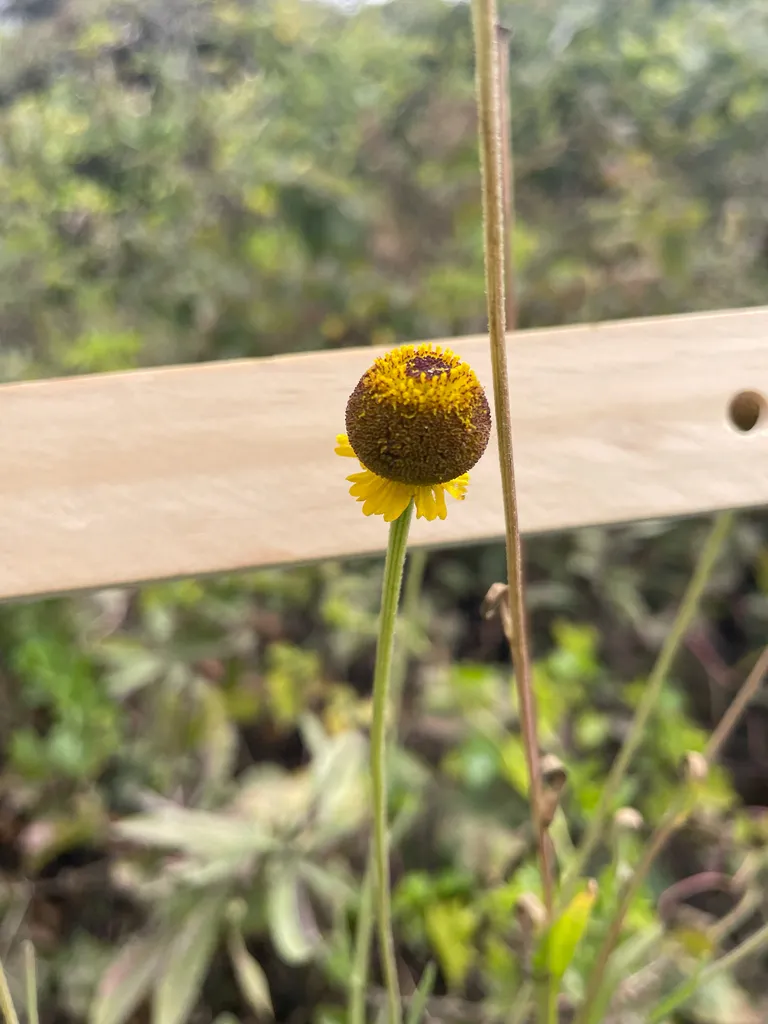
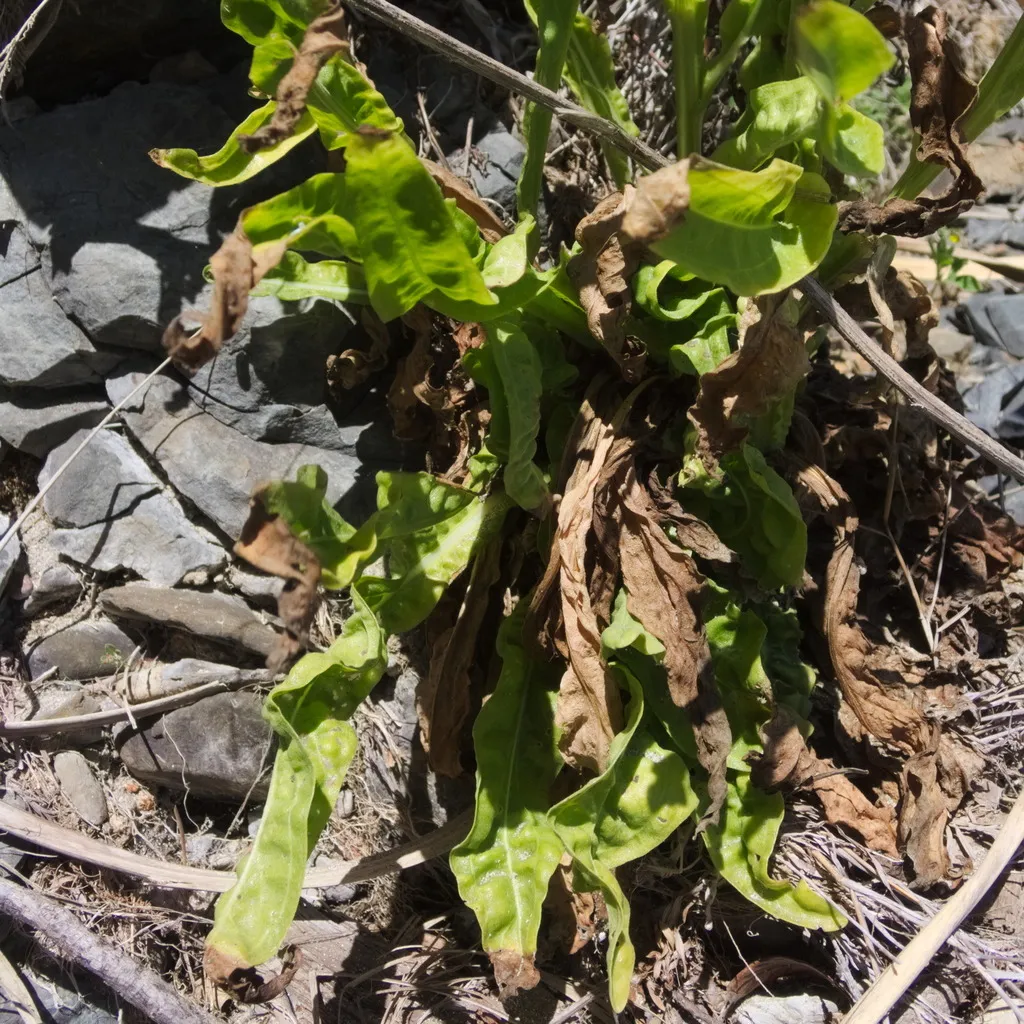
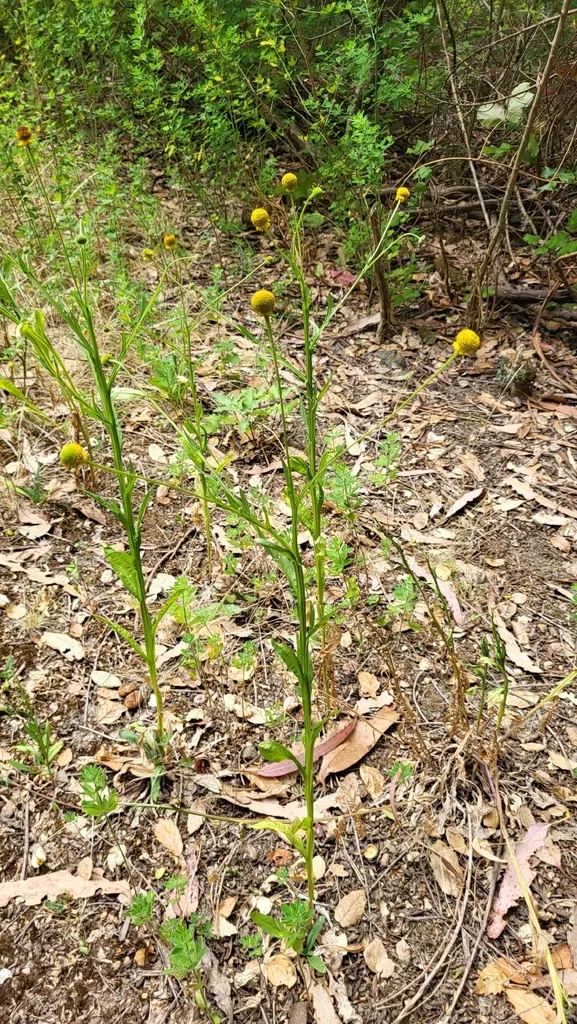
A species of compact, clump-forming perennial, up to 160cm high with 'winged' stems with flaps of tissue down them and dark green leaves, mainly at the base. The large, rounded heads are yellowish-brown and generally have no petals, except for a few at the base in summer through to autumn
Scientific classification
- Species
- rosilla (Helenium puberulum)
- Genus
- Helenium
- Family
- Asteraceae
- Information to be completed
- Toxicity
- Herbaceous Perennial
- Plant type
- Information to be completed
- Height
- Information to be completed
- Spread
- Deciduous
- Foliage
- Clump forming
- Habit
- Spring · Summer · Autumn
- Season of interest
- Full sun
- Sunlight
- Information to be completed
- Ideal temperature









rosilla pictures
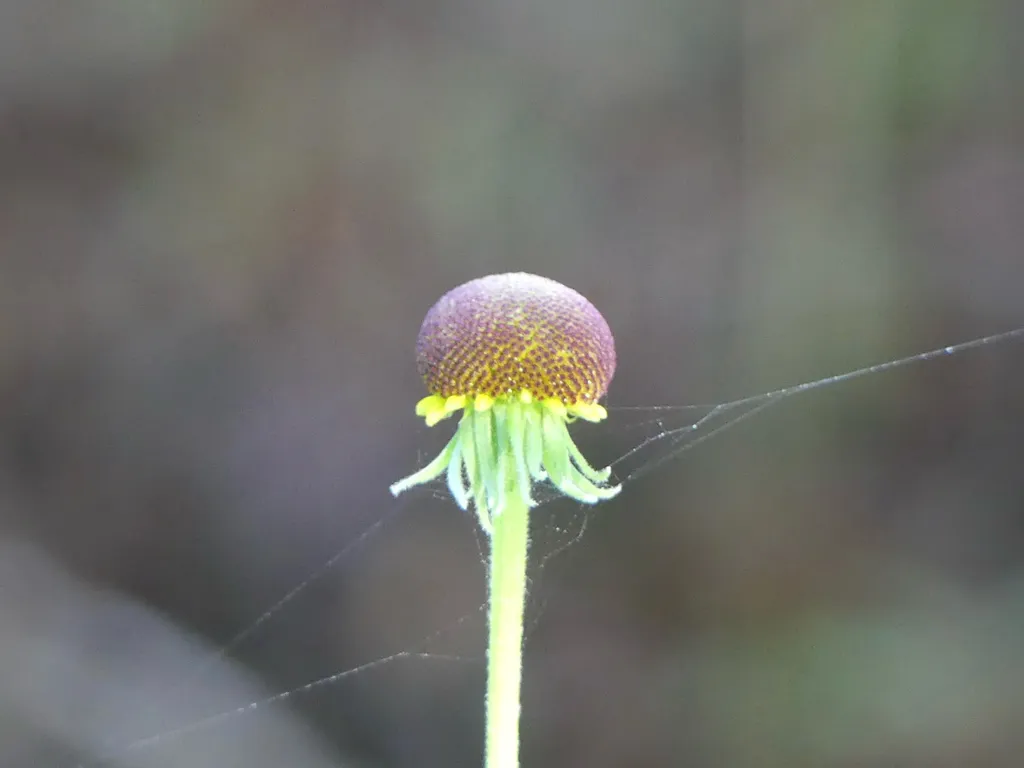
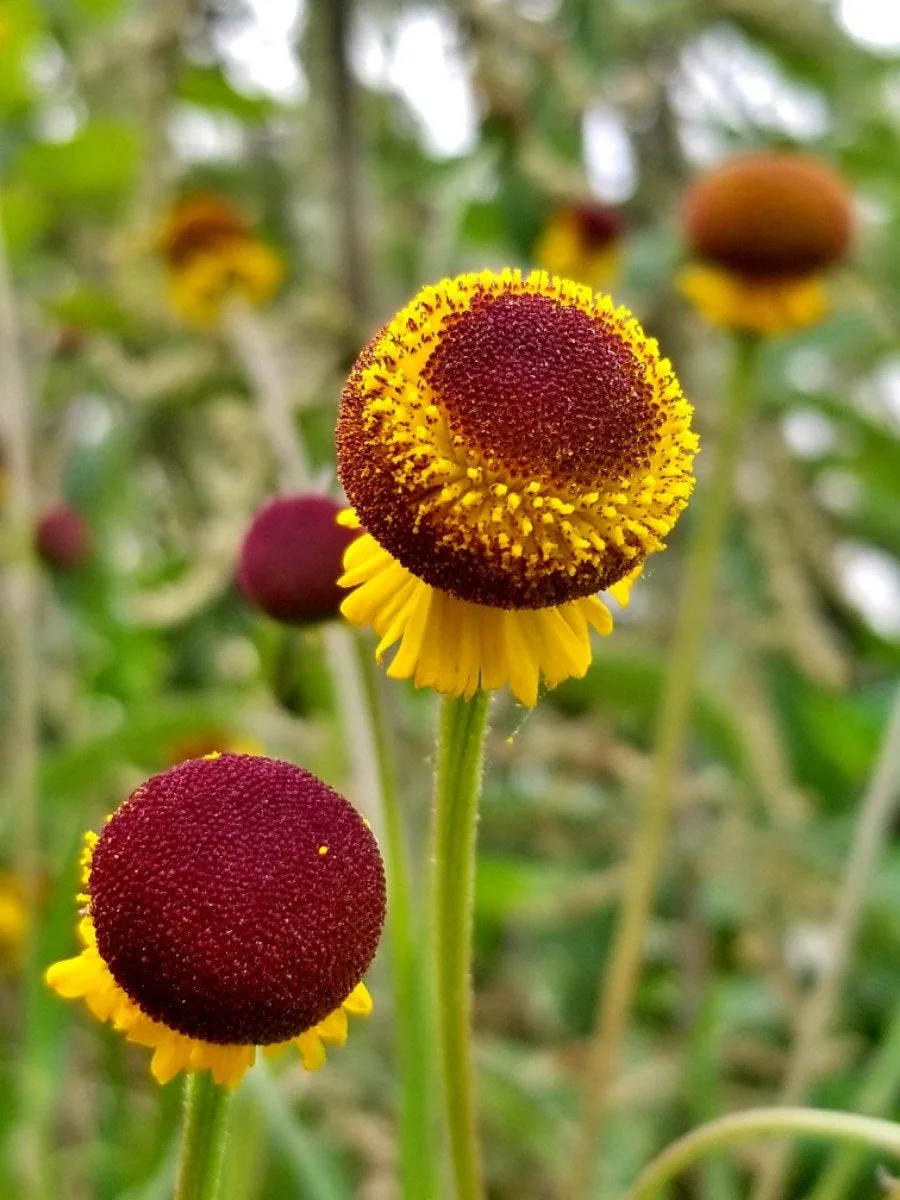
Distribution of rosilla
Distribution map
Information to be completed
Information to be completed
Culture
Information to be completed
Toxicity
Information to be completed
Quick identification of rosilla
Information to be completed
rosilla care guide
- Moderate regular watering, allowing brief slight drying between soakings
- Watering
- Full sun
- Sunlight
- Information to be completed
- Ideal temperature

Watering
Moderate regular watering, allowing brief slight drying between soakings
Fertilizing
 Fertilizing
Balanced perennial feed every four weeks from spring through summer
Pruning
 Pruning
Deadhead to prolong flowering
Propagation
 Propagation
Propagate by basal softwood cuttings in spring, or by division in spring or late autumn
Growing
 Growing
Grow in full sun in fertile, moisture-retentive, humus-rich soil. Keep well watered in summer dry spells. Divide every two to three years to maintain vigour
People also ask
Information to be completed
Common pests and diseases
Diseases
May be susceptible to powdery mildews, leaf spot, verticillium wilt and virus diseases
Pests
May be susceptible to stem and bulb eelworm, tortrix moth, slugs and snails
Explore the plant health library →




