
cabbage lettuce
Also known as: Information to be completed
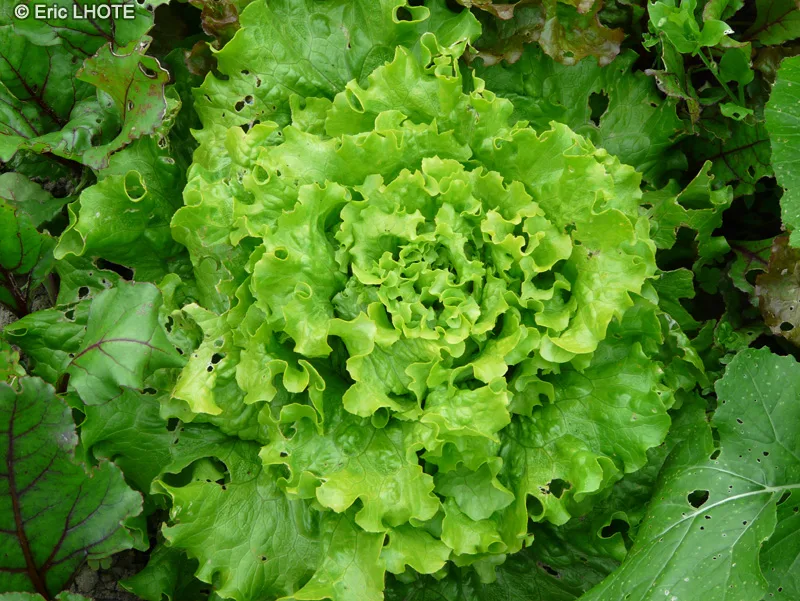
Butterhead lettuces, usually forming rounded heads of crisp green or sometimes red-tinted leaves, useful for salads. Plants can be up to 30cm across depending on the cultivar
Scientific classification
- Species
- cabbage lettuce (Lactuca sativa var. capitata)
- Genus
- Lactuca
- Family
- Asteraceae
- Order
- Asterales
- Class
- Magnoliopsida
- Phylum
- Magnoliophyta
- Information to be completed
- Toxicity
- Annual Biennial
- Plant type
- 0.1-0.5 metres
- Height
- 0.1-0.5 metres
- Spread
- Deciduous
- Foliage
- Clump forming
- Habit
- Spring · Summer · Autumn
- Season of interest
- Full sun · Partial shade
- Sunlight
- Information to be completed
- Ideal temperature









cabbage lettuce pictures
Distribution of cabbage lettuce
Distribution map
- Native
- Introduced
- Cultivated
Source:WCVP v16 · Royal Botanic Gardens, Kew · CC BY 3.0 · Boundaries:WGSRPD / TDWG
cabbage lettuce care guide
- Frequent small watering doses to keep leaf crop soil persistently damp
- Watering
- Full sun · Partial shade
- Sunlight

Watering
Frequent small watering doses to keep leaf crop soil persistently damp
Fertilizing
 Fertilizing
High nitrogen vegetable feed applied biweekly through growth cycle
Pruning
 Pruning
No pruning required
Propagation
 Propagation
Propagate by seed. See sowing vegetable seeds
Growing
 Growing
Grow in full sun or afternoon shade on moisture-retentive, ideally neutral soil. Water when the soil is dry, ideally early in the morning. Sow a short row every fortnight to ensure continuity of cropping. Use cloches, plastic tunnels or horticultural fleece to protect early and late crops. See lettuce cultivation for more information
Common pests and diseases
Diseases
May be susceptible to grey moulds and downy mildews
Pests
May be susceptible to slugs and snails
Explore the plant health library →




